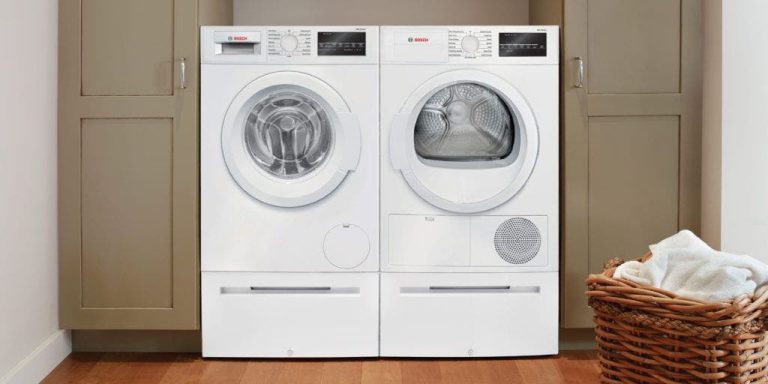
Impeller washing machines use a low-profile disc to gently swirl and clean clothes, while agitator washing machines use a central column to move clothes around aggressively. When choosing a washing machine, it’s important to understand the differences between impeller and agitator models.
Both designs have distinct cleaning methods, which can impact the washing performance and the types of clothes they can handle. Understanding these differences will help you make an informed decision when shopping for a new washing machine. We will explore the features and benefits of impeller and agitator washing machines, to help you decide which option is best suited to your needs.
So, let’s dive in and explore the unique characteristics of impeller and agitator washing machines.
Understanding Impeller Washing Machines
Understanding Impeller Washing Machines:
How Impeller Wash Systems Work
An impeller washing machine uses a low-profile cone or disc that spins to create water currents that agitate the clothes.
Pros And Cons Of Impeller Washing Machines
- Pros:
- Saves water and energy due to lower water usage and shorter cycle times.
- Gentler on clothes, making them last longer and reducing wear and tear.
- Cons:
- Less effective on heavy-duty stains compared to agitator washers.
- May not be suitable for washing very large or bulky items efficiently.
Exploring Agitator Washing Machines
HTML Content:Agitator washing machines are a popular choice for many households due to their effectiveness in cleaning clothes. In this section, we will delve into how agitator wash systems work and explore the pros and cons of these machines.
How Agitator Wash Systems Work
Agitator washing machines use a central spindle, or agitator, to create a powerful turbulence within the drum. This turbulence helps to dislodge dirt and stains from the clothes during the wash cycle. The agitator is typically equipped with fins or blades that move back and forth, creating the necessary agitation.
This mechanical action, coupled with the detergent, ensures a thorough clean. The agitator’s movement helps to distribute the water and detergent evenly, ensuring all clothes are exposed to the cleaning solution.
Pros And Cons Of Agitator Washing Machines
Pros:
- Effective Cleaning: Agitator machines are known for their ability to remove tough stains and dirt from clothes.
- Shorter Cycle Times: Agitator washers generally have shorter wash cycles compared to impeller washers, making them more time-efficient.
- Cost-Effective: Agitator washing machines are often more affordable compared to their impeller counterparts, making them an attractive option for budget-conscious consumers.
Cons:
- Harsher on Clothes: The vigorous agitation by the agitator may cause more wear and tear on delicate fabrics, potentially reducing their lifespan.
- Less Water and Energy Efficient: Agitator machines typically require more water to function properly, resulting in higher water usage and energy consumption.
- Noisy Operation: Due to the mechanical action of the agitator, these machines tend to be louder during operation compared to impeller washing machines.
Comparing Cleaning Performance
When it comes to choosing a washing machine, one of the key factors to consider is the cleaning performance. The ability of a washing machine to effectively remove different types of stains and its gentleness on fabrics are crucial aspects that determine the quality of the wash. In this article, we will compare the cleaning performance of two common washing machine types: impeller and agitator.
Effectiveness In Removing Different Types Of Stains
When it comes to removing stubborn stains, both impeller and agitator washing machines have their strengths and weaknesses.
Impeller Washing Machines:
- Impeller washing machines use a low-profile central cone or disc to create a powerful water flow that moves the clothes around.
- This constant motion allows the detergent and water to penetrate the fabric and effectively remove stains.
- Impeller washing machines are particularly effective in tackling light to medium stains, such as dirt, sweat, and food residues.
Agitator Washing Machines:
- Agitator washing machines feature a tall spindle in the center of the tub that rotates back and forth.
- This agitating motion creates a strong mechanical action, which is more suitable for heavy stains like oil, grease, and grass.
- Agitator washing machines provide a high level of agitation, ensuring deep cleaning for tough stains.
| Stain Type | Impeller Washing Machines | Agitator Washing Machines |
|---|---|---|
| Light to Medium Stains | Effective | Less Effective |
| Heavy Stains | Less Effective | Effective |
Gentleness On Fabrics
Another crucial aspect to consider when comparing cleaning performance is the gentleness of the washing machine on fabrics.
Impeller Washing Machines:
- The impeller’s spinning action is generally gentler on fabrics compared to the more aggressive agitation of an agitator washing machine.
- They are less likely to cause tangling or stretching, making them suitable for delicate fabrics like silk or lace.
- However, some users may find that impeller washing machines are not as effective in deep cleaning heavily soiled and stained fabrics.
Agitator Washing Machines:
- Agitator washing machines provide a more robust and vigorous washing action, which can occasionally be harsh on delicate fabrics.
- They are better suited for durable fabrics, such as jeans or towels, as the agitation helps to loosen and remove embedded dirt and stains.
- However, some users may find that agitator washing machines are more prone to causing wear and tear on delicate items.
In conclusion, when choosing between an impeller and an agitator washing machine, it is essential to consider the types of stains you commonly deal with and the fabrics you frequently wash. Impeller machines excel at handling light to medium stains and are gentle on delicate fabrics, while agitator machines are more effective at tackling heavy stains but may be harsher on delicate items. Consider your specific needs and preferences to make an informed decision for the best cleaning performance.
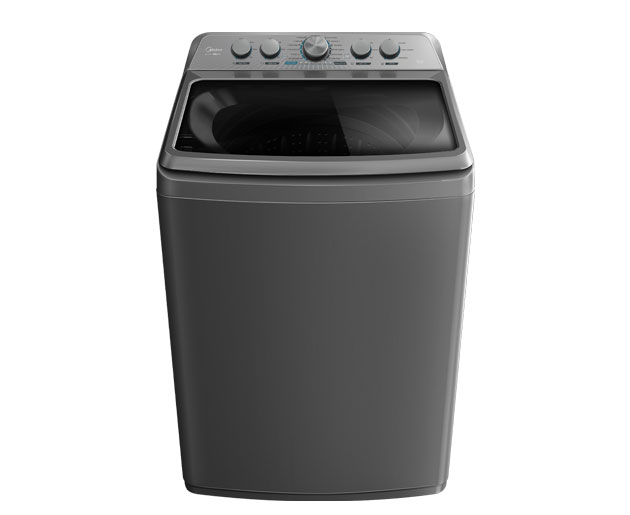
Credit: www.coolwasher.com
Energy And Water Efficiency
Impact On Utility Bills
Impeller: Saves energy and water through less aggressive cleaning action.
Agitator: Consumes more energy and water due to robust agitation process.
Sustainability Factors
Impeller: Eco-friendly choice for reducing resource consumption.
Agitator: Less sustainable as it requires higher energy and water usage.
Noise And Vibration Levels
When it comes to choosing between a washing machine with an impeller and one with an agitator, noise and vibration levels play a crucial role in the decision-making process. Let’s take a closer look at how these two types of washers compare in terms of noise and vibration control.
Operation Noise Comparison
- Operate with reduced noise levels due to the absence of a central agitator.
- Use advanced technology for quieter operation during the wash cycle.
- May produce more noise during operation due to the agitator’s vigorous movement.
- Some models may have noise insulation to minimize disruptions during use.
Vibration Control
- Designed to minimize vibrations, offering more stability during the wash cycle.
- Utilize advanced balancing mechanisms to reduce movement and vibration.
- Can generate higher vibration levels due to the agitator’s movement, particularly during heavy-duty cycles.
- May incorporate features such as shock absorbers and enhanced suspension systems to mitigate vibrations.
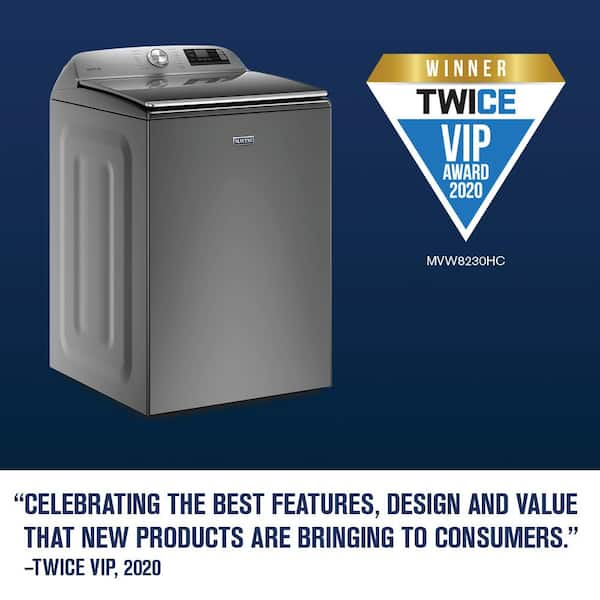
Credit: www.homedepot.com
Durability And Maintenance
When comparing washing machines with impellers and agitators, durability and maintenance play crucial roles. Impeller models are known for their longevity and require less upkeep, while agitators may need more maintenance but offer robust cleaning performance. Consider the trade-offs between durability and maintenance when choosing the right washing machine for your needs.
Durability and Maintenance: When it comes to choosing a washing machine, durability and maintenance are important factors to consider. Understanding the longevity of components and the maintenance requirements of different types of washers can help you make an informed decision. In this section, we will compare the durability and maintenance aspects of washing machines with impellers and agitators. Durability and Maintenance: H3 1. Longevity of Components: The longevity of components in a washing machine determines its overall durability. Let’s take a closer look at how the impeller and agitator models differ in this aspect. – Impeller: An impeller washing machine lacks the central post found in agitator models. Instead, it uses a low-profile impeller located at the bottom of the tub. This design eliminates the risk of the impeller snagging or tangling delicate fabrics, which can increase its longevity. – Agitator: Agitator washing machines consist of a central post with fins or paddles that rotate to agitate the water and clothes. While the agitator provides powerful cleaning action, it may cause more wear and tear on fabrics over time. The moving parts in agitator models can also be prone to damage if not properly maintained. 2. Maintenance Requirements: Maintaining your washing machine is essential to ensure its optimal performance and longevity. Here’s a breakdown of the maintenance requirements for impeller and agitator models. – Impeller: Impeller washing machines require less maintenance compared to agitator models. Since there is no central post or fins, there are fewer areas where dirt, lint, or other debris can accumulate. Regular cleaning of the tub and filter is generally sufficient to keep the impeller washer running smoothly. – Agitator: Agitator washing machines may require more maintenance due to their design. The fins or paddles can accumulate dirt, lint, and other debris over time, leading to decreased performance. Regular cleaning of the agitator, tub, and other parts is necessary to prevent buildup and ensure efficient operation. In summary, both impeller and agitator washing machines have their pros and cons when it comes to durability and maintenance. While impeller washers have a longer component longevity and require less maintenance, agitator models may offer more powerful cleaning action but need more attention to upkeep. Consider your personal needs and preferences when choosing the right washer for you.Choosing The Right Washing Machine For Your Needs
When deciding on a washing machine, understanding the differences between impeller and agitator models is crucial. Impeller washers use gentle motion for delicate fabrics, while agitator washers are better for heavy-duty cleaning. Consider your laundry needs and preferences to select the right washer for your home.
Considerations Based On Laundry Habits
Your laundry habits play a vital role in deciding between an impeller or agitator for your washing machine. Similarly, the frequency of your wash cycles, types of clothes, and level of soiling are key factors.
Factors To Evaluate Before Making A Decision
Space available in your laundry area should be considered when choosing between an impeller or agitator. Moreover, energy efficiency and water consumption differ between the two types of washing machines.
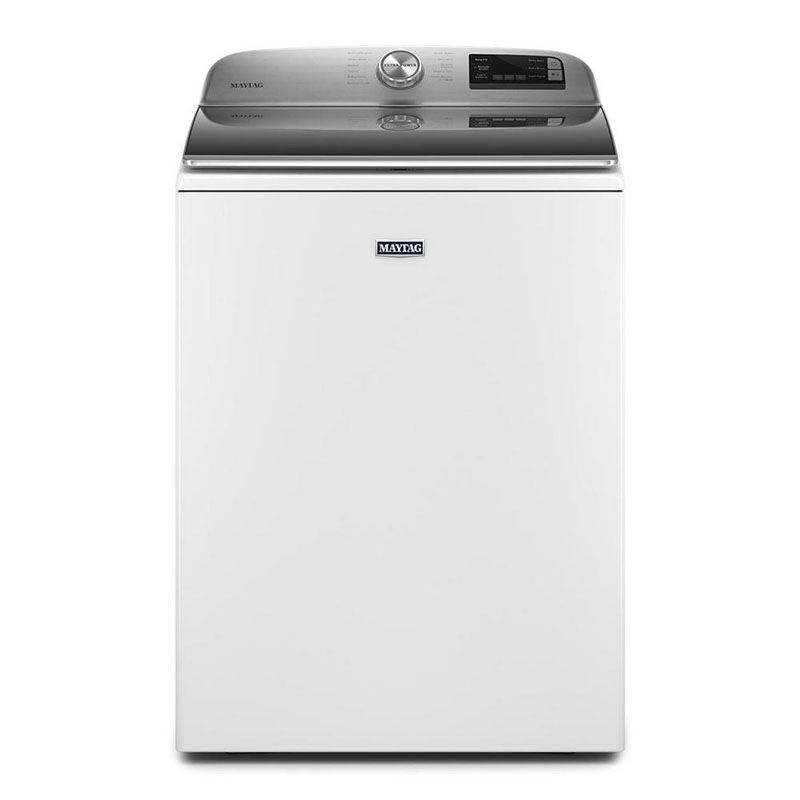
Credit: www.pcrichard.com
Frequently Asked Questions On Washing Machines Impeller Vs Agitator
Which Is Better Agitator Or Impeller Washer?
An agitator washer is better for heavy-duty cleaning, while an impeller washer is gentler on clothes. Both have their pros and cons, so the choice depends on your laundry needs.
What Is The Disadvantage Of Impeller Washing Machine?
The disadvantage of an impeller washing machine is that it can be rough on delicate fabrics.
Is It Better To Get A Washer With Or Without An Agitator?
A washer without an agitator is better as it reduces wear and tear on clothes and is gentler on fabrics. It also allows for larger loads and better cleaning performance, making it a preferred choice for many households.
Do Impeller Washers Tangle Clothes?
Impeller washers generally do not tangle clothes because they use a low-profile agitator or impeller instead of a traditional central agitator. This design reduces the risk of garments becoming entangled during the washing process.
Conclusion
After exploring the difference between impeller and agitator washing machines, it’s clear they each offer unique benefits. Consider your laundry needs carefully to choose the best option for your home. Ultimately, both impeller and agitator washers aim to provide efficient and effective cleaning solutions.