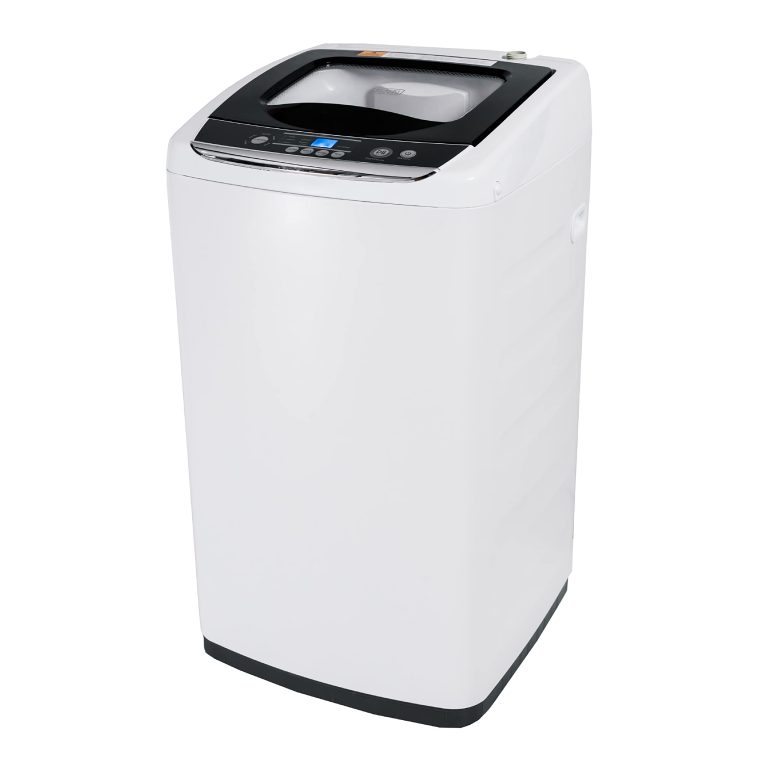
Washing by hand requires more effort than using a washing machine. In comparison, the convenience of a washing machine makes it the preferred choice for most households.
Washing clothes is an essential task in our daily lives, and the method chosen can make a significant impact on our time, energy, and overall satisfaction. While traditional hand washing may seem nostalgic, the advent of washing machines has revolutionized laundry routines.
The key difference lies in the level of effort required: washing machines automate the process, whereas hand washing demands manual labor. Understanding the pros and cons of each can help determine the best approach for you. We will explore the benefits and drawbacks of both methods. So, let’s delve into the world of washing by hand and washing machines, and discover the most efficient way to keep your clothes clean and fresh.
The History Of Washing Clothes
Exploring the history of washing clothes unveils fascinating insights into how societies across the centuries tackled the ongoing challenge of keeping their garments clean and fresh. From early manual methods to the groundbreaking invention of the washing machine, the evolution of laundry techniques is a testament to human ingenuity and the quest for convenience. Let’s delve into the details!
Early Methods
In ancient times, washing clothes was an arduous and time-consuming task that relied on sheer physical strength. The earliest known method involved pounding the garments against rocks or scrubbing them vigorously with rough brushes. The Romans, who were pioneers in hygiene, preferred to soak their clothes in a mixture of water and specialized detergents made from soapwort plants. This method helped remove dirt and stains, although it still demanded substantial manual labor.
During medieval times, laundry was often done by professional washerwomen who gathered near rivers or public washing areas. These skilled individuals would beat and rinse the clothes using wooden planks, stones, or simple wooden washboards. The combination of physical force and natural detergents made from ashes or animal fats ensured that clothes were reasonably clean.
The Invention Of The Washing Machine
The transition from painstaking manual labor to convenient mechanical washing began in the late 18th century with the invention of the washing machine. In 1767, German engineer Jacob Christian Schäffer designed a wooden device equipped with a hand crank and rotating perforated cylinders. This early washing machine represented a major leap forward, reducing the time and effort required for laundry tasks.
The true transformation, however, occurred during the Industrial Revolution in the 19th century. The development of steam power and harnessing water and energy propelled the rise of mechanical washing machines. In 1851, American inventor James King introduced a simple but effective machine that used a drum, agitator, and soapy water to clean clothes. This innovation laid the groundwork for subsequent advancements, including the first electric washing machine patented in 1901 by Alva Fisher.
| Year | Invention |
|---|---|
| 1767 | Jacob Christian Schäffer invents a hand-cranked washing machine |
| 1851 | James King’s design introduces the drum and agitator |
| 1901 | Alva Fisher patents the first electric washing machine |
From these humble beginnings, washing machines have undergone continuous improvements, incorporating innovative features such as various wash cycles, automatic detergent dispensers, and energy-efficient designs. Today, they are an indispensable appliance in households worldwide, providing unparalleled convenience and freeing us from the laborious task of hand-washing our clothes.
The Hand Washing Process
The traditional method of hand washing clothes involves a series of simple yet effective steps. It is a skill that has been passed down through generations and is still practiced by many individuals today.
Traditional Methods
- Fill a basin or tub with water and add mild detergent.
- Separate clothes by color and fabric type.
- Soak each garment in the soapy water and gently agitate them to loosen dirt.
- Scrub stains and heavily soiled areas with a soft brush.
- Rinse thoroughly with clean water to remove all detergent.
- Gently squeeze out excess water without wringing to avoid damage.
- Air dry your clothes away from direct sunlight to prevent fading.
Benefits Of Hand Washing
- Preserves the quality and longevity of delicate fabrics.
- Saves energy and water compared to machine washing.
- Allows for individual care and attention to each garment.
- Reduces wear and tear on clothes, leading to less frequent replacements.
- Environmental friendly by avoiding electricity and excess water consumption.
The Washing Machine Process
Evolution Of Washing Machines
Washing machines have come a long way in revolutionizing laundry processes.
Advantages And Limitations
Washing machines offer convenient and efficient cleaning but come with their own set of limitations.
Comparing The Results
Comparing hand washing and machine washing reveals distinct results in terms of energy usage and cleanliness. Hand washing is more eco-friendly and gentle on delicate fabrics, while a washing machine is more efficient and practical for large loads. Each method has its own advantages, and the best choice depends on individual preferences and needs.
Cleanliness And Hygiene
Washing our clothes to keep them clean and free from germs is a top priority for many of us. When comparing the results between washing by hand and using a washing machine, cleanliness and hygiene are key factors to consider. While washing machines have advanced technology designed to remove dirt and stains efficiently, hand washing allows us to have more control over the cleaning process. When washing by hand, we can pay extra attention to heavily stained areas or delicate fabrics that might require gentler treatment. It enables us to ensure that every part of the clothing item is thoroughly cleaned. However, washing machines offer their own advantages when it comes to cleanliness. They have the ability to agitate the clothes vigorously, creating a more thorough cleaning action. Additionally, the use of detergents and fabric softeners can enhance the cleanliness and give a fresh scent to the clothes. To maintain optimum hygiene, it’s essential to consider factors such as water temperature and detergent usage for both hand washing and machine washing. Proper rinsing is also crucial to remove any residual soap or dirt. Regardless of the method chosen, cleanliness and hygiene can be achieved through careful attention to detail.Impact On Clothing Longevity
Preserving the longevity of our clothes is another vital aspect when comparing hand washing with machine washing. Each method has its own effects on the durability and lifespan of our garments. Hand washing, by its nature, involves gentle handling of the clothes. This delicate approach can be beneficial for delicate fabrics, sensitive materials, or clothing items with intricate detailing. By avoiding the harsh agitation and tumbling that occur in washing machines, hand washing helps to minimize stress on the fibers, reducing the risk of stretching, shrinking, or damage. On the other hand, using a washing machine might lead to more wear and tear on the clothing. The mechanical action and the forceful spinning of the machine can cause friction against other garments or the drum surface, potentially causing fabric deterioration or pilling. However, modern washing machines often feature specialized cycles, such as delicate or wool, that are designed to reduce the impact on clothing longevity. To extend the lifespan of our clothes, we can implement certain practices with both hand washing and machine washing. Gentle wringing, air drying, and avoiding excessive use of detergents or harsh chemicals are essential steps for preserving the integrity of our garments. By understanding the impact each method has on clothing longevity, we can choose the most suitable option to ensure our favorite clothes stand the test of time.Eco-friendliness And Sustainability
When it comes to the eco-friendliness and sustainability of washing by hand versus using a washing machine, there are several factors to consider. Making an informed choice can significantly impact the environment and our natural resources. Let’s explore the impact of both methods under the following headings.
Water And Energy Usage
When washing by hand, individuals have more control over the amount of water used in each cycle. This can lead to a decrease in overall water consumption compared to using a washing machine, which typically requires a fixed amount of water per cycle. By washing clothes by hand, you can minimize energy consumption, as it doesn’t rely on electricity or gas power. Additionally, utilizing a drying rack instead of a machine can further reduce energy usage associated with laundry.
Environmental Impact
Washing machines contribute to the use of electricity and water, and some models utilize harmful chemicals in the washing process. While modern washing machines are becoming more energy and water-efficient, hand washing still has the upper hand in terms of reducing environmental impact. Choosing eco-friendly detergents and washing at lower temperatures can also improve the sustainable aspect of hand washing.

Credit: www.amazon.com
The Time And Effort Factor
When it comes to the debate on washing by hand versus using a washing machine, the time and effort factor plays a critical role. Understanding how each method affects time management and physical exertion can help individuals make informed decisions tailored to their lifestyle and preferences.
Time Management
Washing by hand requires careful planning and allocation of time as each garment needs to be individually washed, rinsed, and wrung out. The process can be time-consuming, especially when dealing with larger loads of laundry.
Using a washing machine, on the other hand, saves considerable time and allows for multitasking as the machine handles the washing, rinsing, and spinning processes simultaneously.
Physical Exertion
Washing by hand demands significant physical effort, as garments must be agitated and squeezed to remove dirt and excess water. This can be particularly strenuous when dealing with heavy or large items such as bedding and curtains.
Using a washing machine minimizes physical exertion as the machine automates the majority of the washing process, requiring minimal manual labor from the user.
Cost Comparison
Comparing the cost of hand washing versus using a washing machine can help consumers make informed choices. It is important to factor in the expenses of water, detergent, and electricity when comparing the costs of both methods. Additionally, considering the time and effort saved with a washing machine can also contribute to overall savings.
One of the key considerations when deciding between washing by hand or using a washing machine is the cost. Both options come with their own set of expenses, which we will discuss in detail below.
Initial Investment
When it comes to the initial investment, washing by hand seems to have the upper hand. All you really need is a good quality laundry detergent, a sink or basin, and some elbow grease. These items can be easily found at an affordable price, making handwashing a cost-effective choice for those on a tight budget.
On the other hand, purchasing a washing machine requires a substantial initial investment. While there are budget-friendly options available, it’s important to note that the quality and features may not be as robust as higher-priced models. It’s worth considering your long-term needs and budget constraints before making this investment.
Operational Expenses
When it comes to operational expenses, the cost of using a washing machine may exceed that of handwashing. With a washing machine, you need to factor in electricity or gas costs for running the appliance. Additionally, if you use a dryer, it will further increase your energy expenses.
Handwashing, on the other hand, requires no additional energy costs. You use your own physical energy to scrub and rinse the clothes. This can be a cost-saving advantage, especially in households with high laundry frequency.
Moreover, if you choose to line dry your clothes after handwashing, it eliminates the need for a dryer altogether. This can significantly lower your energy expenses over time.

Credit: www.wsj.com
The Debate: Which Is Better?
Considering Individual Preferences:
Hand washing allows for more control over delicate fabrics.
Machine washing is quicker and more convenient for large loads.
Making an Informed Decision:
- Consider fabric type and care instructions.
- Evaluate time, energy, and water usage.
- Assess your lifestyle and laundering habits.
Credit: www.candy-home.com
Frequently Asked Questions On Washing By Hand Vs Washing Machine
Is It Better To Wash Clothes By Hand Or Washing Machine?
Washing clothes by machine is better. It saves time and effort. The machine cleans thoroughly and is more efficient. It also protects the fabric quality.
Is Washing Machine As Good As Hand Wash?
Washing machines can effectively clean clothes as well as hand washing, saving time and effort.
Is It Cheaper To Hand Wash Or Use A Washing Machine?
It is generally cheaper to use a washing machine rather than hand washing due to lower water and energy usage.
Does Hand Washing Clean Better?
Hand washing is more effective at cleaning as it removes dirt, germs, and bacteria from your hands. It helps prevent the spread of infections and diseases, keeping you and others safe. Regular hand washing with soap and water is a simple yet powerful way to maintain good hygiene.
Conclusion
Considering the advantages and disadvantages of hand washing and using a washing machine, it is evident that both methods have their own merits. While hand washing allows for delicate care and control over the process, washing machines offer convenience and time-saving benefits.
Ultimately, the decision boils down to personal preferences, available resources, and laundry needs. Regardless of the method chosen, ensuring proper cleaning and maintenance is crucial for prolonging the lifespan of clothes. Happy laundering!