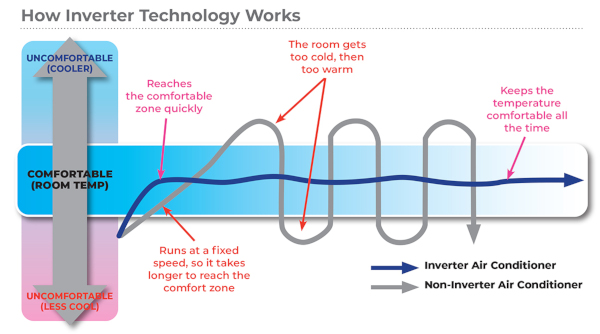
Variable speed air conditioners offer the same benefits as two-stage systems, but with added advantages. They are quieter, provide better air filtration, and have a longer lifespan.
On the other hand, two-stage air conditioners tend to be more expensive and larger in size. Overall, variable speed air conditioners are a smarter choice as they provide enhanced performance and efficiency. They operate at lower rates, resulting in reduced energy consumption and lower cooling costs.
Additionally, they offer a more consistent and comfortable indoor environment. In comparison, two-stage units may not run as continuously as variable speed ACs, but they still offer some benefits over single-stage systems.

Credit: indoortemp.com
Comparison Of Performance
For optimum performance, choosing a Variable Speed over a 2-Stage Air Conditioner offers enhanced efficiency and quieter operation. Variable Speed systems excel in filtration and longevity, providing superior comfort and longevity compared to 2-Stage models.
Efficiency Ratings
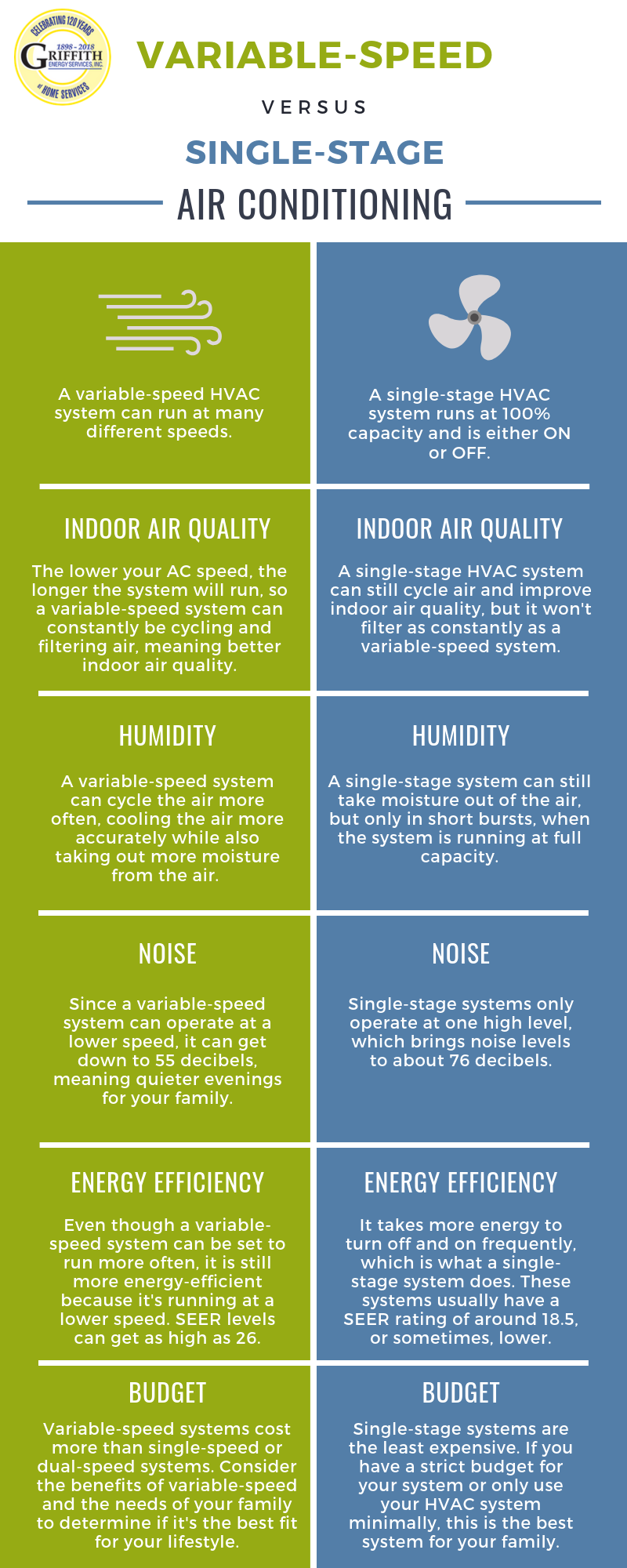
Variable speed air conditioners have higher efficiency ratings compared to two-stage systems. This means that they can cool your home more effectively while using less energy. The efficiency rating of an air conditioner is measured by its Seasonal Energy Efficiency Ratio (SEER). Variable speed ACs typically have SEER ratings ranging from 18 to 24, while two-stage ACs have SEER ratings between 14 and 20. This difference in efficiency can result in significant energy savings and lower cooling bills in the long run.Noise Levels
When it comes to noise levels, variable speed air conditioners are the clear winner. These units operate at lower speeds most of the time, resulting in quieter operation compared to two-stage systems. This is especially beneficial if you value a peaceful and quiet environment in your home. Variable speed ACs produce noise levels as low as 55 decibels, whereas two-stage ACs can range from 60 to 70 decibels. So, if noise is a concern for you, a variable speed air conditioner is the way to go.Air Filtration
Both variable speed and two-stage air conditioners contribute to improved indoor air quality. However, variable speed ACs offer superior air filtration capabilities. These units have advanced filtration systems that can capture small particles, allergens, and pollutants more effectively. This is particularly beneficial for individuals with allergies, asthma, or respiratory conditions. With a variable speed air conditioner, you can enjoy cleaner and healthier indoor air.Durability
When it comes to durability, variable speed air conditioners tend to outlast two-stage systems. These units are designed to operate at lower speeds for longer periods, reducing wear and tear on the components. This prolonged lifespan translates to less frequent repairs and lower maintenance costs. On the other hand, two-stage ACs may experience more frequent breakdowns due to their higher operating speeds. Investing in a variable speed air conditioner can ensure a reliable and long-lasting cooling system for your home. In conclusion, when comparing the performance of variable speed and two-stage air conditioners, it is evident that variable speed units offer several advantages. They are highly efficient, operate quietly, provide superior air filtration, and have a longer lifespan. If you are looking for a top-performing and energy-efficient air conditioning system, a variable speed air conditioner is the ideal choice.Cost Comparison
When considering Variable Speed vs. 2 Stage Air Conditioners, understanding the cost implications is crucial. Below, we break down the costs associated with these two types of AC systems.
Initial Cost
Variable Speed AC: Initial cost is higher due to advanced technology.
2 Stage AC: Lower initial cost compared to variable speed systems.
Operating Cost
- Variable Speed AC: Higher efficiency leads to lower monthly energy bills in the long run.
- 2 Stage AC: Moderately efficient, resulting in slightly higher operating costs compared to variable speed systems.
Pros And Cons
Variable speed air conditioners offer the same advantages as two-stage systems but with additional benefits. They are more energy-efficient, quieter, have better air filtration, and tend to have a longer lifespan. However, two-stage air conditioners can be more expensive and larger in size compared to single-stage units.
Choosing the right air conditioner for your home can be a daunting task. Understanding the pros and cons of each option can help you make an informed decision. Let’s take a closer look at the advantages and disadvantages of single-stage, two-stage, and variable-speed air conditioners.Pros Of Single Stage Air Conditioners
- Simple and economical to install
- Lower initial cost
- Generally easy to maintain and repair
Cons Of Single Stage Air Conditioners
- Less energy efficient
- More temperature fluctuations
- Can be noisier
Pros Of Two-stage Air Conditioners
- Enhanced energy efficiency
- Improved temperature control
- Generally quieter operation
Cons Of Two-stage Air Conditioners
- Higher initial cost
- Require more space
- Can be heavier
Pros Of Variable Speed Air Conditioners
- Optimal energy efficiency
- Precision temperature control
- Quieter operation
Cons Of Variable Speed Air Conditioners
- Higher initial investment
- Complex technology may require specialized maintenance
- May not be suitable for smaller spaces
Credit: www.griffithenergyservices.com
Which One To Choose In Different Scenarios
When it comes to choosing an air conditioner, the decision between a variable speed and a two-stage system can be influenced by various factors. Each option offers distinct advantages, making it essential to consider different scenarios to make the right choice. Here are the ideal scenarios for selecting either a variable speed or a two-stage air conditioner.
For Cost Conscious Consumers
For those on a tighter budget, a two-stage air conditioner may not be the most economical choice. The upfront cost of purchasing and installing a two-stage system is higher compared to a variable speed system. However, in the long run, the energy-efficient performance of a two-stage air conditioner can lead to cost savings on energy bills, making it a worthwhile investment for those willing to prioritize long-term savings over initial spending.
For Maximum Comfort
When it comes to achieving optimal comfort levels, a two-stage air conditioner is a preferred choice. With its ability to operate at two different capacities, a two-stage system responds effectively to varying cooling demands, maintaining consistent indoor temperatures and humidity levels. This feature ensures maximum comfort for homeowners in diverse weather conditions, making it an ideal option for those who prioritize a comfortable living environment.
For Energy Efficiency
For homeowners focused on reducing energy consumption and cost, a variable speed air conditioner is the most energy-efficient option to choose. The ability of a variable speed system to adjust its output according to the cooling needs results in improved energy efficiency and lower electricity bills. Furthermore, the consistent airflow and gradual temperature adjustments provided by variable speed technology contribute to enhanced energy efficiency, making it an environmentally friendly and cost-effective choice.

Credit: indoortemp.com
Frequently Asked Questions For Variable Speed Vs 2 Stage Air Conditioner
Is Variable Speed Better Than 2 Stage?
Variable speed air conditioners are generally a better choice than two-stage systems as they offer enhanced benefits such as improved efficiency, quieter operation, better air filtration, and longer lifespan.
What Are The Disadvantages Of A 2 Stage Air Conditioner?
Disadvantages of a 2 stage air conditioner include higher cost and larger size compared to single stage units.
What Is The Difference Between Variable Speed And 2 Stage Blower?
Variable speed blowers adjust airflow, resulting in more precise temperature and humidity control. Two stage blowers operate at high and low speeds for improved comfort and energy efficiency.
Is A Variable Speed Ac Worth It?
A variable speed AC is worth it because it offers the same benefits as a two-stage system, but to a greater extent. It operates at lower rates, resulting in quieter operation and cheaper cooling bills. Additionally, variable speed ACs are highly energy-efficient and tend to last longer.
Conclusion
Choosing between a variable speed and two-stage air conditioner depends on budget and preferences. Variable speed units offer enhanced efficiency and longevity, while two-stage systems provide similar benefits at a slightly higher cost. Consider your needs and consult with a professional before making a decision.