Two-stage air conditioners offer better efficiency, humidity control, and quieter operation compared to single-stage units. They are worth considering for those looking to upgrade their AC system.
However, not everyone may have the budget for a two-stage air conditioner. It is important to weigh the benefits against the cost before making a decision. Two-stage AC units have a compressor that can operate at two distinct speeds, allowing for more flexibility in temperature control.
On the other hand, single-stage units have a compressor that only works at one level of operation. Understanding the differences between these two types of air conditioners can help homeowners make an informed choice when upgrading their cooling system.
Understanding Two-stage Air Conditioners
Considering the debate between two-stage and single-stage air conditioners, it’s crucial to understand that two-stage units offer better efficiency, humidity control, and quieter operation compared to single-stage units. Although they may come at a higher upfront cost, the long-term energy savings and comfort benefits make them worth considering.
How Do Two-stage Air Conditioners Work?
A two-stage air conditioner has a compressor that can operate at two distinct speeds. Unlike single-stage air conditioners that only have one speed at which they operate, two-stage AC units have a low-speed and a high-speed mode. In the low-speed mode, the air conditioner runs at a reduced capacity, providing a slower and steady cooling process. The high-speed mode is activated when the demand for cooling increases, providing rapid and efficient cooling.
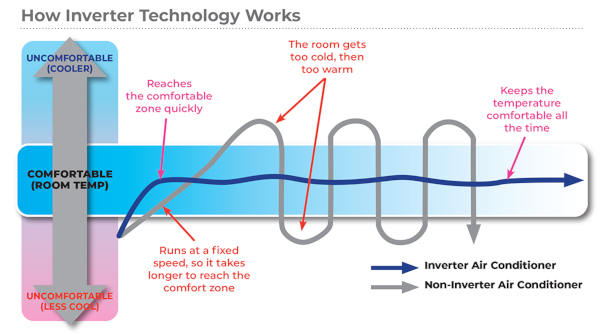
The two-stage compressor automatically adjusts its speed based on the temperature inside and outside your home. This allows the unit to work more efficiently, keeping a consistent temperature and reducing energy wastage. By running at a lower speed during milder weather conditions, two-stage air conditioners save energy and provide better humidity control.
Advantages Of Two-stage Air Conditioners
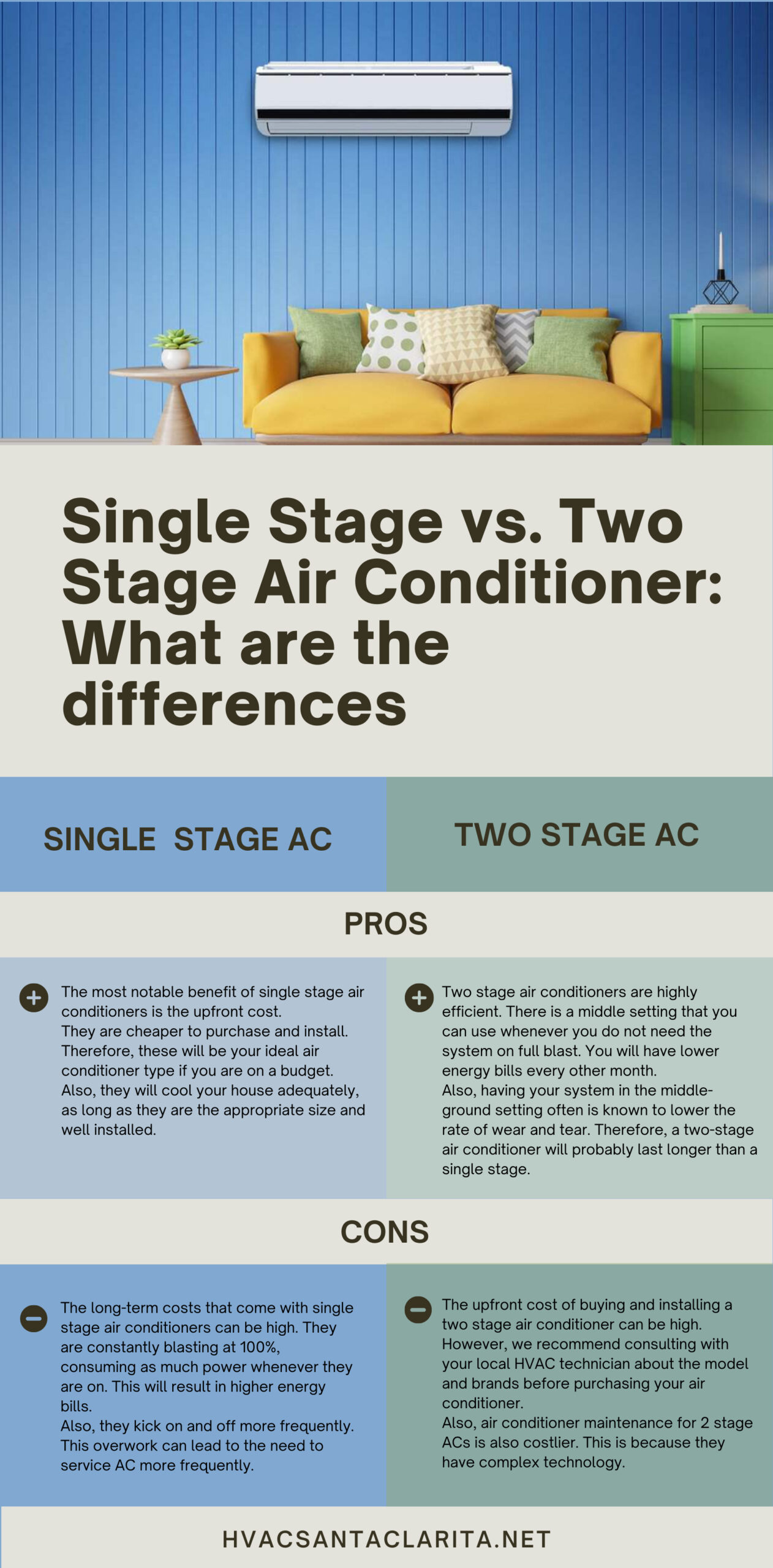
- Increased energy efficiency: Two-stage air conditioners run at a lower speed most of the time, which means they consume less energy compared to single-stage units.
- Better humidity control: The longer and slower cooling cycles of two-stage ACs help maintain optimal humidity levels, creating a more comfortable indoor environment.
- Quieter operation: Since two-stage air conditioners do not need to operate at full capacity all the time, they produce less noise, providing a quieter and more peaceful living space.
- Improved temperature consistency: With its ability to adjust speed based on outdoor temperature and cooling demands, a two-stage AC unit can maintain a more even and stable indoor temperature.
Disadvantages Of Two-stage Air Conditioners
- Higher upfront cost: Two-stage air conditioners tend to be more expensive compared to single-stage units due to the advanced technology and additional components required.
- Complexity of repair: If any issues arise with the two-stage compressor, repairs can be more complex and costly compared to single-stage units.
- Not necessary for all homes: Homes in regions with milder climates might not benefit as much from two-stage air conditioners compared to areas with extreme temperature fluctuations.
- Not suitable for small spaces: Two-stage air conditioners are more efficient in larger spaces where they can adequately distribute cooled air.
Understanding Single Stage Air Conditioners
Single stage air conditioners operate with a compressor that has only one fixed speed. When the indoor temperature rises above the set point, the compressor kicks in at full capacity to cool the air. Once the desired temperature is reached, the compressor shuts off until the next cycle.
- Cost-effective: Single stage units are generally more affordable upfront compared to two-stage units.
- Simple operation: Easy to use and maintain with fewer components.
- Quick cooling: Provides rapid cooling within the single operating stage.
- Energy inefficiency: Constantly runs at full capacity, leading to higher energy consumption.
- Temperature fluctuations: Less precise temperature control may result in minor fluctuations.
- Noisy operation: The on/off cycle can create noticeable noise levels.
Efficiency And Performance Comparison
Comparing a two-stage air conditioner to a single-stage AC reveals efficiency benefits with improved humidity control and quieter operation. Two-stage units offer better temperature regulation and energy savings for those willing to invest.
It’s essential to understand the differences in efficiency and performance when comparing two-stage and single-stage air conditioners. Let’s delve into the specifics and explore the key factors that set them apart. Energy efficiency of two-stage air conditioners Two-stage air conditioners are designed to operate at two levels of cooling output: a lower setting for milder days and a higher setting for hotter days. This flexibility allows the system to match the cooling demands more precisely, resulting in enhanced energy efficiency and reduced energy consumption. Energy efficiency of single-stage air conditioners Conversely, single-stage air conditioners have only one operating setting, which means they are either running at full capacity or not at all. While they are effective at cooling, their energy efficiency is comparatively lower, as they do not adjust their output based on the varying cooling needs. Performance comparison between two-stage and single-stage air conditionerstwo-stage air conditioners have the upper hand. They provide better humidity control, quieter operation, and more consistent temperatures compared to their single-stage counterparts. On the other hand, single-stage air conditioners may struggle to maintain consistent temperatures and can lead to increased humidity levels, especially during mild weather conditions. In conclusion, the enhanced energy efficiency and superior performance of two-stage air conditioners make them a compelling choice for homeowners looking to optimize their indoor comfort while minimizing energy costs.
Credit: indoortemp.com
Cost Considerations
Cost Considerations Initial cost of two-stage air conditionersInitial Cost Of Two-stage Air Conditioners
Two-stage air conditioners come at a higher initial cost due to their advanced technology and capability to operate at two different output levels. The cost of a two-stage AC unit typically ranges from $3000 to $6000, depending on the brand and capacity.
Initial cost of single stage air conditionersInitial Cost Of Single Stage Air Conditioners
Single-stage air conditioners are generally more affordable in terms of initial cost compared to their two-stage counterparts. The price of a single-stage air conditioner typically falls within the range of $2000 to $4000, making it a budget-friendly option for homeowners.
Long-term cost savings with two-stage air conditionersLong-term Cost Savings With Two-stage Air Conditioners
Despite the higher initial investment, two-stage air conditioners offer long-term cost savings through enhanced energy efficiency. With the ability to adjust output based on cooling demands, two-stage AC units can lower energy consumption, resulting in reduced monthly utility bills. Additionally, the improved temperature and humidity control provided by two-stage air conditioners contribute to a more comfortable indoor environment, potentially reducing the need for additional cooling solutions.
Humidity Control And Comfort
When it comes to creating a comfortable indoor environment, humidity control plays a crucial role. Two-stage and single stage air conditioners differ in their ability to regulate humidity levels, impacting the overall comfort of your living space.
Humidity Control With Two-stage Air Conditioners
Two-stage air conditioners excel in maintaining optimal humidity levels in your home. With their ability to operate at two different speeds, these units can more efficiently remove moisture from the air, leading to a drier and more comfortable indoor environment.
Humidity Control With Single Stage Air Conditioners
On the other hand, single stage air conditioners have a limited capacity to control humidity. These units typically run at full capacity whenever they are on, which may not effectively address humidity issues, resulting in a less comfortable living space.
Comfort Benefits Of Two-stage Air Conditioners
Two-stage air conditioners not only provide superior humidity control but also offer enhanced comfort through their ability to adjust cooling levels based on the current temperature. This results in more consistent and even cooling throughout your home, ensuring a comfortable environment for all occupants.
Credit: www.dhontario.com
Noise Level And Soundproofing
Noise Level Of Two-stage Air Conditioners
One of the key advantages of a two-stage air conditioner is its lower noise level compared to single stage units. When operating at the lower speed, two-stage ACs produce significantly less noise, allowing for a quieter and more comfortable indoor environment.
According to experts, two-stage air conditioners typically operate at around 68 to 72 decibels, which is equivalent to the noise level of a normal conversation or the background noise in a restaurant. This makes them ideal for bedrooms, living rooms, or any other area where noise levels need to be kept to a minimum.
In addition to the lower noise level, two-stage air conditioners also provide better humidity control. Their ability to run at a lower speed for longer periods allows for more effective dehumidification, reducing the chance of mold growth and creating a more comfortable atmosphere.
Noise Level Of Single Stage Air Conditioners
While single stage air conditioners are generally more affordable than their two-stage counterparts, they tend to produce higher noise levels. Single stage units operate at a fixed speed, which means that they run at full power all the time, producing more noise.
The noise level of single stage air conditioners can vary between 70 and 80 decibels, which is equivalent to the noise level of a vacuum cleaner or a busy street. This higher noise level can become a nuisance, especially in quieter areas or during nighttime when lower noise levels are desired.
It’s important to note that although single stage air conditioners may be noisier, they are still effective in cooling the space. However, if noise levels are a concern, especially in areas like bedrooms or living rooms, considering a two-stage air conditioner might be a better option.
Tips For Soundproofing Air Conditioner Units
If you are looking to minimize noise from your air conditioner, soundproofing techniques can help create a quieter environment. Here are some effective tips for soundproofing air conditioner units:
- Insulate the walls: Adding insulation to the walls surrounding your air conditioner can help reduce noise transmission. Use materials like foam panels or acoustic blankets to absorb sound waves and prevent them from traveling to other parts of the room.
- Use vibration pads: Place vibration pads under the air conditioner unit to minimize vibration noise. These pads help absorb vibrations and prevent them from being transferred to the floor or walls.
- Install noise barriers: Consider installing noise barriers around the air conditioner, such as acoustic curtains or soundproofing panels. These barriers act as a barrier, absorbing and blocking the noise generated by the unit.
- Apply weatherstripping: Apply weatherstripping around the air conditioner unit to seal any gaps or openings. This not only helps with soundproofing but also improves energy efficiency by preventing cold air from escaping and warm air from entering.
- Position the unit strategically: Place the air conditioner away from areas where noise can be disruptive, such as bedrooms or living rooms. Additionally, ensure that the unit is properly maintained and free from any loose or vibrating parts that may contribute to noise.
By implementing these soundproofing techniques, you can significantly reduce the noise generated by your air conditioner and create a more peaceful and comfortable living environment.
Which Is Better: Two-stage Or Single Stage Air Conditioner?
When deciding between two-stage and single-stage air conditioners, it’s essential to consider various factors that can impact the performance and efficiency of your cooling system.
Factors To Consider When Choosing Between Two-stage And Single-stage Air Conditioners
- Energy Efficiency: Two-stage air conditioners are typically more energy-efficient than single-stage units.
- Comfort Levels: Two-stage ACs provide better humidity control and temperature regulation.
- Cost: Two-stage systems are usually more expensive upfront but may save on energy bills in the long run.
- Maintenance: Single-stage units may require less maintenance compared to two-stage ACs.
Ideal Scenarios For Each Type Of Air Conditioner
| Single-Stage Air Conditioner | Two-Stage Air Conditioner |
|---|---|
| Ideal for smaller spaces or occasional use. | Suitable for larger homes with varying cooling needs. |
| Cost-effective for budget-conscious consumers. | Preferred for those seeking enhanced comfort and energy savings. |
| Simple operation and maintenance. | Offers superior humidity control and temperature consistency. |
Credit: hvacsantaclarita.net
Frequently Asked Questions For Two Stage Vs Single Stage Air Conditioner
Is A 2 Stage Ac Better Than Single Stage?
A two-stage AC is better than a single stage because it offers better efficiency, humidity control, and quieter operation. It reduces energy consumption and provides better temperature and humidity control. However, it may require a higher upfront budget.
Is A 2 Stage Ac Worth The Extra Money?
A two-stage AC is worth the extra money if you want better efficiency, humidity control, and quieter operation compared to a standard single-stage AC. It reduces energy consumption and provides better temperature and humidity control. However, it may not be suitable for everyone due to the upfront cost.
How Do I Know If I Have 1 Stage Or 2 Stage Ac?
You can identify a single-stage AC by its one-speed operation, while a two-stage AC has a compressor that functions at two distinct speeds. An HVAC professional can help determine the type of AC system you have.
Do I Need A Two-stage Ac Unit?
For better efficiency, improved humidity control, and quieter operation, consider upgrading to a two-stage AC unit.
Conclusion
When deciding between two-stage and single-stage air conditioners, consider efficiency, humidity control, and noise levels. Two-stage units offer enhanced performance and comfort, but may require a higher upfront cost. Choose based on your budget and priority for energy savings and comfort in your home.