A refrigerator, fridge, and freezer are all types of appliances used for storing food at low temperatures. Refrigerator is the overall appliance that contains both the fridge and freezer compartments.
The fridge is used to store fresh food items, while the freezer is for storing frozen foods. These appliances play a crucial role in preserving food and extending its shelf life. Understanding the differences between a refrigerator, fridge, and freezer can help you make informed choices when it comes to food storage and organization.
Let’s delve deeper into the distinct purposes and functions of these essential kitchen appliances.
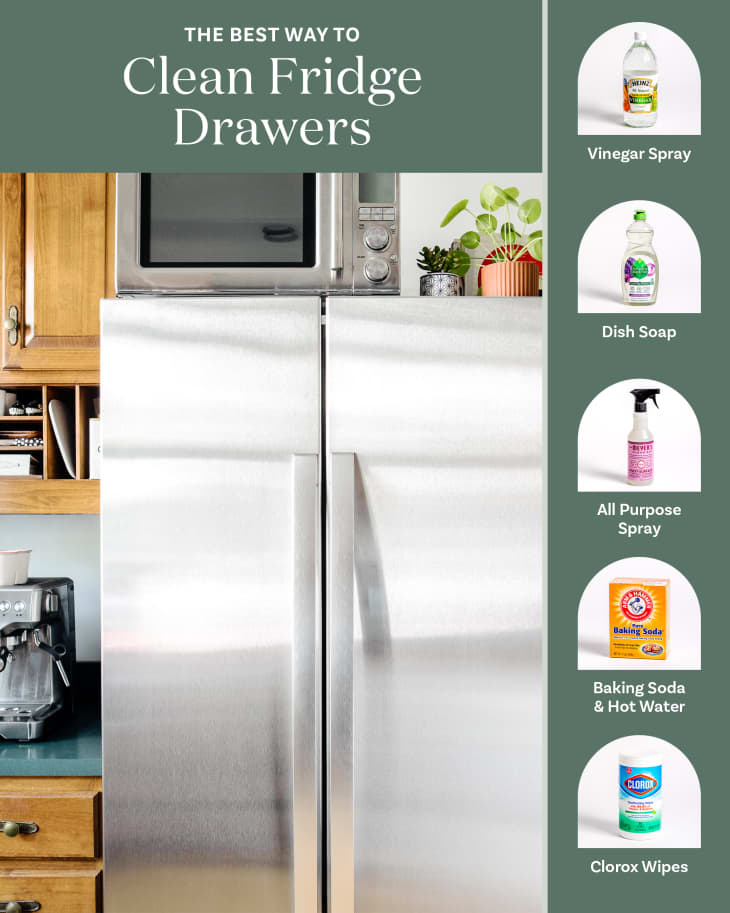
Credit: www.thekitchn.com
Historical Evolution
The historical evolution of refrigerators, fridges, and freezers has transformed the way we store and preserve food. These appliances have undergone significant changes over time, enabling us to conveniently keep our food fresh for longer periods.
The historical evolution of refrigeration has played a pivotal role in shaping the way we preserve our food. From early crude cooling methods to the invention of the modern fridge and freezer, the development has been instrumental in extending the shelf life of perishable items.Early Refrigeration Methods
The concept of refrigeration dates back to ancient times when natural ice and snow were used to preserve food. In the 18th century, people began using icehouses to store ice collected during the winter months for summer use. This primitive method laid the foundation for more advanced refrigeration technologies.Invention Of Fridge And Freezer
The late 19th century saw significant advancements in refrigeration technology, leading to the invention of the first commercial refrigerator by Carl von Linde in 1876. This breakthrough paved the way for the mass production and adoption of household refrigerators. In the 1940s, the introduction of the home freezer compartment revolutionized food storage, offering consumers the ability to store frozen foods for extended periods. The evolution of refrigeration technology has been a remarkable journey, transforming the way we store and preserve food. From ancient cooling techniques to the modern-day refrigerator and freezer, the quest for effective food preservation continues to drive innovation in the realm of refrigeration.
Credit: www.pcmag.com
Functionality
Refrigerators, fridges, and freezers serve different purposes in our daily lives. From preserving food to storing ice creams, each appliance offers unique functionality based on our needs and preferences.
Refrigerator Basics
Fridge Features
Freezer Functions
The functionality of refrigerators, fridges, and freezers plays a vital role in our daily lives, enabling us to store food and keep it fresh for longer periods.
Refrigerator Basics
A refrigerator is designed to maintain a cool temperature above freezing, typically ranging from 34 to 40°F, ideal for perishable items like fruits, vegetables, dairy products, and beverages.
Fridge Features
A fridge refers to the main compartment in a refrigerator where most fresh food is stored. It typically includes adjustable shelves, crispers for fruits and veggies, and doors for easy access to commonly used items.
Freezer Functions
A freezer is a separate compartment within a refrigerator that maintains sub-zero temperatures, allowing for long-term storage of frozen foods such as meats, prepared meals, and ice cream. Some freezers may have multiple compartments for better organization.
Storage Capacities
The storage capacities of refrigerators, fridges, and freezers are essential factors to consider when choosing the right appliance for your needs. Understanding the differences between their storage capacities can help you make an informed decision. Let’s take a closer look at the individual storage capacities of refrigerators, fridges, and freezers.
Refrigerator Capacity
A refrigerator is a kitchen appliance designed for storing food at a cool temperature to prevent spoilage. It typically consists of both fridge and freezer compartments. The refrigerator capacity refers to the available storage space in the fridge compartment.
The refrigeration capacity varies from model to model, but on average, a refrigerator typically offers between 10 to 25 cubic feet of storage space. This capacity is suitable for storing perishable items such as fruits, vegetables, dairy products, and beverages. Additionally, refrigerators often feature adjustable shelves and door compartments to maximize storage efficiency.
Fridge Storage
While the terms refrigerator and fridge are often used interchangeably, there is a distinction between the two. A fridge is a smaller version of a full-sized refrigerator, designed specifically for storing perishable food items.
Most fridges offer a storage capacity ranging from 4 to 10 cubic feet, making them ideal for smaller spaces like apartments, dorm rooms, and offices. Despite their compact size, modern fridges often feature adjustable shelves and vegetable crispers to facilitate better organization and maximize storage capacity.
Freezer Size
A freezer is a separate compartment within a refrigerator or a standalone appliance that is designed specifically for freezing and storing food at very low temperatures. Freezers are available in a range of sizes to suit different needs.
The size or capacity of a freezer is measured in cubic feet. Standalone freezers usually offer a larger storage capacity compared to the freezer compartment in a refrigerator. The storage capacity of a freezer can range anywhere from 5 to 25 cubic feet, depending on the model. This allows for ample room to store frozen foods such as meat, vegetables, prepared meals, and ice cream.
It’s important to note that some refrigerators offer additional freezer, compartments, such as a top or bottom freezer. These compartments often have a smaller capacity compared to standalone freezers but provide convenience by offering both refrigeration and freezing capabilities in a single appliance.
Energy Efficiency
When it comes to appliances, one important factor to consider is their energy efficiency. In this article, we will explore the energy efficiency of refrigerators, fridges, and freezers. Understanding their energy ratings, efficiency, and power consumption can help you make an informed decision about which appliance is the right choice for your home.
Refrigerator Energy Ratings
Refrigerators are an essential appliance in every household, and their energy consumption can significantly impact your electricity bills. When shopping for a new refrigerator, it’s crucial to pay attention to their energy ratings. These ratings are represented by the Energy Star logo, which indicates that the appliance meets strict energy efficiency guidelines set by the Environmental Protection Agency (EPA).
An Energy Star certified refrigerator is designed with advanced technologies that help reduce energy consumption without compromising performance. These refrigerators often feature superior insulation, efficient compressors, and improved temperature control systems. By opting for an Energy Star refrigerator, you can not only save money on your energy bills but also contribute to a greener environment.
Fridge Efficiency
While the terms “refrigerator” and “fridge” are often used interchangeably, it’s important to note that a fridge is typically a smaller unit used for storing beverages or perishable items. Although fridges may not have the same energy ratings as full-sized refrigerators, their energy efficiency is still an important consideration.
When selecting a fridge, choose one that is appropriately sized for your needs to avoid wasting energy. Additionally, look for fridges with adjustable temperature settings so you can optimize energy usage based on your specific requirements. By making these choices, you can ensure that your fridge operates efficiently and keeps your favorite beverages and perishables fresh.
Freezer Power Consumption
Freezers, on the other hand, are designed specifically for frozen food storage. Like with refrigerators, the power consumption of freezers can vary based on their energy ratings. When purchasing a freezer, consider models that have received the Energy Star certification for optimal energy efficiency.
Freezers with advanced features like automatic defrost, LED lighting, and temperature management systems are more energy-efficient compared to their conventional counterparts. Additionally, choosing a freezer with the appropriate size for your needs can help minimize energy wastage.
Remember, it’s essential to maintain your freezer regularly to ensure its energy efficiency. Regularly defrosting your freezer and cleaning the coils can help improve its performance and reduce energy consumption.
In conclusion, when it comes to the energy efficiency of refrigerator, fridge, and freezer, paying attention to their energy ratings, efficiency features, and power consumption is vital. By investing in energy-efficient appliances, you can not only save money on your utility bills but also contribute to a more environmentally friendly lifestyle.
Usage Scenarios
When choosing between a refrigerator, fridge, or freezer, it’s essential to consider their specific usage scenarios. Each appliance serves a distinct purpose in keeping your food fresh and stored at the optimal temperature.
Refrigerator Applications
A refrigerator is ideal for storing perishable items such as fruits, vegetables, dairy products, and leftovers. It maintains a temperature above freezing to keep food fresh for a longer duration.
Fridge Utilization
The term “fridge” is often used interchangeably with a refrigerator. A fridge is a colloquial term for a compact refrigerator, commonly used in dorm rooms, offices, and small living spaces.
Freezer Practicality
A freezer is designed to preserve food by freezing it at temperatures below 0°F (-18°C). It is perfect for storing items such as meats, pre-cooked meals, and ice cream, extending their shelf life.
Maintenance And Care
Proper maintenance and care of your refrigerator, fridge, and freezer are crucial in ensuring their longevity and efficiency. Regular cleaning, checking seals, and defrosting when needed will keep your appliances running smoothly. Remember to follow manufacturer guidelines for optimal performance.
Maintenance and care are crucial aspects to ensure the longevity and efficiency of your Refrigerator, Fridge, and Freezer. Following proper care tips can extend the lifespan of your appliances significantly.Refrigerator Care Tips
– Clean the refrigerator interior regularly with a mild detergent. – Check and replace the door seals if damaged to prevent air leaks. – Vacuum the condenser coils every six months for optimal cooling. – Ensure proper ventilation around the refrigerator to prevent overheating.Fridge Maintenance
– Defrost the fridge regularly to avoid ice buildup. – Inspect and clean the drainage hole to prevent water accumulation. – Adjust the temperature settings as needed for food preservation. – Organize food items efficiently to allow proper airflow within the fridge.Freezer Cleaning
– Defrost the freezer when ice buildup exceeds half an inch. – Wipe down the freezer interior with a mixture of water and vinegar. – Organize frozen foods in labeled containers for easy access. – Check and clean the freezer door gasket to maintain a tight seal. By following these maintenance and care tips, you can ensure that your Refrigerator, Fridge, and Freezer operate efficiently and effectively for years to come.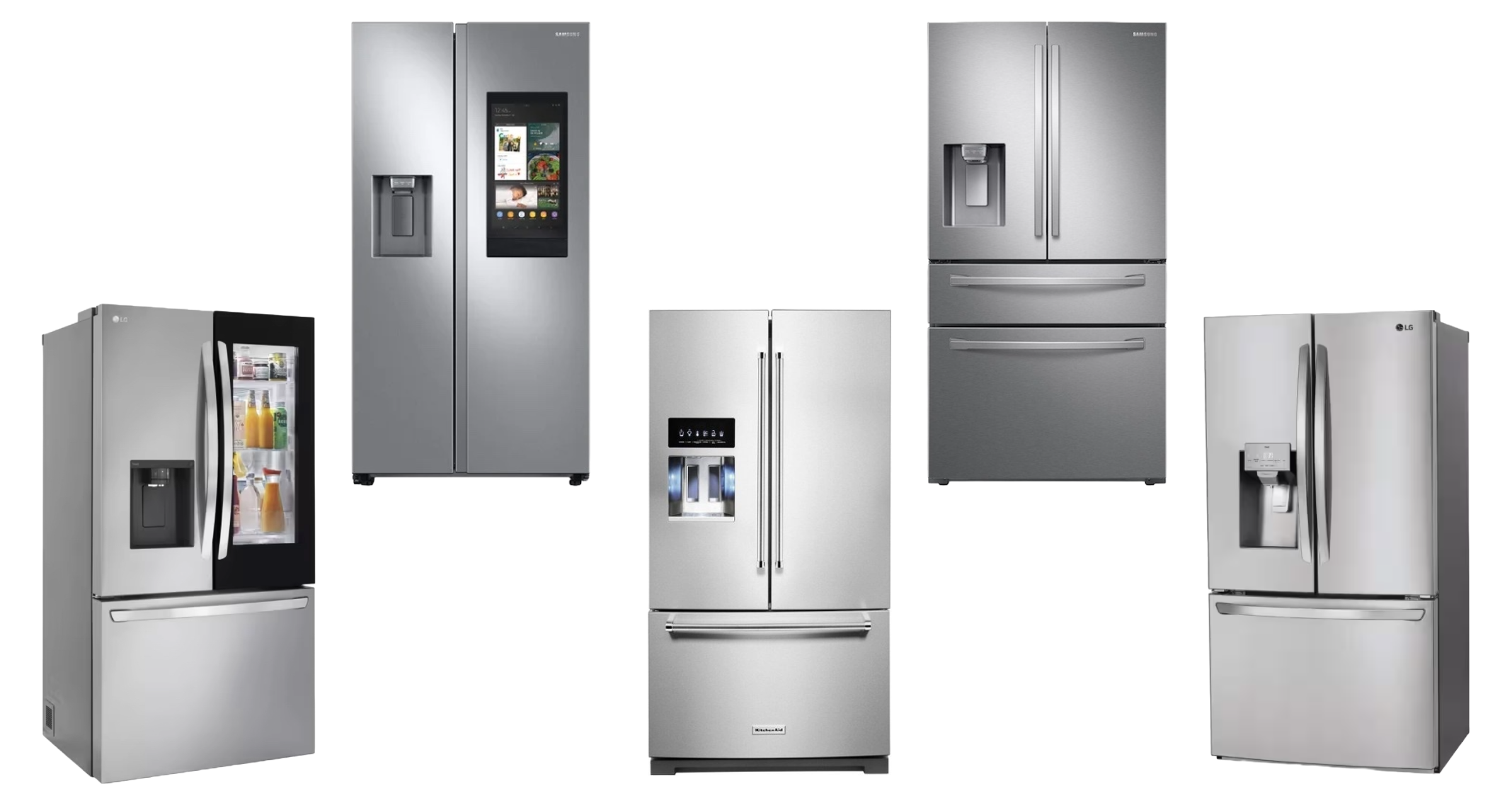
Credit: www.cbsnews.com
Frequently Asked Questions Of Refrigerator Vs Fridge Vs Freezer
Should I Say Fridge Or Refrigerator?
You can use both terms interchangeably, but “fridge” is more casual and commonly used in everyday speech. “Refrigerator” is more formal and may be more suitable for professional or formal writing. Both are correct, so choose based on the context.
Can I Use My Refrigerator Freezer As A Refrigerator?
Yes, refrigerator freezers can be converted to function as regular refrigerators. Adjust the temperature settings to maintain a consistent 37 to 40°F (3 to 4°C). This process may require a thermostat modification for accurate temperature control.
Does Refrigerate Mean Fridge Or Freezer?
Refrigerate refers to storing food in both the fridge and freezer to keep it fresh and safe.
Is Refrigeration And Freezing The Same?
Refrigeration and freezing are not the same. Refrigeration preserves food at temperatures above freezing, while freezing lowers the temperature to below freezing to store food.
Conclusion
Understanding the differences between refrigerator, fridge, and freezer is essential for efficient food storage. Each serves a unique purpose in maintaining freshness and preserving food items. By knowing their distinct functions, you can make informed choices for your home kitchen setup.
Stay organized and keep foods fresh!