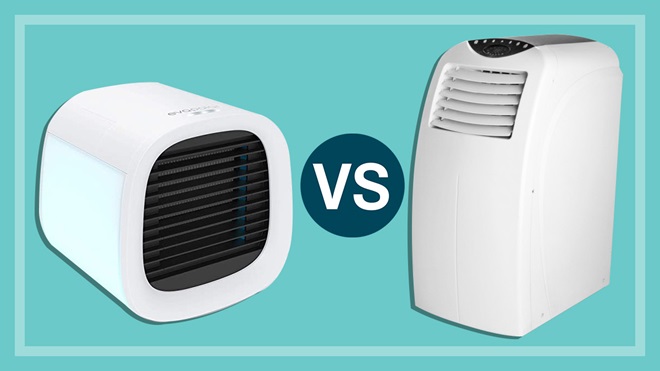
Portable air conditioners are more effective in cooling spaces but tend to be more expensive, while swamp coolers are quieter, cheaper, and more energy-efficient but may not work well in humid environments. When comparing portable air conditioners vs.
Swamp coolers, it’s important to consider your budget, the climate of your area, and the level of cooling power you need. Portable air conditioners require an exhaust hose and can only be used indoors, making them suitable for spot cooling and single-room comfort.
On the other hand, swamp coolers don’t need an exhaust hose and can be used both indoors and outdoors, making them a great option for patio or outdoor use.
How Portable Air Conditioners Work
Understanding how portable air conditioners work is essential in determining their effectiveness in cooling indoor spaces. These units operate by drawing in warm air from the room, passing it over cooling coils filled with a refrigerant, and then releasing the cooled air back into the environment. Let’s delve deeper into the inner workings of portable air conditioners.
Overview Of Portable Air Conditioners
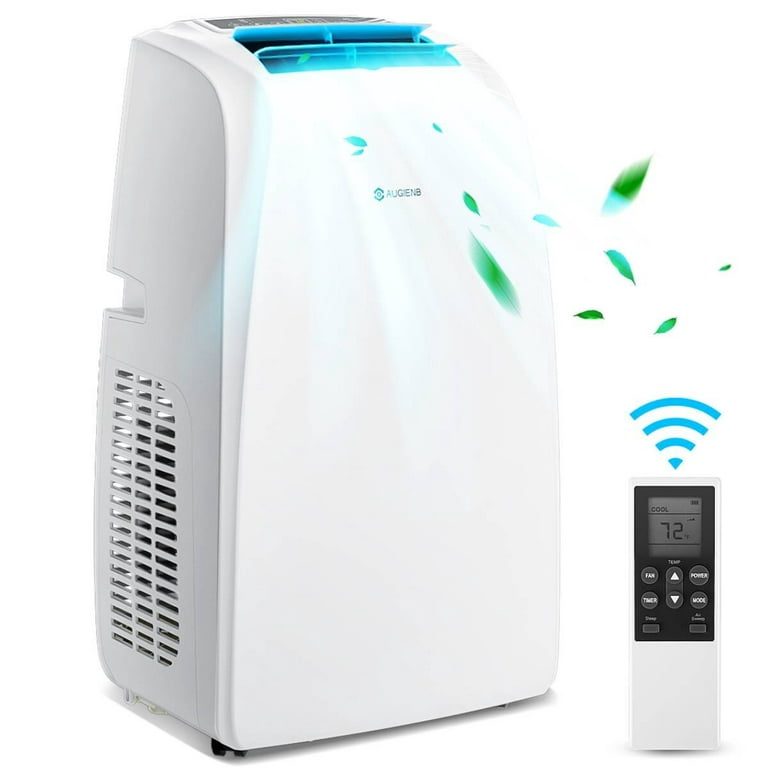
Portable air conditioners are compact cooling units that can be easily moved from one room to another. They typically consist of a compressor, a condenser, an evaporator, and a fan. These components work together to extract heat from indoor air, producing cooler air that helps maintain a comfortable temperature.
Cooling Efficiency
- Efficient Cooling: Portable air conditioners are designed to cool small to medium-sized spaces efficiently.
- Adjustable Settings: They offer adjustable settings to control the cooling intensity based on your comfort level.
- Quick Cooling: These units can rapidly cool a room, providing instant relief from heat.
Benefits Of Portable Air Conditioners
- Portability: Easily move the unit around the house as needed.
- No Installation Required: Simply plug in and start cooling, no complex installation process.
- Cost-Effective: More affordable than central air conditioning systems and can help save on energy costs.
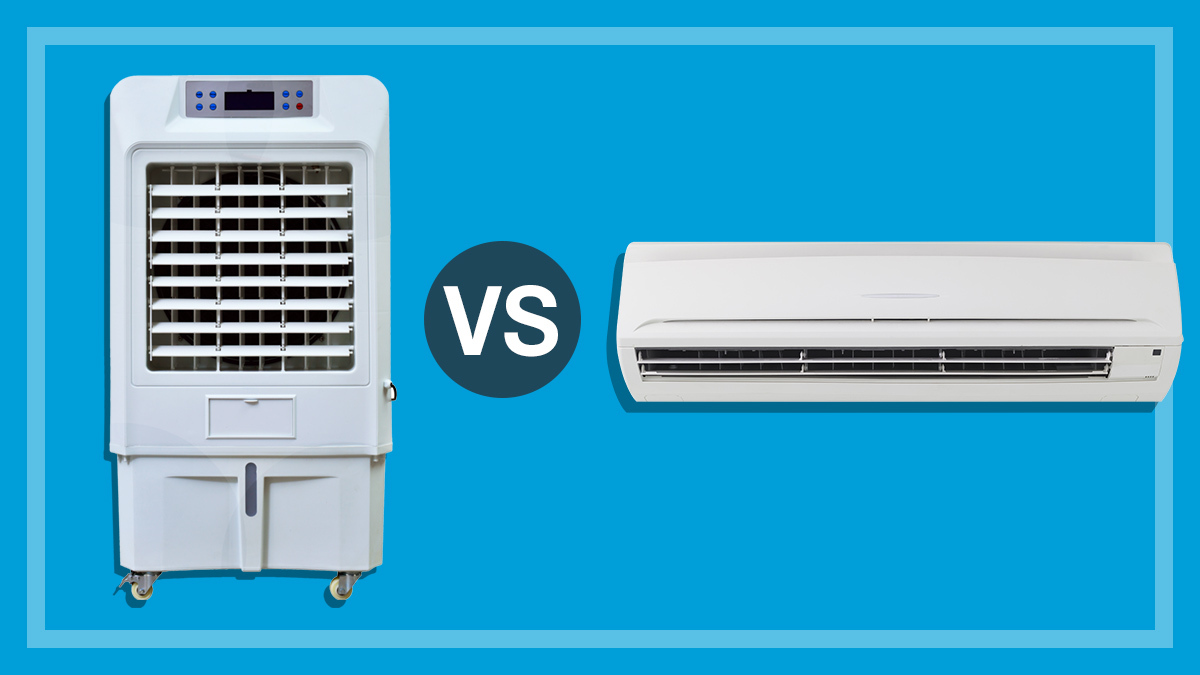
Credit: www.choice.com.au
How Swamp Coolers Work
Swamp coolers, also known as evaporative coolers, are an environmentally friendly and cost-effective cooling solution. They work by harnessing the natural process of water evaporation to cool the surrounding air. Unlike traditional air conditioners that rely on refrigerants, swamp coolers use the principles of evaporation to lower the temperature, making them a popular choice in dry and arid climates.
Swamp coolers operate through a straightforward evaporative cooling process. Water is pumped from a reservoir and distributed onto a cooling pad. As warm air is drawn through the damp pad, the water evaporates, absorbing heat and lowering the air temperature. The cooler, now moist and cooled air, is then circulated into the living space, providing a refreshing and natural cooling effect.
- Energy Efficiency: Swamp coolers consume significantly less energy compared to traditional air conditioners, resulting in lower utility costs.
- Environmentally Friendly: As they do not rely on refrigerants, swamp coolers have a lower environmental impact and are more sustainable.
- Natural Humidification: In addition to cooling, swamp coolers add moisture to the air, creating a comfortable and healthy indoor environment, especially in dry climates.
- Simple Operation: With fewer mechanical components, swamp coolers are easier to maintain and repair, reducing long-term maintenance costs.
Cooling Performance
The cooling performance of portable air conditioners and swamp coolers is a primary concern when choosing a cooling solution, as it directly impacts the comfort and temperature control of your living space.
Effectiveness In Different Climates
In regions with low humidity, portable air conditioners offer superior cooling performance. These units are able to efficiently lower the temperature and regulate humidity levels, providing effective cooling even in hot and dry climates. On the other hand, swamp coolers perform best in areas with higher humidity, as they rely on the evaporation of water to produce cool air, making them less effective in dry environments.
Temperature Control
Portable air conditioners are highly effective in precise temperature control, allowing users to set their desired temperature using built-in thermostats. This enables consistent cooling and optimal comfort. Conversely, swamp coolers are less precise in temperature control, as their cooling efficiency depends on the air’s existing humidity levels, resulting in less precise temperature regulation compared to air conditioners.
Credit: www.walmart.com
Energy Efficiency
When considering energy efficiency, it is crucial to examine the power consumption and initial cost differences between a portable air conditioner and a swamp cooler.
Power Consumption
Portable Air Conditioner: Consumes more power due to compressor operation.
Swamp Cooler: Significantly lower power consumption as it mainly uses a fan and water pump.
Initial Cost
Portable Air Conditioner: Generally more expensive upfront.
Swamp Cooler: Typically cheaper to purchase initially, making it a budget-friendly option.

Credit: www.amazon.com
Frequently Asked Questions Of Portable Air Conditioner Vs Swamp Cooler
Is A Portable Ac Better Than A Swamp Cooler?
Yes, a portable AC is more effective at cooling, but a swamp cooler is cheaper to run and quieter.
Which Is Better Air Cooler Or Portable Air Conditioner?
Portable air conditioners are better than air coolers because they can cool your space effectively. Air coolers are cheaper and consume less power, but they take more time to have an impact and can increase humidity.
Is It Cheaper To Run A Swamp Cooler Or Ac?
Running a swamp cooler is cheaper than an AC. Swamp coolers are more energy-efficient, saving money on electricity bills.
Which Is Better Swamp Cooler Or Central Air Conditioner?
A swamp cooler is cost-efficient and eco-friendly, but better for dry climates. A central air conditioner has better cooling performance and control.
Conclusion
Both portable air conditioners and swamp coolers have their strengths and weaknesses. It depends on your specific needs and preferences. Consider factors like energy efficiency, cost, and climate before making your decision. Ultimately, choose the option that best suits your lifestyle and environment.