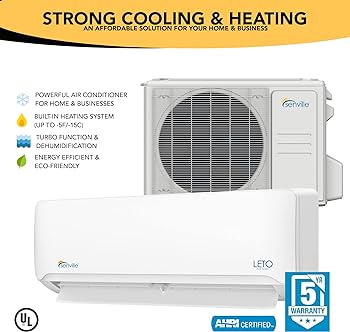
Packaged Terminal Air Conditioners are ideal for single rooms, while Mini Split systems are more versatile and effective for whole-home cooling. PTACs fit in windows, while Mini Splits consist of separate indoor and outdoor units.
Both have pros and cons, depending on your needs. When deciding between a Packaged Terminal Air Conditioner (PTAC) and a Mini Split system, it is important to consider the size and layout of your space. PTACs are convenient for cooling individual rooms, making them suitable for hotels or apartment buildings.
On the other hand, Mini Splits offer more flexibility, with separate units for indoor and outdoor installation for whole-home cooling. Understanding the differences between these two options will help you make an informed decision for your cooling needs.
Cost Comparison
When comparing air conditioning options, considering the costs involved is a crucial factor in making an informed decision. Both Packaged Terminal Air Conditioners (PTAC) and Mini Split systems have their own upfront and operating costs. Understanding these costs can help you determine which system is the most suitable for your needs. Let’s delve into the cost comparison between PTAC and Mini Split systems.
Upfront Costs
PTAC:
– Typically cost-effective upfront with lower installation costs.
– Standard PTAC models range from $800 to $1,200 per unit.
Mini Split:
– Slightly higher upfront costs due to the need for professional installation.
– Installation for a single-zone system starts at around $3,000, while multi-zone systems can cost upwards of $5,000.
Operating Costs
PTAC:
– May lead to higher energy bills due to their lower energy efficiency compared to Mini Splits.
– On average, PTAC units can cost between $100 to $300 more per year to operate.
Mini Split:
– Energy-efficient design often results in lower energy consumption and reduced operating costs.
– Mini Split systems typically cost $100 to $200 less per year to run compared to PTAC units.

Credit: www.ecomfort.com
Installation Process
The installation process of Packaged Terminal Air Conditioners (PTAC) and Mini Split systems differs in several key aspects:
Ptac Installation
- Commonly used in hotels and rental properties.
- Doesn’t require extensive ductwork for installation.
- Installation can be done through an exterior wall or window.
- Easy and quick installation process compared to conventional HVAC systems.
Mini Split Installation
- Consists of an indoor unit and an outdoor compressor.
- Requires a small hole for connecting the indoor and outdoor units.
- More flexibility in unit placement due to separate components.
- Can be wall-mounted, ceiling-mounted, or floor-standing.
Both PTAC and Mini Split systems have their own advantages in the installation process, catering to different needs and spaces effectively.
Flexibility And Efficiency
When it comes to choosing a cooling system for your space, two popular options are Packaged Terminal Air Conditioners (PTAC) and Mini Splits. Both offer unique benefits, and understanding their differences is crucial in making an informed decision.
Ptac Flexibility
PTAC units are known for their flexibility, making them a popular choice for many commercial spaces. One of the key advantages of PTAC is their easy installation process, which allows for quick cooling in multiple rooms. These units are designed to be mounted through walls, providing a seamless look and efficient airflow.
Additionally, PTAC units offer customizable temperature control, ensuring that each room can be cooled to individual preferences. This flexibility allows for optimal comfort for both guests and employees in hotels, hospitals, offices, and other establishments.
Mini Split Efficiency
When it comes to efficiency, mini split systems are often seen as a superior option. These systems consist of an outdoor condenser unit and one or more indoor air handlers, connected by refrigerant lines. The absence of ductwork in mini splits eliminates potential energy loss, resulting in greater efficiency.
Mini splits also offer the possibility of zone cooling, meaning different areas can be cooled or heated independently. This allows for enhanced energy savings as you only need to cool or heat occupied spaces, avoiding wasted energy in unoccupied areas.
| Features | PTAC Flexibility | Mini Split Efficiency |
|---|---|---|
| Installation | Easy wall-mounted installation | Outdoor condenser and indoor air handlers |
| Customizable Temperature Control | Yes | No |
| Zone Cooling | No | Yes |
| Energy Efficiency | Lower | Higher |
In conclusion, PTAC units offer flexibility and easy installation for cooling multiple rooms, making them suitable for commercial spaces. On the other hand, mini split systems excel in energy efficiency and zone cooling capabilities, allowing for greater control and energy savings. Consider your specific needs and preferences when deciding between these two cooling options.
Maintenance And Longevity
When it comes to choosing an air conditioning system for your home or office, two popular options are Packaged Terminal Air Conditioners (PTAC) and Mini Splits. Understanding the maintenance requirements and longevity of these systems can help you make an informed decision. Let’s take a closer look at PTAC maintenance and Mini Split longevity.
Ptac Maintenance
PTAC systems require regular maintenance to ensure optimal performance and longevity. Here are some key aspects of PTAC maintenance:
- Clean Air Filters: Regularly cleaning or replacing the air filters improves air quality and enhances the overall efficiency of the system.
- Coil Cleaning: The condenser and evaporator coils should be cleaned periodically to remove dirt and debris, preventing airflow blockage and reducing strain on the system.
- Check Thermostat: Ensure the thermostat is functioning correctly and accurately maintaining the desired temperature.
- Inspect Electrical Connections: Regularly inspect and tighten electrical connections to prevent performance issues and potential hazards.
- Lubricate Moving Parts: Lubricating the fan motor and other moving parts reduces friction, minimizes wear and tear, and extends the system’s lifespan.
By following these maintenance practices, you can ensure that your PTAC system remains efficient, reliable, and functions optimally for years to come.
Mini Split Longevity
Mini Split systems are known for their durability and longevity. Here are some factors that contribute to their extended lifespan:
- Quality Materials: Mini Splits are typically made with high-quality components and materials, ensuring longevity and resistance to wear and tear.
- Efficient Design: These systems are designed to operate with high efficiency, reducing strain on the components and increasing their lifespan.
- Proper Installation: Professional installation is key to ensure that the system is set up correctly, minimizing the risk of issues that may compromise its longevity.
Mini Splits are also relatively low-maintenance compared to other systems. However, regular maintenance is still essential for optimal performance:
- Clean Air Filters: Regularly clean or replace the air filters to maintain airflow and prevent dust accumulation.
- Inspect and Clean Coils: Periodically check and clean the coils to remove dirt and debris, ensuring efficient heat exchange.
- Check and Tighten Connections: Regularly inspect electrical connections and tighten them if necessary to prevent electrical issues.
- Monitor Refrigerant Levels: Ensuring proper refrigerant levels helps maintain system efficiency and prevents potential damage.
By following these maintenance practices, you can maximize the longevity of your Mini Split system, enjoying its benefits for many years to come.
Noise Levels
Packaged Terminal Air Conditioners and Mini Splits both offer efficient cooling, but they differ in noise levels. Mini Splits tend to be quieter due to their more advanced design, making them a preferred choice for those seeking a quieter cooling solution.
Ptac Noise Levels
Packaged Terminal Air Conditioners (PTAC) are known for their moderate noise levels that typically range from 45-55 decibels.
Mini Split Noise Levels
Mini Split AC units offer quieter operation, with noise levels as low as 20-30 decibels, making them ideal for noise-sensitive environments.

Credit: www.sylvane.com
Aesthetics
Aesthetics: The visual appeal of an air conditioning system plays a crucial role in the overall ambiance of a space.
Ptac Aesthetics
PTAC units are designed to be discreet and blend seamlessly with the room’s decor.
They typically feature a sleek, low-profile design that does not draw attention to itself.
Some PTAC units offer customization options such as varying colors and finishes to match different interiors.
Mini Split Aesthetics
Mini split systems are known for their modern and minimalist look.
They consist of two main components – the indoor air-handling unit and the outdoor compressor, which can be installed unobtrusively.
The indoor units are usually mounted high on walls or ceilings, freeing up valuable floor space.

Credit: www.amazon.com
Frequently Asked Questions For Packaged Terminal Air Conditioner Vs Mini Split
Which Is Better A Split System Or A Package Unit System?
Both split system and package unit systems have their advantages depending on your needs. Split systems are ideal for smaller spaces and offer flexibility with separate indoor and outdoor units. Package unit systems are suitable for larger spaces, combining all components into one unit.
Choose based on your space requirements.
Which Is Better A Mini-split Or A Ptac?
Mini-split systems are better for efficient cooling and heating in individual rooms. PTAC units are ideal for centralized control in hotel/motel rooms.
What Are The Disadvantages Of A Packaged Air Conditioner?
Packaged air conditioners lack customization and may not be energy efficient. They can also be noisy and require more maintenance.
Are Mini-splits More Efficient Than Air Conditioners?
Yes, mini-splits are more efficient than traditional air conditioners due to their zoning capabilities and lack of ducts, leading to reduced energy waste and lower utility bills.
Conclusion
After comparing PTAC and mini-split systems, it’s evident that both have their advantages. Consider your specific needs and budget when choosing the right cooling solution for your space. Whether it’s flexibility or efficiency you prioritize, both options offer reliable temperature control for your comfort.