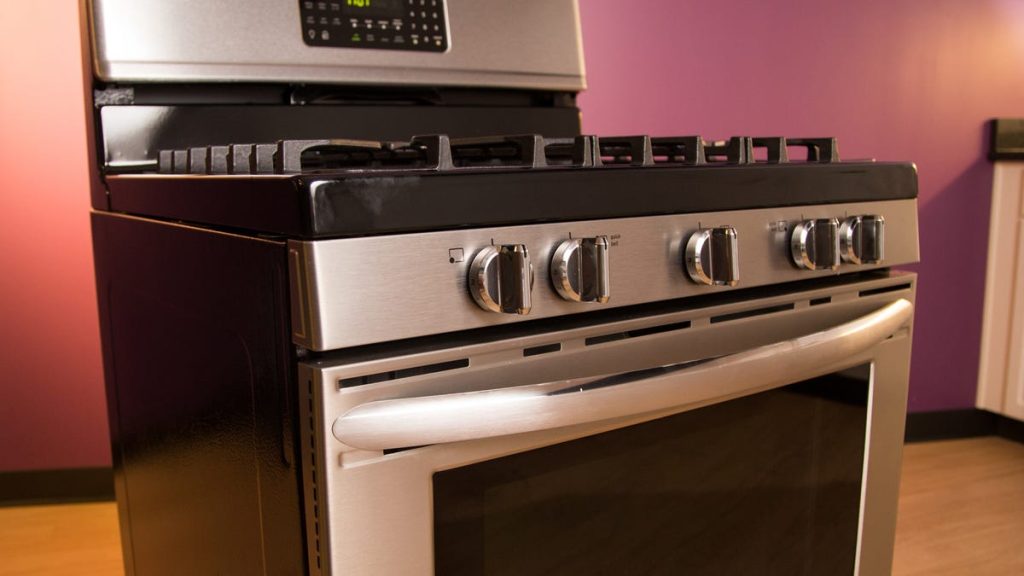
If your oven heats up but does not maintain temperature, it could be due to issues with temperature settings, sensors, or calibration. Inconsistency in heat distribution or a faulty heating element could also be the culprit.
Check to ensure that your oven is set to the proper unit of measurement and consider running some diagnostic tests on your oven’s temperature sensors and heating element. Additionally, inadequate ventilation could also cause your oven to overheat. We will explore some reasons why your oven may be having trouble maintaining temperature and provide some possible solutions to help get your oven back in working order.
Credit: www.reddit.com
Possible Causes Of An Oven Not Maintaining Temperature
Possible causes of an oven not maintaining temperature include issues with the thermostat, temperature sensor, calibration, heating element, or power source. Checking and fixing these components can help resolve heating problems and ensure your oven runs smoothly.
Possible Causes of an Oven Not Maintaining Temperature Have you ever experienced preheating your oven, putting your food inside, but noticing that it has not cooked evenly or as fast as expected? It’s frustrating to find out that your oven heats up but does not maintain temperature, leaving you with half-cooked meals. There could be several possible causes of why your oven is not retaining temperature, including thermostat problems, temperature sensor faults, defective oven igniter, heating element problems, oven door gasket issues, electric oven not getting enough power, inadequate ventilation, or voltage fluctuation. Let’s take a look at each of these possible causes in more detail. Thermostat Problems The thermostat is a component of an oven that controls the temperature inside. A thermostat problem can cause the oven heating element to turn on and off repeatedly, making it difficult for the oven to maintain temperature. In some instances, recalibrating the thermostat may be enough to fix the problem. However, if the thermostat is defective, replacing it may be necessary. Temperature Sensor Faults Another possible cause is the temperature sensor inside the oven. This sensor regulates heat and sends signals to the control board to keep the temperature stable. A malfunctioning temperature sensor may cause your oven to heat up incorrectly, resulting in unevenly cooked or burnt food. Checking the temperature sensor and conducting a sensor test can identify and fix this problem. Defective Oven Igniter The oven igniter is responsible for lighting the gas oven, making it one of the essential components of a gas oven. If the igniter is not functioning correctly, it can prevent the oven from reaching the desired temperature. An amperage test can be conducted to detect if the igniter is working correctly. Heating Element Problems The heating element is the part that produces heat inside the oven. Problems with the heating element may cause unevenly cooked or burnt food, or it may prevent the oven from heating up to the desired temperature. Conducting a continuity check or checking the element’s part number can determine if it needs to be replaced. Oven Door Gasket Issues An oven door gasket is the seal that keeps the heat inside the oven. It is the flexible strip of rubber-like material around the oven door. A broken or worn-out gasket can lead to heat loss and prevent the oven from reaching its desired temperature. Replacing the door gasket can solve this issue. Electric Oven Not Getting Enough Power Electric ovens require a significant amount of power to operate. An electric oven not receiving enough power may not reach or maintain temperature. Checking electrical outlets and circuits, or using a voltage tester can diagnose this problem. Inadequate Ventilation Proper ventilation is essential for gas ovens. Without sufficient ventilation, carbon monoxide can accumulate, posing a significant threat to household safety. Oven overheating and inadequate cooking may also occur due to ventilation problems. Regular cleaning and inspection of oven components can prevent this issue. Voltage Fluctuation Voltage fluctuations occur when the electricity supplied to an oven varies in the amount of voltage. Voltage variations can cause the oven heating element to overheat or not heat up enough. Conducting a voltage test can detect any voltage fluctuations and allow professionals to make the necessary electrical repairs. In conclusion, there are several possible causes why an oven does not maintain temperature, such as thermostat and temperature sensor problems, defective oven igniter, heating element issues, oven door gasket issues, inadequate ventilation, and voltage fluctuation. Identifying and resolving these problems can prevent undercooked, overcooked, or burnt food, and ensure your oven operates effectively.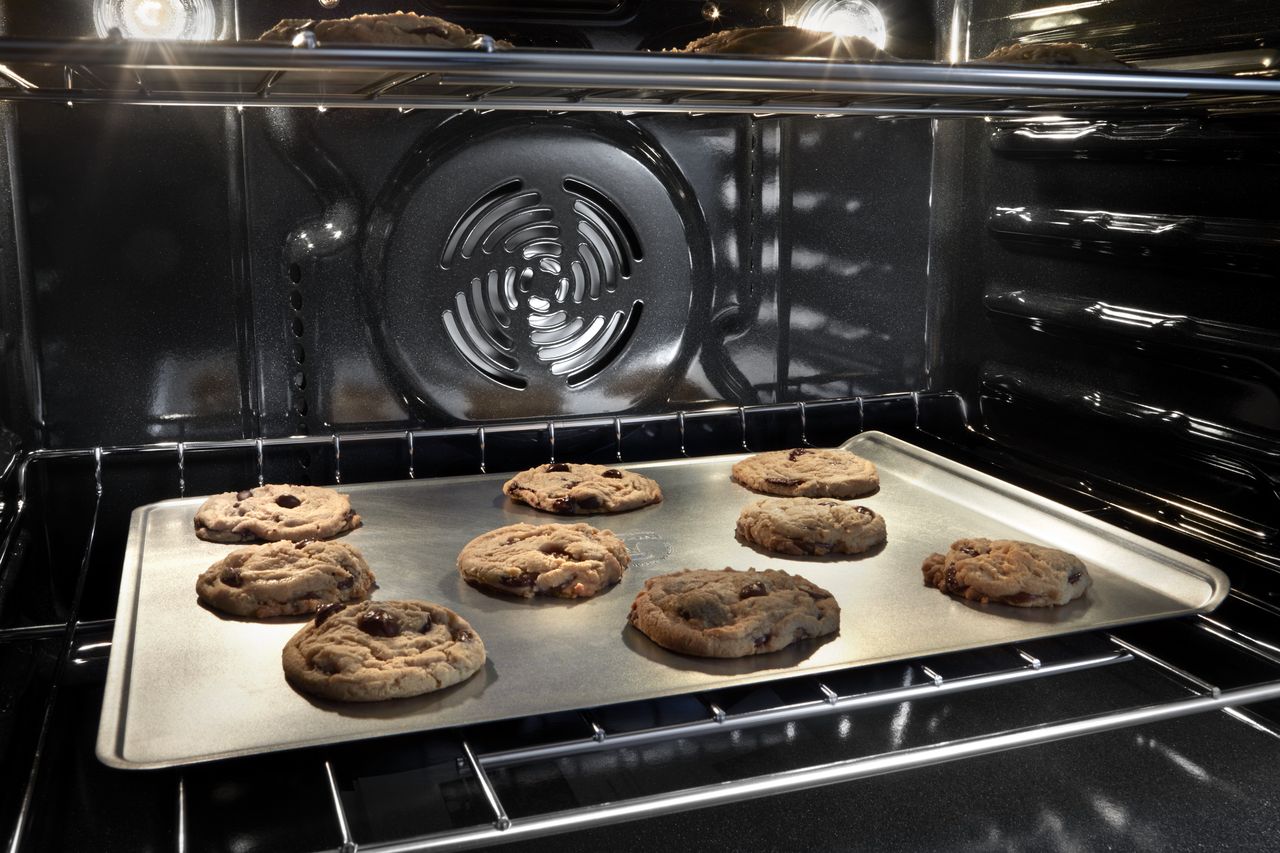
Credit: appliancetec.com
Troubleshooting Steps For Oven Temperature Issues
If your oven heats up but does not maintain temperature, it may be due to issues with the thermostat, temperature sensor, or calibration. Check to ensure that your oven is set to the correct unit of measurement and consider testing the oven door gasket or the oven igniter to fix the problem.
It’s also possible that the power source may be interfering with temperature regulation.
e to a variety of reasons, such as a damaged thermostat, a malfunctioning temperature sensor, or a defective oven igniter. Don’t worry though, as there are several troubleshooting steps that you can take to fix your oven’s temperature issues. Here are some effective solutions for dealing with oven temperature inconsistencies:Checking The Temperature Settings
Once you start noticing that your oven is not maintaining temperature, the first step to take is to check the temperature settings. Ensure that you are using the correct unit of measurement, whether it’s Fahrenheit or Celsius. Double-check the oven’s user manual to ensure you are using the appropriate temperature settings.Recalibrating The Thermostat
If checking the temperature settings doesn’t solve the problem, then the issue may be with the thermostat. A faulty thermostat can affect your oven’s ability to maintain temperature. Try recalibrating the thermostat by following the instructions in the oven’s user manual.Testing The Temperature Sensor
Your oven’s temperature sensor is an essential part of maintaining the desired temperature. Testing the temperature sensor can help you determine if it’s functioning accurately. To do this, you can use a multimeter to check the temperature sensor’s resistance. If the reading is outside the recommended range, then it’s time to replace the temperature sensor.Replacing A Defective Oven Igniter
A defective oven igniter can also cause temperature issues in your oven. To diagnose the problem, simply check if the igniter is glowing red when the oven is turned on. If it’s not, then replace the oven igniter.Inspecting The Heating Element
The oven’s heating element plays a vital role in maintaining the desired temperature. If it’s damaged, it will struggle to reach the set temperature. You can visually inspect the heating element and look for signs of damage. If you notice any damage or a break in the element, then it’s time for a replacement.Changing The Oven Door Gasket
Another culprit for a malfunctioning oven is a damaged or worn-out oven door gasket. A damaged gasket can cause heat to escape from the oven, causing it to struggle to maintain the set temperature. If you notice any tears, cracks, or wear on the gasket, then it’s time to replace it.Checking The Power Source
Sometimes the problem isn’t with the oven itself but the power source. Check if the oven is getting enough power to operate. Ensure the circuit breaker or fuse is not tripped. The oven may also need a dedicated circuit to perform optimally.Improving Oven Ventilation
Poor oven ventilation can cause your oven to overheat and struggle to maintain the proper temperature. Make sure that your oven has enough space on all sides to allow proper air circulation. Clean the venting system regularly to ensure airflow is not restricted. In conclusion, maintaining the right temperature in your oven is essential to prepare perfect meals. If you’re experiencing any issues with your oven’s temperature maintenance, try the above troubleshooting tips. By following these instructions, you can keep your oven in the best condition to provide you with the best cooking experience!Preventing Oven Temperature Issues
If your oven is heating up but not maintaining temperature, it could be due to issues with the temperature sensor, calibrations or settings. Double-check to make sure your oven temperature is set to the correct unit, and consider getting a professional to inspect the thermostat and heating element.
f power or an issue with the control panel. Whatever the reason, it’s important to address this issue promptly to ensure proper cooking and baking results.Regular Oven Cleaning
One preventative measure against oven temperature issues is regularly cleaning your oven. Grease and food particles can build up on the heating elements and cause them to malfunction. Consequently, your oven may not heat up properly or maintain its temperature. Always ensure that your oven is free from any food remnants, especially around the heating elements.Proper Use Of The Oven
Another preventative measure is using your oven properly. Always preheat your oven before putting in your food, as this ensures that your oven has reached the required temperature before the cooking process begins. Additionally, avoid opening the oven door frequently during cooking, as this can cause a loss of heat and disrupt the cooking process.Professional Maintenance
Regular professional maintenance of your oven can help prevent temperature issues. Scheduling routine maintenance can help identify any potential problems with the heating elements or temperature sensor before they become a bigger issue. Professionals can also inspect and clean your oven to keep it running smoothly.Avoiding Common Mistakes
Lastly, avoiding common mistakes can help prevent temperature issues from occurring. Such mistakes include using incorrect cookware that is not compatible with your oven, using foil in electric ovens, and leaving the oven door open for too long while cooking. Avoiding these mistakes can help ensure that your oven maintains its temperature and operates efficiently. In conclusion, maintaining proper oven conditions and using it properly can help prevent temperature issues from occurring. Regular cleaning, professional maintenance, and avoiding common mistakes are all preventative measures that can help keep your oven functioning efficiently.Faqs About Oven Temperature Maintenance
If your oven heats up but does not maintain its temperature, the issue could be with the temperature settings, calibration or the temperature sensor. Make sure your oven is set to the proper unit of measurement and try recalibrating the thermostat.
If the issue persists, it’s best to call a professional for repair.
FAQs About Oven Temperature Maintenance Maintaining the right temperature in your oven is a crucial aspect of any cooking activity. While preheating your oven, you might come across a frustrating situation where you realize that your oven heats up but does not maintain temperature. Fortunately, this blog post provides some insight that could help you fix your oven’s temperature inconsistencies. Below are some frequently asked questions about oven temperature maintenance, and their respective answers. Why does my oven heat up but not reach the set temperature? When your oven is heating but not reaching the set temperature, it’s likely that your oven’s calibration might be off. Calibrating an oven means adjusting it to ensure that the temperature readings are accurate. To check if your oven’s calibration is accurate or not, you may use an oven thermometer. Inaccurate readings require recalibration, which can be done by a professional or following the manufacturer’s instructions. Why won’t my oven keep a steady temperature? There are several reasons why your oven might not keep a steady temperature. One common cause is a malfunctioning oven thermostat. An oven thermostat controls the oven temperature by turning on and off the heating element to achieve and maintain the set temperature. If it’s not functioning correctly, it could lead to temperature inconsistencies. What should I do if my oven temperature keeps resetting? If your oven keeps resetting its temperature, it may be due to a malfunctioning oven control board. The control board is responsible for managing the oven’s temperature, among other functions. If it’s faulty, it may cause frequent temperature resets. Replacing the control board is the best solution to fix the problem. Why is my oven overheating and cutting out? An overheating oven that cuts out could be due to a failing cooling fan. Every oven has a cooling fan that prevents the electronic components from overheating. A failing fan could cause the oven to overheat and, as a result, cut out. Replacing the cooling fan could fix the problem. In conclusion, maintaining your oven’s temperature is crucial to achieve optimal cooking results. When your oven heats up but does not maintain temperature, it’s advisable to troubleshoot the problem promptly. By answering the above frequently asked questions, we hope that you will have a better understanding of your oven’s temperature maintenance issues and how you can solve them.
Credit: www.facebook.com
Frequently Asked Questions On Oven Heats Up But Does Not Maintain Temperature
Why Is My Oven Heating But Not Reaching Temperature?
When your oven is heating but not reaching the set temperature, it could be due to issues with temperature settings, calibration, or the temperature sensor. Check that the oven is set to the proper unit of measurement to solve the problem.
Additionally, a broken thermostat or inadequate ventilation may also cause overheating or fluctuation in temperature.
Why Wont My Stove Keep The Temperature?
When a stove doesn’t maintain temperature, there may be an issue with temperature settings, sensor or calibration. Check if the oven is set to the correct unit of measurement. Fluctuations could be due to a faulty heating element or power source.
Why Does My Oven Temperature Keep Resetting?
A broken electric oven thermostat is the most likely cause of temperature resetting. The thermostat regulates the temperature in the oven, and if broken, it can’t keep the temperature stable, leading to fluctuation. Other possible causes include issues with temperature settings or calibration.
Make sure to check the proper unit of measurement too.
Why Does My Oven Heat Up Then Cut Out?
An oven heating up then cutting out could be due to issues with temperature settings, sensor or calibration. Ensure the oven is set to the right unit of measurement. Inadequate ventilation could also be a cause. Check if the oven is distributing heat inconsistently or if the source of power is the cause.
A broken oven thermostat could also lead to temperature fluctuations.
Conclusion
To conclude, an oven that heats up but does not maintain temperature can be a frustrating issue for any homeowner. However, understanding the possible reasons for this problem can save you time, money, and the annoyance of having to deal with a malfunctioning appliance.
Whether it is a faulty thermostat, heating element, or power source, it is important to address the issue promptly. Regular maintenance, cleaning, and inspections can also prevent future heating problems and save you from potential safety hazards. If the problem persists, it is always advisable to seek help from a professional appliance repair service to ensure a safe and effective solution.