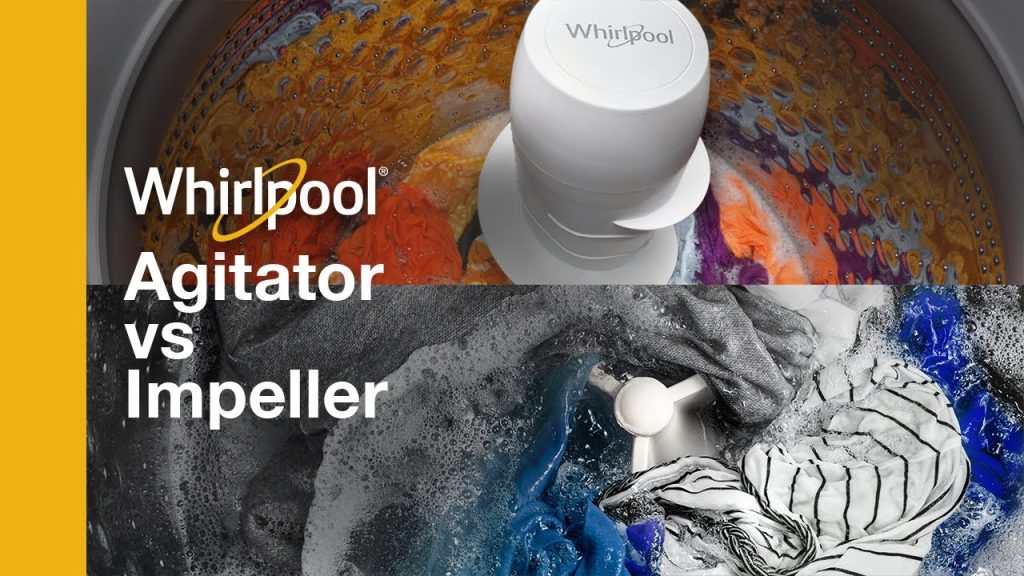
Impeller washing machines use a low-profile agitator that is gentle on clothes, while agitator washing machines have a tall central post that moves clothes vigorously. When it comes to choosing between impeller and agitator washing machines, it’s important to understand the differences in their washing mechanisms.
Impeller washing machines are designed to provide a more gentle yet efficient cleaning experience. On the other hand, agitator washing machines use a more traditional approach by using a tall central post to move clothes vigorously, resulting in a thorough cleaning.
Both types of machines have their pros and cons, so it’s essential to consider your laundry needs and preferences before making a decision.
Functionality
When it comes to the functionality of washing machines, it’s important to understand the differences between impeller and agitator models. Both types have distinct features that impact how they clean your laundry. Let’s delve into the functionality of impeller and agitator washing machines to determine which might be the best fit for your laundry needs.
Impeller Function
An impeller washing machine works by using a low-profile cone or disc that rotates to create a gentle and efficient washing motion. This motion helps to move the water and detergent through the clothes to remove dirt and stains. The impeller design allows for a larger capacity, making it ideal for washing bulky items such as blankets and comforters.
Agitator Function
Agitator washing machines feature a central post that moves back and forth to create a powerful and deep cleaning action. This vigorous movement helps to dislodge dirt from the fabric, making it especially effective for heavy-duty or heavily soiled loads. The agitator’s design can, however, be more abrasive on delicate fabrics compared to impeller washers.
Laundry Performance
When deciding between impeller and agitator washing machines, it’s crucial to consider their impact on laundry performance. Impeller machines are known for their gentle treatment of fabrics and effective removal of stains, while agitator machines excel in handling large loads and tough soils.
Both options have unique strengths, so it’s important to choose based on your specific laundry needs.
Cleaning Efficiency
When it comes to laundry performance, one of the key factors to consider is cleaning efficiency. Both impeller and agitator washing machines excel in this area, but they utilize different mechanisms. Impeller is a low-profile cone or disc located at the bottom of the machine, while agitator consists of a rotating spindle with fins or vanes protruding from the center.
Impeller washing machines create a high-pressure currents that move clothes through the water, ensuring a thorough and efficient clean. The spinning motion of the impeller generates turbulent currents, dislodging dirt and stains from fabric fibers.
On the other hand, agitator washing machines rely on the agitating motion of the fins to create friction between clothes, encouraging the removal of dirt. While this method may seem more aggressive on delicate fabrics, it is highly effective at tackling stubborn stains and heavily soiled items.
Gentleness On Clothes
Gentleness on clothes is another important aspect of laundry performance. The type of washing machine you choose can significantly impact the longevity and appearance of your garments.
Impeller washing machines offer a gentler cleaning action as compared to agitators. The absence of a central spindle eliminates the risk of clothes getting tangled or twisted during washing. This reduces the wear and tear on the fabric, helping to preserve the integrity of delicate or sensitive materials.
Agitator washing machines, on the other hand, have a more vigorous cleaning action. The rotating motion of the agitator can sometimes cause friction between clothes, leading to possible stretching or damage to more fragile items. While agitators can be harsher on certain fabrics, they have proven to be effective in removing tough stains and keeping heavily soiled items clean.
Water And Energy Efficiency
Water Usage
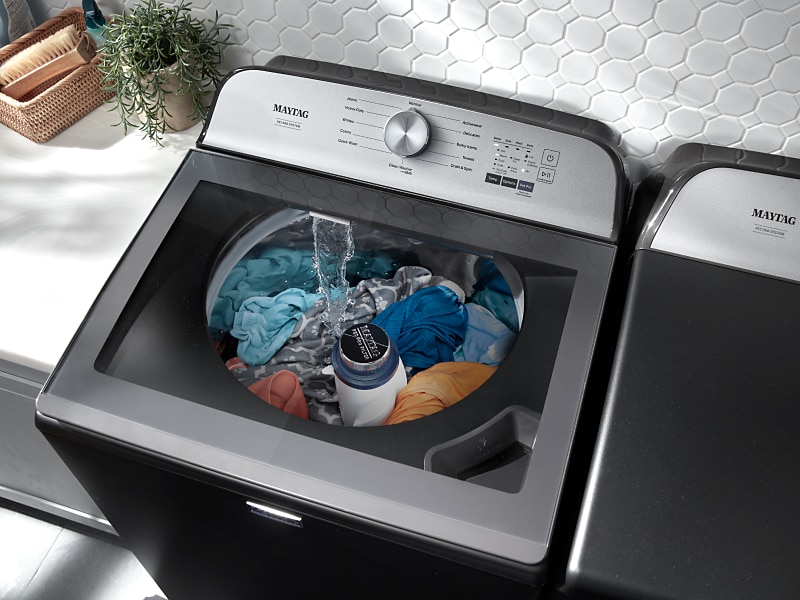
In impeller washing machines, water usage is typically lower due to the gentler washing action.
Energy Consumption
Impeller washing machines consume less energy compared to agitator models, resulting in lower utility bills.
Credit: www.maytag.com
Capacity And Loading
When choosing a washing machine, capacity and loading options are crucial factors to consider. The laundry capacity determines how much clothing you can wash in a single cycle, while the types of clothing you typically wash will determine the loading flexibility you require.
Laundry Capacity
Impeller and agitator washing machines have different laundry capacities. Impeller machines typically offer larger capacities, allowing you to wash more clothes in a single load. This is beneficial for larger households or individuals with heavy laundry needs. On the other hand, agitator machines may have smaller capacities due to the bulkiness of the agitator mechanism.
It’s important to note that while impeller machines offer larger capacities, it’s essential not to overload them. Overloading can affect washing efficiency and result in inadequate cleaning. So, even if your impeller machine has a generous capacity, it’s always a good practice to leave enough space for the clothes to move freely during the wash cycle.
Types Of Clothing
The types of clothing you frequently wash also play a role in determining the ideal washing machine for your needs. Impeller machines are often better suited for delicate fabrics and lightweight clothing. The absence of an agitator means less risk of clothes becoming tangled or damaged during the wash cycle.
On the other hand, if you frequently wash heavily soiled items or bulky fabrics, such as jeans or bedding, an agitator machine might be a better option. The agitator’s robust washing action can help to effectively clean stubborn stains and thoroughly agitate larger items.
It’s worth noting that some impeller machines come with specialized cycles for different fabric types, including gentle options for delicate clothing. This versatility provides added convenience, allowing you to wash a wide range of clothing materials effectively.
In conclusion, considering the laundry capacity and the types of clothing you typically wash will help you determine whether an impeller or agitator washing machine is best suited to your needs. Impeller machines offer larger capacities, making them ideal for larger households, while agitator machines are better equipped for washing heavily soiled or bulky items. Choose the option that aligns with your lifestyle and laundry requirements to maximize efficiency and effectiveness.
Noise And Durability
Impeller washing machines are quieter and more durable compared to agitator models. With less noise and longer lifespan, impeller washers offer a reliable laundry solution.
Operating Noise:
One key difference between impeller and agitator washing machines is their noise levels during operation.
- Impeller machines are generally quieter as they do not have a central agitator mechanism like traditional washers.
- Agitator machines, on the other hand, can be louder due to the vigorous motion of the agitator.
- For a more peaceful laundry experience, consider opting for an impeller machine, especially if noise is a concern in your household.
Longevity And Maintenance:
When it comes to durability and upkeep, there are important considerations to keep in mind when choosing between impeller and agitator washing machines.
- Impeller machines are known to be gentler on clothes, potentially extending the lifespan of your garments.
- Agitator machines, although robust, may cause more wear and tear on fabrics over time due to their aggressive washing action.
- In terms of maintenance, impeller machines are simpler with fewer moving parts, reducing the risk of mechanical failures.
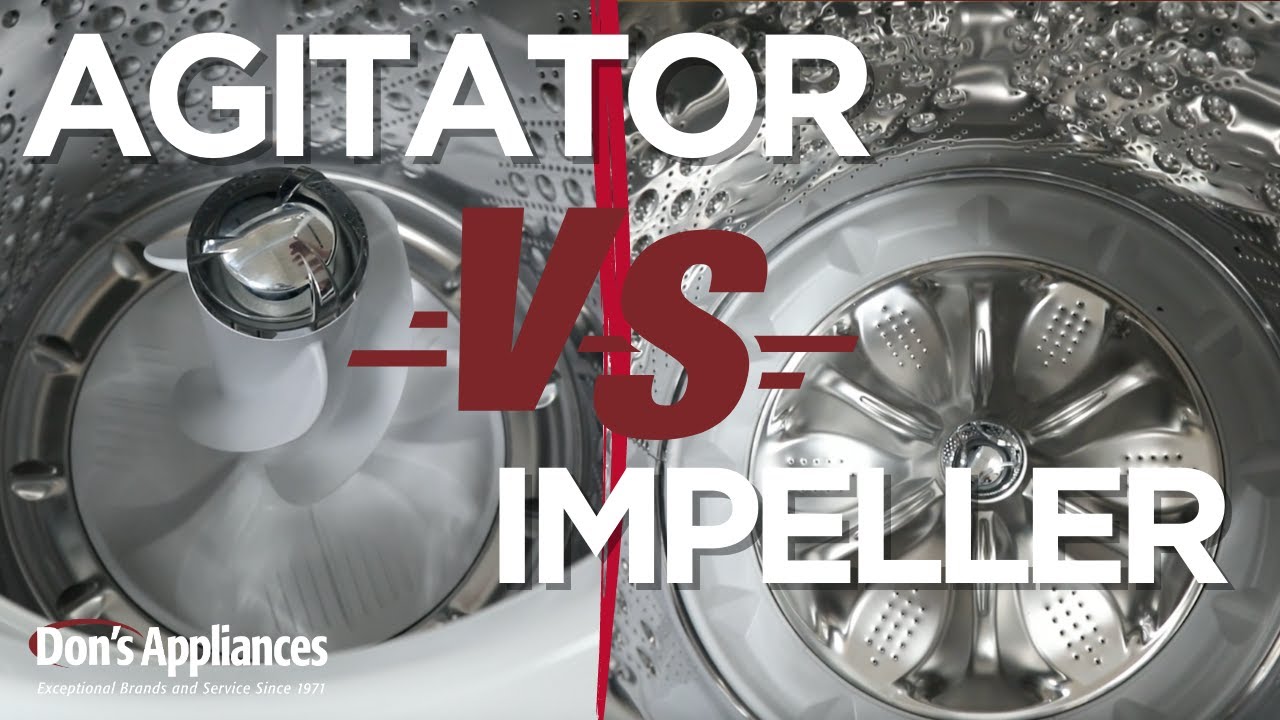
Credit: www.youtube.com
Cost And Pricing
Impeller and agitator washing machines differ in their cost and pricing. While impeller models tend to be more affordable, agitator machines often come with a higher price tag due to their advanced features and design. Consider your budget and laundry needs to make the right choice for you.
Cost and Pricing When comparing impeller and agitator washing machines, cost and pricing play a significant role in the decision-making process. Let’s explore the initial cost and long-term savings associated with both types of machines.Initial Cost
In terms of initial cost, agitator washing machines generally tend to be more affordable compared to impeller washing machines. This is due to the simpler mechanism and lesser technology involved in agitator models. Consumers looking for a budget-friendly option may find agitator washing machines more appealing in this regard. On the other hand, impeller washing machines often come with a higher initial cost due to their advanced technology and efficiency-focused design. While the upfront investment may be higher, it’s important to consider the long-term benefits and potential savings that impeller machines can offer.Long-term Savings
When it comes to long-term savings, impeller washing machines present a compelling case. These machines are designed to be more energy-efficient and water-saving, leading to potential cost savings on utility bills over time. Additionally, the gentler washing action of impeller machines may contribute to reduced wear and tear on clothing, potentially extending the lifespan of garments and resulting in long-term cost savings for consumers. While agitator washing machines may have a lower initial cost, it’s essential to consider the long-term expenses associated with their usage. These machines may consume more water and energy during each wash cycle, impacting utility bills in the long run. Moreover, the more aggressive washing motion of agitator machines could lead to faster deterioration of clothing, potentially increasing the frequency of clothing replacement and long-term expenses for users. In summary, while the initial cost may favor agitator washing machines, the potential long-term savings and efficiency benefits of impeller machines make them a compelling choice for consumers looking for sustainable and cost-effective laundry solutions.
Credit: blog.rentacenter.com
Frequently Asked Questions On Impeller Vs Agitator Washing Machines
Which Is Better An Agitator Or Impeller?
The choice between an agitator and impeller depends on the type of laundry and personal preference. Agitators are efficient for heavy-duty fabrics and deep cleaning, while impellers are gentle on clothes and use less water. Ultimately, the better option varies based on individual needs and laundry requirements.
What Is The Disadvantage Of Impeller Washing Machine?
The disadvantage of an impeller washing machine is that it may not be as gentle on delicate fabrics. It also has a smaller capacity and may not fully submerge large loads. However, it is more energy-efficient and uses less water.
Regular maintenance is important to prevent tangling of clothes.
Is It Better To Get A Washer With Or Without An Agitator?
Washers without agitators are better as they provide more room for larger items and are gentler on clothes during the wash cycle. They also use less water and have faster spin speeds for better drying.
Do Impeller Washers Tangle Clothes?
Impeller washers are designed to minimize tangling of clothes due to their unique washing motion.
Conclusion
The choice between an impeller and an agitator washing machine ultimately comes down to personal preference and laundry needs. Impeller machines are known for their gentle and efficient cleaning while agitator machines offer a more traditional and powerful cleaning experience.
Consider factors such as fabric type, load size, and desired washing outcome when making your decision. Happy washing!