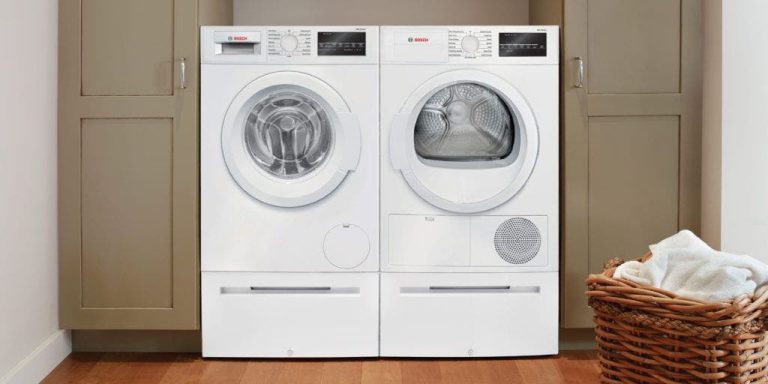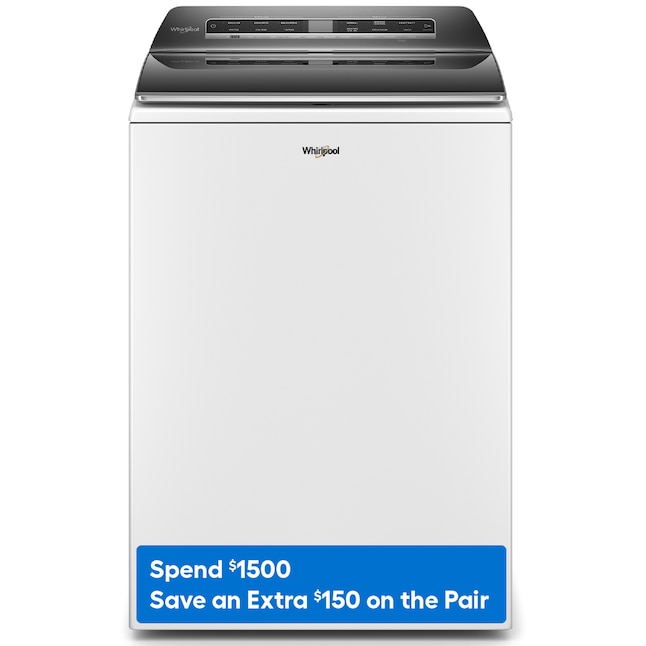
Impellers are used to create water movement, while agitators work by rolling and pushing clothes. In washing machines, impellers and agitators serve distinct functions based on the washing method employed.
Washing machines equipped with impellers use a gentle and efficient washing process ideal for delicate fabrics and a quieter operation. On the other hand, washers with agitators are better suited for tackling tough stains and heavy-duty fabrics with a more vigorous washing action.
Understanding the differences between impellers and agitators in washing machines can help consumers make an informed decision when selecting the right appliance for their laundry needs. Let’s delve deeper into the functionality and benefits of impellers and agitators in washing machines to guide you in choosing the most suitable option.
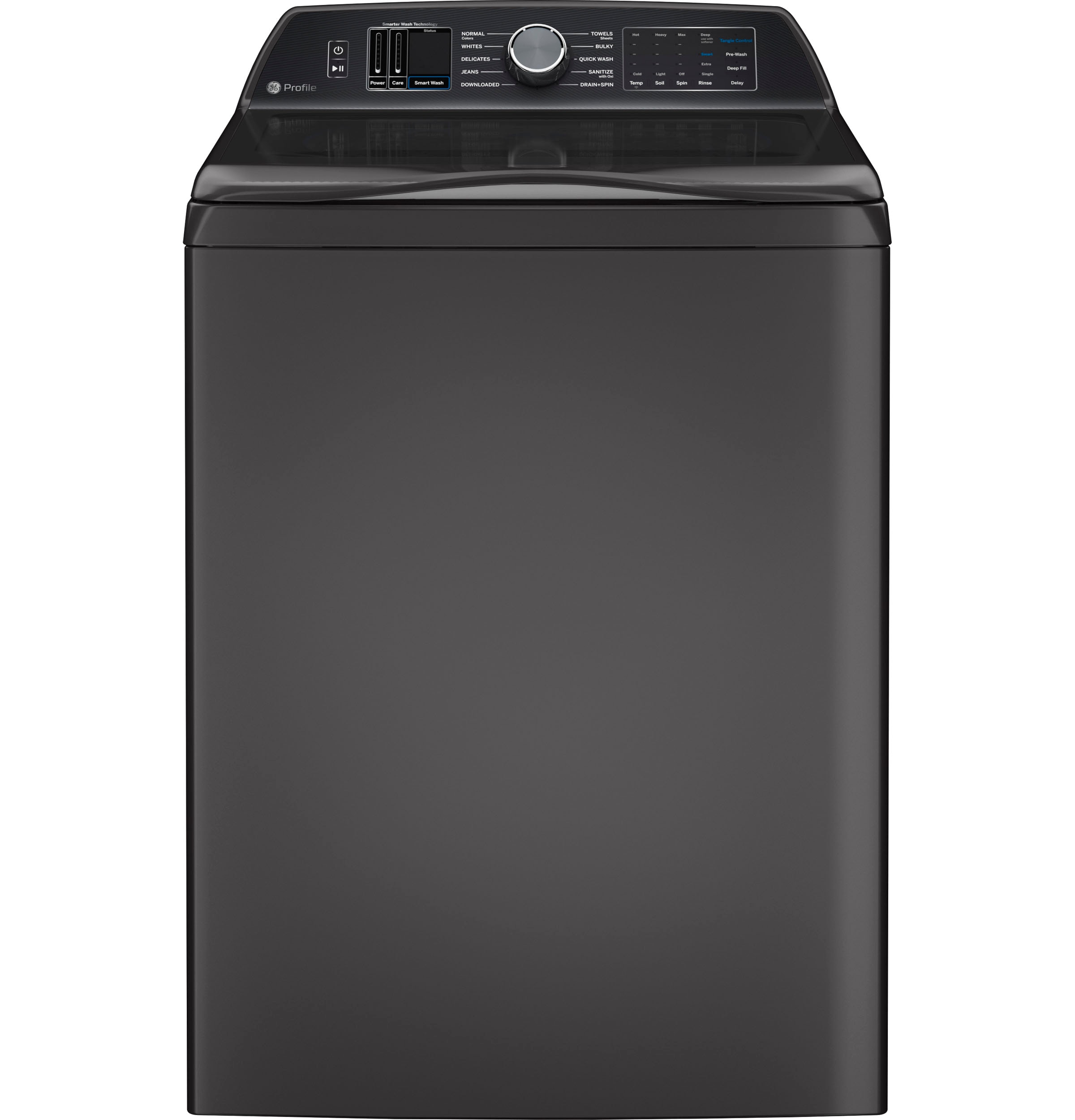
Credit: www.lowes.com
Efficiency In Cleaning
Efficiency in cleaning in washing machines plays a crucial role in ensuring that your clothes are thoroughly cleaned and in good condition. When comparing impeller and agitator washing machines, it’s essential to consider their impact on cleaning performance and the overall cleaning efficiency they offer. Let’s dive into the details to understand which type of washing machine is more efficient in cleaning your laundry.
Impact On Cleaning Performance
Impeller washing machines utilize a rotating disc at the bottom of the tub to create a gentle scrubbing action. This minimizes wear and tear on clothes while effectively removing dirt and stains. On the other hand, agitator washing machines feature a central post with fins or vanes that move back and forth, creating a vigorous washing motion. This robust action can be more effective for heavily soiled items but may cause more wear on delicate fabrics.
Comparison Of Cleaning Efficiency
| Aspect | Impeller Washing Machines | Agitator Washing Machines |
|---|---|---|
| Gentleness on clothes | ✓ Uses gentle scrubbing action | ✗ Vigorous back and forth motion may cause more wear |
| Effectiveness on heavily soiled items | ✗ May require additional cycles for deeply soiled clothes | ✓ Vigorous action is effective for heavy soil |
| Water and energy consumption | ✓ Typically uses less water and energy | ✗ May consume more water and energy due to vigorous motion |
Cost And Maintenance
When it comes to purchasing a new washing machine, two common types to consider are those with impellers and those with agitators. While both serve the same purpose of cleaning your clothes, there are differences in their cost and maintenance requirements. Understanding these factors can help you make an informed decision that is best suited to your needs and budget.
Initial Cost Comparison
The first aspect to consider is the initial cost of the washing machine. It is no secret that a major deciding factor for many consumers is the price tag. In general, washing machines with agitators tend to be more affordable compared to their impeller counterparts. This is mainly due to the simpler design and fewer moving parts of agitator machines.
Agitator Washing Machines:
- Generally more budget-friendly.
- Simple design with fewer moving parts.
- Lower initial cost compared to impeller machines.
Impeller Washing Machines:
- Tend to be pricier than agitator machines.
- Advanced technology and features.
- Higher initial cost but may provide long-term energy savings.
Maintenance Requirements
Another crucial consideration is the maintenance of your washing machine. Ensuring proper upkeep can extend its lifespan and help you avoid costly repairs down the line. Here is a breakdown of the maintenance requirements for both impeller and agitator machines.
Agitator Washing Machines:
- Regular cleaning of the agitator mechanism, which can accumulate dirt and lint.
- Occasional replacement of the agitator dogs if they become worn out or break.
- May require more water and energy for operation.
Impeller Washing Machines:
- Less maintenance compared to agitator machines.
- No agitator mechanism to clean or replace.
- Frequent cleaning of the impeller and drum to prevent residue buildup and maintain optimal performance.
- May use less water and energy, resulting in potential cost savings.
It is important to note that while maintenance requirements vary between the two types, regular maintenance is essential for both styles to ensure the longevity and efficiency of your washing machine. By considering factors such as initial cost and maintenance requirements, you can make an informed decision that aligns with your budget and lifestyle.
Durability And Longevity
When it comes to investing in a new washing machine, durability and longevity are key factors to consider. After all, you want a machine that will withstand frequent use and last for years to come. In this section, we will compare the durability of impeller and agitator washing machines.
Durability Of Impeller
The impeller washing machines are known for their robust construction, designed to withstand the rigors of daily laundry. The impeller, a low-profile disc located at the bottom of the machine’s drum, relies on a complex mechanism to create a powerful water flow that moves the clothes around. This design eliminates the need for an agitator’s long central post, reducing the risk of damage or wear and tear over time.
The absence of an agitator also means that there are no agitator fins to snag or tear delicate fabrics. With impeller washing machines, you can confidently wash your most cherished garments, knowing that they will be handled with care and remain intact.
Moreover, impeller washing machines often feature a stainless-steel drum, which is highly resistant to rust and corrosion. This not only extends the lifespan of the machine but also ensures that your clothes come out clean and fresh, with no unwanted stains or discoloration caused by metal parts.
Durability Of Agitator
On the other hand, traditional agitator washing machines have long been known for their durability. These machines rely on a central agitator, usually consisting of fins or blades, that forcefully churns the water and clothes together to remove dirt and stains.
While agitators are made from sturdy materials like porcelain or plastic, they can sometimes be harsh on fabrics. The twisting and tumbling motion of the agitator may cause clothes to tangle, resulting in excess wear and tear over time. Delicate items are particularly susceptible to damage, as the agitator’s fins can snag or pull threads.
However, it is worth noting that modern agitator machines have undergone considerable improvements in recent years. Manufacturers have introduced technologies to minimize the impact on clothes, such as redesigned fins or specialized motion patterns. These advancements have made agitator washing machines more gentle on fabrics while maintaining their long-lasting durability.
Additionally, agitator washing machines often feature heavy-duty components and robust construction, making them suitable for handling larger loads and more intensive usage. This durability ensures that the machine can withstand years of regular usage without any significant decline in performance.

Credit: www.warnersstellian.com
Laundry Care
When choosing a washing machine, it’s essential to understand the impact on laundry care, particularly when it comes to fabric types and special care requirements. The design of the agitator or impeller significantly influences the treatment of different fabrics and dictates the need for specialized care. Let’s explore how these washing machine components affect laundry care:
Effect On Different Fabric Types
Impeller: The impeller in washing machines is more gentle, making it suitable for delicate fabrics such as silk, lace, and lingerie. It minimizes wear and tear, preserving the quality of these items.
Agitator: On the other hand, the agitator in washing machines is more robust, making it better for tougher fabrics like denim, towels, and cotton. It can effectively remove stubborn stains and dirt from these types of materials.
Special Care Requirements
Impeller: While the impeller is great for delicate fabrics, it requires extra attention when it comes to stain removal. Pre-treating stains and using gentle detergent are essential to maintain the fabric’s integrity.
Agitator: For washing machines with agitators, it’s important to consider the load size and ensure that the machine is not overloaded for optimal cleaning efficiency. Additionally, using a stain remover before washing can enhance the performance in treating tough stains.
Energy And Water Usage
Impeller and agitator, two different technologies used in washing machines, have their own advantages and considerations when it comes to energy and water usage. The choice between the two depends on individual needs, efficiency, and the type of clothes being washed.
Comparison Of Energy Consumption
When it comes to energy consumption, there is a noticeable difference between impeller and agitator washing machines. Impeller models are designed to be more energy-efficient compared to agitator models. This is because impeller washing machines typically use a smaller amount of water and operate at a gentler cycle, resulting in lower energy usage.
Agitator washing machines, on the other hand, require more energy to operate due to their vigorous agitation cycles. The agitator mechanism uses a rotating central pole, which creates a powerful back-and-forth motion in the water, ensuring thorough cleaning but also consuming more electricity. Therefore, if you are conscious about reducing your energy consumption, opting for an impeller washing machine would be a wise choice.
Water Efficiency
Water efficiency is another crucial factor to consider when choosing between impeller and agitator washing machines. Impeller models tend to be more water-efficient due to their design, which involves using less water in each wash cycle. They use a high-pressure spray that effectively saturates the laundry, reducing the amount of water required.
Agitator washing machines, on the other hand, utilize a greater amount of water due to the vigorous agitation cycle. The agitator mechanism requires a large volume of water to ensure the clothes are fully immersed and properly cleaned. If you live in an area where water scarcity is a concern, or if you want to minimize your overall water consumption, then an impeller washing machine is a better choice.
To summarize, when comparing impeller and agitator washing machines in terms of energy and water usage:
- Impeller models are more energy-efficient, using less electricity for their gentler washing cycles.
- Agitator models consume more energy due to their vigorous agitation cycles.
- Impeller models are water-efficient, utilizing a smaller amount of water per wash cycle.
- Agitator models require more water to ensure thorough cleaning.
So, if you are looking for a washing machine that saves on both energy and water, an impeller model would be the ideal choice. Not only will it help reduce your environmental impact, but it will also result in lower utility bills.
Noise Level
When selecting a washing machine, considering the noise level is crucial. Let’s dive into the comparison of noise emission between impeller and agitator technologies.
Comparison Of Noise Emission
- Impeller: Less noisy due to the absence of a central post.
- Agitator: Produces more sound as it requires a central post for operation.
Technology Advancements
Newer washing machine models have implemented noise reduction technologies to minimize operational sound, enhancing user experience.
User Preference
When it comes to washing machines, user preference plays a crucial role in deciding between an impeller and an agitator. Understanding the needs and priorities of users can help in making an informed decision about which type of washing machine is the best fit for individual households.
Consumer Feedback And Ratings
In terms of consumer feedback and ratings, it is essential to consider the experiences and satisfaction levels of individuals who have used both impeller and agitator washing machines. Many users appreciate the gentle yet effective cleaning process of impeller washing machines, particularly for delicate fabrics. On the other hand, there has been positive feedback regarding the thorough cleaning capabilities of agitator machines, especially for heavily soiled items.
Trends In Market Preference
Examining the trends in market preference, it is evident that there has been a shift towards impeller washing machines due to their energy efficiency and water-saving features. With an increasing focus on environmental sustainability, many consumers are opting for impeller models. However, agitator washing machines still maintain a strong presence in the market, especially among users who prioritize deep cleaning performance for tough stains and heavily soiled laundry.
Credit: www.nytimes.com
Frequently Asked Questions For Impeller Vs Agitator In Washing Machines
Which Is Better Impeller Or Agitator?
The better choice between an impeller and an agitator depends on the specific application. Impellers are more suitable for mixing liquids with high viscosity, while agitators work best for mixing low-viscosity liquids.
What Is The Disadvantage Of Impeller Washing Machine?
The disadvantage of an impeller washing machine is that it may not be as gentle on delicate fabrics.
Is It Better To Get A Washer With Or Without An Agitator?
Washers without agitators are gentler on clothes, but washers with agitators clean more effectively.
Do Impeller Washers Tangle Clothes?
Impeller washers can sometimes tangle clothes due to their unique agitation method. The absence of a central agitator can lead to tangling, especially with lightweight or delicate fabrics. Regularly using a mesh laundry bag can help prevent this issue.
Conclusion
When choosing between an impeller and agitator in washing machines, consider your specific laundry needs. Ultimately, both have their pros and cons. Impellers are great for gentle, efficient cleaning, while agitators are powerful and effective on tough stains. Make an informed decision based on your laundry requirements and enjoy a cleaner, better-performing washing machine.