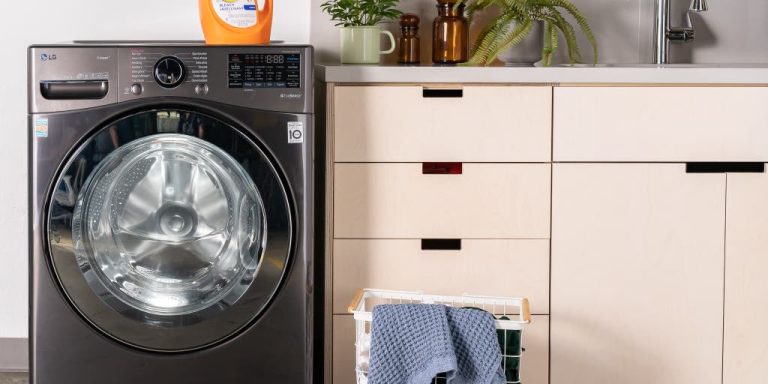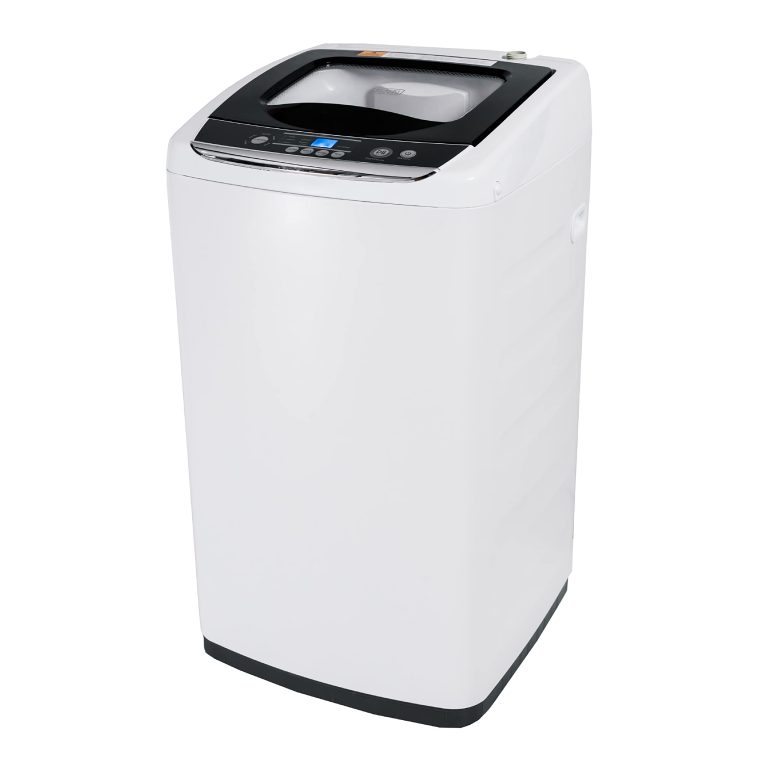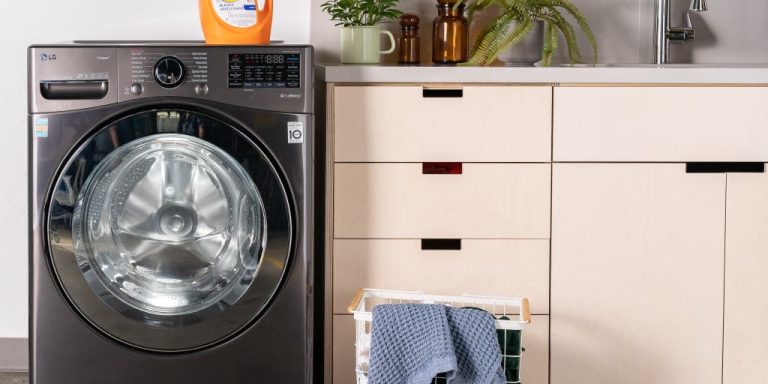
To winterize a washing machine, turn off the water supply and disconnect the hoses from the faucet and machine. Additionally, drain all excess water from the hoses and pump, and clean the interior of the machine.
Welcome to our guide on how to winterize a washing machine! As the colder months approach, it’s essential to prepare your appliances for the freezing temperatures to prevent damage and prolong their lifespan. Winterizing your washing machine involves a few simple steps to ensure that it remains in optimal condition.
We will provide you with a concise and precise guide on how to effectively winterize your washing machine. By following these steps, you can protect your appliance from the potential risks posed by freezing water and ensure its smooth operation when you need it most. Let’s get started!
Importance Of Winterizing
Winterizing your washing machine is essential to protect it from freezing temperatures and potential damage. By following a few simple steps, such as draining the water, cleaning the filters, and insulating the hoses, you can ensure your washing machine stays in good working condition throughout the winter months.
Preventing Damage From Freezing Temperatures
Freezing temperatures can wreak havoc on your washing machine if it is not properly winterized. Water left inside the machine during the winter months can freeze, expand, and cause significant damage to the internal components. By taking the necessary steps to winterize your washing machine, you can prevent costly repairs and extend its lifespan.
Ensuring Optimal Performance During Winter
Winter weather can impact the performance of your washing machine if it is not prepared for the cold. Cold water entering the machine can affect the efficiency of the wash cycle, resulting in longer cleaning times and higher energy consumption. Additionally, extreme cold temperatures can cause the detergent to thicken, leading to ineffective cleaning results. By winterizing your washing machine, you can ensure optimal performance even in the coldest months.
Preventing Mold And Mildew Growth
In the winter, it is common for homeowners to experience higher humidity levels indoors. When combined with the damp environment inside an unprepared washing machine, this can create the perfect conditions for mold and mildew growth. Not only can this damage your machine, but it can also lead to unpleasant odors on your freshly cleaned clothes. Winterizing your washing machine is crucial to prevent the growth of mold and mildew, ensuring your laundry stays fresh and odor-free.
Preserving Warranty Coverage
Most washing machines come with manufacturer warranties that protect against defects and malfunctions. However, neglecting to winterize your machine may void these warranties. Manufacturers often include clauses that require proper maintenance, including winterization, to keep the warranty valid. By following the winterizing steps recommended by the manufacturer, you can preserve your warranty coverage and have peace of mind knowing that any potential issues will be covered.
Keeping Energy Costs In Check
Winterizing your washing machine can also help you save on energy costs during the colder months. When a washing machine is not properly winterized, it may need to work harder to maintain its performance in cold temperatures. This increased workload can result in higher energy consumption and, consequently, higher electricity bills. By taking the time to winterize your washing machine, you can keep your energy costs in check and enjoy the benefits of a more efficient appliance.
Steps To Winterize
When preparing to face the harsh winter months, it’s important to winterize your washing machine to ensure it remains in good working condition. Winterizing your washing machine involves taking several steps to protect it from potential freeze damage. By following the steps outlined below, you can ensure that your washing machine remains in optimal condition throughout the winter season.
Turn Off Water Supply
Before beginning the winterization process, the first step is to turn off the water supply to your washing machine. Locate the shut-off valve, typically situated behind the machine, and close it to prevent any water from entering the appliance.
Empty The Water Hoses
After turning off the water supply, the next step is to empty the water hoses. Start by unplugging the machine and disconnecting the hoses from the supply and the washer. Once removed, ensure that each hose is thoroughly drained of water to prevent any potential freezing, which can cause damage. It is also important to check for any buildup of debris or mold inside the hoses.
Cleaning And Maintenance
When it comes to winterizing your washing machine, cleaning and maintenance are crucial steps to ensure its proper functioning during the cold months. By following a few simple tasks, you can help extend the life of your machine and prevent any potential issues.
Inspect For Leaks And Wear
Regularly checking your washing machine for any signs of leaks or wear and tear is essential for maintaining its efficiency and preventing water damage. Look for worn hoses, loose connections, or rust around the fittings. If you notice any issues, promptly replace or repair the affected parts to avoid potential leaks that could lead to water damage.
Clean The Interior
Keeping the inside of your washing machine clean is paramount to ensuring its optimal performance. Over time, detergent residue, mold, and mildew can build up inside the machine, leading to unpleasant odors and potentially affecting the cleanliness of your laundry. Regularly clean the interior of your washing machine by running a hot water cycle with vinegar or a specialized washing machine cleaner. Be sure to also wipe down the door seal and detergent dispensers to remove any residue.
Protective Measures
To winterize a washing machine, disconnect hoses, drain excess water, and clean the filter to prevent freezing damage. Insulate pipes and keep the area warm to protect the appliance during the cold season. Regular maintenance ensures a properly functioning machine even in harsh winter conditions.
Use Insulated Pipe Wrap
One of the crucial steps in winterizing your washing machine is to protect the pipes that supply water to it. To prevent freezing and potential damage, consider using insulated pipe wrap. This simple yet effective solution acts as a barrier against the cold temperatures, keeping the pipes insulated and safe.
Insulated pipe wrap:
- Provides thermal protection for your water supply lines
- Prevents pipes from freezing and bursting, saving you from expensive repairs
- Easy to install and can be found at your local hardware store
- Offers peace of mind knowing that your washing machine will continue working efficiently throughout the winter
Consider Installing A Water Heater Blanket
In addition to insulating the pipes, another protective measure to keep in mind is installing a water heater blanket. This insulating cover helps maintain the temperature of the water inside the heater and reduces heat loss.
Benefits of a water heater blanket:
- Increases energy efficiency, resulting in potential cost savings on your utility bills
- Minimizes the workload on your water heater, extending its lifespan
- Helps maintain a consistent water temperature, ensuring your washing machine operates at its best
- Available in various sizes and materials, making it suitable for different types of water heaters
By taking these protective measures, you can safeguard your washing machine during the winter season. Insulating the pipes with wrap and installing a water heater blanket not only prevent freezing but also contribute to energy efficiency and cost savings. Don’t overlook these simple yet effective steps to ensure your washing machine stays in perfect working condition throughout the colder months.
Additional Tips
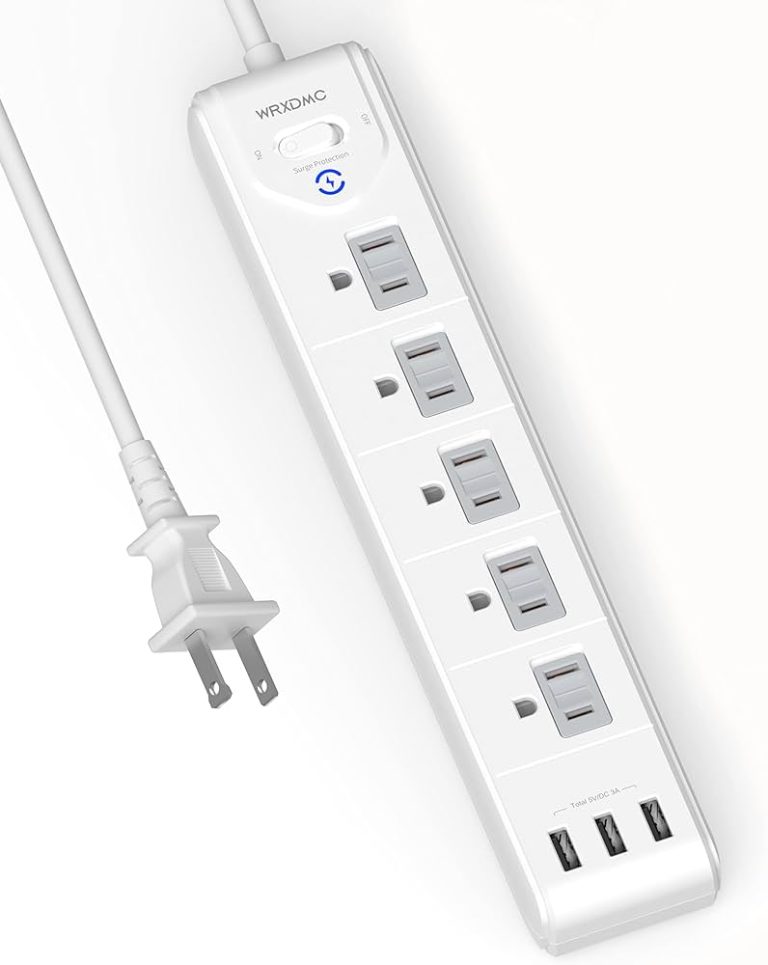
Prepare your washing machine for winter by turning off the water supply, disconnecting hoses, and running a cleaning cycle with vinegar. Insulate exposed pipes and consider using a surge protector to safeguard your appliance from power surges during colder months.
With cold weather approaching, taking the extra steps to winterize your washing machine can help prevent damage and ensure smooth operation throughout the season. Here are some additional tips to further prepare your washing machine for the winter months: “`htmlRun A Cleaning Cycle
“` – Perform a cleaning cycle: Get rid of any built-up residue and detergent scum. – Use a washing machine cleaner: Helps eliminate odor-causing bacteria. – Use hot water: Ideal for cleaning the interior components effectively. “`htmlCheck The Drainage System
“` – Inspect drain hoses: Look for leaks or clogs that may hinder drainage. – Ensure proper installation: Secure all connections for efficient water flow. – Clean the lint trap: Remove lint to prevent blockages and potential flooding.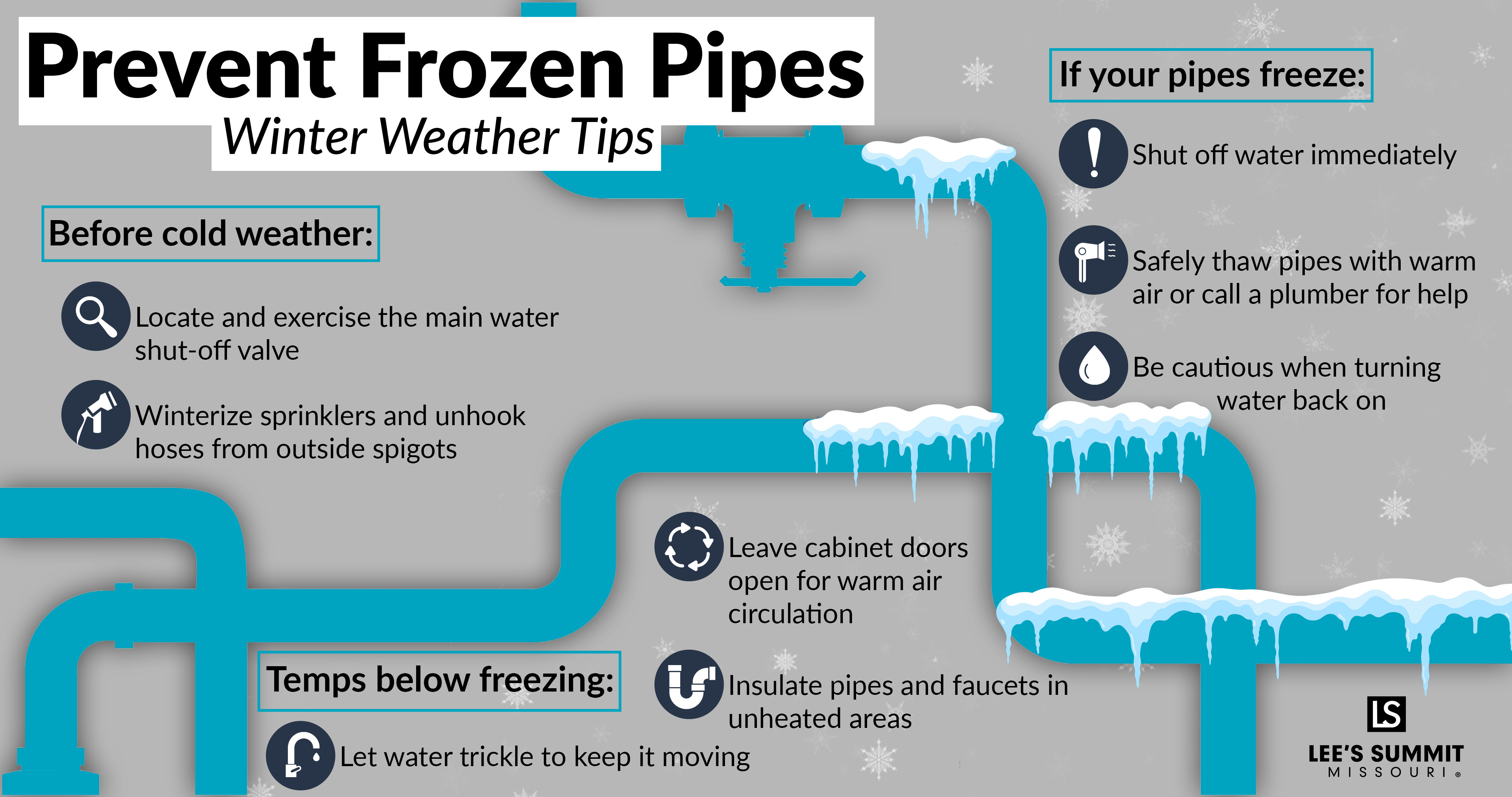
Credit: cityofls.net
Professional Assistance
Get professional assistance on how to winterize your washing machine with these simple steps. Protect your device from the cold weather and ensure it stays in perfect condition throughout the winter season.
When To Seek Help From A Technician
If your washing machine is showing persistent issues after winterizing, seek professional help.
Schedule Routine Maintenance
Regularly maintaining your washing machine can prevent major breakdowns.
Professional Assistance: When it comes to winterizing your washing machine, some tasks require the expertise of a technician.
If you notice leaks, strange noises, or electrical problems, it’s time to consult a technician.
A technician can identify underlying issues and ensure your washing machine is winter-ready.
Remember, proactive maintenance can extend the lifespan of your appliance.
| Signs to Seek Help: |
| Leaking water |
| Loud or unusual noises |
| Electrical malfunctions |
- Technicians can diagnose and fix problems efficiently.
- Schedule routine maintenance to avoid costly repairs.
- Seek professional assistance for complex issues.
- Regular maintenance checks ensure optimal washing machine performance.
Don’t hesitate to reach out for help if you encounter persistent problems.
Common Mistakes To Avoid
When winterizing a washing machine, there are several common mistakes that can lead to costly repairs or damage. It’s important to avoid these missteps to ensure the proper functioning of your appliance throughout the winter months.
Neglecting To Remove Standing Water
Leaving standing water in the hoses and tub of the washing machine can lead to freezing and potential damage. It’s crucial to drain all water from the machine and hoses to prevent this from happening. Failing to do so can result in cracked hoses or valves, causing leaks and other issues when you start using the machine again.
Skipping Regular Cleaning
Neglecting regular cleaning of the washing machine can lead to a buildup of detergent residue, mold, and mildew. This can affect the machine’s performance and cause foul odors. Regular cleaning is essential to maintain the efficiency and longevity of the appliance. It’s important to clean the detergent dispenser, door seal, and drum to prevent these issues from occurring.

Credit: www.linkedin.com
Credit: sosappliancerepairs.com
Frequently Asked Questions On How To Winterize A Washing Machine
How Do I Protect My Washing Machine From Freezing Weather?
To protect your washing machine from freezing weather, disconnect and drain all hoses, insulate exposed pipes, and keep the machine in a heated area. Use a space heater or heat tape, and leave the washer door open to promote air circulation.
How Do You Completely Drain A Washing Machine For Storage?
To completely drain a washing machine for storage, run an empty hot water cycle. Add 2 cups of vinegar and let it sit for 30 minutes. Then, run another hot water cycle to rinse. Leave the door open to air dry.
How Do You Drain A Washing Machine To Keep It From Freezing?
To drain a washing machine and prevent freezing, start by turning off the water supply. Next, disconnect the hoses and empty any remaining water. Use a bucket or towels to soak up any excess water. Keep the machine’s door open to allow for ventilation and prevent moisture buildup.
How Do I Prepare My Washing Machine For Cold Storage?
To prepare your washing machine for cold storage, clean it thoroughly, disconnect water supply, drain excess water, and leave the door slightly ajar to prevent odors.
Conclusion
Winterizing your washing machine is essential to protect it from freezing temperatures and potential damage. By following the steps outlined in this blog post, you can ensure that your washing machine remains in optimal condition throughout the winter months. Remember to disconnect the water supply, drain all the water from the machine, and clean any remaining detergent or residue.
Taking these precautionary measures will extend the lifespan of your washing machine and save you from costly repairs. So, don’t forget to winterize your washing machine before the cold weather hits. Happy washing!