The ideal number of blades on a ceiling fan is typically between 3 to 5 for optimal performance. Ceiling fans with 4 blades strike a good balance between airflow efficiency and noise levels.
Ceiling fans are a popular choice for cooling and circulating air in homes. One of the key considerations when selecting a ceiling fan is the number of blades it has. While the number of blades can affect a fan’s performance, the ideal number is generally between 3 to 5.
Fans with fewer blades are often quieter but may not circulate as much air, while fans with more blades can provide better airflow but may generate more noise. We will explore the factors to consider when determining how many blades on a ceiling fan is best for your needs.
Importance Of Ceiling Fan Blades
Ceiling fan blades play a crucial role in determining the effectiveness and performance of a ceiling fan. The number of blades on a fan can affect its airflow, efficiency, and noise level. Understanding the significance of ceiling fan blades can help you make an informed decision when selecting the best fan for your space.
Benefits Of Ceiling Fan Blades
Ceiling fan blades are not just aesthetic elements; they serve functional purposes as well. Their design and construction impact the airflow and circulation within a room, contributing to the overall comfort and energy efficiency. The angle and shape of the blades also play a significant role in distributing air evenly, helping to maintain a comfortable environment.
Impact Of Blade Count On Performance
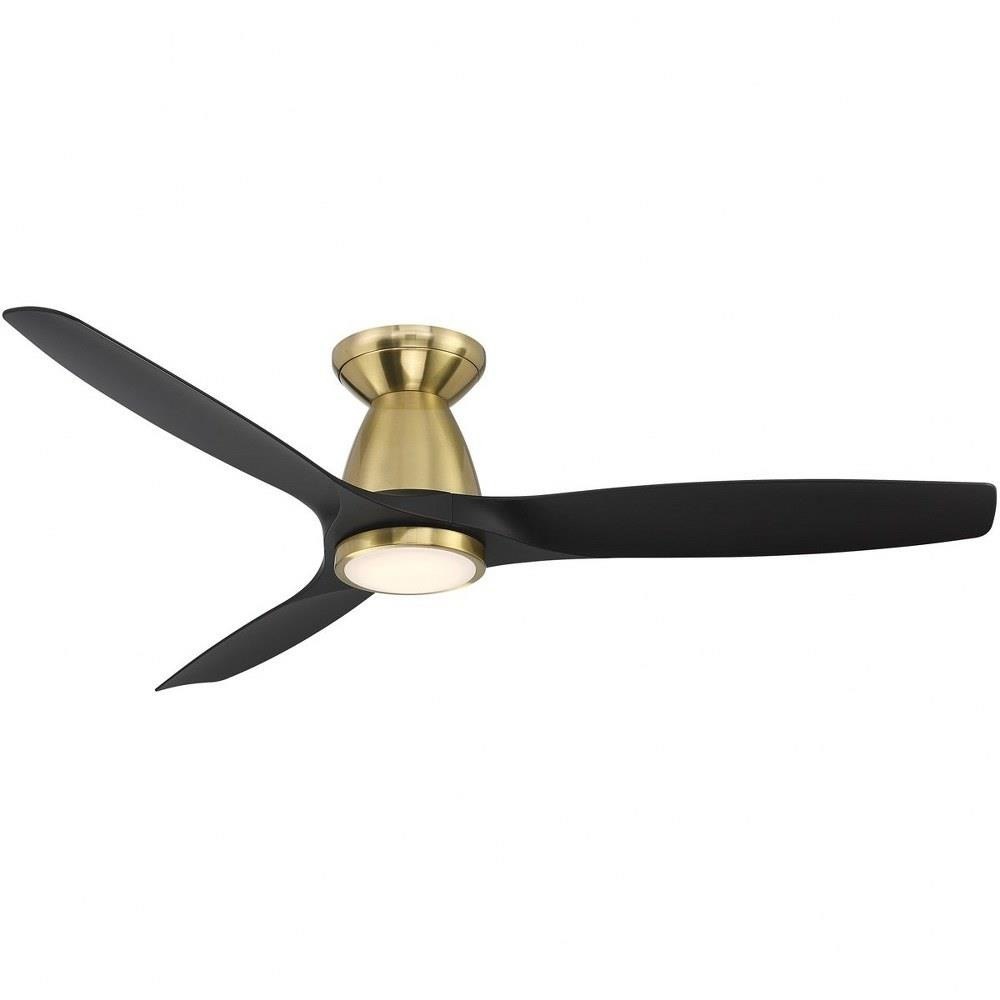
The blade count of a ceiling fan can directly impact its performance. Fans with fewer blades tend to generate less drag, which may result in higher airflow and energy efficiency. On the other hand, fans with more blades can produce quieter operation and may be preferred for specific settings. Understanding the impact of blade count on performance can help you choose the most suitable option for your needs.
Credit: www.1stoplighting.com
Determining The Optimal Blade Count
Choosing the right blade count for your ceiling fan is crucial for efficient air circulation and overall performance. Factors like room size, blade material, and motor power play a role in determining the optimal number of blades.
Factors Affecting Blade Count
- Room Size: Larger rooms may benefit from a fan with more blades for increased airflow.
- Blade Material: Heavier blades, such as those made of wood, may require fewer blades for balance and stability.
- Motor Power: A powerful motor can compensate for fewer blades and still provide adequate airflow.
Scientific Insights On Blade Count
- A study suggests that more blades do not necessarily equate to better performance, as blade shape and angle can also impact airflow.
- Balancing the number of blades with motor efficiency is key to achieving the optimal balance between airflow and energy consumption.
Effects On Airflow And Comfort
Ceiling fan blade count affects airflow and comfort. Find out the optimal number of blades for maximum efficiency and pleasant cooling experience.
A ceiling fan is an essential appliance in every home, providing much-needed comfort during hot summer days or stuffy indoor environments. But have you ever wondered how the number of blades on a ceiling fan affects its overall performance? In this article, we will delve into the relationship between blade count and airflow, as well as explore the impact on comfort and noise levels.
Relationship Between Blade Count And Airflow
When it comes to ceiling fans, the number of blades plays a crucial role in determining the airflow in a room. While some may assume that more blades automatically translate to better circulation, this isn’t always the case. In fact, the relationship between blade count and airflow is more complex than it seems.
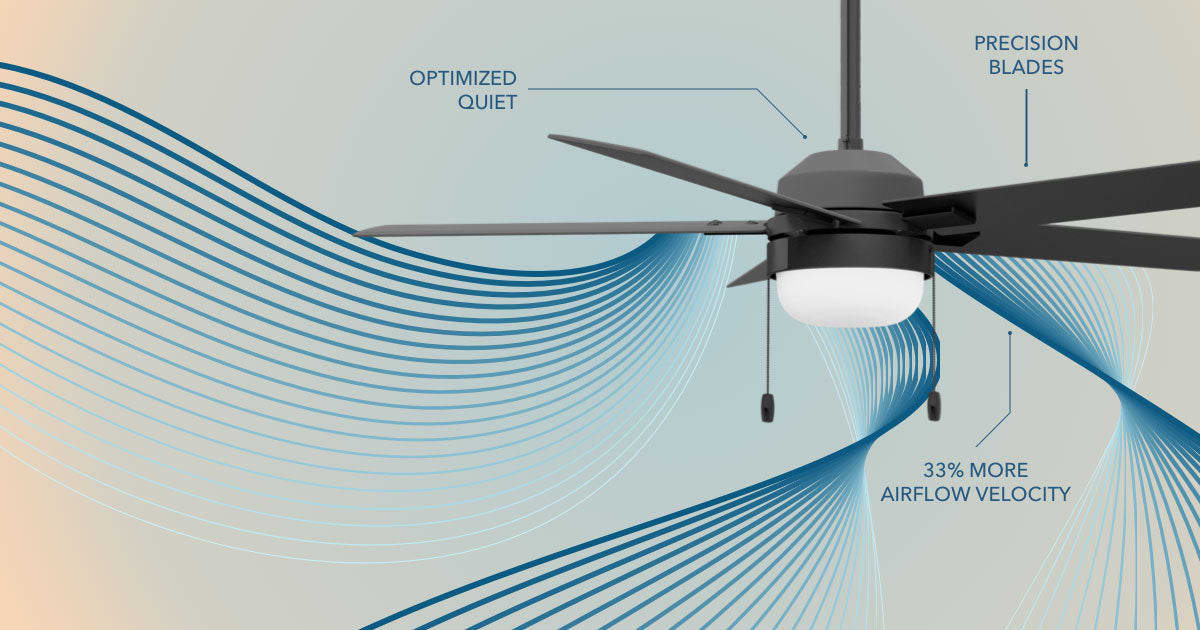
Generally, ceiling fans with fewer blades tend to create a stronger, more focused airflow. This is because there is less drag from the blades, allowing for increased air movement. On the other hand, ceiling fans with more blades generate a broader, gentler breeze. The additional blades help to distribute airflow across a wider area, making them suitable for larger rooms or areas with multiple occupants.
To simplify the information, refer to the table below, outlining the relationship between blade count and airflow:
| Number of Blades | Airflow |
|---|---|
| 2-3 blades | Strong, focused airflow |
| 4-5 blades | Broader, gentle airflow |
Comfort And Noise Considerations
Aside from airflow, the number of blades on a ceiling fan also has an impact on comfort and noise levels. Let’s take a closer look at these considerations:
- Comfort: Ceiling fans with fewer blades can create a more powerful breeze, making them ideal for individuals who desire a cooling effect that is noticeable and refreshing. On the other hand, ceiling fans with more blades generate a gentler air movement, which some people find to be more comfortable, especially during mild weather conditions.
- Noise: The number of blades can affect the noise level produced by a ceiling fan. In general, fans with fewer blades tend to be quieter, as there is less interaction between the blades and the air. Conversely, fans with more blades may produce a subtle humming noise due to increased turbulence and airflow interaction. However, it’s important to note that noise levels can also depend on other factors, such as the fan’s motor quality and overall design.
Ultimately, the choice between a ceiling fan with fewer or more blades boils down to personal preference and specific room requirements. Consider the size of the space, desired airflow intensity, and noise tolerance when selecting the perfect ceiling fan for your home.
Credit: www.hunterfan.com
Energy Efficiency And Utility
One of the key factors to consider when choosing a ceiling fan is its energy efficiency and utility. The number of blades on a fan plays a significant role in these aspects. In this section, we will explore the efficiency comparison of blade counts and the utility in different room sizes.
Efficiency Comparison Of Blade Counts
Understanding the efficiency of ceiling fan blades is crucial in maximizing the energy-saving potential of your home or office. While it may seem logical to assume that more blades equate to better performance, it’s not always the case. Let’s compare the efficiency of ceiling fans with different blade counts:
- A fan with three blades is generally considered the most energy-efficient option. The fewer blades allow for less air resistance, reducing the load on the motor and resulting in lower energy consumption.
- Fans with four or five blades strike a balance between energy efficiency and airflow. These options can provide sufficient airflow while still saving energy compared to fans with more blades.
- Ceiling fans with six or more blades tend to prioritize aesthetics over energy efficiency. Although they may create a visually striking centerpiece, they might consume more energy than necessary to generate the same airflow.
Ultimately, it’s important to balance your desire for energy efficiency with your aesthetics preferences when selecting the number of blades for your ceiling fan.
Utility In Different Room Sizes
The utility of ceiling fan blades also varies depending on the size of the room. Choosing the optimal blade count for your room size ensures that you achieve the right balance of airflow and comfort. Consider the following guidelines:
| Room Size | Ideal Blade Count |
|---|---|
| Small rooms (up to 100 sq. ft) | 2-3 blades |
| Medium rooms (100-300 sq. ft) | 3-4 blades |
| Large rooms (300+ sq. ft) | 4-5 blades |
Smaller rooms require fewer blades to circulate air efficiently, while larger rooms benefit from the added airflow provided by extra blades. By selecting the ideal blade count for your room size, you can optimize airflow and ensure maximum comfort.
Aesthetics And Design Considerations
Aesthetics and Design Considerations:
Impact Of Blade Count On Visual Appeal:
The number of blades on a ceiling fan directly influences its look and feel.
Fewer blades create a sleek, modern appearance, while more blades deliver a traditional aesthetic.
Matching Blade Count To Room Aesthetics:
Consider the size of the room when choosing the blade count to enhance the overall visual harmony.
Opt for fewer blades in smaller rooms and more blades in larger spaces for balanced aesthetics.
Innovations And Future Trends
When it comes to ceiling fan blades, technological advancements and changing preferences have led to several innovations and future trends. From blade design to the number of blades, manufacturers are constantly striving to enhance the performance and aesthetics of ceiling fans. In this section, we will explore the latest developments in blade design and the evolving trends in blade count preferences.
Technological Advancements In Blade Design
The advancement of technology has revolutionized the way ceiling fan blades are designed. In today’s market, you can find a wide range of blade materials, shapes, and finishes, each with its own unique benefits. Manufacturers are experimenting with lightweight materials like aluminum and composite plastics, which not only reduce the weight of the fan but also improve energy efficiency. These innovative materials also make it possible to create more intricate blade designs, enhancing the visual appeal of the fan.
Additionally, blade shapes are also undergoing significant transformations. Traditional flat blades are being replaced by curved designs, which are not only more aesthetically pleasing but also help to increase the airflow in the room. Some ceiling fans even come with specialized blade designs like the “winglet” shape, inspired by aircraft wings, which further enhance the air movement and reduce noise levels.
Trends In Blade Count Preferences
Over the years, there has been a shift in the preferred number of blades in ceiling fans. Gone are the days when the standard was limited to three or four blades. Today, you can find fans with as few as two blades or as many as nine blades. But what drives these changing preferences?
One of the main reasons behind the shift is the belief that more blades result in better performance. Many people associate a higher blade count with increased airflow and cooling capacity. However, it’s important to note that the number of blades alone does not determine a fan’s efficiency. Research has shown that factors like blade shape, angle, and motor power play a more significant role in air movement.
Another factor influencing blade count preferences is aesthetics. Fans with an odd number of blades, like three or five, offer a more traditional look, while those with an even number of blades, like four or six, provide a modern and sleek appearance. Homeowners often choose a fan based on their interior design style and personal preferences.
In conclusion, technological advancements have led to a wide range of blade designs, offering improved performance and aesthetics. The number of blades in a ceiling fan is no longer limited to convention; instead, it is driven by personal preferences and the desired visual impact. Whether you opt for fewer or more blades, it’s important to consider factors like material, shape, and motor power to ensure optimal cooling and efficiency.
Choosing The Ideal Blade Count
Customizing Blade Count For Specific Needs
Consider factors like room size and ceiling height to determine the ideal number of fan blades.
For larger rooms, opt for fans with more blades to increase air circulation, typically five blades.
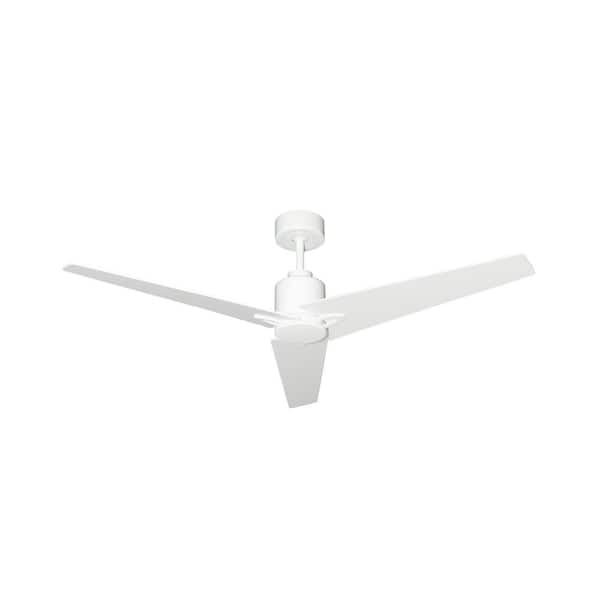
Smaller rooms may benefit from three-blade fans, providing efficient cooling without overwhelming the space.
Maximizing Benefits For Your Space
Adjust blade count based on ceiling fan function—more blades emphasize airflow while fewer blades focus on aesthetic appeal.
Experiment with different blade counts to find the perfect balance of efficiency and style for your room.
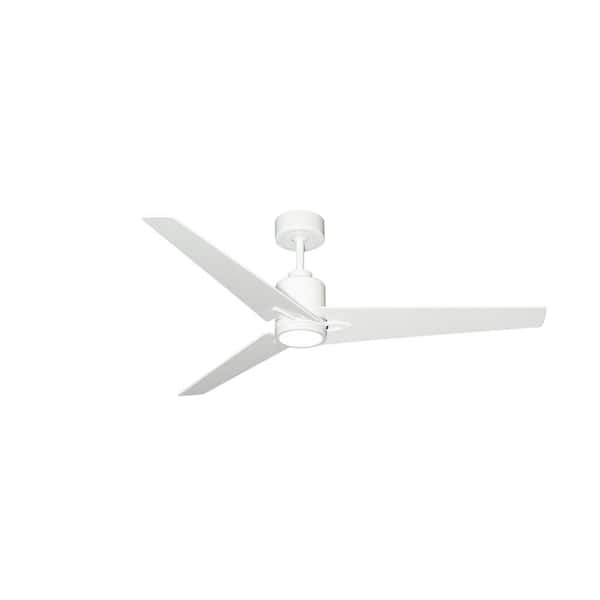
Credit: www.homedepot.com
Frequently Asked Questions For How Many Blades On Ceiling Fan Is Best
Are 3 Or 5 Blade Ceiling Fans Better?
Three-blade ceiling fans are better for smaller rooms, as they offer a sleeker look and less airflow resistance. Five-blade fans are ideal for larger rooms for more airflow coverage and better circulation. Choose based on room size and airflow needs.
Is A 3 Blade Or 5 Blade Standing Fan Better?
In general, a 5-blade standing fan provides better airflow circulation and cooling compared to a 3-blade fan. The additional blades help to distribute air more effectively, making the 5-blade fan a preferred choice for larger spaces or rooms.
Is A 3 Blade Or 4 Blade Ceiling Fan Better?
A 3-blade ceiling fan may be more energy-efficient, while a 4-blade fan can provide more airflow. Both have their advantages, so consider your specific needs when choosing. Regular maintenance and proper installation also play a role in the fan’s effectiveness.
What Is The Best Number Of Blades For A Ceiling Fan?
For a ceiling fan, the best number of blades is typically 4 or 5. These configurations provide a good balance between airflow efficiency and noise level.
Conclusion
To determine the best number of blades for a ceiling fan, various factors such as room size, ceiling height, and personal preferences should be considered. While more blades can result in quieter operation and improved air circulation, there is no definitive answer.
Ultimately, it is important to choose a ceiling fan that suits your specific needs and complements your room decor. Experimentation and finding the right balance between aesthetics and functionality are key to finding the best blade count for your ceiling fan.