Hisense and Tcl TVs both offer a range of features and options for consumers to choose from. In today’s competitive market, consumers have a variety of options when it comes to purchasing a new TV.
Two prominent brands that often come up in discussions are Hisense and Tcl. These brands offer a wide range of models and features to cater to different needs and budgets. We will explore the differences between Hisense and Tcl TVs, helping you make an informed decision about which brand to choose.
Whether you are looking for a budget-friendly option or a high-end model with all the latest technology, understanding the offerings of each brand will help you find the right TV for your home.

Credit: www.rtings.com
Display Technology
The display technology is a crucial factor to consider when choosing between Hisense and TCL TVs. It determines the quality of the images and videos you’ll be enjoying on your screen. In this section, we’ll delve into the differences between LED, QLED, and ULED technologies, as well as the significance of HDR and Dolby Vision.
Led Vs Qled Vs Uled
LED stands for Light Emitting Diode, and it is the most common display technology found in modern TVs. It relies on an array of tiny LEDs that illuminate the screen and produce the desired colors and brightness. LED TVs offer excellent picture quality, high contrast ratios, and vibrant colors.
QLED, on the other hand, stands for Quantum Dot LED. It improves upon the traditional LED technology by incorporating a layer of quantum dots in front of the LEDs. These quantum dots can emit very precise and vibrant colors, resulting in a wider color gamut and better accuracy.
ULED is a proprietary display technology developed by Hisense. It is a combination of advanced video algorithms, innovative backlighting techniques, and precise color management. ULED TVs offer enhanced brightness, better contrast ratios, and improved color accuracy, providing viewers with a truly immersive visual experience.
Hdr And Dolby Vision
HDR, which stands for High Dynamic Range, is a feature that enhances the contrast and color accuracy of a TV. It allows for a broader range of colors and provides more details in both the dark and bright areas of the image. HDR technology brings out the full potential of the content you watch, making it more vibrant and lifelike.
Dolby Vision is an advanced HDR format developed by Dolby Laboratories. It takes HDR to the next level by offering dynamic metadata, which allows the TV to adjust the brightness, contrast, and color levels on a scene-by-scene basis. The result is a more precise and nuanced picture quality, with stunning realism and depth.
When it comes to display technology, both Hisense and TCL offer a range of options to suit different preferences. Whether you prefer the tried and tested LED technology, the enhanced color accuracy of QLED, or the innovative ULED for a truly immersive experience, you can find a TV that meets your needs. Additionally, the inclusion of HDR and Dolby Vision ensures that you’ll be able to enjoy content with exceptional picture quality and realism.
Credit: m.economictimes.com
Smart Tv Features
Operating Systems: Android Tv Vs Roku
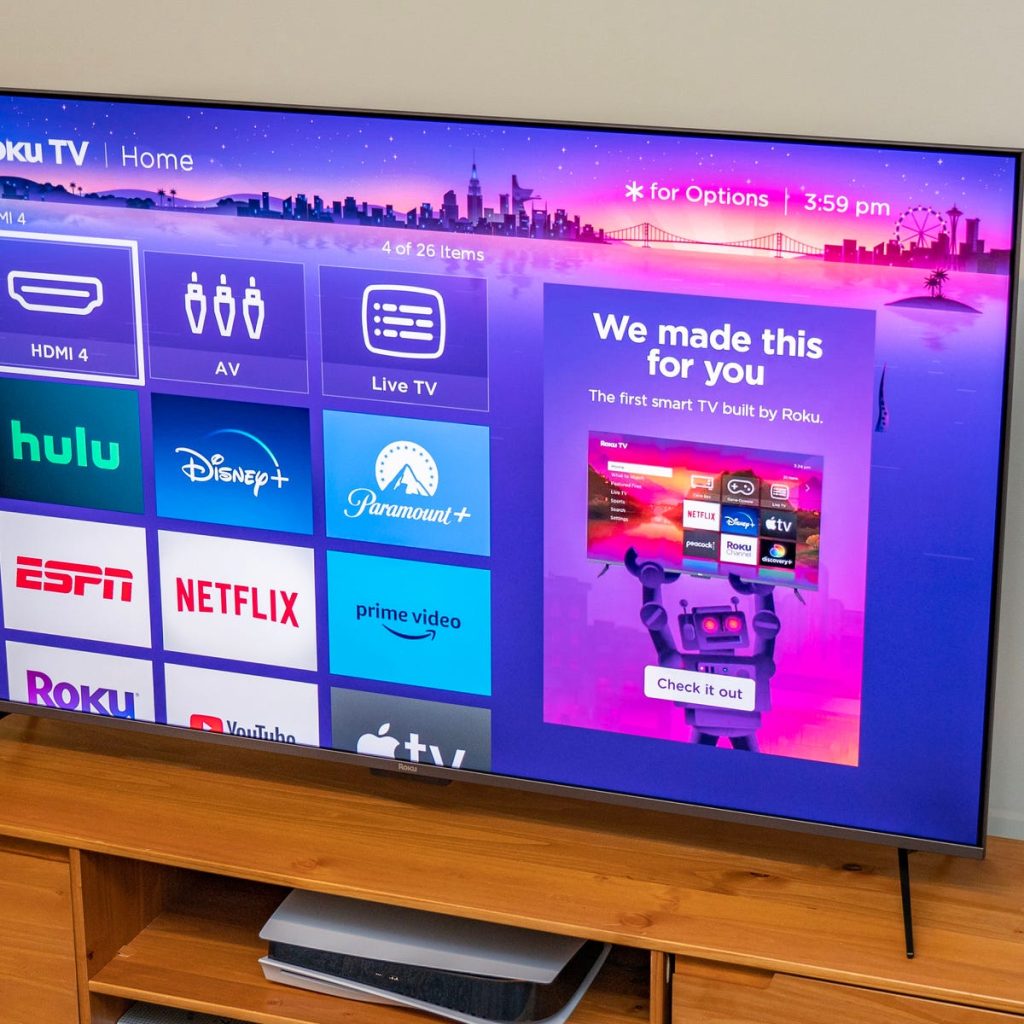
Hisense and TCL TVs offer distinct operating systems – Android TV and Roku, respectively. Android TV is known for its customization options and Google Assistant integration, while Roku provides a user-friendly interface.
App Availability And User Interface
Both Hisense and TCL Smart TVs have a wide range of apps available for streaming and entertainment. The user interface on Android TV is intuitive, with a seamless navigation experience, whereas Roku’s interface is straightforward and easy to use.
Audio Performance
When considering Hisense vs TCL TVs, one crucial aspect is Audio Performance. The sound quality and speaker configuration can greatly impact your viewing experience.
Sound Quality
Both Hisense and TCL TVs offer impressive sound quality, delivering clear audio for an immersive experience.
Speaker Configuration
Hisense TVs typically come equipped with a dynamic speaker configuration, while TCL TVs feature innovative sound technologies.
Virtual Surround And Dolby Atmos
- Virtual Surround: Hisense and TCL TVs utilize virtual surround technology to create a more expansive audio experience.
- Dolby Atmos: TCL TVs are renowned for their Dolby Atmos support, providing cinema-like sound quality.
Design And Build
When it comes to choosing a new TV, the design and build are important factors to consider. Both Hisense and TCL have gained popularity for their high-quality TVs at affordable prices. In this article, we will compare the design and build of Hisense and TCL TVs, focusing on the bezel and stand design as well as the thickness and weight.
Bezel And Stand Design
The bezel and stand design of a TV can greatly impact its overall appearance. Hisense and TCL TVs both strive for a sleek and stylish look, but they differ in some aspects.
- Hisense TVs are known for their sleek and minimalistic bezel design, with thin edges that maximize the screen space. This bezel design provides an immersive viewing experience, where the content becomes the center of attention.
- TCL TVs, on the other hand, often feature a slightly wider bezel design. While not as minimalistic as Hisense, TCL TVs still offer a modern and attractive look. The wider bezel can sometimes be seen as an advantage, as it provides a better grip when handling the TV.
When it comes to the stand design, both Hisense and TCL offer sturdy and well-built options. Hisense often opts for a minimalist stand design, perfectly complementing the sleek bezel. TCL, on the other hand, offers a more traditional stand design, which adds stability and functionality to the TV.
Thickness And Weight
Another important aspect to consider when choosing a TV is its thickness and weight. Hisense and TCL TVs vary in these categories, catering to different preferences.
| Brand | Thickness | Weight |
|---|---|---|
| Hisense | Approximately 2.5 inches thick | Varies depending on the model, ranging from 20 to 50 pounds |
| TCL | Varies depending on the model, ranging from 2.5 to 3 inches thick | Varies depending on the model, ranging from 15 to 40 pounds |
Hisense TVs tend to have a thinner profile compared to TCL, making them ideal for wall-mounting or placing on a slim TV stand. TCL TVs, while slightly thicker, still offer a reasonably slim profile that fits well in most living spaces. The weight of the TVs depends on the specific model, with both Hisense and TCL offering a range of options to suit different needs.
Ultimately, the choice between Hisense and TCL TVs in terms of design and build depends on personal preference. Hisense provides a sleek bezel design and minimalist stand, while TCL offers a wider bezel for a modern look and a traditional stand for added stability. Thickness and weight differ between models, but both brands offer slim and lightweight options. Whether you prioritize a minimalist design or a wider bezel, both Hisense and TCL deliver TVs that are visually appealing and well-built.
Input/output Ports
Hisense and TCL TVs offer a range of input/output ports for seamless connectivity. Enjoy hassle-free connections with multiple HDMI, USB, and audio ports, providing flexibility and convenience for all your entertainment needs. Experience high-quality visuals and immersive sound with these advanced TV technology options.
Hdmi
Hisense and Tcl TV both offer multiple HDMI ports for connecting external devices.
Usb
Hisense TVs typically come with two USB ports, whereas Tcl models may vary in the number of USB ports available.
Other Connectivity
Both Hisense and Tcl TVs feature a range of other connectivity options, such as Ethernet, VGA, and AV inputs.
Audio and Headphone Jacks provide additional flexibility for connecting external speakers or headphones.
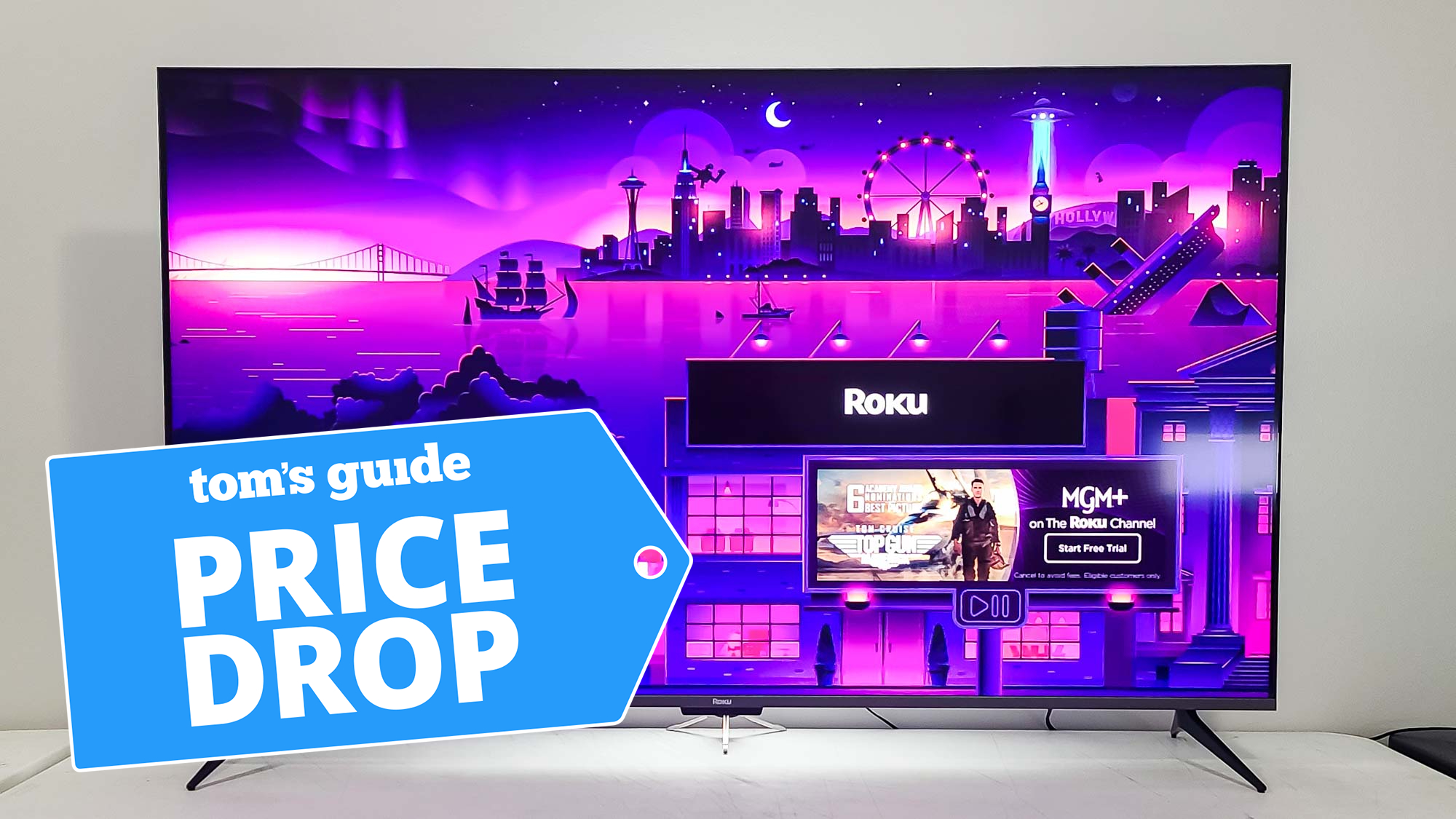
Credit: www.tomsguide.com
Remote Control And Voice Assistant
When it comes to home entertainment, the Remote Control and Voice Assistant features play a crucial role in enhancing the user experience. Let’s delve into the Remote Control functionalities and Voice Assistant integration of Hisense and Tcl TVs.
Remote Features And Usability
- Hisense TVs come with an ergonomic remote control design for easy usability.
- Tcl TV remotes are sleek and intuitive, making navigation a breeze.
- Both remotes offer quick access to menu options and dedicated buttons for streaming services.
Integration Of Voice Commands
- Hisense TVs are equipped with built-in voice control, allowing users to search for content effortlessly.
- Tcl TVs feature advanced voice recognition technology for hands-free operation.
- Both brands support popular voice assistants like Google Assistant and Amazon Alexa.
Price And Value For Money
When it comes to purchasing a new TV, one of the most important factors to consider is the price and value for money. You want to make sure that you are getting the best possible deal for your hard-earned money without compromising on quality and features. In this article, we will compare Hisense and Tcl TVs in terms of comparative pricing and features as well as long-term durability and support.
Comparative Pricing And Features
In terms of pricing, both Hisense and Tcl offer a range of affordable options that cater to different budgets. Hisense TVs are known for their competitive pricing, often providing great value for money. Tcl TVs, on the other hand, are also reasonably priced, making them a popular choice among budget-conscious customers. When comparing specific models, it’s important to consider the features they offer. Hisense TVs usually come with advanced technologies such as HDR (High Dynamic Range) and Dolby Vision, providing a more immersive and vibrant viewing experience. Tcl TVs, in comparison, often come with Roku smart TV functionality built-in, allowing users to easily access a wide range of streaming services and apps.
Long-term Durability And Support
Beyond pricing and features, it’s crucial to consider the long-term durability and support offered by the TV brands. Hisense and Tcl both have a reputation for manufacturing reliable and durable televisions. However, when it comes to support, Hisense has gained recognition for its outstanding customer service and prompt problem resolution. This can provide peace of mind to customers, knowing that help will be readily available when needed. Tcl also offers decent support, but some users have reported longer response times and difficulty in reaching customer service representatives.
Frequently Asked Questions Of Hisense Vs Tcl Tv
Is Hisense Tv Better Than Tcl?
Hisense and TCL TVs both have their strengths, so the better choice depends on your specific needs. Hisense TVs are known for their quality at affordable prices, while TCL TVs are praised for their advanced features and technology. Consider your priorities to make the best decision.
Is Hisense A Good Brand Of Tv?
Yes, Hisense is a good brand of TV known for its affordable prices and decent performance. With a range of features and sizes, Hisense TVs offer good value for money.
Is Tcl A Good Brand Of Tv?
Yes, TCL is a good brand of TV. They offer high-quality televisions with advanced features and excellent picture and sound quality. TCL TVs are also affordably priced, making them a popular choice among consumers.
Is Hisense Better Than Roku?
Hisense and Roku offer different features; choose based on personal preferences and needs.
Conclusion
Ultimately, when choosing between Hisense and TCL TVs, it all comes down to personal preference and specific needs. Both brands offer competitively priced, high-quality televisions with various features and sizes to suit different budgets and requirements. Whether you prioritize exceptional picture quality, user-friendly interfaces, or cutting-edge technology, making an informed decision will ensure a satisfying viewing experience.
Take the time to compare specifications and read customer reviews to find the perfect TV that fits your entertainment needs and enhances your viewing pleasure.