Hand wash is more gentle and suitable for delicate or fragile fabrics, while machine wash is more efficient for larger loads and everyday clothing. Hand wash ensures better control over the washing process and helps maintain the longevity of the clothes, while machine wash provides convenience and saves time.
We will compare the two methods to help you decide which one suits your needs best. We will discuss factors like fabric type, cleaning efficiency, water usage, energy consumption, and garment care instructions to give you a comprehensive understanding of the advantages and disadvantages of hand wash and machine wash.
This will help you make an informed decision when it comes to laundering your clothing effectively.

Credit: www.goodhousekeeping.com
The Debate: Hand Wash Vs. Machine Wash
Discover the pros and cons of hand washing and machine washing. Learn about the impact on clothing quality and environmental factors. Make an informed decision on the best method for your laundry needs.
Effectiveness Of Hand Washing
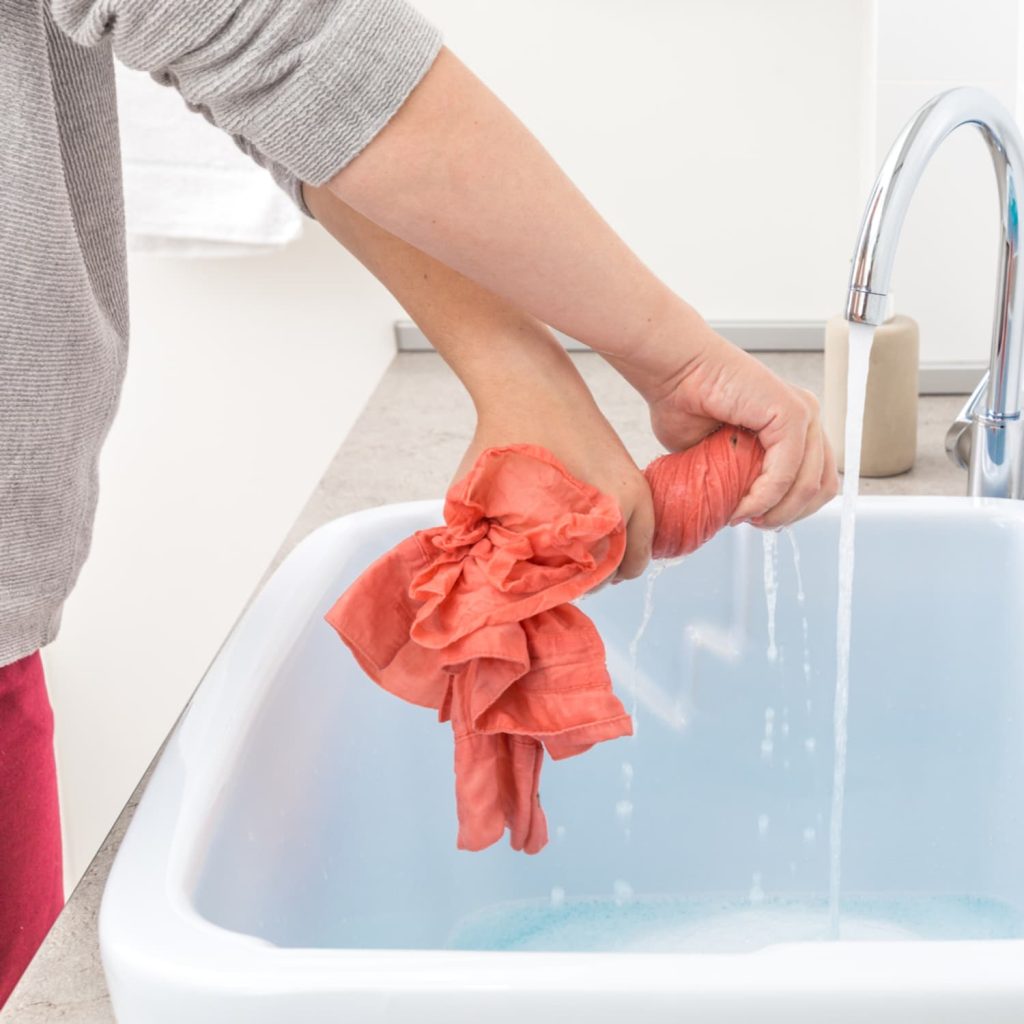
Hand washing has been a longstanding method of cleaning clothes, and it has its own set of advantages. When it comes to delicate fabrics or garments with intricate details, hand washing allows for better control and reduces the risk of damage. Hand washing allows you to use different washing techniques, such as soaking, agitating, and rinsing, which can target and eliminate specific stains or dirt particles. This method is particularly beneficial for clothes that require extra care and attention.
Moreover, hand washing offers a hands-on approach (pun intended) that allows you to physically feel and inspect the fabric as you clean, ensuring a more thorough and personalized clean. Additionally, it gives you the opportunity to pay close attention to areas that may require extra attention, like stains, cuffs, or collars. By washing by hand, you have complete control over the process, leading to potentially better results.
Effectiveness Of Machine Washing
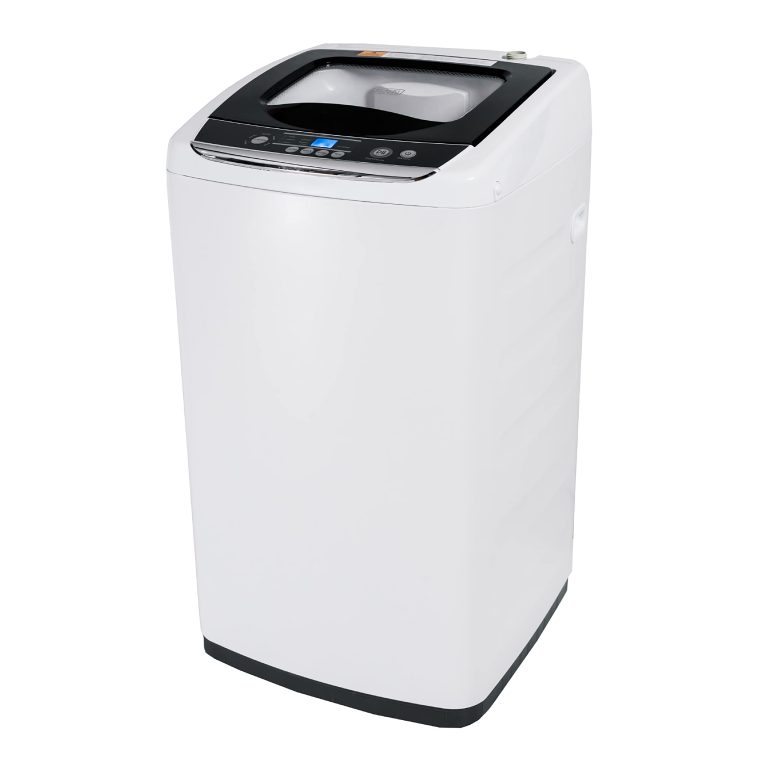
On the other end of the spectrum, machine washing offers convenience and efficiency. Most modern washing machines come with various settings and programs that cater to different fabrics and stain types. With the right detergent and water temperature, machine washing can effectively remove dirt, stains, and odors, leaving your clothes fresh and clean. This method is especially useful for bulk loads or when you have plenty of other tasks to attend to.
Additionally, machines are designed to agitate clothing items vigorously, reaching areas that may be difficult to clean by hand. They can also provide a more thorough rinse, ensuring all detergent residue is properly washed away. Machine washing is generally a faster option, saving you time and energy, especially when dealing with larger loads.
Pros And Cons Of Hand Washing
When deciding between hand washing and machine washing clothes, considering the pros and cons of hand washing can help you make an informed choice.
Pros Of Hand Washing
- Preserves the longevity and quality of delicate fabrics.
- Hand washing gives you more control over the washing process.
- It is a more gentle method for cleaning clothes.
Cons Of Hand Washing
- Hand washing can be time-consuming, especially for larger loads.
- It may not provide as thorough and consistent cleaning as a machine.
- Requires more physical effort compared to using a machine.
Pros And Cons Of Machine Washing
Considering the Pros and Cons of Machine Washing
Pros Of Machine Washing
- Saves time: Machine washing is quicker than hand washing.
- Efficient cleaning: Machines can handle larger loads more effectively.
- Convenience: You can set your machine and continue with other tasks.
Cons Of Machine Washing
- Potential damage: Machines may cause wear and tear on delicate fabrics.
- Energy consumption: Machine washing uses more water and electricity.
- Less personalized: You have less control over the washing process compared to hand washing.

Credit: www.goodhousekeeping.com
Environmental Impact
When it comes to our daily laundry routine, one decision we often have to make is whether to hand wash or machine wash our clothes. However, besides considering convenience and effectiveness, it is important to also think about the environmental impact of these two washing methods. Both hand washing and machine washing have their own set of consequences on our planet. In this blog post, we will explore and compare the
Impact Of Hand Washing
and theImpact Of Machine Washing
on the environment. Let’s dive in!Impact Of Hand Washing
Hand washing clothes may seem like a greener alternative to machine washing as it requires no electricity or water consumption. However, the environmental impact of hand washing is not as straightforward as it seems. Here are some factors to consider:
- Water Usage: Hand washing clothes typically involves using less water compared to machine washing. However, it is important to be mindful of the amount of water we use and avoid excessive wastage.
- Chemicals: Some people tend to use excessive amounts of detergent or fabric softeners when hand washing. These chemicals can end up in our water systems, causing pollution and harming aquatic life.
- Microplastics: When hand washing synthetic fabrics, tiny microplastic particles can be released into the water. These microplastics are harmful to marine life and can end up in our food chain.
While hand washing can be a more eco-friendly choice in terms of water and energy consumption, it is important to be mindful of the products we use and the impact they have on the environment.
Impact Of Machine Washing
Machine washing, on the other hand, offers convenience and saves time. But what is the environmental cost associated with this method? Let’s find out:
- Water Consumption: Machine washing typically requires more water compared to hand washing. Traditional top-loaders use more water than front-loaders, so choosing an energy-efficient machine is essential for reducing water consumption.
- Energy Usage: Washing machines consume a significant amount of electricity during each cycle. Opting for a high-efficiency machine or using cold water whenever possible can help reduce energy consumption.
- Chemical Pollution: The detergents, fabric softeners, and stain removers used in machine washing can contain harmful chemicals that contribute to water pollution. Using eco-friendly and biodegradable products can minimize this impact.
- Microplastic Pollution: Similar to hand washing, machine washing synthetic fabrics can release microplastic particles into the water. Using a special laundry bag or choosing natural fabrics can help reduce microplastic pollution.
Ultimately, machine washing can be more resource-intensive than hand washing, but there are steps we can take to minimize its environmental impact. Choosing energy-efficient machines, reducing water and energy consumption, and using eco-friendly products are all ways to make machine washing more sustainable.
Best Practices For Hand Washing
When it comes to caring for your delicate garments, hand washing is often the best option. It ensures that your clothes are treated with the utmost care, helping to preserve their color, shape, and fabric integrity. Let’s delve into the best practices for hand washing, including the types of fabrics that are best suited for this method and the steps you should follow for effective hand washing.
Types Of Fabrics To Hand Wash
Some fabrics are more prone to damage if tossed into a machine. Hand washing is particularly beneficial for delicate fabrics such as silk, lace, wool, and satin. These textiles require gentle handling and specific attention to maintain their luster and longevity.
Steps For Effective Hand Washing
Effective hand washing entails a few crucial steps to ensure your garments receive the care they deserve. Here’s a simple guide to successful hand washing:
- Sort your garments based on color and fabric type to prevent color bleeding or damage to delicate items.
- Fill a clean basin or sink with lukewarm water and add a small amount of gentle detergent specially formulated for hand washing.
- Submerge your clothing in the water, gently agitating to ensure the soap penetrates the fibers.
- Allow the garments to soak for a short period, then gently massage and swish them to dislodge any dirt or grime.
- Rinse the garments thoroughly with cool water, ensuring all soap is removed.
- Gently squeeze excess water from the clothing – avoid wringing as this can cause damage.
- Lay the items flat on a clean, dry towel and roll it up to extract remaining moisture.
- Finally, reshape the garments and let them air dry away from direct sunlight or heat sources.
:max_bytes(150000):strip_icc()/washing-machine-temperature-GettyImages-1408980050-d2ee47ebf5e3419ea6baa1073a739129.jpg)
Credit: www.realsimple.com
Optimizing Machine Washing
When it comes to optimizing machine washing, it’s important to follow some best practices to ensure that your clothes are cleaned effectively and efficiently. Maximizing the performance of your washing machine not only saves time and energy but also helps in prolonging the lifespan of your garments.
Using The Right Detergent
Choosing the appropriate detergent is crucial for achieving optimal results in machine washing. Always use a high-quality detergent that is suitable for the type of fabric and the level of soiling. Liquid detergents typically dissolve better in water and are ideal for clothes with stains or odors, while powder detergents are often more effective in cleaning heavy-duty fabrics and maintaining bright colors.
Maximizing Energy Efficiency
Efficient use of energy not only reduces utility costs but also benefits the environment. To maximize energy efficiency, consider washing full loads whenever possible. Avoid overheating water unnecessarily, as most detergents work effectively at lower temperatures. Using a cold water setting can also prevent fabric shrinkage and color fading, especially for delicate and vibrant clothing.
Special Considerations
Considering special aspects when washing your clothes is crucial. It ensures that your garments receive the best care and maintain their quality long-term.
Delicate Fabrics
Delicate fabrics need special attention. Hand washing is gentler than machine washing for delicate items. Using a mild detergent and cold water is ideal for lace, silk, and other delicate fabrics.
Stain Removal
Stain removal may vary between hand washing and machine washing. Hand washing allows for more targeted treatment of stains. It’s effective for delicately removing stains without damaging the fabric.
Conclusion And Recommendations
After considering the pros and cons of hand washing and machine washing, it is clear that both methods have their advantages and disadvantages. It ultimately depends on personal preference and the specific needs of each individual.
Choosing The Right Method
When deciding between hand washing and machine washing, it is important to consider factors such as the type of fabric being washed, the level of dirtiness and stains, and the time and effort you are willing to invest in the process.
If you are dealing with delicate fabrics or clothing with intricate designs, hand washing may be the better choice. It allows for more control and gentler treatment, ensuring that the garments remain in good condition.
On the other hand, machine washing offers convenience and efficiency. It is a time-saving option, especially when dealing with large loads of laundry. Modern washing machines also come equipped with various settings and features, allowing you to customize the wash cycle according to your needs.
Maintaining Cleanliness
No matter which washing method you choose, it is essential to ensure proper cleanliness. This includes not only washing the clothes but also taking care of the washing equipment.
For hand washing, make sure to use appropriate detergents and follow the instructions on the label. Rinse thoroughly to remove any soap residue, and allow the garments to air dry or use a gentle drying method.
When machine washing, regularly clean and maintain your washing machine to prevent the buildup of dirt and germs. Follow the manufacturer’s instructions for cleaning and regularly inspect the machine for any damages or leaks.
In conclusion, both hand washing and machine washing have their merits and drawbacks. It is important to weigh these factors and consider your specific needs and preferences when deciding on the appropriate washing method. Whether you choose to hand wash or machine wash, maintaining cleanliness is crucial to ensure hygienic and fresh-smelling clothes.
Frequently Asked Questions On Hand Wash Vs Machine Wash
Is Handwashing Better Than Machine Wash?
Handwashing is better for delicate items and stain removal. Machine wash is efficient for larger loads and heavily soiled items. Both methods have their own benefits depending on the fabric and level of dirt. It’s wise to follow care instructions on the garment label for best results.
What Happens If You Machine Wash Instead Of Hand Wash?
Machine washing instead of hand washing may cause damage to your clothes due to the vigorous agitating and spinning. The fabric may shrink, fade, or develop tears. Always check the care label and follow the washing instructions to ensure your clothing maintains its quality and longevity.
Why Is It Better To Wash Your Clothes By Hand?
Hand washing clothes helps preserve fabric integrity and extend garment lifespan. It saves energy, reduces water usage, and allows for personalized care.
Is Washing On Delicate The Same As Hand Wash?
Washing on delicate is similar to hand wash, both gentle on fabrics. Delicate cycle and hand wash options work well for fragile items.
Conclusion
Based on the overall comparison, it is evident that both hand washing and machine washing have their own advantages and disadvantages. While hand washing allows for more control and gentler treatment of delicate fabrics, machine washing offers convenience and saves time.
Ultimately, the choice between the two methods depends on personal preferences, garment requirements, and time availability. It’s crucial to consider the fabric type, level of cleanliness required, and the care instructions provided by the manufacturer. Keep these factors in mind when deciding which method to use for your laundry needs.