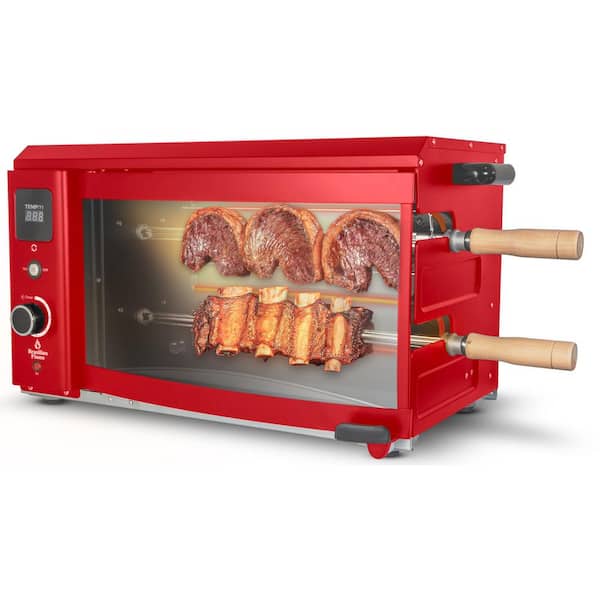
Electric and gas grills have their own unique benefits and flavor profiles. Electric grills cook food more evenly and thoroughly, but may give a different flavor profile compared to a gas grill which provides more heat and allows for flare-ups.
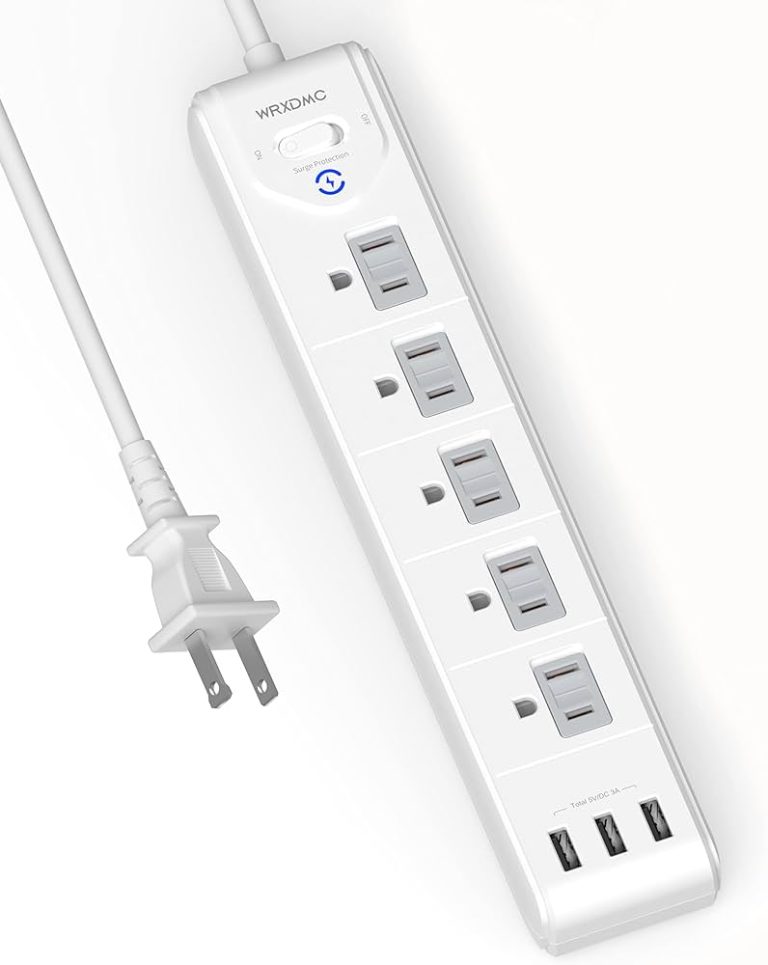
Additionally, electric grills require a plug socket nearby, which may be a disadvantage for those looking to grill in more remote areas. Gas grills, on the other hand, provide a smoky, charred taste that you may not get with an electric grill.
Each grill has its own pros and cons, and ultimately, the decision depends on personal preferences and where the grill will be used.
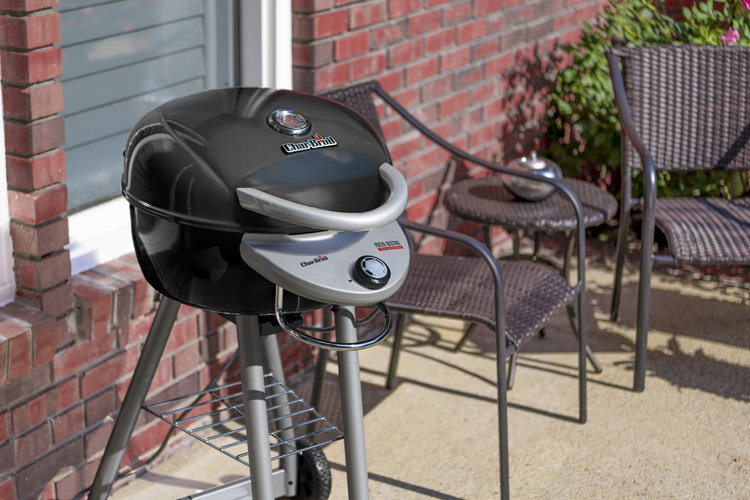
Credit: www.wayfair.com
Flavor Profile
Compared to a gas grill, the flavor profile of food cooked on an electric grill is different but still enjoyable. While meat won’t have the same smoky taste, electric grills cook food evenly and thoroughly, resulting in a unique flavor.
The biggest disadvantage of electric grills is the need for a nearby plug socket.
d on a mild electric grill versus a smoky gas grill is a topic of much debate among grill enthusiasts. While gas grills provide a classic smoky flavor that is difficult to replicate, electric grills offer their own unique flavor profile that is equally enjoyable. Let’s take a closer look at the flavor profiles of each grill type.Gas Grill’s Smoky Flavor
One of the biggest advantages of gas grills is the delicious smoky flavor they impart to the food. Gas grilling involves the use of a flame that heats up wood, charcoal, or other types of fuel to produce smoke. The smoke then infuses the food with its characteristic flavor and aroma. The flavor of grilled food is enhanced by the charring of the meat, which releases natural oils that carry a smoky essence. This unique flavor profile is why many people opt for a gas grill over an electric grill.Electric Grill’s Even Cooking
Electric grills are often touted for their even cooking and thoroughness. When grilling with an electric grill, the heat is evenly distributed over the cooking surface, ensuring that each piece of food is cooked to perfection. The absence of an open flame means there is less charring and smoke, resulting in a different flavor profile than gas grilling. The lack of smoke also means that electric grills are ideal for use indoors or in areas with strict fire regulations. In conclusion, the choice between gas and electric grills depends on personal preferences and needs. If you are looking for a classic smoky flavor and don’t have to worry about fire regulations, a gas grill might be the perfect choice for you. On the other hand, if you prioritize even cooking and indoor use, an electric grill might be the better option. No matter which type of grill you choose, both offer their own unique flavor profiles that are sure to delight your taste buds.Convenience
Gas grill vs electric grill: when it comes to convenience, electric grills are the clear winner. They can be used indoors, don’t require fuel tanks, and heat up much faster than their gas counterparts. However, gas grills provide a more authentic barbecue flavor and are often preferred by experienced cooks.
Proximity To Power Outlet
One of the biggest advantages of electric grills is their easy setup, as they simply require a nearby power outlet. This is especially helpful for those who live in apartments or condos with fire codes that prohibit the use of gas or charcoal grills, as electric grills are often allowed. On the other hand, gas grills require a gas line or propane tank, which can be an inconvenience and may require professional installation.Ease Of Use And Maintenance
Electric grills are incredibly easy to use and maintain, as they heat up quickly and are ready to use in just a few minutes. They also require minimal cleanup, as they don’t produce ashes or require the use of lighter fluids like charcoal grills. Furthermore, electric grills don’t produce harmful carbon monoxide emissions, making them safer for indoor use. Gas grills, however, require more preparation and maintenance, as they require the use of gas tanks or a natural gas line and need to be regularly cleaned and maintained to ensure optimal performance. In conclusion, while proximity to a power outlet and ease of use and maintenance are areas in which electric grills shine, gas grills have their own set of advantages, including the ability to produce traditional smoky and charred flavors. The choice between the two ultimately depends on individual needs and preferences.Temperature Control
Gas grills are known for their smoky, charred taste, while electric grills provide a different, but often enjoyable, flavor profile due to more even and thorough cooking. One disadvantage of using an electric grill is that it requires a nearby plug socket.
Gas Grill’s Ability To Heat Up Quickly
Gas grills are known for their ability to heat up quickly. This is because they use propane or natural gas as their fuel source. As soon as you turn on the gas, the grill ignites and reaches high temperatures in just a few minutes. This makes gas grills great for outdoor gatherings and events where you need to cook food quickly and efficiently. With a gas grill, you don’t have to wait for the grill to heat up, you can start cooking right away.Electric Grill’s Precise Temperature Control
Electric grills, on the other hand, have precise temperature control, making it easier to cook your food evenly. With an electric grill, you can set the temperature to a specific degree, ensuring that your food is cooked perfectly every time. This precise temperature control is especially important when cooking delicate foods such as fish and vegetables. Electric grills also do not have flare-ups, ensuring that your food is cooked evenly without any charred or burnt areas.The Verdict
When it comes to temperature control, both gas and electric grills have their advantages. Gas grills are quick to heat up, making them great for outdoor cooking events. Electric grills offer precise temperature control, which is important for cooking delicate foods. Ultimately, the choice between gas and electric grills depends on your personal preferences and needs. Both types of grills produce delicious foods, so choose the one that best fits your lifestyle.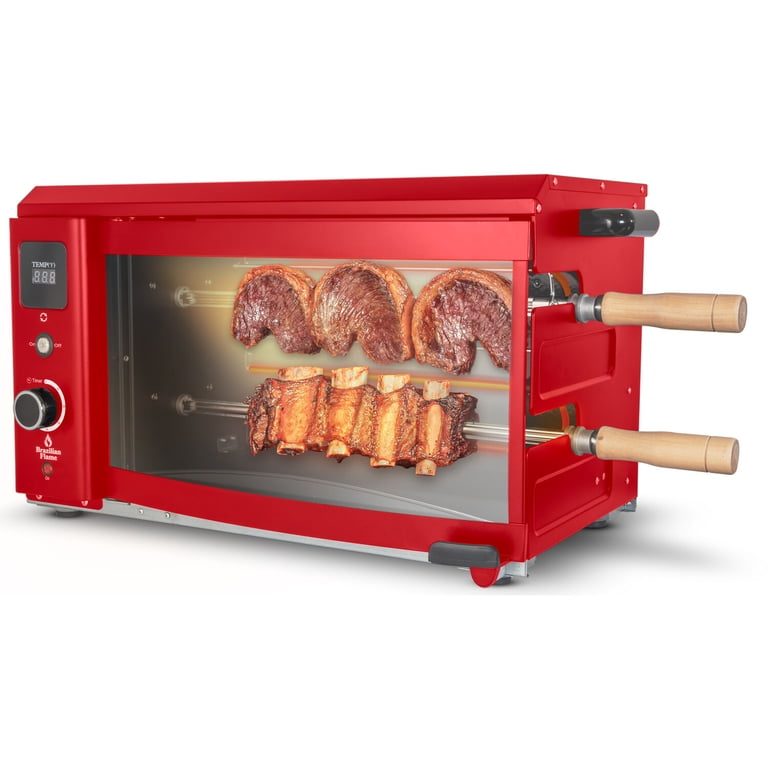
Credit: www.walmart.com
Cost
Gas grills and electric grills both have their own advantages and disadvantages, including cost. While gas grills may have a higher initial cost and require the purchase of propane or natural gas, electric grills require the use of electricity and may result in higher utility bills over time.
It’s important to consider these costs when deciding which type of grill is best for you.
Cost When it comes to purchasing a grill, cost is one of the most important factors to consider. In comparing gas grill vs electric grill, there are different costs associated with each type that should be considered before making your purchase. Comparing initial cost The initial cost of a grill varies depending on the type you choose. In general, gas grills tend to be more expensive than electric grills. This is because gas grills require more components, such as the fuel source and burners, which can drive up the cost. On the other hand, electric grills are easier to manufacture, since they do not require a fuel source or burners, so they tend to be less expensive. Long-term cost of use and maintenance While gas grills may have a higher initial cost, electric grills can be more expensive in the long run. This is because electric grills typically consume more electricity than gas grills consume natural gas or propane. Over time, this can add up to a higher energy bill. Additionally, electric grills may require more maintenance than gas grills, which can also increase the long-term cost of use. In conclusion, when deciding between gas grill vs electric grill, cost is an important factor to consider. While gas grills tend to have a higher initial cost, electric grills may be more expensive in the long run due to higher energy consumption and maintenance costs. Ultimately, the decision between gas grill vs electric grill should be based on your specific needs and preferences, as well as your budget.Environmental Impact
Gas grills are known for their smoky, charred taste while electric grills provide even cooking and different flavor profiles. One disadvantage of electric grills is the need for a plug socket nearby, but they are safe to use indoors.
Gas Grill’s Emissions And Fuel Source
Gas grills are known to emit more harmful chemicals in the environment than electric grills. When cooking with a gas grill, the burning propane or natural gas produces greenhouse gases such as carbon dioxide, methane, and nitrous oxide, which contribute to the greenhouse effect and air pollution. Moreover, using a gas grill requires the use of fossil fuels, which are non-renewable resources. The extraction, transportation, and consumption of these fuels can also cause a significant amount of harm to the environment, leading to air and water pollution, deforestation, and habitat destruction.Electric Grill’s Energy Efficiency And Power Source
In terms of energy efficiency, electric grills have a clear advantage over gas grills, as they convert most of the energy they use into heat. In contrast, gas grills lose a significant amount of their energy through the burning process. Additionally, electric grills produce no emissions or air pollution, making them an eco-friendly option. They are powered by electricity, which can be generated from a variety of sources, including renewable resources such as solar, wind, and hydroelectric power, making them a more sustainable choice in the long run. However, it’s worth noting that producing electricity can also have an impact on the environment, depending on the methods used. To sum up, both gas and electric grills have their advantages and disadvantages when it comes to their environmental impact. Gas grills emit more harmful chemicals and require non-renewable resources, while electric grills are more energy-efficient and produce no emissions. Ultimately, it’s up to the consumer to weigh these factors and decide which option is best for them and for the environment.Outdoor Vs Indoor Use
Electric and gas grills have their advantages and disadvantages when it comes to outdoor vs indoor use. While gas grills are the go-to for outdoor barbecues, electric grills are a great option for indoor use, producing less smoke and being easy to set up in your home.
The heat source for electric grills is electricity, while gas grills use natural gas or propane.
Outdoor Considerations
Using a gas or electric grill outdoors can be an enjoyable experience for grilling enthusiasts. However, there are various factors that you’ll need to consider before deciding which grill type is best for outdoor use. If you’re looking for an authentic grilling experience that involves smoky, charred flavor, then a gas grill may be your best bet. Gas grills burn hotter than electric grills, making it easier to sear meats and vegetables while giving them that unmistakable smoky flavor. Another thing to consider is convenience. If you are often on the go, you may want to opt for a portable electric or gas grill. They’re lightweight and easy to move around, allowing you to enjoy your favorite grilled meals from anywhere.Indoor Safety And Usage
When it comes to indoor usage and safety, electric grills tend to have an advantage over gas grills. Electric grills don’t produce harmful carbon monoxide, making them safer for indoor use. Additionally, electric grills are often equipped with features like automatic shut off, which can help prevent accidental fires. On the other hand, gas grills can pose potential hazards when used indoors. When propane or natural gas burns, it creates carbon monoxide, which can be deadly if inhaled. It’s important to use gas grills in well-ventilated areas to prevent hazardous gas build-up. Overall, the choice between a gas and electric grill for outdoor vs indoor use is a matter of personal preference. Consider your lifestyle, grilling needs, and safety concerns before making your decision. With either option, you can enjoy delicious grilled meals year-round.Final Verdict
Gas grills and electric grills both have their benefits and drawbacks, so the final verdict depends on your specific needs. While gas grills provide the smoky, charred taste, electric grills offer even and thorough cooking resulting in a different but often enjoyable flavor profile.
However, the biggest disadvantage of electric grills is that you need a plug socket nearby.
ricity as a heat source, while gas grills require natural gas or propane tanks to operate. Both types of grills have their own advantages and disadvantages, making it tough to choose between the two. In this section, we will provide a final verdict on gas grill vs electric grill.Summarizing Pros And Cons
Gas grills cook food faster and can reach higher temperatures, giving you those classic grill marks. They are also more versatile and can be used for baking, smoking, and roasting. However, they require a significant amount of maintenance, cleaning, and a steady supply of fuel. Gas grills can also be unsafe if they are not used properly and require propane or natural gas supplies, making them less eco-friendly. Electric grills are easy to use and require a simple plugin to begin cooking. They are also safer as there is no flame and the temperature can be adjusted easily. With electric grills, you have more control over the temperature and can cook food more evenly. They are also easy to clean and maintain. However, they take longer to heat up, do not give the food a smoky and charred taste, and require an electrical outlet close by.Personal Preferences And Lifestyle Considerations
When deciding between a gas grill and an electric grill, you must also take your personal preferences and lifestyle into consideration. If you have a large spacious backyard with ample space for a gas grill and enjoy the smoky taste of grilled food, gas grills are the better option. However, if you live in an apartment or have limited outdoor space, electric grills are a more convenient and safer option. If you value ease of use and quick cooking time, an electric grill is a great choice. If you value versatility and ability to cook multiple meals at once, a gas grill is a better option. Ultimately, the decision depends on your personal preferences and needs. In conclusion, both gas grills and electric grills have their own advantages and disadvantages. When choosing between the two, you should consider personal lifestyle and preferences, level of comfort with maintenance and upkeep, and desired cooking style.
Credit: www.youtube.com
Frequently Asked Questions For Gas Grill Vs Electric Grill
Is Electric Grill Better Than Gas Grill?
Electric grills cook food more evenly but lack the smoky, charred taste of a gas grill. They require a plug socket nearby and are best suited for indoor use. Gas grills provide more heat and flare-ups during cooking, resulting in a different flavor profile.
The choice between the two grills ultimately depends on personal preference and intended use.
What Is The Disadvantage Of Electric Grill?
The biggest disadvantage of electric grills is that they need a power socket nearby, or else the food won’t cook. They also lack the smoky, charred flavor that gas grills provide but can produce a different enjoyable flavor profile. However, electric grills cook food more evenly and thoroughly.
Does Food Taste Good On Electric Grill?
Food prepared on an electric grill tastes similar to food prepared on a gas grill, but the main difference is in the heating element. Gas grills provide more heat which aids in caramelization, resulting in a smoky, charred taste that electric grills lack.
However, electric grills allow for more even and thorough cooking, resulting in a different, but often enjoyable flavor profile.
What Is A Major Benefit Of Using An Electric Grill?
The major benefit of using an electric grill is that it can be used indoors since it produces no smoke and is safe to use.
Conclusion
Both gas and electric grills have their own unique advantages and disadvantages. While gas grills are preferred for their smoky, charred taste, electric grills offer even and thorough cooking of food, resulting in a different flavor profile. One thing to consider is the availability of a plug socket, which is necessary for electric grills.
Ultimately, your choice between gas and electric grill will come down to personal preferences and lifestyle. It’s important to weigh the pros and cons of each type before making a decision.