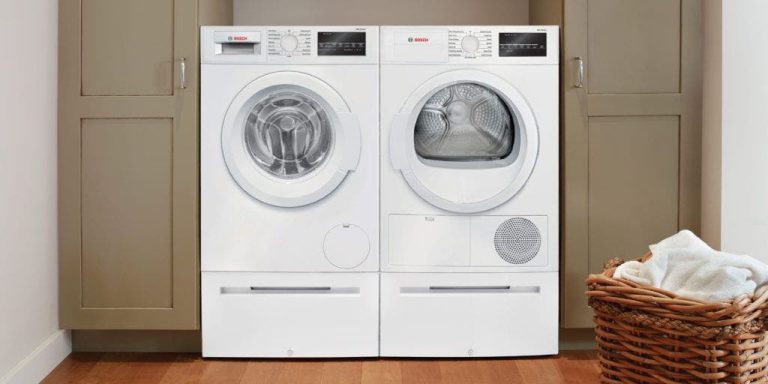
Furnaces provide heating, while air conditioners offer cooling for indoor spaces. Both are essential for maintaining comfort in different seasons.
Staying warm during winter and cool during summer is crucial for a pleasant living environment. Furnaces burn fuel to generate heat, whereas air conditioners use refrigerants to remove heat from indoor air. Understanding the differences between these HVAC systems is important for ensuring optimal comfort and energy efficiency in your home.
By considering factors like cost, energy efficiency, and maintenance requirements, you can make an informed decision on whether a furnace or an air conditioner is the best choice for your specific needs.

Credit: jacobsheating.com
How They Work
Understanding how furnaces and air conditioners work is essential for optimizing their performance and maintaining a comfortable indoor environment. Let’s delve into the specifics of how these systems operate to keep your home warm in the winter and cool during the summer.
Furnace
A furnace works by heating air and distributing it throughout the home via a system of ducts. The process begins with the combustion of fuel, typically natural gas or oil, inside the furnace’s heat exchanger. The heat exchanger transfers the generated heat to the air, which is then circulated by a blower to reach every room in the house.
Air Conditioner
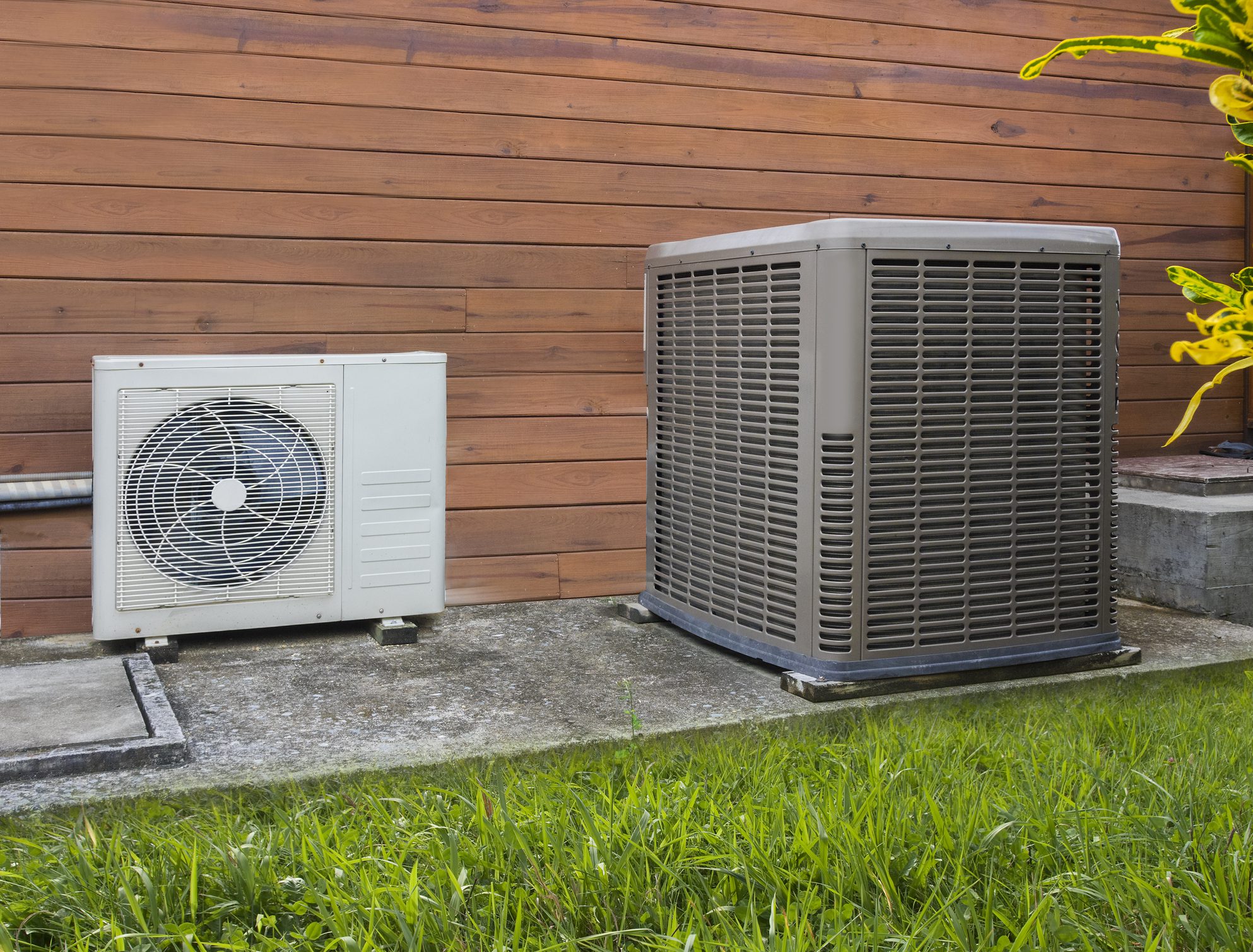
An air conditioner operates using a process of refrigeration to remove heat and humidity from the indoor air. It features a compressor, condenser, expansion valve, and evaporator coil. The compressor pressurizes the refrigerant gas, causing it to release heat as it condenses into a liquid in the outdoor condenser unit. The liquid refrigerant then passes through an expansion valve, transforming into a cold, low-pressure gas, which circulates through the indoor evaporator coil. As warm air blows over the evaporator coil, the refrigerant absorbs heat and humidity, cooling the air before circulating it throughout the living space.
Efficiency And Cost
Efficiency and cost play a crucial role when deciding between a furnace and an air conditioner. Let’s delve into the specifics under Energy Efficiency and Operating Cost.
Energy Efficiency
Comparing the energy efficiency of a furnace and an air conditioner can help you make an informed decision. A furnace’s AFUE (Annual Fuel Utilization Efficiency) rating indicates how efficiently it converts fuel into heat. In contrast, air conditioners are rated by SEER (Seasonal Energy Efficiency Ratio) for cooling efficiency.
Operating Cost
Understanding the operating costs of both systems is essential. Furnaces typically use gas, oil, or electricity for heating, impacting monthly bills. On the other hand, air conditioners rely on electricity for cooling, affecting overall expenses.
Climate Considerations
When it comes to choosing between a furnace and an air conditioner, one of the key factors to consider is the climate in which you live. Different temperatures and weather conditions can have a significant impact on the efficiency and effectiveness of these heating and cooling systems.
Hot Climates
In hot climates, where scorching temperatures are a common occurrence, air conditioners are a popular choice. Air conditioners are designed to remove heat from the indoor air, providing a comfortable and cool environment. They work by transferring heat from inside your home to the outside, keeping the indoor temperature at a pleasant level.
Here are a few reasons why air conditioners are well-suited for hot climates:
- They can quickly cool down your home, making it a relief to escape from the sweltering heat outside.
- They help reduce humidity levels, creating a more comfortable and less sticky indoor environment.
- Modern air conditioners are energy-efficient, allowing you to keep your energy bills in check, even when using them frequently.
Cold Climates
In contrast, in cold climates where bitter winters are common, furnaces are the preferred choice. Furnaces provide warmth and are designed to heat up the indoor air, ensuring you stay cozy and comfortable during the chilly months.
Here’s why furnaces are ideal for cold climates:
- They can efficiently heat your entire home, ensuring an even and consistent warmth throughout.
- Furnaces are capable of producing high temperatures quickly, allowing you to warm up your living space in no time.
- Modern furnaces are energy-efficient, meaning you can stay warm without worrying about skyrocketing utility bills.
Ultimately, the choice between a furnace and an air conditioner depends on the climate you live in. If you reside in a hot climate, an air conditioner will keep you cool and comfortable despite soaring temperatures. On the other hand, if you experience harsh winters in a cold climate, a furnace will provide the warmth you need to make it through the cold months.
Installation And Maintenance
Installation and maintenance of furnaces and air conditioners require professional expertise to ensure optimal performance and efficiency. Trust our experienced team to handle the intricate process of setting up and servicing your HVAC systems, providing you with reliable comfort throughout the year.
Furnaces and air conditioners play a vital role in creating a comfortable climate within our homes. Understanding the installation process and maintenance requirements of these systems is essential to ensure their efficiency and longevity. In this section, we will delve into the details of each aspect so you can make an informed decision when it comes to your HVAC system.Installation Process
When it comes to installing a furnace or air conditioner, the process can vary depending on the specific model and the layout of your home. However, there are general steps that are followed in most installations. 1. Site Assessment: A professional technician will assess your home to determine the most suitable location for the furnace or air conditioner. Factors like accessibility, airflow, and noise considerations are taken into account during this process. 2. Ductwork Installation: For both furnaces and air conditioners, ductwork is crucial for the distribution of heated or cooled air. The installation of ducts may involve running them through existing spaces or adding new ductwork if necessary. 3. Ventilation and Exhaust: Proper ventilation and exhaust systems are essential to remove combustion byproducts for furnaces or hot air from the air conditioner. This ensures the safety and efficiency of the system. 4. Electrical and Gas Connections: Both furnaces and air conditioners require electrical and gas connections for operation. Professional technicians will handle these connections to ensure safety and efficiency, following applicable codes and regulations. 5. Testing and Calibration: After installation, the system is thoroughly tested to ensure it is running optimally. This includes checking for any leaks, adjusting settings, and verifying proper functionality.Maintenance Requirements
To keep your furnace or air conditioner in top shape, regular maintenance is essential. Here are some key maintenance requirements to consider: 1. Filter Replacement: Both furnaces and air conditioners have air filters that need to be regularly cleaned or replaced. Clogged filters can restrict airflow and reduce efficiency, ultimately leading to higher energy consumption. 2. Cleaning Coils: Air conditioners have evaporator and condenser coils that can accumulate dirt and debris over time. Cleaning these coils periodically ensures maximum cooling efficiency and prevents potential issues down the line. 3. Lubricating Moving Parts: Furnaces and air conditioners have moving parts that require regular lubrication to reduce friction and prevent wear and tear. This simple step can significantly extend the lifespan of your system. 4. Inspection and Tune-Up: Hiring a professional technician for an annual inspection and tune-up is highly recommended. They can identify any potential issues, clean components, and optimize the efficiency of your system. 5. Monitoring Thermostat Settings: Regularly check and adjust your thermostat settings to maintain a comfortable temperature while optimizing energy usage. Using programmable thermostats can help automate this process, saving you time and money. Remember, proper installation and regular maintenance are essential for the optimal performance and longevity of your furnace or air conditioner. By following these guidelines, you can ensure a comfortable living environment while maximizing energy efficiency and minimizing potential breakdowns.Environmental Impact
Furnaces and air conditioners play significant roles in regulating indoor temperatures, but their environmental impact is a crucial consideration. Understanding the environmental impact of these systems can help individuals and businesses make informed decisions about their heating and cooling needs.
Carbon Footprint
The carbon footprint of heating and cooling systems is a key environmental concern. Furnaces, particularly those powered by fossil fuels, emit carbon dioxide during combustion, contributing to greenhouse gas emissions. On the other hand, air conditioners release refrigerants, which are potent greenhouse gases, adding to their carbon footprint.
Refrigerants
One of the major environmental considerations when comparing furnaces and air conditioners is the impact of refrigerants. Traditional air conditioners use refrigerants such as hydrochlorofluorocarbons (HCFCs) and hydrofluorocarbons (HFCs), which are known for their high global warming potential. In contrast, modern HVAC systems utilize more eco-friendly refrigerants with lower global warming potential, reducing their environmental impact.

Credit: www.delcohvac.com
Health And Air Quality
Indoor air quality refers to the cleanliness and freshness of the air inside a building.
Health Considerations
- Regular maintenance of furnaces and air conditioners is crucial for optimal indoor air quality.
- Improperly maintained systems can lead to poor air quality and health problems.
- Furnace: Inefficient furnaces may circulate dust and allergens, compromising respiratory health.
- Air Conditioner: Clean filters in air conditioners help prevent mold and bacteria growth.
Health Considerations
Credit: cjsheatingandair.com
Frequently Asked Questions Of Furnace Vs Air Conditioner
Does It Cost More To Run Furnace Or Ac?
Running a furnace typically costs less than running an AC. Furnaces use gas or electricity to heat the home, while ACs use electricity to cool it. Gas is usually cheaper than electricity, making furnaces more cost-effective.
What Are The Disadvantages Of A Furnace?
The disadvantages of a furnace include high energy costs, potential for carbon monoxide leaks, and uneven heat distribution.
Is It Cheaper To Run Ac Or Heat?
Running the AC is usually cheaper than heating due to higher energy consumption for heating. However, efficiency depends on factors like local climate, fuel type, and insulation. Regular maintenance and energy-efficient systems can help reduce costs for both.
Is It Cheaper To Run The Furnace Fan Or Ac?
Running the furnace fan is generally cheaper than running the AC. The fan circulates existing air, while the AC cools and dehumidifies the air. So, running the fan alone is more cost-effective.
Conclusion
After comparing furnaces and air conditioners, it’s clear each has its own benefits. Understanding your specific needs is crucial. Both systems offer efficient heating and cooling solutions. Make an informed decision based on your home’s requirements for year-round comfort. Your choice impacts your comfort and energy bills.