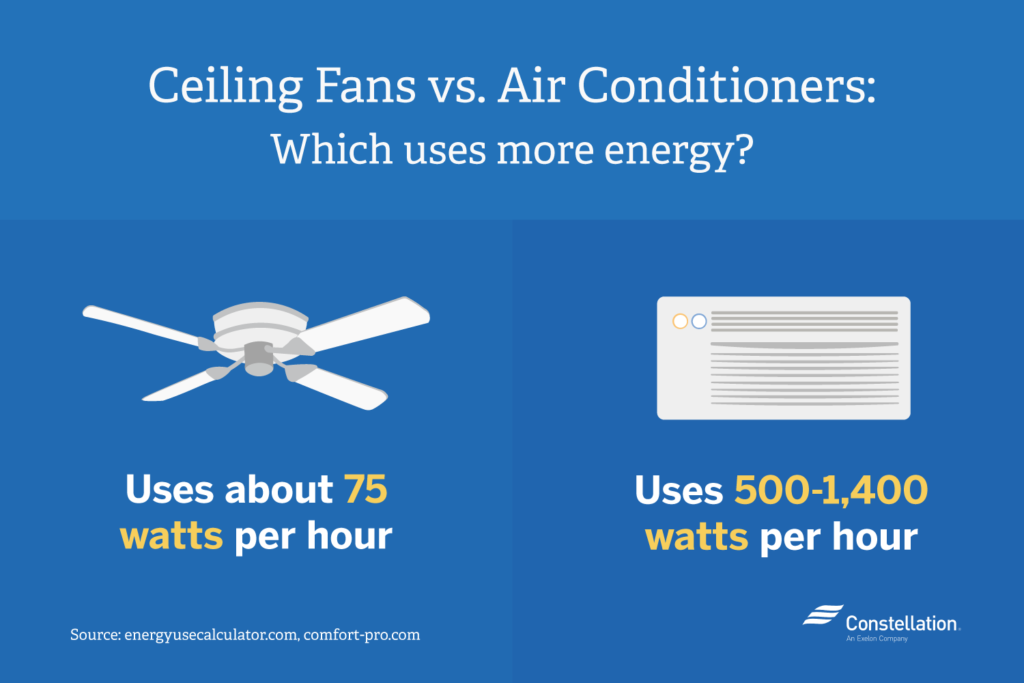
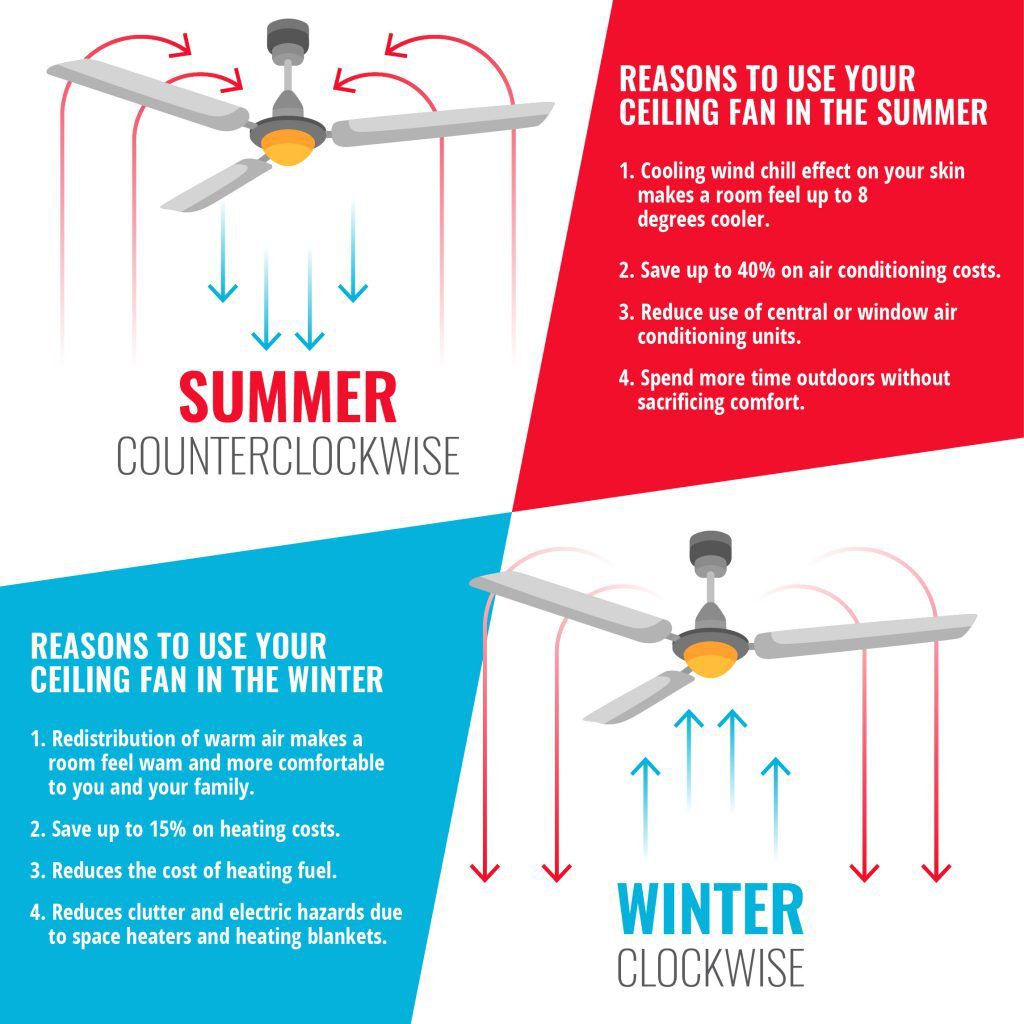
Fans consume significantly less electricity compared to air conditioners, making them a more cost-effective choice in the short term. This lower energy consumption translates into reduced electricity bills.
Credit: strattonheatingandairconditioning.com
Energy Efficiency Of Air Conditioners
Comparing electricity usage, fans are more energy-efficient than air conditioners. Fans consume significantly less power, leading to lower electricity bills in the short term. Opting for fans can be a cost-effective choice for cooling needs.
Factors Affecting Energy Consumption
Several factors come into play when determining the energy consumption of an air conditioner. Understanding these factors can help you make an informed choice about which cooling option to choose.
- Cooling capacity: The size and cooling capacity of the air conditioner affect its energy usage. A larger unit may consume more energy to cool a larger space.
- Temperature settings: The temperature at which you set your air conditioner can impact energy consumption. Lowering the temperature increases energy usage.
- Insulation: The level of insulation in your home affects how efficiently your air conditioner operates. Good insulation can minimize energy wastage.
- Thermostat settings: A programmable thermostat allows you to optimize energy usage by adjusting temperature settings based on your schedule.
- Fan speed: Higher fan speeds generally consume more energy, as they circulate more air. Adjusting the fan speed can help regulate energy usage.
- Heat-generating appliances: The presence of heat-generating appliances in a room can make the air conditioner work harder and consume more electricity.
Comparing Energy Usage Of Different Ac Models
When comparing energy consumption between different air conditioner models, it’s important to look at the Energy Efficiency Ratio (EER) and the Seasonal Energy Efficiency Ratio (SEER).
- EER: The EER measures the cooling capacity of an air conditioner relative to the amount of electricity it consumes. A higher EER indicates better energy efficiency.
- SEER: The SEER considers the performance of an air conditioner over an entire cooling season, taking into account varying temperature conditions. A higher SEER indicates better overall energy efficiency.
By considering both the EER and SEER ratings of different air conditioner models, you can make a more informed decision about which option is the most energy-efficient.
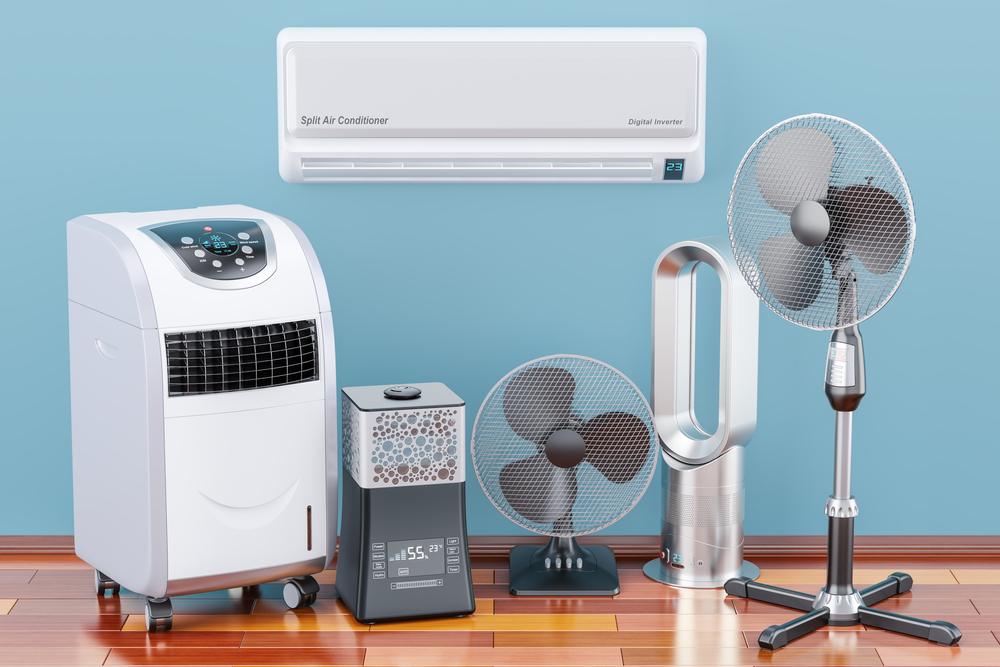
Credit: www.electricrate.com
Energy Efficiency Of Fans
Fans are known for their energy efficiency compared to air conditioners. They consume significantly less electricity, making them a cost-effective cooling option.
Factors Affecting Energy Consumption
- Fan type and size
- Usage duration
- Speed settings
- Room size and insulation
Comparing Energy Usage Of Different Fan Types
| Fan Type | Energy Consumption |
|---|---|
| Ceiling Fan | Low energy usage due to larger blades distributing air efficiently |
| Box Fan | Medium energy consumption, ideal for smaller spaces |
| Tower Fan | Versatile with variable energy usage based on settings |
Cost Comparison: Air Conditioner Vs Fan
When it comes to staying cool during the hot summer months, many homeowners are torn between using an air conditioner or a fan. However, considering the electricity costs is crucial in making an informed decision. Let’s delve into the electricity cost comparison of running an air conditioner versus a fan to help you understand which option might be more cost-effective for your cooling needs.
Electricity Cost Of Running An Air Conditioner
An air conditioner consumes a substantial amount of electricity, especially when cooling a larger space or running for extended periods. On average, a central air conditioning system can use 3500-5000 watts of power per hour. This translates to approximately 3.5-5 kWh of electricity consumption every hour. With the average national electricity rate of $0.13 per kWh, running an air conditioner can cost around $0.46-$0.65 per hour.
Electricity Cost Of Running A Fan
In contrast, the electricity consumption of a fan is significantly lower compared to an air conditioner. Most fans, including ceiling fans and box fans, generally consume around 60-100 watts of power per hour. This equates to approximately 0.06-0.1 kWh of electricity usage per hour. Based on the national average electricity rate, running a fan would approximately cost $0.008-$0.013 per hour. The cost of running a fan is clearly much more economical than that of an air conditioner.

Credit: www.facebook.com
Other Considerations
Running a fan is more energy-efficient and cost-effective compared to an air conditioner. Fans consume significantly less electricity, resulting in lower energy bills. In the short term, using a fan is a more economical option.
Impact On Environment
Fans, being the more energy-efficient cooling option, have a lower impact on the environment compared to air conditioners. The reduced energy consumption not only leads to lower electricity usage but also contributes to a decrease in overall carbon emissions from energy production. This makes fans a more eco-friendly choice for cooling, aligning with sustainable living practices.
Comfort Levels And Cooling Effectiveness
Fans provide a subtle breeze, promoting air circulation and creating a gentle cooling effect. While they may not lower the room temperature, they can enhance comfort by helping to dissipate body heat and prevent stagnant air. On the other hand, air conditioners are effective at rapidly cooling indoor spaces, providing a more significant reduction in temperature. However, the cold, dry air they produce may not be as comfortable for some individuals and can lead to issues such as dry skin and respiratory irritation.
Frequently Asked Questions Of Fan Vs Air Conditioner Electricity Usage
Does A Fan Use More Electricity Than An Air Conditioner?
A fan consumes less electricity than an air conditioner, making it a more cost-effective choice for cooling.
Is It Cheaper To Run A Fan Or Air Conditioner?
Running a fan is cheaper than an air conditioner. Fans consume less electricity, leading to lower energy costs.
Is It Cheaper To Run The House Fan Than The Air Conditioner?
Running a fan is cheaper than using an air conditioner. Fans consume significantly less electricity, resulting in reduced energy bills.
Does A Fan Use A Lot Of Electricity?
Fans use significantly less electricity compared to air conditioners. Running a fan typically costs a fraction of the energy required for an air conditioning unit, making fans a more cost-effective choice in the short term.
Conclusion
Choosing between a fan and an air conditioner? Fans are the cost-effective option with lower electricity consumption. So next time you want to stay cool without breaking the bank, consider using a fan over an AC unit. Make the smart choice for your wallet and the environment.