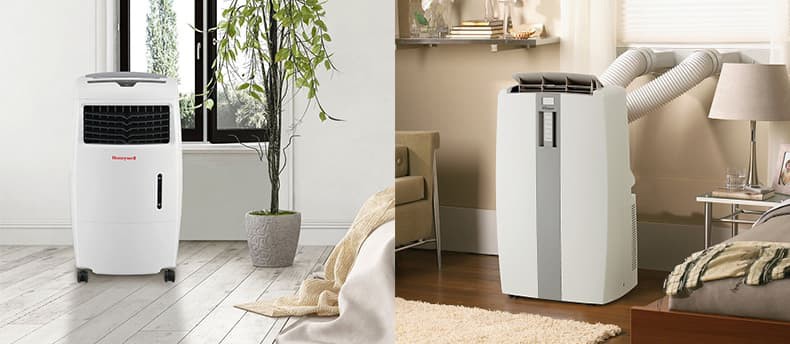
When comparing an evaporative cooler and a portable air conditioner, consider energy efficiency and cooling capacity. Evaporative coolers are more energy-efficient and cost-effective, while portable air conditioners offer better cooling performance and convenience.
It’s important to understand the differences between these two options to determine which one best suits your needs and preferences for maintaining a comfortable indoor environment. Let’s delve deeper into the unique features, pros, and cons of evaporative coolers and portable air conditioners to help you make an informed decision for your cooling requirements.
Credit: www.newair.com
Evaporative Cooler
An evaporative cooler, also known as a swamp cooler, is a cost-effective and energy-efficient alternative to traditional air conditioning systems. It works by utilizing the natural process of evaporation to cool the air, making it a popular choice for dry climates.
How Does An Evaporative Cooler Work?
An evaporative cooler pulls warm air through water-soaked pads, where the air is cooled by evaporation. The cooler, moist air is then circulated throughout the space, reducing the overall temperature.
Pros Of Using An Evaporative Cooler
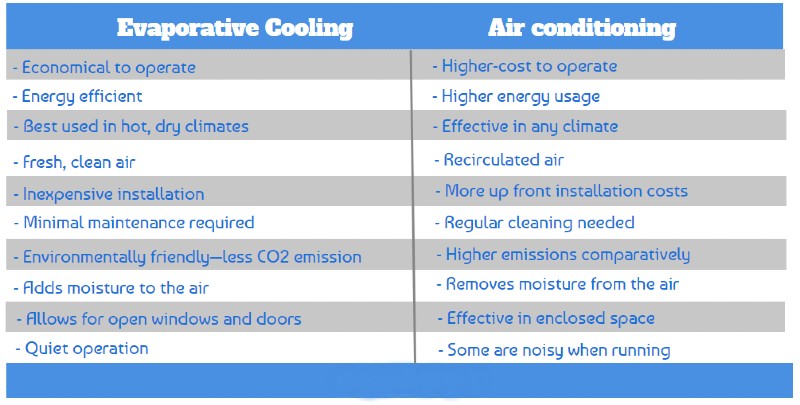
- Energy-efficient: Evaporative coolers consume less energy compared to traditional air conditioners.
- Natural cooling: It uses the natural process of evaporation to cool the air without relying on harmful refrigerants.
- Cost-effective: Evaporative coolers are often more affordable to purchase and operate than air conditioners.
Cons Of Using An Evaporative Cooler
- Humidity: Not suitable for humid climates as they add moisture to the air.
- Cooling Limitation: Doesn’t cool the space as much as an air conditioner would, especially in extremely hot conditions.
- Maintenance: Regular maintenance is required to keep the cooler running efficiently.
Credit: piec.com
Portable Air Conditioner
When comparing evaporative coolers to portable air conditioners, it’s essential to understand the difference. Evaporative coolers, also known as swamp coolers, use water to cool the air, making them more energy-efficient and suitable for dry climates. On the other hand, portable air conditioners use a refrigerant to cool the air, making them more effective in humid areas.
How Does A Portable Air Conditioner Work?
A portable air conditioner works by taking in warm air from the room, cooling it using a refrigerant and an exhaust system that releases the heat outside through a vent. The cooled air is then circulated back into the room to lower the temperature.
Pros Of Using A Portable Air Conditioner
- Portability: Can be easily moved between rooms.
- No Installation: Does not require permanent installation.
- Efficient Cooling: Cools specific areas effectively.
- Window Venting: Expels hot air through a vent to the outside.
- Versatile: Can be used in homes or offices without central air conditioning.
Cons Of Using A Portable Air Conditioner
- Limited Cooling: Not suitable for cooling large areas.
- Noise Level: May produce more noise compared to central AC units.
- Venting Requirements: Requires an accessible window for venting.
- Drainage: Needs periodic draining of the condensation.
- Maintenance: Requires regular filter cleaning for optimal efficiency.
Cost Comparison
`When considering home cooling options, it’s important to weigh the cost implications of purchasing and running an evaporative cooler or a portable air conditioner. Both systems have their own set of initial and operating costs, and understanding the differences can help in making an informed decision.
Initial Cost
`The initial cost of an evaporative cooler is generally lower than that of a portable air conditioner. Evaporative coolers are often more affordable due to their simpler design and function, making them an attractive option for budget-conscious consumers. On the other hand, portable air conditioners typically have a higher initial cost, mainly because of their more complex refrigeration technology and additional components such as compressors and evaporator coils.
Operating Cost
`In terms of operating costs, evaporative coolers are known for their energy efficiency and low power consumption. They use less electricity than portable air conditioners, which can lead to substantial long-term savings on utility bills. Additionally, the ongoing maintenance and operational expenses of evaporative coolers are generally less expensive when compared to portable air conditioners.
`On the contrary, portable air conditioners typically consume more energy resulting in higher operating costs. Their compressor-driven cooling process requires more power, leading to increased electricity bills. In addition, the maintenance of portable air conditioners, such as filter replacements and refrigerant recharging, can contribute to their overall operating expenses.
By analyzing the initial and operating costs, it’s clear that evaporative coolers offer a cost-effective cooling solution, making them a financially appealing alternative to portable air conditioners in the long run. So, for those looking to strike a balance between performance and affordability, an evaporative cooler could be a prudent choice.Performance Comparison
When comparing evaporative coolers and portable air conditioners, it is essential to evaluate their performance in terms of cooling efficiency and control over room temperature.
Cooling Efficiency
Evaporative coolers are efficient in dry climates as they work by drawing warm air through water-saturated pads, which then evaporates the water and cools the air. On the other hand, portable air conditioners use a refrigerant to cool the air, making them effective in all climates.
Control Over Room Temperature
Portable air conditioners offer precise temperature control with thermostats, allowing you to set and maintain the desired temperature in the room. In contrast, evaporative coolers provide a cooler environment but may not offer as precise temperature control.
Suitability
When it comes to choosing between an evaporative cooler and a portable air conditioner, it is important to consider the suitability of each option. Both cooling systems have their advantages and limitations, and understanding their suitability for different situations can help you make an informed decision.
Climate Considerations
One of the key factors to consider when deciding between an evaporative cooler and a portable air conditioner is the climate in which you live. Evaporative coolers work best in hot and dry climates, where the air is not already saturated with moisture. These coolers rely on the evaporation of water to cool the air, so they are less effective in humid environments. On the other hand, portable air conditioners are suitable for all climates and can effectively cool indoor spaces regardless of the outside weather conditions.
Indoor Vs Outdoor Use
Another important aspect to consider is whether you plan to use the cooling system indoors or outdoors. If you need a cooling solution for your outdoor spaces, such as a patio or garage, an evaporative cooler may be the better choice. These coolers are designed to cool large areas and provide relief from the heat outdoors. Portable air conditioners, on the other hand, are primarily designed for indoor use. They are more effective at cooling enclosed spaces, such as bedrooms, living rooms, or offices.
Overall, when determining the suitability of an evaporative cooler versus a portable air conditioner, it is essential to consider the climate of your location and the intended use of the cooling system. By taking these factors into account, you can choose the right cooling solution that best suits your needs.
Credit: www.newair.com
Maintenance And Longevity
Maintenance and longevity are crucial factors to consider when choosing between an evaporative cooler and a portable air conditioner. Both options require regular upkeep to ensure optimal performance and extend their lifespan. Let’s take a closer look at the maintenance requirements and durability of these cooling systems.
Maintenance Requirements
Evaporative coolers and portable air conditioners have different maintenance requirements.
- Evaporative Coolers: These cooling systems rely on water and a pump to cool the air. To maintain their efficiency, regular maintenance is necessary. This includes cleaning the water reservoir, replacing the pads, and ensuring proper water flow. Additionally, the water supply and electric components should be inspected and maintained for optimal performance.
- Portable Air Conditioners: These units require less maintenance compared to evaporative coolers. The main maintenance task involves cleaning or replacing the air filters regularly to prevent dust and debris buildup. Additionally, it’s important to check the condensate drain and ensure proper drainage to avoid any water leakage issues.
Durability And Lifespan
The durability and lifespan of cooling systems can vary based on their build quality and maintenance.
Evaporative Coolers: With proper maintenance, these units can last for several years. However, since they rely on water and absorbent pads, they may be susceptible to mold or mineral buildup if not properly cleaned and maintained. It’s essential to follow the manufacturer’s guidelines for regular maintenance and cleaning to ensure a longer lifespan.
Portable Air Conditioners: These units are typically more durable than evaporative coolers. They are built with solid construction and can withstand regular use. However, like any appliance, their lifespan can be influenced by maintenance and care. Regularly cleaning the air filters, checking for any leaks, and ensuring proper ventilation can contribute to a longer lifespan for portable air conditioners.
Ultimately, the maintenance requirements and longevity of both evaporative coolers and portable air conditioners depend on proper care and regular maintenance. By following the manufacturer’s recommendations and performing routine maintenance tasks, you can ensure that your cooling system operates efficiently and lasts for years to come.
Frequently Asked Questions On Evaporative Cooler Vs Portable Air Conditioner
Is Evaporative Cooling As Good As Air Conditioning?
Evaporative cooling is not as effective as air conditioning in cooling capabilities, but it’s more energy-efficient and cost-effective.
What Is Better Portable Evaporative Cooler Or Air Conditioner?
Portable evaporative coolers are better than air conditioners because they consume less power, making them more energy-efficient. They also have a lower initial cost and do not require an exhaust hose, making them versatile for indoor and outdoor use. However, they are not as effective in humid climates and do not cool down the house as much as an air conditioner.
Which Is Better Air Cooler Or Portable Air Conditioner?
Air coolers are better than portable air conditioners due to their low power consumption and lower initial cost. Air coolers consume less energy and are more affordable, making them a more budget-friendly and energy-efficient option. Additionally, air coolers do not add humidity to the air and can be used outdoors.
What Are The Drawbacks Of Evaporative Cooling?
Drawbacks of Evaporative Coolers: Not suitable for humid climates, add humidity indoors, may not cool as much as AC, require regular maintenance.
Conclusion
When deciding between an evaporative cooler and a portable air conditioner, consider your climate, energy efficiency, and budget. Both have their pros and cons, so choose based on your specific needs and preferences for optimal cooling comfort.