The main difference between grilled and blackened food is that grilling involves cooking over an open flame or gas grill, while blackening is a specific technique that involves seasoning the food with a spice mix and butter, then searing it over high heat. Blackening creates a charred crust and intense flavor profile.
Grilled and blackened food are two popular cooking techniques that are often used interchangeably. However, these techniques are not the same, and understanding their differences can help you choose the right cooking method for your dish. Grilling involves cooking food over an open flame or gas grill, while blackening is a specific technique that involves coating the food with a spice mix and butter, then searing it over high heat to create a charred crust and intense flavor.
We will explore the differences between grilled and blackened food and help you choose the right cooking method for your dish.
What Is Grilling?
Grilling is a cooking method that applies dry heat to food from above or below. Blackening, on the other hand, involves coating food with a Cajun seasoning and cooking it quickly over high heat to create a charred crust. While both techniques produce delicious dishes, blackening provides a more intense flavor profile and is a good choice if you’re short on time.
Definition
Grilling is a cooking method that involves applying dry heat to food, either from above or below. The food is usually placed on a grill or griddle, over an open flame or heated surface. Grilling is often used for quick, high-temperature cooking of meats, vegetables, and seafood. It is a popular cooking method for outdoor gatherings and barbecues, as it gives food a flavorful smoky taste.The Process Of Grilling
The process of grilling involves heating up a cooking surface to high temperatures. This can be done by lighting up a fire, using a gas or electric grill, or even a stovetop griddle. Once the surface is hot, food is placed on it and cooked for a specific amount of time, depending on the thickness and texture of the food. During grilling, the food is often seasoned with spices, herbs, and marinades to enhance the flavor. The heat from the surface creates a seared and caramelized crust on the outside of the food, while keeping the inside moist and juicy. Grilling can be done using direct heat, where the food is placed directly over the heat source, or indirect heat, where the food is cooked using the heat reflected from the sides of the grill. Grilling is a healthy cooking method, as it does not require any added fats or oils. It also preserves the natural flavors and nutrients of the food, making it a great choice for those trying to eat a balanced and nutritious diet. In conclusion, grilling is a simple and easy cooking method that creates flavorful and healthy dishes. Understanding the basics of grilling can help you become a better cook, and create delicious meals for your family and friends.What Is Blackening?
Blackening is a cooking technique that involves quickly searing food over high heat with a spice mixture and butter to create a charred crust. Grilling, on the other hand, is a form of cooking that involves dry heat applied to the surface of food, commonly from above or below.
While both techniques can result in delicious dishes, blackening is a great option for those who prefer a more intense flavor profile or are short on time.
What is Blackening? Blackening is a cooking technique that originated in New Orleans and involves seasoning food with a blend of spices that typically includes paprika, cayenne pepper, garlic powder, and onion powder. The seasoning is then cooked over high heat, resulting in a charred outer crust and tender, juicy interior. Definition Blackening is a cooking technique that involves seasoning food with a blend of spices and then cooking it quickly over high heat to create a charred crust. The seasoning used in blackening typically includes paprika, cayenne pepper, garlic powder, and onion powder, among other spices. Blackened dishes are usually associated with Cajun cuisine and are known for their bold, spicy flavors. The Process of Blackening To blacken food, the first step is to prepare the seasoning blend. This can be done by mixing together the desired spices in a small bowl. The seasoning can be adjusted to taste, with more or less cayenne pepper used to control the spiciness. Once the seasoning is prepared, the food is coated in the spice mixture. This is typically done by brushing the seasoning onto the food with melted butter or oil. The food is then cooked over high heat, either on a grill or in a cast-iron skillet. The key to blackening is to cook the food quickly over high heat. This creates a charred outer crust while leaving the interior tender and juicy. Blackened dishes are often served with a side of cool, tangy sauce to balance out the spicy flavors. In conclusion, blackening is a cooking technique that involves seasoning food with a blend of spices and cooking it quickly over high heat to create a charred crust. This technique is typically associated with Cajun cuisine and produces bold, spicy flavors that are perfect for those who prefer more intense flavor profiles.Grilled Vs Blackened: The Cooking Techniques
Grilling involves cooking food over an open flame, whereas blackening is a cooking technique that uses a spicy seasoning to give the food a charred crust. While both techniques produce flavorful dishes, blackening offers a more intense flavor profile and is a good choice for those short on time.
When it comes to cooking techniques, grilling and blackening are two popular methods that create unique flavors and textures. Grilling involves applying dry heat to food, while blackening requires high heat and a special seasoning mix that creates a charred crust. In this article, we’ll dive deeper into the differences between grilled and blackened, focusing on the cooking techniques.Differences In Heat
When grilling, heat is typically applied from below the food, such as on a grill or in a pan over a flame or coals. The heat is usually at a medium to high temperature, depending on the type of food and how well you want it cooked. On the other hand, blackening requires high heat applied from above, such as in a cast iron skillet or under a broiler. This intense heat quickly sears the seasoning mix into the food, creating a blackened crust with a unique flavor.Differences In Seasoning
One of the biggest differences between grilling and blackening is the seasoning used. While grilling often involves marinades and simple seasonings like salt and pepper, blackening requires a special mix of spices like paprika, cayenne, thyme, and garlic powder. This seasoning mix creates a bold and spicy flavor that is unique to blackened foods.Cooking Time
Another difference between grilling and blackening is the cooking time. Grilling can take anywhere from a few minutes to several hours, depending on the food and your preferred level of doneness. Blackening, on the other hand, is a quick cooking method that typically takes only a few minutes per side. This makes it a great option for people who are short on time but still want a flavorful and unique dish. In conclusion, the differences between grilled and blackened are significant when it comes to cooking techniques. Grilling involves applying dry heat from below the food, while blackening requires intense heat from above and a special seasoning mix. Both methods can create delicious dishes, but they produce different flavors and textures. So whether you prefer a light sear or a bold and spicy crust, choosing between grilling and blackening can make a big difference in the outcome of your dish.Flavor Profile: How Grilled And Blackened Dishes Differ
Grilling involves cooking food over an open flame or heat source, while blackening involves searing food at high heat with a spice rub to create a charred, flavorful crust. Both methods have their own unique flavor profiles and can be used to create delicious dishes.
Flavor Profile: How Grilled and Blackened Dishes Differ When it comes to cooking methods, grilling and blackening are two of the most popular techniques for preparing meat, fish, and vegetables. Both methods involve applying heat to the food, but the taste and texture can vary greatly. In this section, we’ll explore the flavor profile of both grilled and blackened dishes, and highlight the key differences between them. H3: Texture Grilling and blackening produce very different textures in the food. Grilling often creates a charred, smoky exterior while the inside remains juicy and tender. On the other hand, blackening creates a crispy crust with a moist and flavorful interior. The texture of grilled dishes is often more uniform, while blackened dishes have a more complex texture. H3: Flavor Intensity One of the most significant differences between grilled and blackened dishes is the intensity of the flavor. Grilled dishes tend to have a milder taste with a slightly smoky flavor. Blackened dishes, on the other hand, are known for having a more intense and robust flavor thanks to the spices and herbs used in the seasoning. Cajun spices such as paprika, cumin, and cayenne pepper are popular ingredients in blackening seasoning, which give dishes a rich and spicy flavor. H3: Use of Spices and Herbs Spices and herbs play a crucial role in both grilled and blackened dishes, but they differ in terms of the type and amount used. Grilled dishes often rely on simple seasonings such as salt and pepper to enhance the natural flavors of the food. Blackened dishes, on the other hand, feature a blend of bold and flavorful herbs and spices that are heavily applied to the food before cooking. The combination of spices used in blackening seasoning can vary, but they usually include a mixture of paprika, cayenne pepper, garlic powder, and onion powder. In conclusion, while grilled and blackened dishes share some similarities, they are vastly different in terms of the texture, flavor intensity, and use of spices and herbs. Both methods can create mouthwatering dishes, and the choice between them depends on personal preference. If you prefer a milder flavor with a smoky taste, grilled dishes are a great option, while those who seek a more intense, spicier flavor may opt for blackened dishes.Health Benefits Of Grilled And Blackened Dishes
Grilling and blackening are both cooking techniques that offer unique health benefits. Grilling involves cooking food over an open flame or heat source, while blackening involves quickly cooking the food over high heat to create a charred crust. Both techniques can create delicious, flavorful dishes, but blackening is a good option for those who are short on time or prefer a more intense flavor profile.
Health Benefits of Grilled and Blackened Dishes When it comes to cooking methods, grilling and blackening are two popular options. Grilling involves cooking food directly over open flame or a heat source, while blackening is a cooking technique where food is coated in a blend of spices and then cooked over high heat. Both techniques can create delicious meals with unique flavors. However, they also have different impacts on the nutritional value of the dish. Here, we will discuss the health benefits of grilled and blackened dishes.Fat Content
Grilling is considered a healthier option of the two methods as it allows excess fat from the meat to drip off, reducing the calorie content of the dish. In contrast, blackening involves coating the food in butter before cooking, which increases the fat content of the dish. However, using low-fat butter or reducing the amount of butter can make it a healthier option.Sodium Levels
Both techniques contain sodium, but blackened dishes can have higher sodium levels because of the seasoning mix used. It’s crucial to monitor and control the amount of seasoning blend used to avoid excessive sodium levels in the dish. Grilling, on the other hand, does not typically require the use of seasoning mixes, making it a low-sodium cooking method. In conclusion, both grilling and blackening can create tasty dishes with unique flavors. Grilling is a healthier option while blackening does contain higher fat content, depending on the amount of butter used for the seasoning. Grilling is a relatively low-sodium option, while blackening can contain moderate to high levels of sodium depending on the amount of seasoning used. As with any meals, it’s essential to maintain a balanced diet and moderation in consumption.
Credit: www.amazon.com
Grilled Vs Blackened Seafood: A Comparison
Blackened seafood involves a coating of traditional Cajun spices and searing at high heat, resulting in a slightly charred crust while grilling seafood uses dry heat to cook the food. While both methods can create delicious dishes, blackening is suitable for those who prefer intense flavor, while grilling is a light browning technique.
When it comes to cooking seafood, two popular techniques that come to mind are grilling and blackening. While both methods impart different flavors and textures to the food, they are often confused with each other. In this section, we will be comparing grilled and blackened seafood and highlighting their differences. ### Examples of Grilled Seafood Dishes Grilling is a versatile cooking method that involves applying heat to the food using charcoal, gas, or wood fire. Grilled seafood is often flavorful and juicy, with a crispy exterior. Some popular examples of grilled seafood dishes include: – Grilled shrimp skewers – Grilled lobster tails – Grilled salmon fillets – Grilled tilapia tacos – Grilled tuna steaks ### Examples of Blackened Seafood Dishes Blackening, on the other hand, involves coating the seafood with a blend of spices and herbs, then cooking it over high heat to create a charred crust. This method is often associated with Cajun cuisine and imparts a smoky and spicy flavor to the food. Some popular examples of blackened seafood dishes include: – Blackened catfish fillets – Blackened red snapper – Blackened shrimp and grits – Blackened salmon with mango salsa – Blackened swordfish with avocado cream sauce ### Differences in Texture and Flavor Grilled seafood typically has a smoky and charred flavor, with a juicy and tender interior. The cooking process seals in the moisture, resulting in a crispy exterior and tender flesh. On the other hand, blackened seafood has a spicy and smoky flavor, with a crispy and crunchy exterior. The high-heat cooking process creates a charred crust, which adds to the texture and flavor of the dish. In conclusion, both grilled and blackened seafood are delicious and flavorful in their own right. Grilling is a classic technique that imparts a smoky and charred flavor to the food, while blackening adds a spicy and smoky twist to the dish. So, the next time you’re craving seafood, try experimenting with these two cooking methods and see which one you prefer.Popular Grilling And Blackening Techniques Across Different Cuisines
Grilling is a cooking method that involves applying dry heat to the surface of the food, while blackening is a technique that uses high heat and a spice mix to create a charred crust. Both methods can produce tasty meals, but blackening is a good choice for those who want more intense flavors and don’t have much time.
ed has a unique flavor profile due to the seasoning applied and the high heat used to sear the food. These cooking techniques are popular across different cuisines and are often used interchangeably. However, there are differences between the two methods, and understanding them can help you make an informed decision about which to use for your next cookout. In this section, we’ll explore the popular grilling and blackening techniques across North American, Latin American, and Asian cuisines.North American Cuisine
In North America, grilling is a quintessential part of summer cookouts and outdoor gatherings. It involves cooking food on a grate over an open flame or hot coals. Grilling can be done using gas or charcoal grills, and it imparts a smoky flavor to the food. Some popular foods that are grilled include burgers, steaks, hot dogs, chicken, and vegetables. On the other hand, blackening is a cooking technique that originated in New Orleans, Louisiana. It involves coating the food with a mixture of herbs and spices, typically including paprika, cayenne pepper, garlic powder, and oregano, among others. The seasoning mix is then applied to the food before it is seared in a hot cast-iron skillet, creating a blackened crust on the outside. Some popular foods that are blackened include fish, chicken, shrimp, and steak.Latin American Cuisine
Latin American cuisine is known for its bold flavors and use of spices. Grilling and blackening are popular cooking techniques in this cuisine as well. In Mexico, for example, grilling is used to cook traditional dishes like carne asada (grilled beef) and al pastor (spit-roasted pork). In Peru, blackening is used to prepare a dish called pescado a lo macho, which consists of fish that is blackened and served with a spicy tomato-based sauce. In Brazil, blackened meats are a popular choice, and the technique is used to prepare churrasco, a type of grilled meat served on skewers.Asian Cuisine
Asian cuisine encompasses a wide range of cooking styles, from stir-frying to grilling and everything in between. In Japan, grilling is used to prepare yakitori, skewered chicken that is grilled over hot coals. In Korea, bulgogi, a type of marinated beef, is grilled over an open flame and served with rice. Blackening is not as common in Asian cuisine, but there are a few dishes that use this technique. For example, in India, tandoori chicken is marinated in yogurt and spices, including paprika and cayenne pepper, before being baked in a tandoor oven, creating a charred crust on the outside. In conclusion, grilling and blackening are popular cooking techniques across different cuisines, each with its own unique flavor profile. While grilling imparts a smoky flavor to the food, blackening creates a spicy and bold flavor profile. By understanding the differences between these techniques, you can elevate your next cookout and impress your guests with your culinary skills.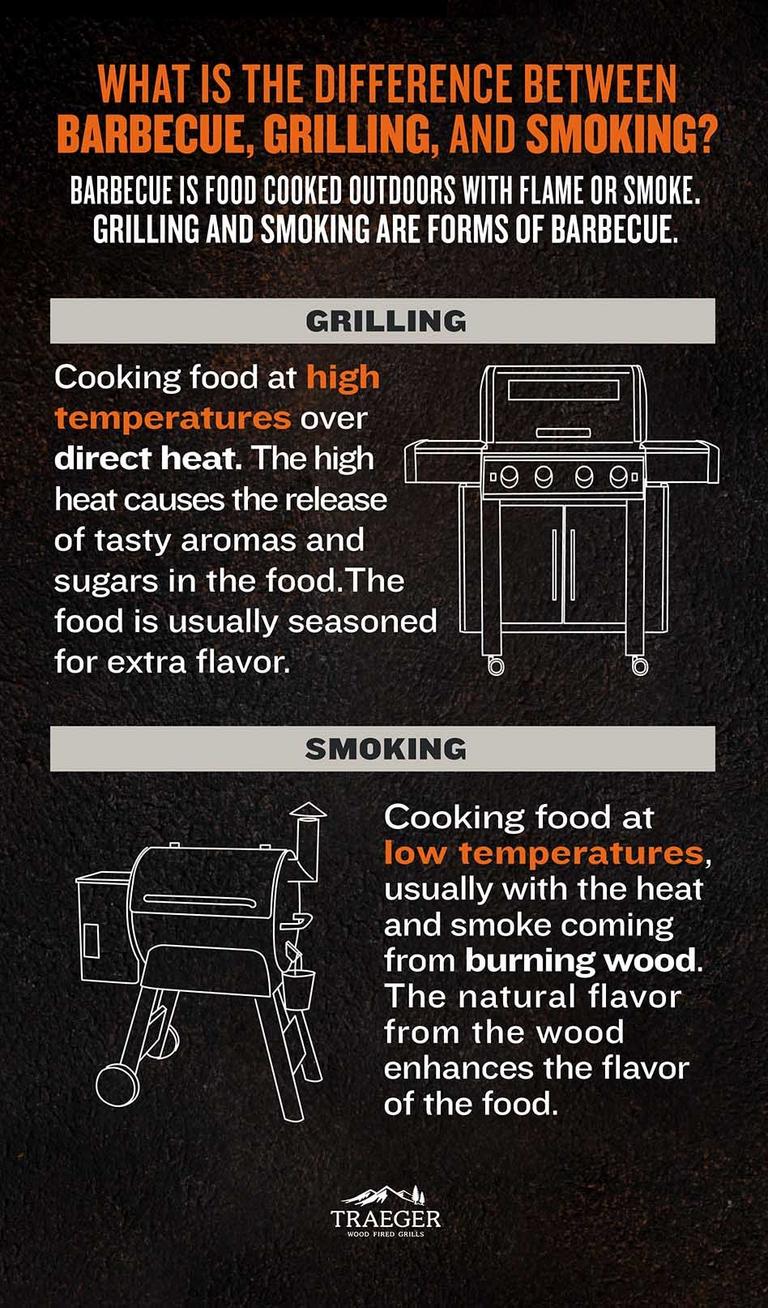
Credit: www.traeger.com
Conclusion: Which Technique Is Better?
Both grilled and blackened cooking techniques can produce delicious and flavorful dishes. However, blackening involves cooking the food quickly over high heat to create a charred crust and is a good option for those who prefer a more intense flavor profile or are short on time.
On the other hand, grilling involves dry heat applied to the surface of food from above or below.
Pros And Cons Of Grilling
Grilling is a popular cooking method where food is cooked on a grill, over coals, open flame or gas. This technique is suitable for a wide range of foods like vegetables, meat, and fish. Below are some of the pros and cons of grilling:
- Pros:
- Grilling gives an amazing smoky flavor to the food
- The food is cooked quickly
- Grilling is a healthier cooking method
- Less kitchen clean-up afterwards
- Cons:
- The food has a tendency to dry out
- The cooking temperature is difficult to regulate
- The grill requires preheating before cooking
- Not suitable for small, delicate foods
Pros And Cons Of Blackening
Blackening involves coating the food with a mix of Cajun spices and searing it at high temperatures to create a charred crust. Here are some of the pros and cons of blackening:
- Pros:
- Blackening gives a unique and intense flavor to the food
- The cooking time is quite short
- The spices protect the food from losing its juices
- Works well for delicate or small items
- Cons:
- The cooking temperature needs to be precise
- Smoke and fumes are generated during the cooking process
- Blackened foods require frequent attention during the cooking process
- The spices can be overpowering for some people
Personal Preference
When it comes to choosing between grilling and blackening, personal preference plays a crucial role. Some people love the smokiness of grilled food, while others prefer the intense flavor of blackened food. It also depends on the type of food being cooked. For example, thick cuts of meat are better suited for grilling, while thin fillets of fish are ideal for blackening.
Therefore, the answer to the question of which technique is better depends on the individual’s taste and the type of food being cooked. It’s best to experiment with both techniques and choose the one that suits your taste buds the best.
Credit: recipes.net
Frequently Asked Questions For Difference Between Grilled And Blackened
Is Blackened Better Than Grilled?
Blackened and grilled are both great cooking techniques, but they differ in terms of flavor. Blackening involves cooking the food quickly over high heat to create a charred crust and an intense flavor profile, while grilling is a form of cooking that involves dry heat applied to the surface of food, commonly from above or below.
Whether blackened or grilled is better is up to individual taste preferences.
What’s The Difference Between Blackened Chicken And Grilled Chicken?
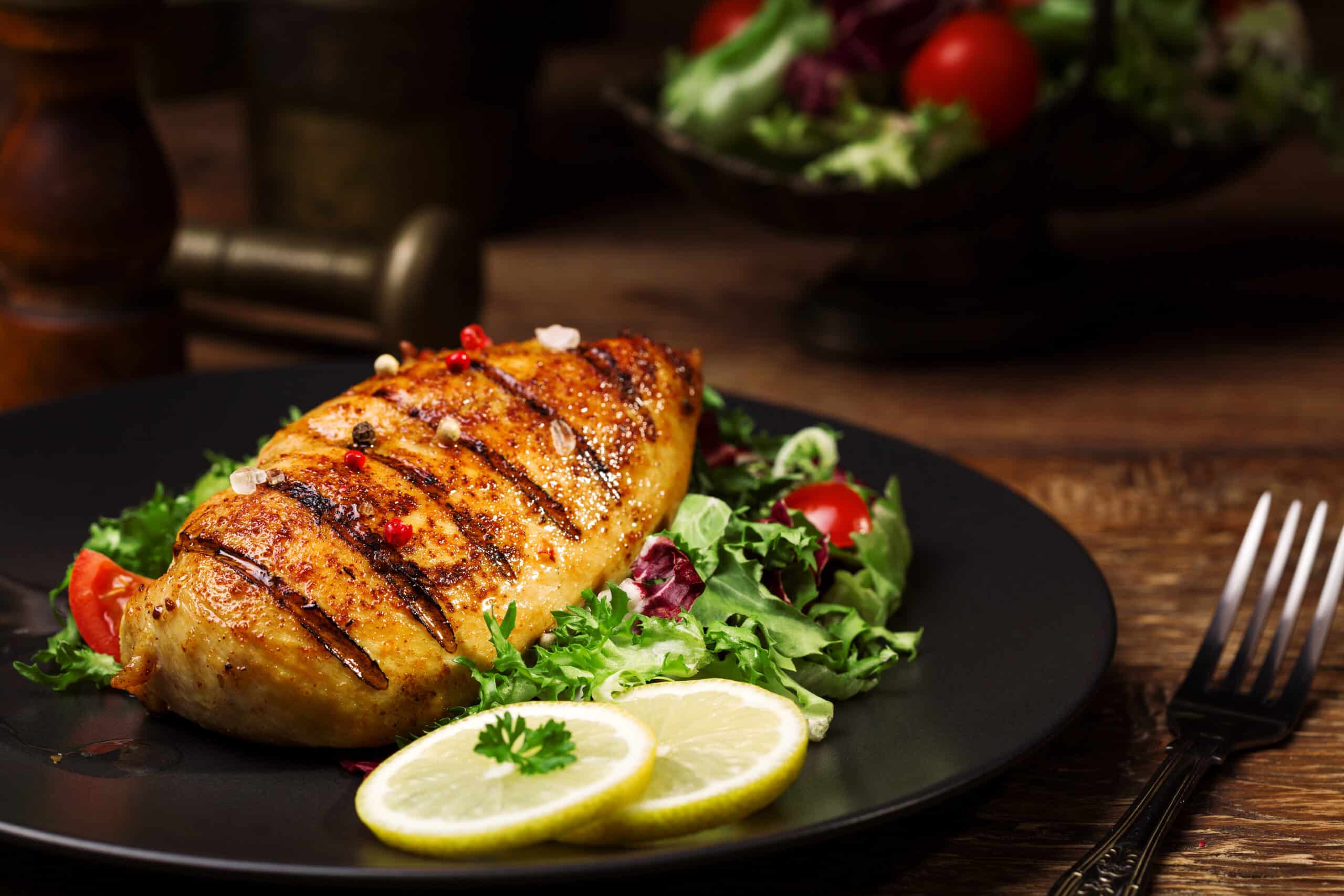
Blackened chicken refers to chicken coated with a spice mix and butter and cooked quickly over high heat to create a charred crust. Grilled chicken involves cooking chicken over an open flame or gas grill. While both techniques can create delicious dishes, blackening creates a more intense flavor profile and is a good option for those who are short on time.
What Is The Difference Between Char Grilled And Blackened?
Grilling is a cooking process where food is cooked over an open flame or gas grill. Blackening is a technique where food is seasoned with a Cajun seasoning mix and seared at high heat to create a charred crust. While both methods create delicious dishes, blackening is more intense in flavor and quicker to cook.
Is Blackened Fish Healthy?
Yes, blackened fish can be a healthy option for those who want a flavorful meal with minimal salt and saturated fats. The blackening technique involves seasoning the fish with a traditional Cajun spice mix, followed by cooking it quickly over high heat to create a charred crust.
This method preserves the nutritional value of the fish while also providing a delicious flavor profile.
Conclusion
Overall, both grilling and blackening are great cooking techniques that can be used to create delicious, flavorful dishes. Grilling involves cooking food over an open flame or gas grill, while blackening is a specific technique that involves seasoning the food with a Cajun spice mix and cooking it at high heat to create a charred crust.
Whether you prefer the lighter, simpler flavor of grilled food or the bold, spicy flavor of blackened food, it’s important to choose the technique that works best for your taste buds and dietary preferences. So go ahead and try these techniques and decide which one you like the most!