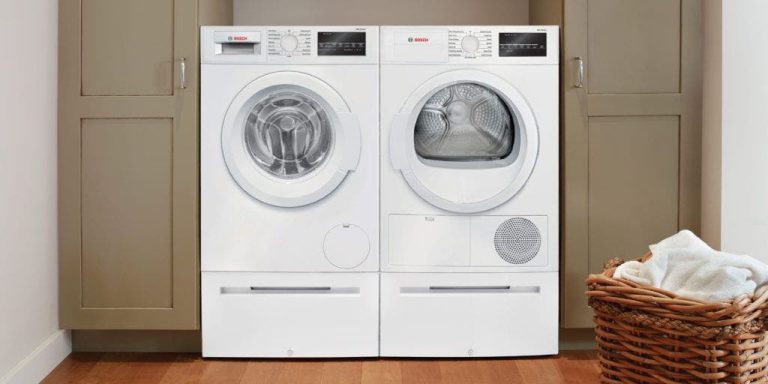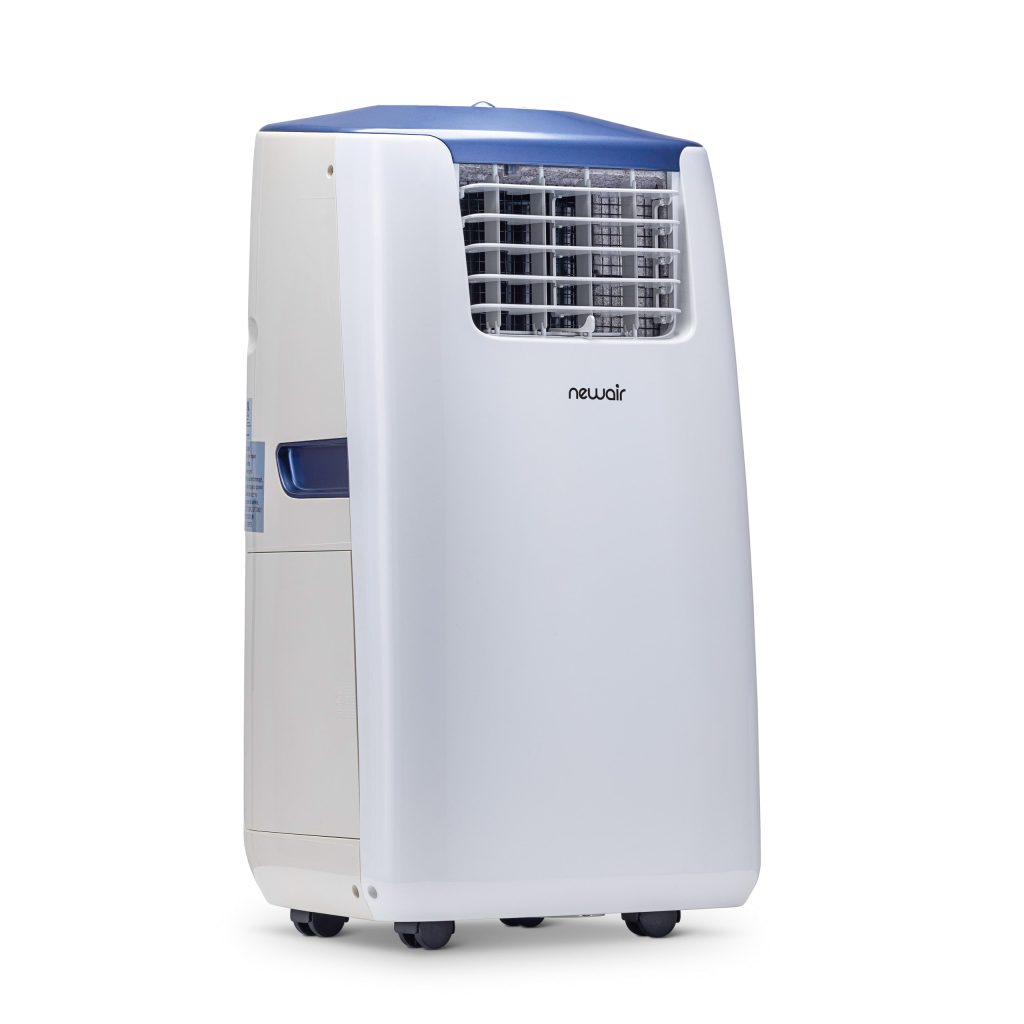
Dehumidifiers reduce humidity levels, while air conditioners lower temperature and humidity in the air. Both have unique functions.
Dehumidifiers and air conditioners are essential appliances for improving indoor air quality and creating a comfortable environment. Dehumidifiers work by removing excess moisture from the air, which can help prevent mold growth and reduce allergens. On the other hand, air conditioners cool the air while also dehumidifying it, making them ideal for hot and humid climates.
Understanding the differences between these two devices can help you make an informed decision on which one is best suited for your needs.
Dehumidifiers
Dehumidifiers are essential appliances designed to reduce and maintain the optimal level of humidity in a home or enclosed space. They work by extracting excess moisture from the air, creating a more comfortable and healthier environment. Dehumidifiers are particularly useful in areas with high humidity levels, as they can help prevent mold and mildew, reduce musty odors, and protect furniture and electronics from moisture damage.
How Dehumidifiers Work
Dehumidifiers operate by drawing in moist air through a fan, which then passes over cooling coils. As the air cools, the moisture condenses and collects in a water tank or drains directly into a sink or drain. The dehumidified air is then reheated and released back into the room, effectively lowering the overall humidity level.
Benefits Of Dehumidifiers
- Prevent Mold and Mildew: Dehumidifiers help to inhibit the growth of mold and mildew, which can pose health risks and cause damage to property.
- Allergy Relief: By reducing humidity, dehumidifiers can alleviate allergy symptoms and create a more comfortable breathing environment.
- Protect Property: Keeping the air at the right moisture level can protect furniture, clothing, and electronics from moisture-related damage.
- Energy Efficiency: When used alongside air conditioners, dehumidifiers can help reduce the load on the AC unit, leading to lower energy consumption and costs.
Air Conditioners
Air conditioners are versatile units that offer both cooling and dehumidifying functions to maintain a comfortable indoor environment. Let’s delve into the specific features of air conditioners:
Cooling Function Of Air Conditioners
Air conditioners lower the temperature indoors by removing heat from the air, creating a cooler and more pleasant atmosphere.
- They circulate refrigerant through a system of coils to absorb and dissipate heat, ensuring efficient cooling.
- The cooling process involves extracting warm air from the room, cooling it, and then recirculating the cooled air back inside.
- Air conditioners are designed to maintain a consistent and desired temperature setting for optimal comfort.
Dehumidifying Function Of Air Conditioners
Air conditioners also play a pivotal role in reducing humidity levels within a space, enhancing overall comfort and air quality.
- By condensing moisture from the air as it passes through the system, air conditioners effectively dehumidify the environment.
- This process involves the removal of excess moisture, preventing mold growth and musty odors in the living space.
- Additionally, air conditioners help alleviate symptoms related to high humidity, such as respiratory issues and discomfort.
Energy Efficiency
Dehumidifiers and air conditioners play different roles in maintaining energy efficiency. While dehumidifiers remove excessive moisture from the air, air conditioners cool the space. Both are essential for maintaining a comfortable indoor environment without wasting energy.
Dehumidifiers And Energy Consumption
Dehumidifiers are designed to eliminate excess moisture from the air, but how do they fare in terms of energy efficiency? Let’s take a closer look. Dehumidifiers consume a relatively low amount of energy compared to air conditioners. Generally, dehumidifiers have wattage ratings that range from 300 to 1500 watts. However, the energy consumption varies depending on the size and capacity of the unit. Smaller dehumidifiers with lower capacity tend to consume less energy compared to larger ones. So, if energy efficiency is a priority, opting for a smaller dehumidifier would be a wise choice. On average, dehumidifiers can consume anywhere from 300 to 800 watts per hour, which translates to around 7.2 to 19.2 kilowatt-hours (kWh) per day. This figure may vary depending on the humidity levels in your area and the desired level of moisture removal. It’s worth noting that dehumidifiers also vary in terms of features and settings. Some models come with energy-saving modes or timers that allow you to customize their operation. Utilizing these features effectively can further reduce energy consumption.Air Conditioners And Energy Consumption
Now, let’s turn our attention to air conditioners and their energy consumption. Air conditioners not only cool the air, but they also remove moisture during the process. However, air conditioners consume significantly more energy compared to dehumidifiers. The energy consumption of an air conditioner is primarily influenced by its cooling capacity, size, and efficiency rating. Air conditioners typically have wattage ratings ranging from 1000 to 5000 watts, with central air systems consuming even more. On average, air conditioners can consume approximately 900 to 5000 watts per hour, which is equivalent to around 21.6 to 120 kilowatt-hours (kWh) per day. This higher energy consumption stems from the additional components and power required to cool the air as well as dehumidify it. Furthermore, the cooling load or the temperature difference between the indoor and outdoor environment plays a significant role in determining an air conditioner’s energy consumption. Comparing the two, dehumidifiers consume less energy compared to air conditioners due to their focused purpose of moisture removal. Choosing a dehumidifier over an air conditioner can be an energy-efficient alternative, especially in regions where humidity is a concern but not extreme temperatures. Keep in mind that in areas with hot and humid climates, the simultaneous use of an air conditioner and dehumidifier may provide optimal comfort and energy efficiency by balancing cooling and moisture control. In conclusion, when it comes to energy efficiency, dehumidifiers are the clear winner, consuming less energy than air conditioners. However, your choice should be based on your specific needs and the prevailing climate conditions. Understanding the energy consumption of these appliances can help you make an informed decision and create a comfortable and efficient living environment.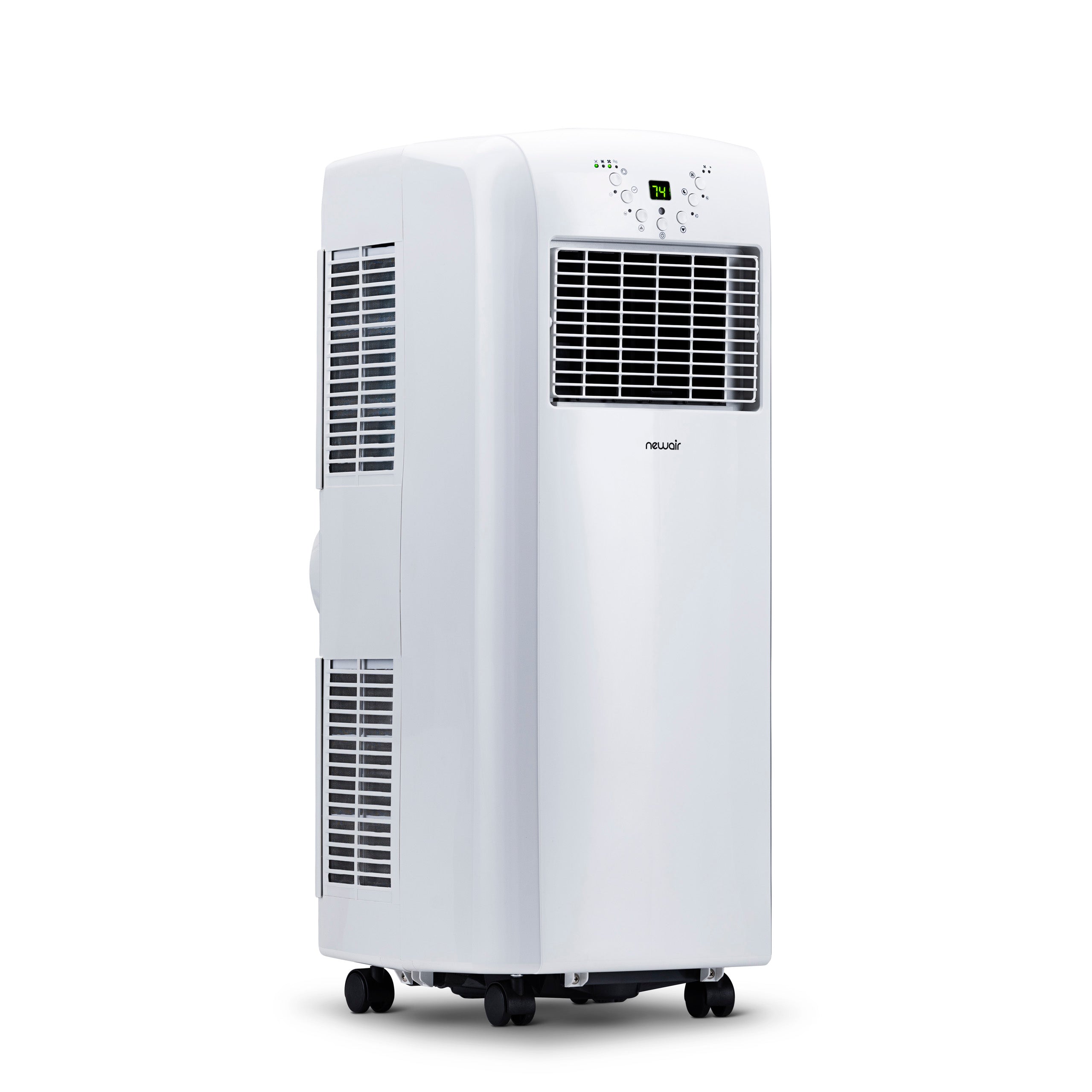
Credit: www.newair.com
Impact On Indoor Air Quality
When it comes to creating a healthy and comfortable indoor environment, it’s important to consider the impact of both dehumidifiers and air conditioners on air quality. These two appliances play a crucial role in maintaining optimal humidity levels and reducing pollutants in the air.
Dehumidifiers And Air Quality
Dehumidifiers are designed to remove excess moisture from the air, helping to prevent mold, mildew, and other harmful allergens from thriving. By reducing humidity levels, dehumidifiers can improve indoor air quality and create a more comfortable living environment.
When the humidity level is high, it can create a breeding ground for dust mites, bacteria, and molds. These allergens can trigger respiratory issues and worsen existing conditions such as asthma and allergies. By using a dehumidifier, you can minimize these risks and enjoy cleaner, healthier air.
A dehumidifier not only reduces the moisture in the air but also:
- Prevents the growth of mold and mildew, which can lead to respiratory problems.
- Controls dust mites, reducing the risk of allergies and asthma attacks.
- Reduces musty smells, creating a fresher and more pleasant indoor environment.
- Minimizes the risk of structural damage caused by excess moisture.
Air Conditioners And Air Quality
Air conditioners are commonly used to cool indoor spaces, but they also have a significant impact on air quality. While their primary function is temperature control, modern air conditioners often come equipped with advanced filtration systems that can purify the air as well.
Some of the benefits of using an air conditioner to improve air quality include:
- Filtering airborne particles such as dust, pollen, and pet dander, reducing allergic reactions.
- Removing indoor pollutants like smoke, odors, and volatile organic compounds (VOCs), enhancing the overall air freshness.
- Reducing humidity levels, which inhibits the growth of mold and mildew.
- Improving ventilation by exchanging stale indoor air with fresh outdoor air, which can have a positive impact on respiratory health.
When deciding between a dehumidifier and an air conditioner, it’s important to consider your specific needs and the air quality concerns in your home. While both appliances can contribute to a healthy indoor environment, they have distinct functions and benefits.
By understanding the impact of these appliances on indoor air quality, you can make an informed decision and create a comfortable living space that promotes well-being.
Maintenance And Cost
Discover the variance between dehumidifiers and air conditioners regarding maintenance and cost. Dehumidifiers are simpler to upkeep with lower costs, while air conditioners may require more maintenance, leading to higher expenses over time. Consider efficiency and long-term savings when choosing between the two options.
Maintenance and cost are essential factors to consider when comparing dehumidifiers versus air conditioners. Let’s dive into the specifics of maintaining these devices to understand their financial implications better.Maintenance Of Dehumidifiers
Regularly clean and replace filters to maintain optimal performance. Empty the water tank frequently to prevent mold and odors. Inspect for any leaks or damage to ensure efficiency over time.Maintenance Of Air Conditioners
Clean or replace air filters every few months for better air quality. Check and refill refrigerant levels as needed to maintain cooling efficiency. Schedule professional maintenance to inspect ducts and overall unit performance. In terms of cost, dehumidifiers generally have lower upfront costs and maintenance expenses compared to air conditioners. However, air conditioners consume more energy, leading to higher operational costs in the long run. Consider your specific needs and budget when choosing between these systems.Suitability For Different Spaces
When deciding between dehumidifiers and air conditioners, it’s essential to consider the suitability for different spaces. Dehumidifiers are ideal for controlling moisture levels in smaller areas like basements and bathrooms. On the other hand, air conditioners are more effective for cooling larger spaces such as living rooms and bedrooms.
Choosing between a dehumidifier and an air conditioner depends on the size of the space you need to regulate. While dehumidifiers are ideal for small spaces, air conditioners are better suited for large areas.
Dehumidifiers In Small Spaces
Dehumidifiers work efficiently in small spaces such as bedrooms, bathrooms, or closets. Their compact size allows them to fit into tight corners, making them perfect for apartments, small offices, or single rooms in a house.
When placed in small spaces, dehumidifiers effectively remove excess moisture from the air, preventing the growth of mold, mildew, and other allergens. They provide relief from musty odors and help maintain a comfortable environment while reducing humidity levels.
Additionally, dehumidifiers are energy-efficient and operate quietly. They usually come with adjustable humidity settings, allowing you to control the level of moisture in the air according to your preferences.
Air Conditioners In Large Spaces
In contrast, air conditioners are better suited for cooling large spaces such as living rooms, offices, or open-plan areas. They are designed to cool larger volumes of air, making them capable of maintaining consistent temperatures in expansive areas.
With their cooling capabilities, air conditioners are particularly useful during hot summer months. They not only reduce humidity levels but also provide the necessary cooling for larger spaces, ensuring comfort and a pleasant indoor environment.
Air conditioners are available in various sizes and capacities, allowing you to choose the most suitable option for your specific needs. They often come with built-in thermostats and adjustable fan speeds for precise temperature control.
It’s important to note that air conditioners require proper installation and maintenance to ensure optimal performance and energy efficiency in larger spaces.
Environmental Impact
The environmental impact of dehumidifiers and air conditioners is a crucial aspect to consider in our efforts to reduce carbon footprint.
Environmental Impact Of Dehumidifiers
- Dehumidifiers consume less energy than air conditioners.
- They remove excess moisture from the air, promoting a healthier environment.
- Dehumidifiers help prevent mold growth, which is beneficial for indoor air quality.
Environmental Impact Of Air Conditioners
- Air conditioners consume more electricity compared to dehumidifiers.
- They emit greenhouse gases during operation, contributing to climate change.
- Continuous use of air conditioners can deplete ozone layer, impacting the environment negatively.

Credit: www.amazon.com

Credit: www.amazon.com
Frequently Asked Questions On Dehumidifiers Vs Air Conditioners
Do Dehumidifiers Work Better Than Air Conditioners?
Yes, dehumidifiers work better than air conditioners in areas with high humidity levels. While air conditioners also reduce humidity, dehumidifiers are specifically designed to target and remove excess moisture from the air, making them more effective in controlling humidity levels.
Can A Dehumidifier Replace An Air Conditioner?
No, a dehumidifier cannot replace an air conditioner as it only removes moisture from the air.
Is It Cheaper To Run A Dehumidifier Or Central Air?
Running a dehumidifier is generally cheaper than running central air. Dehumidifiers specifically target moisture, so they consume less energy compared to cooling an entire space with central air. However, the cost can vary depending on the size of the area and the efficiency of the appliances in use.
What Are The Disadvantages Of A Dehumidifier?
Dehumidifiers have a few disadvantages. They can increase energy consumption and noise levels. Some models require frequent maintenance, like emptying water tanks. Overuse can make the air too dry, leading to discomfort. Plus, initial costs and potential space requirements are factors to consider.
Conclusion
Choosing between dehumidifiers and air conditioners depends on your specific needs. Dehumidifiers are great for controlling moisture levels, while air conditioners provide overall cooling. Consider your environment and desired comfort level. Both have their advantages, so make an informed decision based on what suits you best.