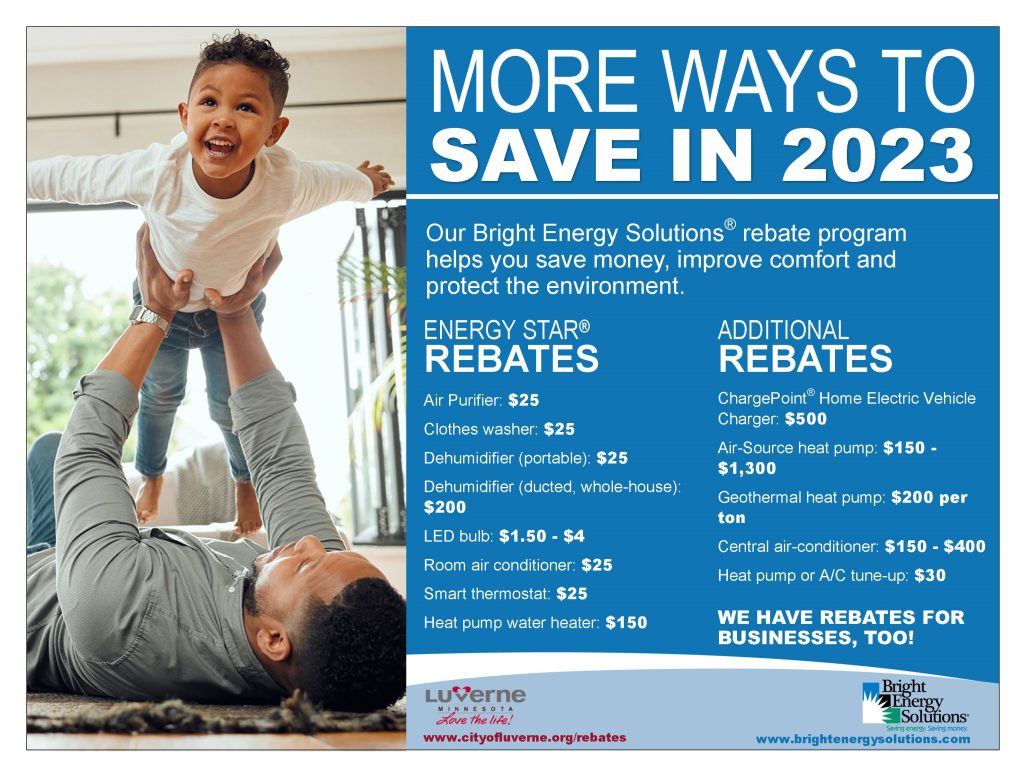
Dehumidifiers are typically more energy-efficient than air conditioners, making them cost-effective for humidity removal. Energy costs are lower for dehumidifiers, promoting energy efficiency and reducing the need for mold removal.
When dehumidifiers run, utility bills decrease as air feels cooler with less moisture, reducing the frequency of air conditioner usage. Utilizing a dehumidifier alongside an air conditioner can lead to overall energy savings and improved air quality indoors. In comparison, air conditioners consume more electricity and have higher operational costs than dehumidifiers.
By choosing a dehumidifier, you can not only save on electricity bills but also enhance energy efficiency in your home.
Credit: www.scientificamerican.com
Understanding Dehumidifiers
Dehumidifiers are more energy-efficient than air conditioners, making them a cost-effective choice for removing humidity. Using a dehumidifier can help save money on energy costs and prevent the need for mold removal.
How Do Dehumidifiers Work?
Dehumidifiers work by removing excess moisture from the air, thereby reducing the humidity levels in a room or an enclosed space. They achieve this through a process known as condensation. When air enters the dehumidifier, it passes over a set of cooled coils. These coils cause the moisture in the air to condense into water droplets, which collect in a tank or drain away through a hose. The drier air is then reheated and released back into the room.Benefits Of Using A Dehumidifier
There are several benefits to using a dehumidifier in your home or workspace: 1. Improved air quality: Excess humidity can contribute to the growth of mold, mildew, and dust mites, which can trigger allergies and respiratory problems. By reducing humidity levels, dehumidifiers help to create a healthier indoor environment. 2. Prevention of mold and mildew: Mold and mildew thrive in damp environments. By removing excess moisture, dehumidifiers prevent the growth of these harmful substances, protecting your home and belongings. 3. Reduced musty smells: Damp areas often have an unpleasant, musty odor. Dehumidifiers help to eliminate these odors by drying out the air. 4. Protection for furniture and belongings: Excessive humidity can cause damage to wood furniture, electronics, and other sensitive items. By maintaining optimal humidity levels, dehumidifiers help prolong the life of your belongings. 5. Increased comfort: High humidity can make a room feel sticky and uncomfortable, especially during the hot summer months. Dehumidifiers create a more comfortable living environment by reducing humidity levels. 6. Energy efficiency: When using a dehumidifier, you may find that you can set your air conditioner temperature higher while still feeling comfortable. This can result in energy savings and lower utility bills. In summary, dehumidifiers are beneficial for maintaining a healthy indoor environment by reducing excess humidity, preventing the growth of mold and mildew, and improving overall comfort.
Credit: www.amazon.com
Understanding Air Conditioners
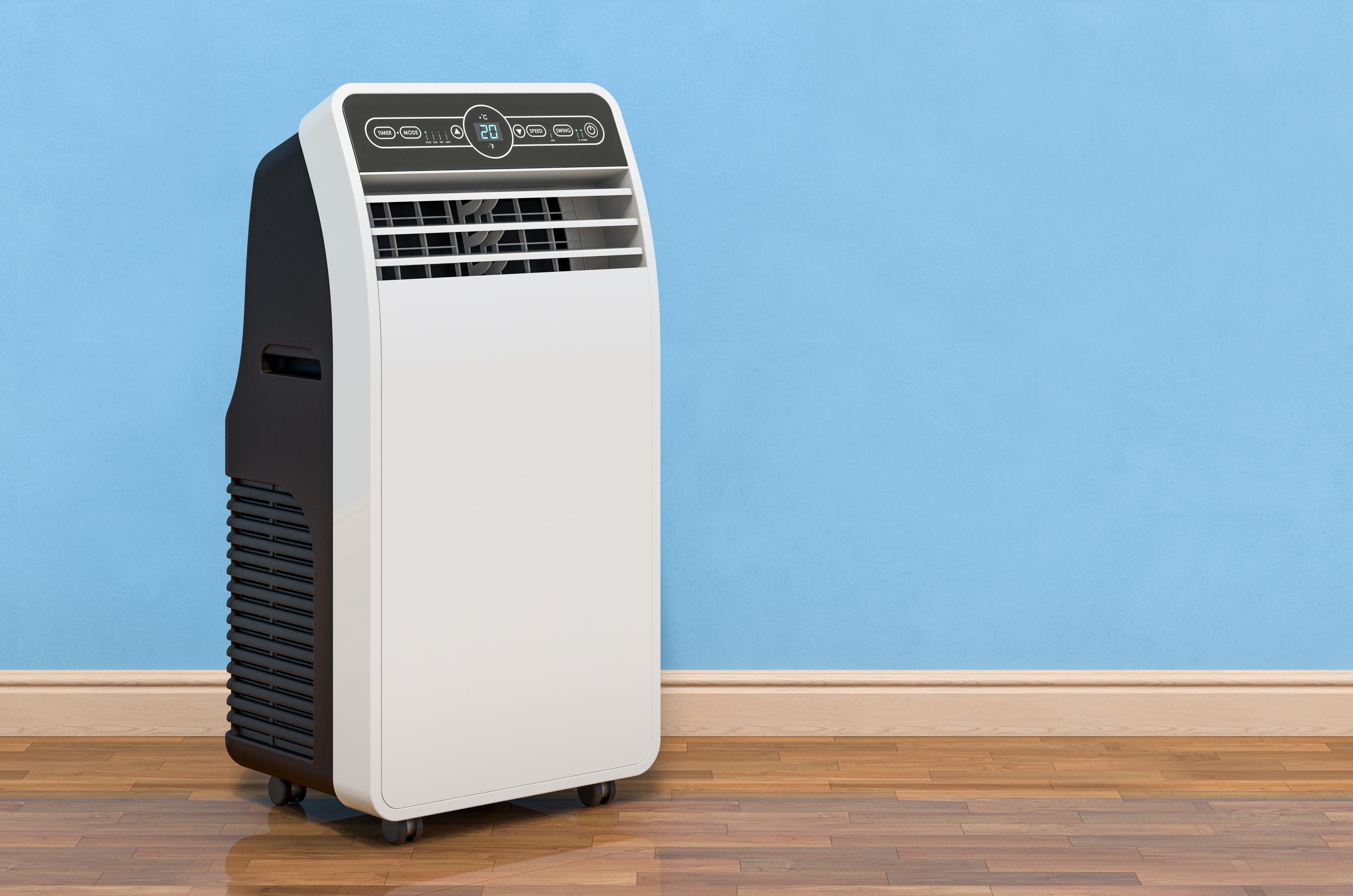
Air conditioners are essential appliances that regulate indoor temperature by removing heat and moisture from the air. Understanding how air conditioners work and the benefits they offer can help you make informed decisions about cooling your space efficiently.
How Do Air Conditioners Work?
Air conditioners work by absorbing heat from the indoor air, cooling it using a refrigerant, and then releasing the cooled air back into the room while expelling the heat outside. This process is repeated to maintain a comfortable temperature inside your space.
Benefits Of Using An Air Conditioner
- Regulates temperature: Air conditioners help maintain a comfortable indoor environment, especially during hot weather.
- Improves air quality: By filtering and dehumidifying the air, air conditioners help remove allergens and pollutants for better air quality.
- Enhances productivity: Cooler environments created by air conditioners can improve focus and productivity.
- Better sleep: A comfortably cool room temperature facilitated by air conditioning can promote better sleep quality.
Electricity Consumption
When it comes to home comfort, managing humidity levels is a crucial aspect to consider. Excessive humidity can lead to mold growth and discomfort, while low humidity can cause dryness and respiratory issues. Dehumidifiers and air conditioners are common appliances used to control indoor humidity levels. However, it’s essential to understand their electricity consumption to make an informed choice.
Comparison Of Electricity Consumption
Understanding the electricity consumption of dehumidifiers and air conditioners is crucial for making cost-effective decisions. Let’s delve into the energy efficiency of both appliances.
Energy Efficiency Of Dehumidifiers
Dehumidifiers function by extracting moisture from the air, enhancing indoor air quality and comfort. In terms of energy efficiency, modern dehumidifiers are designed to consume minimal electricity while effectively reducing humidity levels. Their energy-efficient operation makes them a sustainable choice for maintaining ideal indoor moisture levels.
Energy Efficiency Of Air Conditioners
Air conditioners not only cool the air but also reduce humidity levels. However, they typically consume more electricity compared to dehumidifiers due to their extensive cooling mechanisms. While effective in controlling both temperature and humidity, air conditioners may not be as energy-efficient as dehumidifiers specifically designed for moisture extraction.
Cost Comparison
When it comes to managing indoor humidity and maintaining a comfortable living environment, many homeowners find themselves torn between the choice of using a dehumidifier or an air conditioner. Apart from their primary functions, the cost of running each appliance also plays a crucial role in the decision-making process. Let’s delve into the cost comparison of running a dehumidifier versus an air conditioner to help you make an informed choice that fits your budget and lifestyle.
Calculating The Cost Of Running A Dehumidifier
When calculating the cost of running a dehumidifier, it’s important to consider the wattage of the unit and the number of hours it operates. To determine the electricity cost, you can use the following formula:
Electricity cost = (Wattage of dehumidifier ÷ 1000) x Hours of operation x Cost per kWh
For example, if your dehumidifier has a wattage of 250W and runs for 8 hours a day, and your electricity cost is $0.12 per kWh, the calculation will be:
Electricity cost = (250 ÷ 1000) x 8 x $0.12 = $0.24 per day
Calculating The Cost Of Running An Air Conditioner
When calculating the cost of running an air conditioner, consider factors such as the BTU rating, hours of operation, and the cost per kWh. The formula for determining the electricity cost is:
Electricity cost = (BTU rating x Hours of operation x Energy efficiency ÷ 1000) x Cost per kWh
For instance, if your air conditioner has a BTU rating of 10,000, operates for 6 hours each day, and your electricity cost is $0.15 per kWh, and the energy efficiency is 10 EER, the calculation will be:
Electricity cost = (10,000 x 6 x 10 ÷ 1000) x $0.15 = $9.00 per day
Savings Potential With A Dehumidifier
- Dehumidifiers typically consume less energy than air conditioners, resulting in lower electricity costs.
- By using a dehumidifier, you may reduce the frequency of air conditioner usage, leading to additional savings on cooling expenses.
- Efficient dehumidification can help prevent mold and mildew growth, potentially saving on costly remediation and HVAC maintenance.
In conclusion, understanding the cost comparison between running a dehumidifier and an air conditioner empowers you to make a cost-effective and energy-efficient choice that aligns with your needs and budget.
Environmental Impact
When considering environmental impact, using a dehumidifier is more energy-efficient than an air conditioner. Dehumidifiers help save on electricity costs and reduce overall energy consumption, making them a more sustainable solution for controlling humidity indoors.
Greenhouse Gas Emissions From Dehumidifiers
Dehumidifiers use less electricity than air conditioners, leading to lower carbon emissions.
Greenhouse Gas Emissions From Air Conditioners
Air conditioners consume more electricity, resulting in higher greenhouse gas emissions compared to dehumidifiers.
Environmental Considerations
- Dehumidifiers are more energy-efficient and eco-friendly.
- Air conditioners contribute more to greenhouse gas emissions.
- Choosing a dehumidifier can reduce environmental impact.
Usage Scenarios
When deciding between a dehumidifier and an air conditioner for electricity usage, dehumidifiers are typically more energy-efficient. Opting for a dehumidifier can help you save costs compared to running an air conditioner to remove humidity.
When To Use A Dehumidifier
Dehumidifiers are a perfect choice for specific scenarios where excessive moisture is a concern. Here are the usage scenarios when a dehumidifier proves to be most effective:- In humid climates, dehumidifiers can be used to reduce the moisture levels in the air, preventing mold and mildew growth.
- If you frequently experience condensation on windows and walls, a dehumidifier can help remove the excess moisture, preventing damage to your home.
- If you have a basement or crawl space, dehumidifiers can control the dampness, keeping the area dry and free from musty odors.
- For individuals with respiratory conditions such as asthma or allergies, dehumidifiers can improve indoor air quality by reducing allergens like dust mites and mold spores.
- If you have wooden furniture or musical instruments that are sensitive to humidity, a dehumidifier can protect them from warping or getting damaged.
When To Use An Air Conditioner
Air conditioners are popular cooling devices that provide relief from hot and humid conditions. Here are the usage scenarios when an air conditioner comes in handy:- During the summer months, air conditioners provide a comfortable indoor environment by cooling the air and reducing humidity.
- In regions with high temperatures, air conditioning is essential to maintain a pleasant living or working environment.
- If you want quick and effective cooling throughout your entire home or office, air conditioners are the go-to option.
- In areas where allergies are a concern, air conditioners can help filter out allergens from the air, providing relief for allergy sufferers.
- If you need instant relief from excessive heat and humidity, air conditioners can cool down rooms within minutes.
Combining Both For Optimal Results
For ultimate comfort and energy efficiency, combining the use of a dehumidifier and an air conditioner is the best approach. Here’s how you can optimize their functionality:- Start by using the dehumidifier to remove excessive moisture from the air, making it easier and more efficient for the air conditioner to cool the room.
- The dehumidifier helps the air conditioner work more effectively by preventing humidity-related issues such as mold growth and condensation.
- By reducing the humidity with a dehumidifier, you can set your air conditioner to a slightly higher temperature, saving energy and reducing electricity costs.
- In extremely humid conditions, running both the dehumidifier and air conditioner simultaneously ensures maximum comfort and optimal moisture control.
- Make sure to properly maintain and clean both the dehumidifier and air conditioner for seamless operation and extended lifespan.
Remember, understanding the usage scenarios of dehumidifiers and air conditioners allows you to make informed decisions based on your specific needs. Whether you’re dealing with excessive moisture or seeking relief from hot and humid conditions, choosing the right device at the right time ensures a comfortable and enjoyable indoor environment.

Credit: visual.ly
Frequently Asked Questions Of Dehumidifier Vs Air Conditioner Electricity
Does Dehumidifier Use More Electricity Than Ac?
No, dehumidifiers do not use more electricity than air conditioners. In fact, dehumidifiers are usually more energy-efficient, making them a more cost-effective option for removing humidity compared to air conditioners. Dehumidifiers can save you money in the long run by promoting energy efficiency and preventing the need for mold removal.
Do Dehumidifiers Use A Lot Of Electricity?
No, dehumidifiers do not use a lot of electricity. In fact, they are more energy-efficient than air conditioners, making them a cost-effective option for removing humidity.
Do Dehumidifiers Increase Electric Bill?
Running a dehumidifier may increase your electric bill, but it’s more cost-effective than using an air conditioner.
Will A Dehumidifier Lower My Air Conditioning Bill?
Yes, a dehumidifier will lower your air conditioning bill by reducing the need to run it as often.
Conclusion
Choosing a dehumidifier over an air conditioner can be more cost-effective and energy-efficient. By using a dehumidifier, you can lower electricity bills and improve indoor air quality, thus saving money in the long run. Consider the benefits of a dehumidifier for a more efficient and comfortable environment.