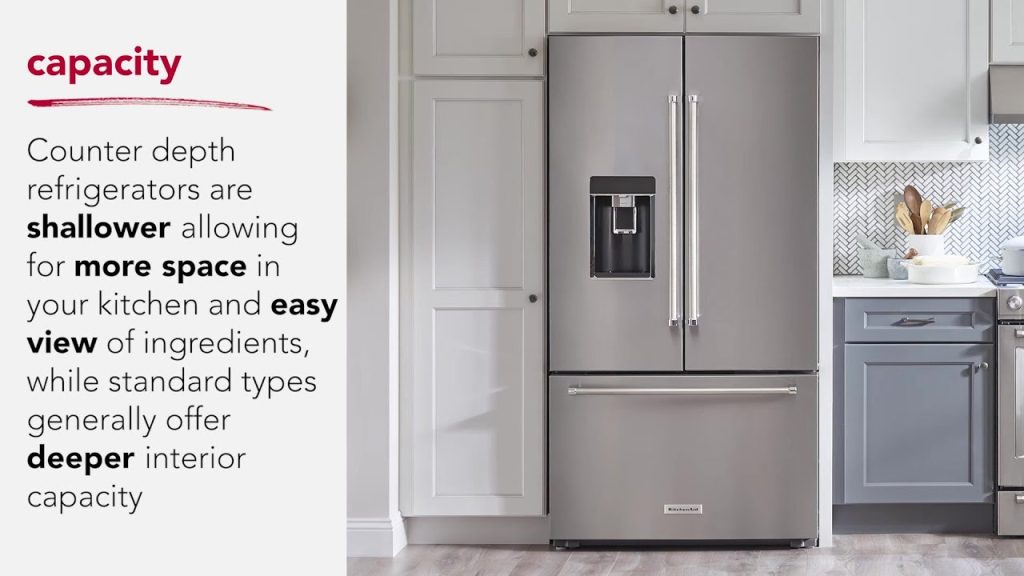
Counter depth refrigerators are shallower to align with cabinets, while regular depth models extend further into the kitchen space. The difference lies in their depth dimensions, with counter depth refrigerators being more flush with surrounding cabinetry.
When considering whether to opt for a counter depth or regular depth refrigerator, several factors come into play. The design of your kitchen, personal preferences, and available space all play a crucial role in making the right choice. Understanding the characteristics and benefits of each type can help you decide which option best suits your needs.
This guide delves deeper into the distinctions between counter depth and regular depth refrigerators, offering insights to facilitate your decision-making process.
Size And Space Utilization
When it comes to choosing the right refrigerator for your kitchen, one of the key considerations is the size and space utilization. Understanding the differences between a counter depth and regular depth refrigerator can help you make an informed decision that best fits your needs.
Refrigerator Dimensions
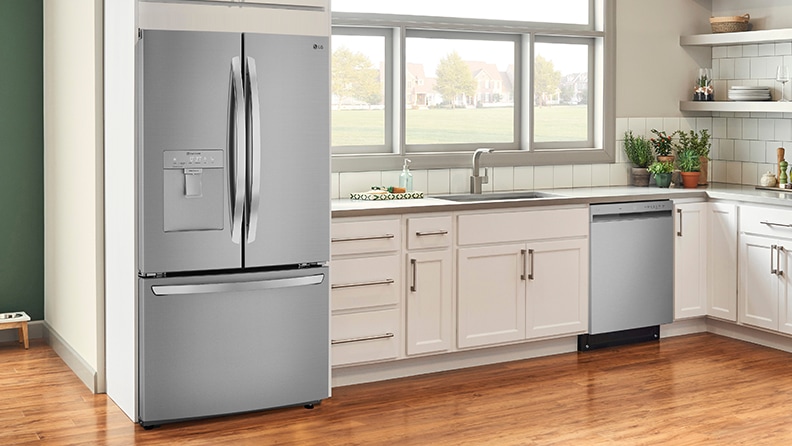
The size of your refrigerator can significantly impact the overall layout and functionality of your kitchen space. Counter depth refrigerators are specifically designed to be shallower, allowing them to align more seamlessly with your kitchen cabinetry for a sleek, built-in look. On the other hand, regular depth refrigerators often protrude further into the room, potentially limiting the space available for movement and access to other appliances.
Fitting In Compact Spaces
For smaller kitchens or galley-style layouts, the compact design of a counter depth refrigerator can offer a space-saving solution. By minimizing the depth of the appliance, you free up valuable floor space and create a more open and airy feel within the kitchen. This can be particularly beneficial in urban apartments or homes with limited square footage, where maximizing every inch of space is essential for creating a functional and visually appealing environment.
Credit: www.lowes.com
Appearance And Design
When considering refrigerators, the appearance and design play a crucial role in making a decision. It is not just about its functionality but also about how it complements the overall aesthetic of your kitchen.
Flush With Cabinets
One of the key advantages of a counter-depth refrigerator is that it sits flush with your kitchen cabinets, creating a seamless and integrated look.
Aesthetic Appeal
The regular-depth refrigerator may protrude more into your kitchen space, disrupting the flow of your design. On the other hand, a counter-depth option blends in effortlessly, enhancing the overall visual appeal.
Storage Capacity And Organization
Discover the key differences between counter depth and regular depth refrigerators when it comes to storage capacity and organization. Find out which option offers the best balance between space optimization and a sleek, integrated look for your kitchen.
Introduction
When it comes to choosing the perfect refrigerator, storage capacity and organization are crucial factors to consider. Two popular options available in the market are counter depth and regular depth refrigerators. In this article, we will explore the storage capacity and organization features of both types, allowing you to make an informed decision for your kitchen.
Shelf And Bin Configuration
Shelf and bin configuration plays a significant role in maximizing storage efficiency and organizing your food items effectively. Let’s compare the options available in counter depth and regular depth refrigerators:
Counter Depth Refrigerators:
In counter depth refrigerators, shelf and bin configurations are specially designed to accommodate the limited depth while ensuring optimal storage space:
- Adjustable shelves: Counter depth refrigerators often feature adjustable shelves, allowing you to customize the layout based on your needs. This flexibility ensures you can comfortably store tall items like pitchers, bottles, and even birthday cakes.
- Narrow door bins: The door bins in counter depth refrigerators are typically narrower compared to regular depth models. While this might restrict the capacity slightly, it helps maximize the space utilization without compromising on organization. You can neatly arrange condiments, jars, and smaller bottles in these bins.
- Spacious drawers: Despite the shallower depth, counter depth refrigerators offer spacious drawers for fruits, vegetables, and deli meats. These drawers are designed to maintain optimal humidity levels, keeping your produce fresh and crisp for longer durations.
Regular Depth Refrigerators:
Regular depth refrigerators provide more generous storage capacity, allowing you to have ample space for storing your groceries:
- Versatile shelves: With regular depth refrigerators, you can take advantage of a wider range of shelf configurations. This versatility enables you to adjust the shelves to accommodate large containers, platters, and bulky items.
- Deep door bins: One advantage of regular depth refrigerators is the deep door bins. These bins offer more storage space for items like gallon-sized jugs, soda bottles, and tall condiment jars.
- Sizable freezer drawers: Regular depth refrigerators often have larger freezer compartments compared to counter depth models. This extra space allows you to store bulkier frozen goods, such as family-sized packs of meats or frozen pizzas, with ease.
Freezer Space Comparison
When it comes to freezer space, the size of the freezer compartment can greatly affect your storage capabilities. Consider the differences between counter depth and regular depth refrigerators:
| Refrigerator Type | Freezer Space |
|---|---|
| Counter Depth | Typically have smaller freezer compartments due to the limited overall depth. |
| Regular Depth | Offer larger freezer compartments, providing more room for storing frozen foods. |
When selecting a refrigerator, consider your freezer storage needs. If you require ample freezer space for bulk storage or have a large family, a regular depth refrigerator might be a more suitable option.
So, whether you prioritize a sleek and integrated kitchen design with adequate storage options (counter depth) or prefer a larger storage capacity with versatile shelving (regular depth), carefully evaluating your needs will ensure you choose the refrigerator that best suits your requirements.
Cost And Budget Considerations
When it comes to choosing a refrigerator, one of the major factors to consider is the cost and budget. Understanding the cost implications of different options can help you make an informed decision as you shop for a new appliance. In this article, we will analyze the initial cost and long-term energy efficiency of counter depth and regular depth refrigerators to help you decide which one is the best fit for your budget.
Initial Cost Analysis
The initial cost of a refrigerator plays a significant role in many people’s purchasing decisions. Counter depth refrigerators are generally more expensive than regular depth models. This is because counter depth refrigerators are designed to align with your kitchen cabinets, giving a seamless and integrated look to your kitchen. On the other hand, regular depth refrigerators are more common and are available in a wider variety of styles and price ranges.
When considering the initial cost, it’s important to note that counter depth refrigerators usually have fewer storage capacities compared to regular depth models in the same price range. So, if you have a large family or require ample storage space, a regular depth refrigerator might be a more cost-effective option.
Long-term Energy Efficiency
In addition to the initial cost, it’s also essential to factor in the long-term energy efficiency of the refrigerator. Counter depth refrigerators are designed to be more compact and consume less energy due to their smaller size. This could potentially lead to lower utility bills over time.
Regular depth refrigerators, although larger in size, have more energy-efficient models available in the market. These models are designed with features like improved insulation and advanced cooling systems, which help to reduce energy consumption.
When making a decision based on long-term energy efficiency, it’s important to compare the Energy Star ratings of different models. The Energy Star rating provides an indication of how energy-efficient the refrigerator is, helping you choose an option that aligns with your budget and sustainability goals.
Functional Features
Functional Features:
Accessibility And Convenience
Counter-depth refrigerators offer easier access due to their shallower design compared to regular depth models.
The sleek and streamlined appearance of counter-depth refrigerators also enhances the overall look of the kitchen.
Special Features And Add-ons
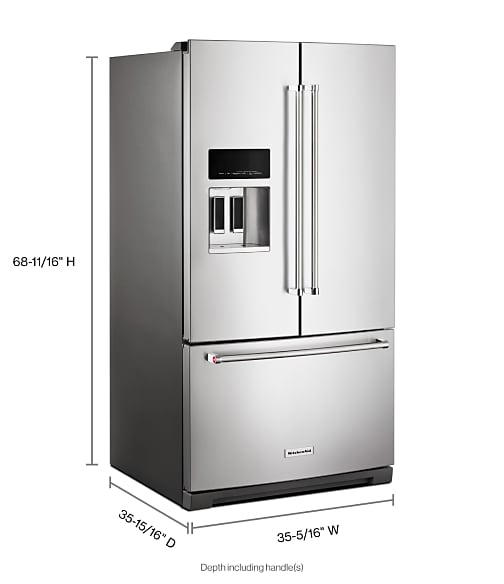
Many counter-depth refrigerators come with special features such as temperature-controlled compartments and adjustable shelves.
Additional add-ons like water and ice dispensers provide added convenience for users.
Credit: www.kitchenaid.com
Installation And Maintenance
When it comes to choosing between a counter-depth refrigerator and a regular-depth refrigerator, one of the key factors to consider is the installation and maintenance aspect. Both types of refrigerators offer their own unique set of challenges and requirements in terms of fitting them into your kitchen space as well as cleaning and maintaining them.
Fitment Challenges
Installing a counter-depth refrigerator can present some fitment challenges due to its shallow depth. These refrigerators are designed to be flush with your countertops, offering a sleek and integrated look. However, it’s important to ensure that you have enough space for the refrigerator to fit properly in your kitchen. Measure the dimensions of the space carefully, taking into account any doors and drawers that may obstruct the refrigerator’s installation. If needed, you may have to make some adjustments to your cabinetry or countertops to accommodate the counter-depth refrigerator.
On the other hand, regular-depth refrigerators are generally easier to fit into most kitchen spaces. They have greater depth and don’t require as much precision in terms of installation. However, it’s still important to measure your available space and consider any clearance requirements to ensure proper ventilation and functionality of the refrigerator.
Cleaning And Maintenance
Keeping your refrigerator clean and well-maintained is essential for its longevity and optimal performance. When it comes to counter-depth refrigerators, their compact size can make cleaning and maintenance a bit more challenging compared to regular-depth refrigerators.
One of the main considerations is cleaning the coils. In a regular-depth refrigerator, the coils are usually located at the back and are easily accessible for cleaning. However, in counter-depth refrigerators, the coils may be hidden or located in a more confined space, requiring some extra effort to reach and clean them. Regular maintenance of the coils is important to ensure efficient cooling and prevent dust and dirt buildup.
Cleaning the interior of both types of refrigerators follows a similar process. Remove all the items from the shelves and drawers, and wipe them down with a solution of mild dish soap and water. Pay special attention to any spills or stains, ensuring they are thoroughly cleaned to prevent odors and bacteria growth.
Additionally, regular defrosting is necessary for some counter-depth refrigerators, as they may not have an automatic defrosting feature. This involves manually defrosting the freezer section to prevent ice buildup, which can lead to reduced storage capacity and increased energy consumption.
In conclusion, installation and maintenance play a significant role in deciding between a counter-depth refrigerator and a regular-depth refrigerator. Consider the fitment challenges and cleaning requirements of each type before making your decision. By carefully measuring your space and following proper cleaning and maintenance practices, you can ensure the longevity and efficiency of your refrigerator, regardless of its depth.
Final Verdict
In summary, choosing between a Counter Depth and a Regular Depth Refrigerator ultimately depends on your specific needs and kitchen layout.
Matching Your Needs
Consider your kitchen space and how important seamless integration is to you.
Factors To Consider Before Purchase
- Measure your kitchen area to ensure proper fit and aesthetic appeal.
- Think about the storage capacity you require for your food and beverages.
- Consider the visual appeal and design harmony with your kitchen decor.
- Evaluate the functionality and features that matter most to you.
There is no definitive answer, as both types have their advantages. Consider your needs and kitchen layout to make the best choice for your home.

Credit: www.kellyshomecenter.com
Frequently Asked Questions On Counter Depth Vs Regular Depth Refrigerator
Which Is Better Standard Depth Or Counter-depth Refrigerator?
Standard depth refrigerators offer more storage capacity, while counter-depth refrigerators provide a sleeker look that aligns with cabinets.
How Do I Know If I Need A Counter-depth Refrigerator?
A counter-depth fridge is suitable for limited space and a sleek look. Measure the depth of your current fridge and the available space to decide if you need one. It provides a streamlined appearance and efficient use of space in smaller kitchens.
Do You Lose Space With A Counter-depth Refrigerator?
No, you don’t lose space with a counter-depth refrigerator, as it’s designed to be the same depth as the standard kitchen counter.
What Are The Cons Of Counter Depth Refrigerators?
Counter depth refrigerators have limited storage space and may be more expensive than standard models. Cooling can be less efficient due to shallower depth.
Conclusion
Ultimately, the choice between a counter depth and regular depth refrigerator depends on your needs. Consider your kitchen space and usage habits. Both options offer pros and cons, so make an informed decision based on what works best for you.
Prioritize functionality and aesthetics for a satisfying appliance experience.