The best way to freeze walleye is to first properly clean and fillet the fish, then place it in an airtight container or freezer bag, removing as much air as possible before sealing it and placing it in the freezer. Freezing walleye is a convenient way to preserve this delicious fish, ensuring that it stays fresh for an extended period.
Whether you’ve caught a large quantity during a successful fishing trip or simply want to stock up for future meals, freezing walleye properly is crucial to maintain its quality. By following the correct steps, you can enjoy the great taste and nutritional benefits of walleye for months to come.
Let’s explore the best methods and tips for freezing walleye to keep it in top condition.
Preparing Walleye For Freezing
When preparing Walleye for freezing, it’s essential to follow proper steps to ensure the fish maintains its quality and flavor.
Cleaning And Filleting
- Remove scales using a scaler or spoon.
- Make a cut behind the gills to remove the head.
- Insert a sharp knife into the vent and cut toward the head to gut the fish.
- Fillet the Walleye by cutting along the backbone to separate the meat.
Seasoning And Packaging
- Season filleted Walleye with salt, pepper, and lemon juice.
- Place fillets in airtight plastic bags or vacuum seal for freshness.
- Label bags with the date of freezing and store in the freezer.
Choosing The Right Freezing Method
When it comes to preserving the delicate flavor and texture of walleye, choosing the right freezing method is crucial. The method you choose can greatly impact the quality and taste of the fish when it’s eventually thawed and prepared. Understanding the differences between flash freezing and standard freezing, as well as considering long-term storage options, can help you determine the best approach for preserving your walleye.
Flash Freezing Vs. Standard Freezing
Flash freezing and standard freezing are two common methods for preserving walleye. Understanding the differences between these methods can help you make an informed decision about how to freeze your fish.
Considerations For Long-term Storage
When considering the long-term storage of walleye, it’s important to take into account factors such as packaging, labeling, and freezer temperature. These considerations can help ensure that your walleye stays fresh and flavorful for an extended period.
Tips For Freezing And Thawing Walleye
When it comes to enjoying the taste of freshly caught walleye all year round, learning how to freeze and thaw it properly is essential. Freezing walleye not only helps prolong its shelf life, but it also locks in the freshness and flavor. In this article, we will share some useful tips on how to freeze and thaw walleye without sacrificing its taste and texture.
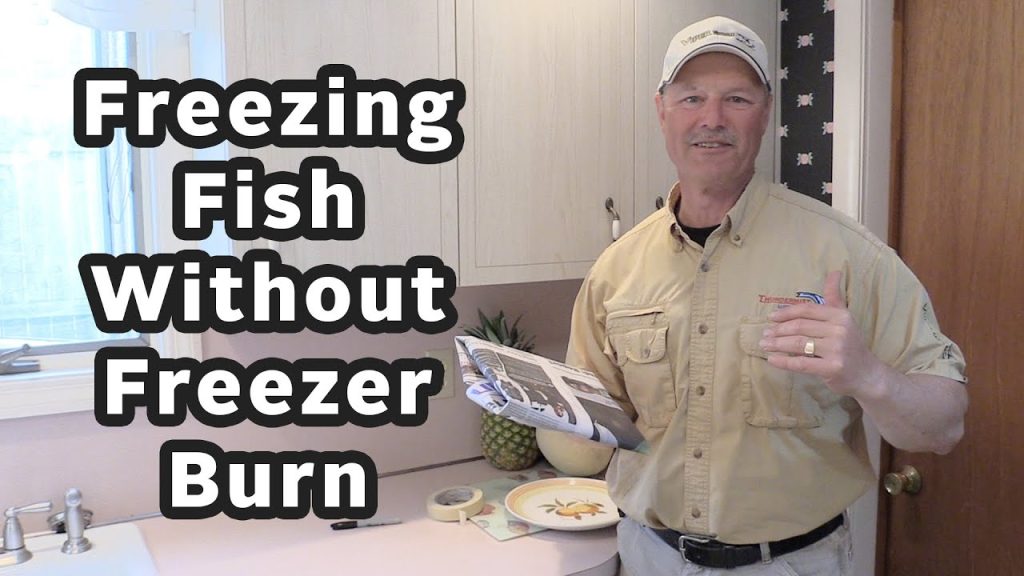
Avoiding Freezer Burn
Freezer burn can quickly ruin the quality of your frozen walleye. It occurs when the fish is exposed to air, causing dehydration and oxidation. To avoid freezer burn and keep your walleye tasting delicious:
- Make sure your walleye is cleaned and thoroughly wrapped before placing it in the freezer. Wrapping it tightly in plastic wrap or vacuum-sealed bags helps create a protective barrier against air.
- Consider double wrapping your walleye for an extra layer of protection. This can be done by placing the already wrapped fish in a ziplock bag.
- Label your packages with the date of freezing to keep track of the freshness.
- Store your walleye in the coldest part of the freezer, ideally below 0°F (-18°C).
Proper Thawing Techniques
Thawing walleye correctly is just as important as freezing it properly. Whether you plan to cook it immediately or want to enjoy it at a later time, follow these steps for a safe and tasty thawing process:
- Thaw your frozen walleye in the refrigerator, allowing it to slowly defrost overnight. This method ensures even thawing and helps maintain the fish’s moisture.
- If you need to thaw the walleye quickly, you can use the cold water thawing method. Place the wrapped fish in a leak-proof bag and submerge it in cold water. Change the water every 30 minutes until the fish is thawed, keeping it away from direct contact with running water.
- Never thaw walleye at room temperature, as it can promote bacterial growth and compromise the quality of the fish.
Now that you know the best way to freeze and thaw walleye, you can enjoy this delectable fish whenever you wish. With proper storage and thawing techniques, your frozen walleye will retain its taste, texture, and freshness, giving you a delightful meal every time.

Credit: www.glangler.com
Best Practices For Freezing Walleye Dishes
When it comes to freezing walleye dishes, following the best practices is crucial to ensure the quality and taste of the fish are preserved. Whether you’re freezing breaded walleye or cooked walleye meals, proper techniques will help maintain freshness during storage. Below, we discuss the best practices for freezing walleye dishes divided into two sections: Freezing Breaded Walleye and Freezing Cooked Walleye Meals.
Freezing Breaded Walleye
Freezing breaded walleye properly is essential to retain its crispy texture and delicious flavor. Follow these steps to freeze breaded walleye effectively:
- Start by preparing the breaded walleye as per your preferred recipe.
- Place the breaded walleye on a baking sheet lined with parchment paper.
- Make sure the breaded walleye pieces are not touching each other on the baking sheet.
- Put the baking sheet in the freezer for about two hours or until the breaded walleye is partially frozen.
- Once partially frozen, remove the baking sheet from the freezer and transfer the breaded walleye pieces into airtight freezer bags or containers.
- Before sealing the bags or containers, make sure to remove any excess air to prevent freezer burn.
- Label the bags or containers with the date and contents.
- Place the bags or containers back in the freezer for long-term storage.
Freezing Cooked Walleye Meals
Freezing cooked walleye meals can come in handy for quick and convenient future meals. Follow these steps to freeze cooked walleye meals correctly:
- Start by preparing your preferred cooked walleye meal, such as grilled walleye fillets or a creamy walleye casserole.
- Allow the cooked walleye meal to cool completely before freezing it. This helps prevent condensation and maintains the quality of the dish.
- Divide the cooked walleye meal into individual portions or family-sized servings, depending on your needs.
- Place the portions of the cooked walleye meal in airtight freezer bags or containers.
- Remove any excess air from the bags or containers before sealing to prevent freezer burn.
- Label the bags or containers with the date and contents for easy identification.
- Store the bags or containers in the freezer for future use.
By following these best practices for freezing breaded walleye and cooked walleye meals, you can enjoy the delicious taste of walleye even when it’s not in season. Properly stored frozen walleye dishes can last for several months without compromising their taste and texture.
Storing And Organizing Frozen Walleye
When it comes to storing and organizing frozen walleye, proper labeling, and optimal freezer conditions play a crucial role in maintaining the fish’s quality and flavor. Ensuring that your frozen walleye is properly labeled, dated, and stored under optimal conditions not only helps with organization but also preserves the fish’s taste and texture for future culinary delights.
Labeling And Dating Packages
Labeling and dating your packages of frozen walleye is essential to maintain organization and track the freshness of the fish. When storing walleye fillets, make sure to clearly label each package with the date of freezing and the type of cut. This not only helps in quickly identifying the contents but also enables you to prioritize the use of older fillets, ensuring that nothing goes to waste.
Optimal Freezer Conditions
Keeping your freezer at optimal conditions is imperative for preserving the quality of frozen walleye. The ideal temperature for storing frozen fish is at or below 0°F (-18°C). This low temperature prevents the growth of harmful bacteria and maintains the fish’s freshness. Additionally, ensuring a tightly sealed and airtight packaging for the walleye fillets is crucial to prevent freezer burn and extend their shelf life.
Credit: www.themeateater.com
Reviving Frozen Walleye For Cooking
Reviving frozen walleye before cooking is crucial to preserving its taste and texture. Properly thawing and preparing the fish ensures a delightful culinary experience.
Enhancing Texture And Flavor
Methods like brining or marinating can revitalize the walleye’s texture and amplify its flavor profile. Consider adding spices or herbs for a unique touch.
Creative Recipes For Frozen Walleye
- Walleye Tacos with Mango Salsa
- Walleye Piccata with Lemon Caper Sauce
- Walleye Stir-Fry with Fresh Vegetables

Credit: m.youtube.com
Frequently Asked Questions On Best Way To Freeze Walleye
What Is The Best Way To Freeze Fresh Walleye?
To freeze fresh walleye, first, ensure it’s cleaned and completely dry. Wrap tightly in plastic wrap, then aluminum foil. Place in a freezer-safe container. Label with date. Freeze at 0°F or lower for up to 6 months.
Is It Better To Freeze Fish In Water Or Not?
It is better to freeze fish in water to protect its texture and prevent freezer burn. This method helps maintain the fish’s moisture and prevents it from drying out.
How Do You Freeze Fish In A Ziploc Bag?
To freeze fish in a Ziploc bag, place the fish inside, remove air, seal tightly. Label with date and type of fish before placing in the freezer.
What Is The Best Way To Freeze Fish At Home?
To freeze fish at home, follow these steps: Firstly, rinse the fish and pat it dry. Next, wrap it tightly in plastic wrap or place it in a resealable plastic bag. Remove any excess air and seal the package. Lastly, label it with the date and put it in the freezer.
Conclusion
Freezing walleye fish is an excellent way to preserve its freshness and flavor. Following the proper steps, such as removing air and moisture, will help maintain its quality. By using airtight containers and labeling them correctly, you can store walleye for several months.
This method ensures you always have a supply of delicious fish on hand.