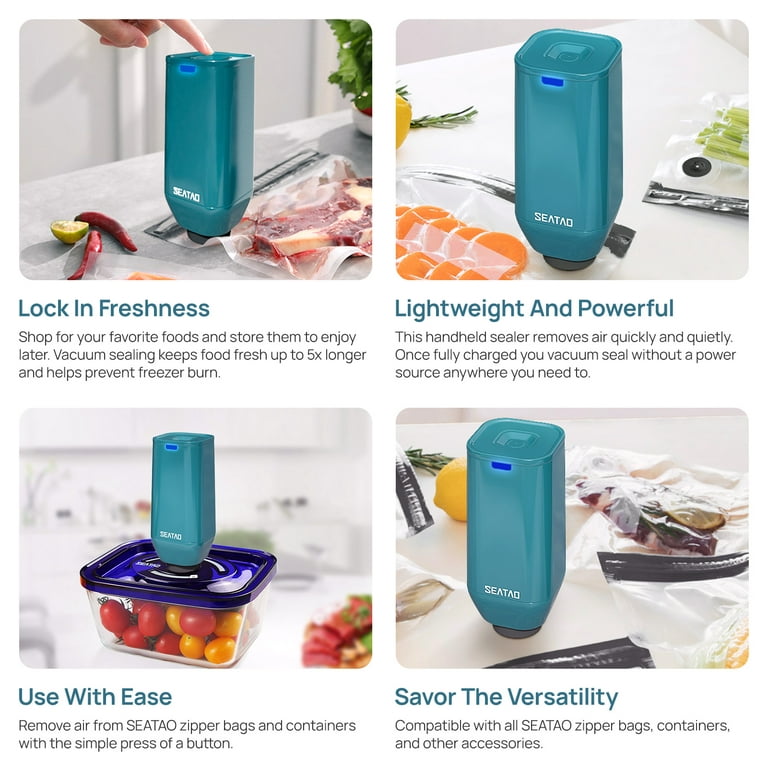
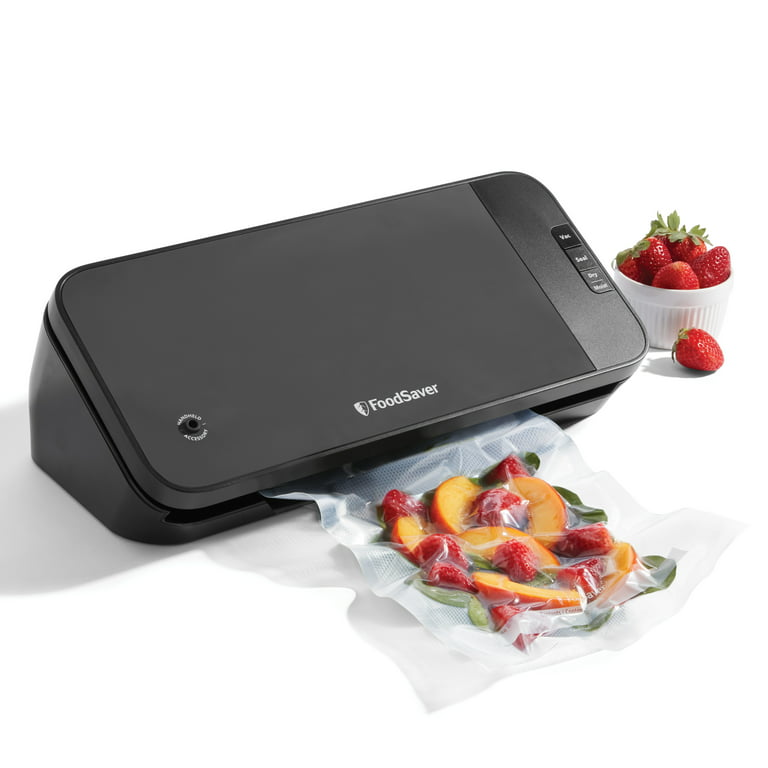
Vacuum sealing and freezing foods like meats, vegetables, and soups helps retain freshness and extend shelf life. This simple technique preserves the taste and nutrients of your favorite foods for later consumption.
By vacuum sealing and freezing foods, you can save time, reduce food waste, and always have convenient meal options on hand. Whether you are meal prepping for the week ahead or stocking up on seasonal produce, vacuum sealing and freezing are efficient ways to store your foods.
Let’s explore the best foods to vacuum seal and freeze to make the most out of this preservation method.
Credit: www.walmart.com
Meats
When it comes to vacuum sealing and freezing, meats are a popular choice due to their susceptibility to spoilage. By properly vacuum sealing and freezing meats, you can prolong their freshness and flavor, making meal prep convenient and efficient.
Beef
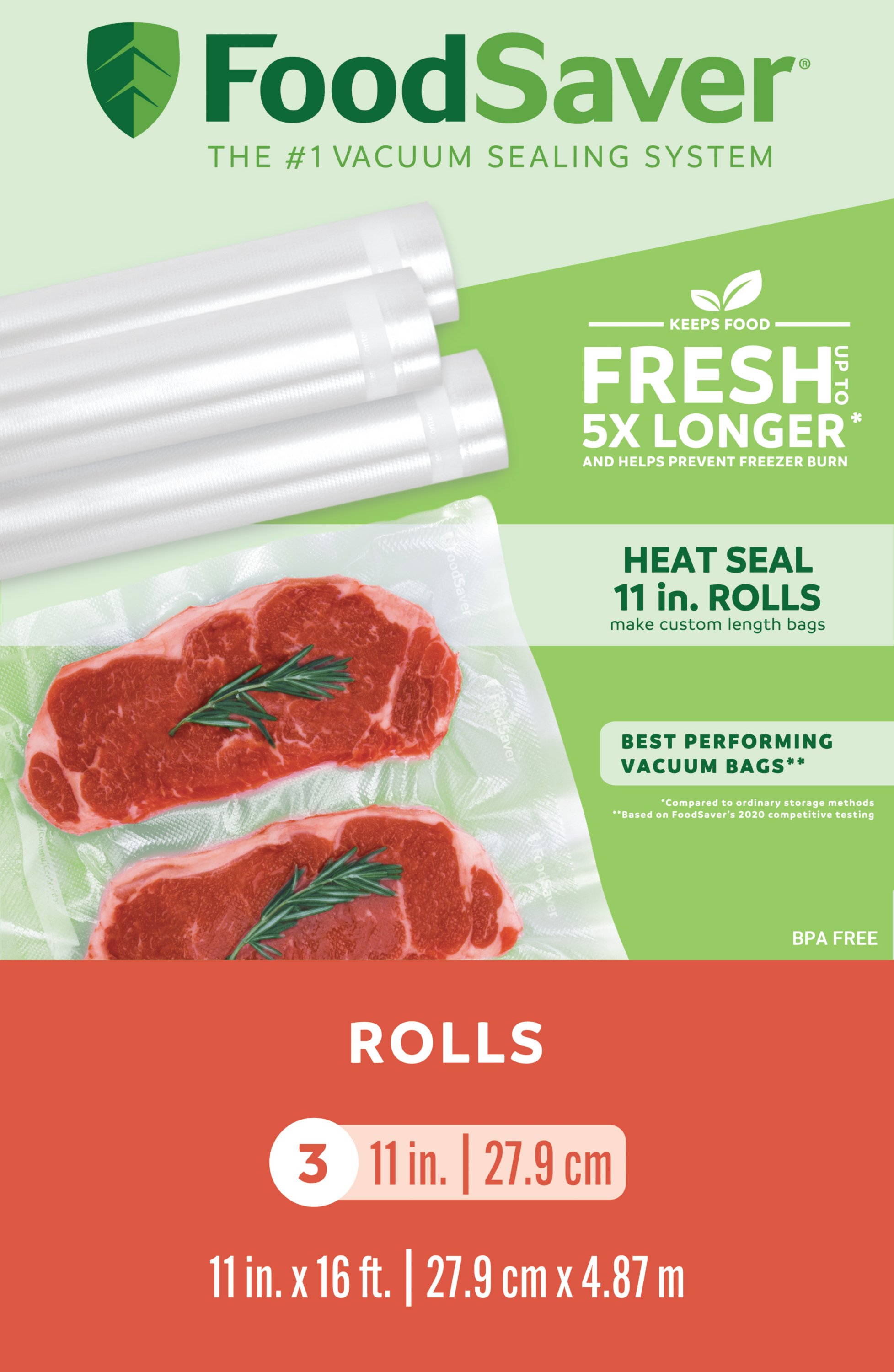
Vacuum sealing beef is an excellent way to preserve its freshness and flavor. Beef can be portioned into individual steaks or ground for convenience. Use a vacuum sealer to remove excess air and moisture before freezing, which helps to prevent freezer burn and maintain the quality of the beef for a longer period.
Poultry
Poultry, such as chicken and turkey, is ideal for vacuum sealing and freezing. Whether it’s whole poultry, cut-up pieces, or ground meat, vacuum sealing helps to lock in the natural juices and flavors, preserving the tenderness and preventing freezer burn. This method ensures that your poultry remains fresh and delicious for future use.
Fish And Seafood
Fish and seafood can benefit greatly from vacuum sealing and freezing. By removing air and sealing them in airtight bags, you can prevent oxidation and freezer burn, which could compromise the delicate texture and flavor of the fish. Properly sealed and frozen, fish and seafood can be enjoyed at a later date while maintaining their quality.
Game Meats
When it comes to game meats like venison, elk, or wild boar, vacuum sealing is essential for preserving their unique flavors and quality. By vacuum sealing and freezing game meats, you can extend their shelf life and ensure that they retain their natural taste, allowing you to enjoy the exceptional flavors of game meats at your convenience.
Fruits And Vegetables
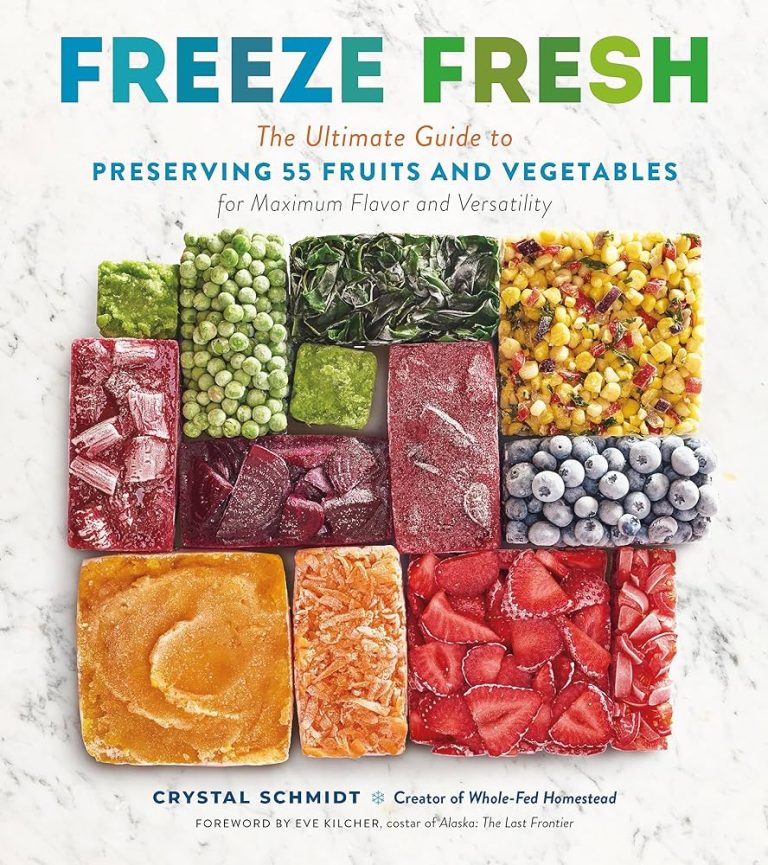
Discover the best fruits and vegetables to vacuum seal and freeze, ensuring their freshness and longevity. Preserve your favorite produce for future use with this helpful guide.
Berries And Citrus Fruits
Vacuum sealing berries and citrus fruits ensures they retain their freshness and flavor for longer periods.
Leafy Greens And Root Vegetables
Leafy greens and root vegetables can be preserved by vacuum sealing to extend their shelf life.
Dairy And Cheese
When it comes to vacuum sealing and freezing food, dairy and cheese might not be the first things that come to mind. However, you’ll be surprised to know that many dairy products can be vacuum-sealed and frozen to extend their shelf life. By using this preservation method, you can store dairy and cheese for longer periods while retaining their flavor and quality. In this article, we’ll explore the best way to vacuum seal and freeze various types of dairy and cheese products, including hard cheeses, soft cheeses, butter, and cream.
Hard Cheeses
Hard cheeses, such as Parmesan, Cheddar, and Gouda, are excellent candidates for vacuum sealing and freezing. Hard cheeses have lower moisture content compared to soft cheeses, which makes them less prone to freezer burn. When properly vacuum sealed, these cheeses can be stored in the freezer for up to six months without significant changes in their taste or texture.
Tips for vacuum sealing hard cheeses:
- Wrap the cheese in wax paper or parchment paper before placing it in a vacuum sealer bag.
- Remove as much air as possible from the bag before sealing it.
- Label the bag with the type of cheese and the date of freezing for easy identification.
Soft Cheeses
Soft cheeses, including Brie, Camembert, and Goat cheese, require special care when vacuum sealing and freezing. These cheeses have higher moisture content, which can affect their texture and flavor when frozen. However, if you follow the right steps, you can still successfully preserve the soft cheese using the vacuum sealing method.
Follow these tips to vacuum seal soft cheeses:
- Wrap the soft cheese in wax paper or parchment paper to prevent direct contact with the vacuum sealer bag.
- Place the wrapped cheese in a freezer-safe container.
- Seal the container and label it with the type of cheese and the freezing date.
Butter And Cream
In addition to cheeses, you can also vacuum seal and freeze butter and cream. Butter can be stored in the freezer for up to a year without losing its quality, while cream can be frozen for a few months.
Here’s how to vacuum seal butter and cream:
- Cut the butter into smaller portions before placing them in vacuum sealer bags.
- For cream, transfer it to an airtight container before vacuum sealing to prevent leakage.
- Make sure to label the bags or containers with the content and freezing date.
By vacuum sealing and freezing your dairy and cheese products, you can enjoy the convenience of having them on hand for longer periods. Whether it’s hard cheeses, soft cheeses, butter, or cream, these preservation methods will help you reduce food waste and save money in the long run.
Credit: www.foodsaver.com
Bakery And Grains
[if gte mso 9]>When it comes to vacuum sealing and freezing food, bakery and grains are often overlooked. However, vacuum sealing can greatly extend the shelf life of various baked goods and grain products, ensuring their freshness and flavor are preserved for longer periods.
Breads And Pastries
Whether it’s a freshly baked loaf of bread or delicate pastries, properly sealing and freezing these bakery delights can help you enjoy them at a later time without compromising on quality. Vacuum sealing removes air and prevents freezer burn, keeping your bread and pastries soft, moist, and delicious.
Rice And Pasta
Rice and pasta are staple ingredients in many households, but they can easily go stale or become infested with pests if not stored correctly. By vacuum sealing these grains before freezing, you can prevent moisture absorption and keep them fresh for a long time. Vacuum sealing also helps save space in your freezer, allowing you to stock up on these essentials without worrying about limited storage.
Flour And Baking Mixes
Flour and baking mixes are versatile ingredients that can be used to create a wide range of delicious treats. However, they can spoil quickly if exposed to moisture or pests. Vacuum sealing flour and baking mixes not only keeps them fresh and pest-free but also helps maintain their quality and flavor. You can portion them into smaller, airtight bags for easy use and storage.
In conclusion, bakery and grain products can benefit greatly from vacuum sealing and freezing. By properly sealing and storing these items, you can extend their shelf life, prevent spoilage, and ensure they are always ready to use. Don’t overlook the power of vacuum sealing when it comes to preserving the freshness and flavor of your favorite bakery and grain products!
Ready-to-eat Meals
Vacuum sealing and freezing ready-to-eat meals is a convenient way to save time and enjoy delicious dishes without the hassle of cooking every day.
Soups And Stews
- Seal hearty soups and stews to lock in flavors for later enjoyment.
- Freezing them in single serving portions allows for quick reheating.
- Avoid filling the bags too full to leave room for expansion during freezing.
Casseroles And Pasta Dishes
- Storing casseroles and pasta dishes in vacuum-sealed bags extends their shelf life.
- Cutting portions before sealing makes it easier to defrost and reheat when needed.
- Label each bag with the name of the dish and the date to keep track of freshness.
Herbs And Spices
Incorporating herbs and spices into your vacuum sealing and freezing routine can preserve their freshness, flavor, and aroma. Proper storage of herbs and spices helps to maintain their potency and enhance the taste of your dishes for a longer duration.
Fresh Herbs
When vacuum sealing fresh herbs, it’s crucial to ensure they are completely dry to prevent moisture buildup, which can lead to spoilage. Placing the herbs in a single layer on a paper towel to air dry before vacuum sealing is highly beneficial. Label the packages with the name of the herb and the date of packaging for easy identification.
Ground And Whole Spices
Vacuum sealing ground and whole spices in portioned quantities can maintain their flavor and delicate aroma. It’s advisable to use small vacuum-sealed packets for individual spices and label them clearly. Additionally, use an airtight container to store these packets in the freezer for easy organization and to prevent cross-contamination of flavors.
Tips And Tricks
When it comes to vacuum sealing and freezing food, there are some essential tips and tricks to keep in mind to ensure the best results. From preparation methods to storage guidelines and thawing and cooking recommendations, proper handling of vacuum-sealed food is crucial for preserving freshness and flavor. Below, we’ve outlined some key tips and tricks for each stage of the process.
Preparation Methods
- Choose the Right Foods: Select foods with low moisture content or blanch high-moisture foods before vacuum sealing to prevent crystallization.
- Portion Control: Divide food items into individual or family-sized portions before sealing to make it easier to defrost only what you need.
- Avoid Sharp Edges: Be mindful of any sharp bones or edges that could puncture the vacuum-sealed bags during storage.
Storage Guidelines
- Labeling: Clearly label each vacuum-sealed bag with the contents and the date of sealing to keep track of freshness and prevent mix-ups.
- Optimal Packing: Remove excess air and flatten the bags before sealing to maximize freezer space and ensure efficient cooling.
- Freezer Temperature: Maintain your freezer at the recommended temperature to ensure the longevity of vacuum-sealed food items.
Thawing And Cooking Recommendations
- Safe Thawing: Thaw vacuum-sealed food in the refrigerator or using cold water to prevent bacterial growth and preserve quality.
- Gentle Thawing: Avoid rapid thawing methods, such as microwaving, to maintain the texture and taste of the food.
- Cooking Guidance: Refer to specific cooking instructions for vacuum-sealed items, as they may require slight adjustments in cooking times and temperatures.
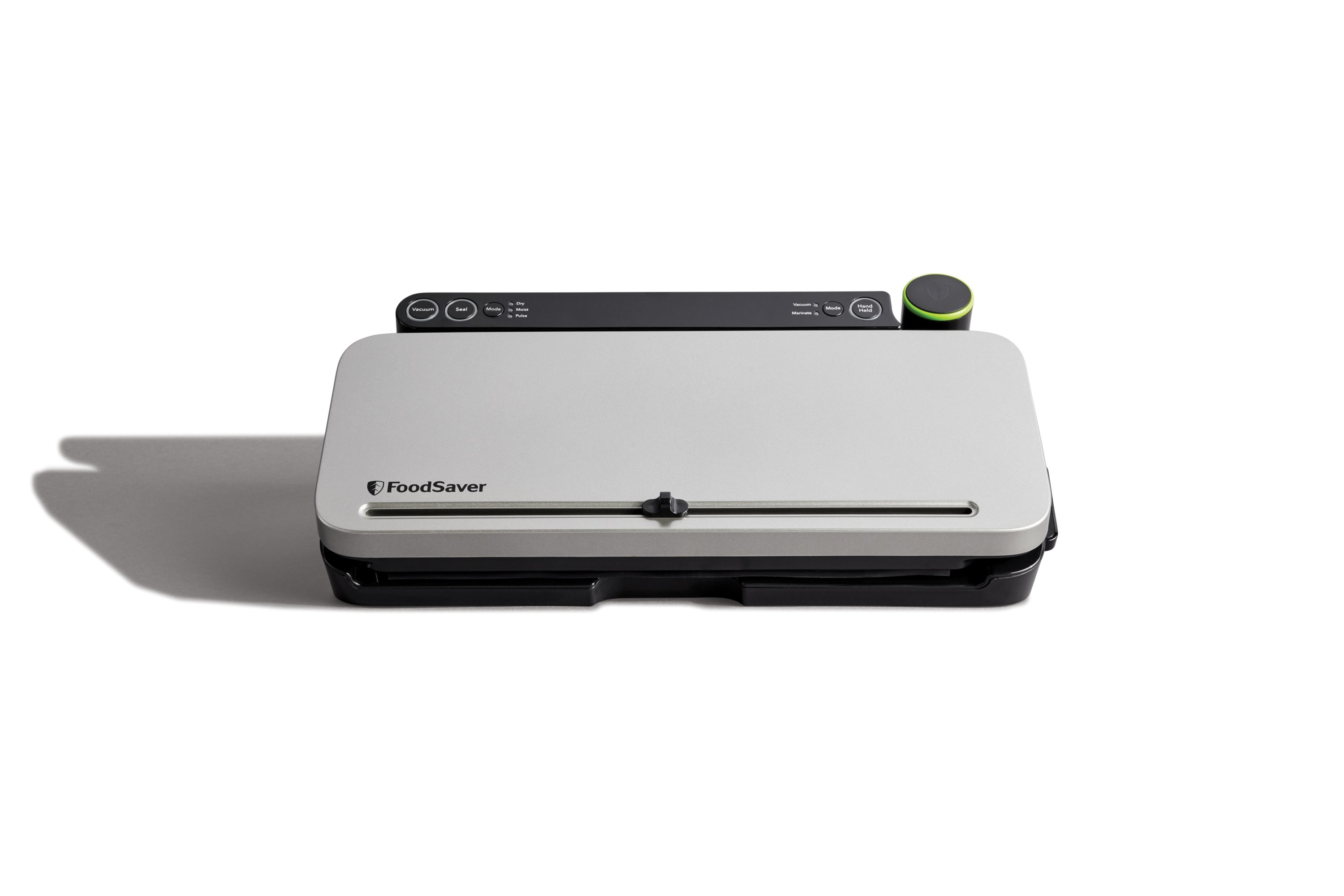
Credit: www.foodsaver.com
Frequently Asked Questions For Best Foods To Vacuum Seal And Freeze
What Food Can You Vacuum Seal And Freeze?
You can vacuum seal and freeze a variety of foods such as meat, fish, vegetables, fruits, and even cooked meals.
What Foods Should Not Be Vacuum Sealed?
Certain foods like soft cheeses, mushrooms, and garlic should not be vacuum-sealed due to their ability to harbor bacteria. Additionally, freshly cooked or steaming hot foods should be cooled before vacuum sealing. Vacuum sealing can also cause certain foods to become mushy or lose their flavor.
What Food Is Best Vacuum Sealed?
The best foods to vacuum seal include dry goods, meat, fish, and vegetables. Vacuum sealing helps preserve freshness and extends shelf life.
Are Vacuum Sealers Good For Freezing?
Yes, vacuum sealers are good for freezing because they remove air, preventing freezer burn and preserving food freshness.
Conclusion
Incorporating vacuum sealing and freezing can enhance food preservation and extend shelf life. Experiment with various foods like meats, fruits, and soups. By sealing and freezing, you can save time, reduce waste, and maintain food quality. Embrace this technique to make your kitchen experience easier and more efficient.