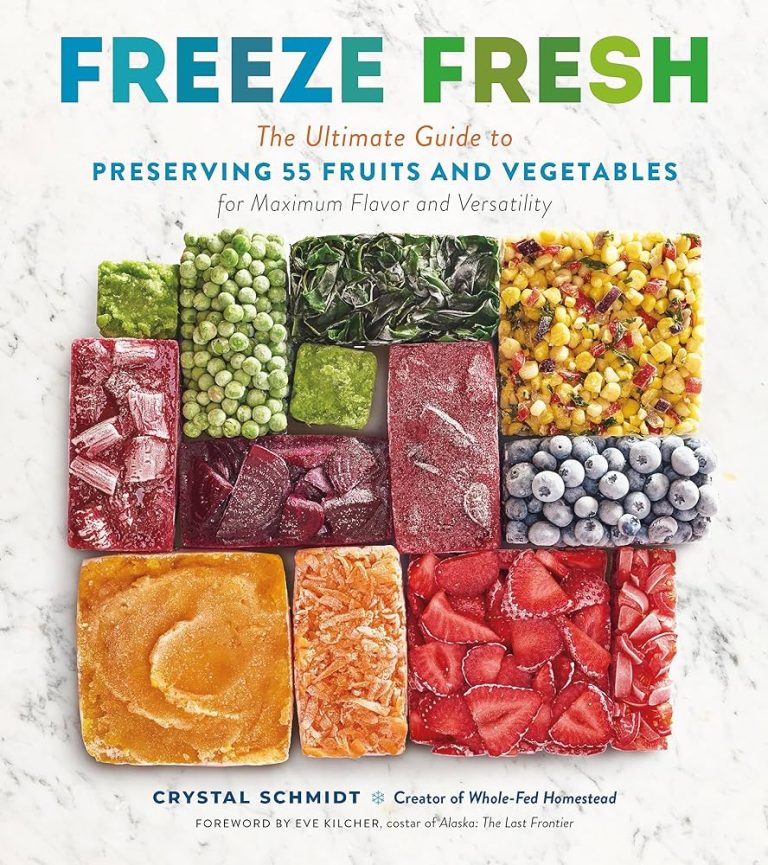
The best foods to freeze dry are fruits, vegetables, meats, and dairy products for long-term preservation. Freeze drying locks in the flavor and nutrients of the food, making it a popular choice for emergency food supplies and backpacking meals.
Freeze drying is a preservation method that involves freezing the food and then removing the water through sublimation. This process preserves the food’s taste, texture, and nutrients, making it a convenient option for those looking to stock up on food for extended periods.
Fruits like strawberries and bananas, along with vegetables such as peas and corn, freeze dry well and can be enjoyed as crunchy snacks or added to meals. Meat and dairy products also retain their original taste and texture when freeze-dried, providing a reliable source of protein in emergency situations. With its ability to significantly extend the shelf life of various foods, freeze drying is a valuable technique for ensuring food security and minimising food waste.
:max_bytes(150000):strip_icc()/FAW-RubbermaidBrilliancePantryorganizationandFoodStorageContainerswithAirtightLidsSet_17-MFS-130-badge-da1558aed8024a4eb9f23f57c0606b29.jpg)
Credit: www.foodandwine.com
Benefits Of Freeze Drying
Freeze drying is a method of preserving food that comes with a plethora of benefits. Not only does it help retain the nutritional value of the food, but it also prolongs its shelf life, making it an ideal choice for preserving a wide range of foods.
Preservation Of Nutrients
Freeze drying preserves the nutritional content of food by removing the water content without subjecting the food to high temperatures. This process helps maintain the natural composition of vitamins, minerals, and other essential nutrients, ensuring that the food retains its original nutritional value.
Extended Shelf Life
One of the key benefits of freeze drying is its ability to significantly extend the shelf life of food. By removing moisture, the growth of microorganisms and enzymes that cause food spoilage is inhibited, allowing the food to be stored for an extended period of time without the risk of spoilage or degradation.
Choosing The Right Foods To Freeze Dry
When it comes to freeze drying food, not all foods are created equal. Some foods simply freeze dry better than others, maintaining their flavor, texture, and nutrient content. To ensure successful freeze drying, it’s crucial to choose the right foods that are suitable for the freeze drying process. This article will guide you through the selection process, highlighting high-water content foods and foods with low oil content as ideal candidates for freeze drying.
High-water Content Foods
Foods with high water content are excellent choices for freeze drying. The process works by removing moisture from the food, and foods that contain more water will retain their taste and texture better. Here are some examples of high-water content foods that freeze dry exceptionally well:
- Fruits like strawberries, grapes, blueberries, and apples
- Vegetables such as tomatoes, cucumbers, bell peppers, and leafy greens
- Herbs like basil, mint, parsley, and cilantro
- Dairy products like yogurt and milk
These foods not only freeze dry effectively but also retain their nutritional value, making them an excellent choice for long-term storage or emergency preparedness.
Foods With Low Oil Content
Foods that are low in oil content are also ideal for freeze drying. Oil can sometimes become rancid during the freeze drying process, compromising both flavor and quality. Selecting foods with low oil content ensures better preservation and taste. Here are some examples of foods with low oil content that are suitable for freeze drying:
- Lean meats like chicken breast, turkey, and pork loin
- Fish such as cod, tilapia, and salmon
- Grains and legumes like rice, quinoa, lentils, and beans
- Bakery items such as bread, crackers, and cookies
Freeze drying these low oil content foods will help them retain their original flavors and textures, allowing you to enjoy their natural taste even after rehydration.
Top Foods For Freeze Drying
When it comes to freeze drying, it’s important to choose the right foods that can retain their flavor, texture, and nutritional value. In this article, we’ll explore the top foods that are best for freeze drying. Whether you’re looking to preserve fruits, vegetables, or meats, we’ve got you covered!
Fruits
Fruits are a fantastic option for freeze drying due to their high water content and natural sweetness. Not only do freeze-dried fruits make a delicious and healthy snack, but they also have a longer shelf life compared to fresh fruits. Here are some top fruits for freeze drying:
- Strawberries
- Blueberries
- Pineapple
- Mango
- Apples
These fruits are packed with vitamins, minerals, and antioxidants that are vital for maintaining a healthy diet. Freeze drying preserves these nutrients while adding a crispy texture that is irresistible to all ages.
Vegetables
Vegetables are another great option for freeze drying. With their rich assortment of vitamins, minerals, and dietary fiber, freeze-dried vegetables offer a convenient way to add a nutritional boost to your meals, especially during the off-season. Here are some vegetables that work well for freeze drying:
- Broccoli
- Carrots
- Peas
- Corn
- Green beans
These vegetables retain their vibrant colors and textures after the freeze-drying process, making them visually appealing and a great addition to soups, stir-fries, and casseroles.
Meats
For those who enjoy meat dishes, freeze drying offers a convenient way to extend the shelf life of various meats without sacrificing flavor. Here are some meats that freeze dry well:
- Chicken
- Beef
- Pork
- Turkey
- Shrimp
Freeze-dried meats can be rehydrated and used in a wide range of recipes, from stews and pasta dishes to sandwiches and salads. They are a great option for outdoor enthusiasts, hikers, and survivalists looking for lightweight, long-lasting food options.
Preparing Foods For Freeze Drying
Preparing foods for freeze-drying is a crucial step to ensure the best results and preservation of the food’s quality. Proper preparation involves specific pre-treatment steps and ensuring the foods are cut and sliced appropriately. By following these guidelines, you can optimize the effectiveness of the freeze-drying process and enjoy high-quality, long-lasting freeze-dried foods.
Pre-treatment Steps
Pre-treating foods before freeze-drying is essential to retain their natural flavor, color, and nutrients. This often involves washing, blanching, and minimal seasoning or marinading. Washing helps remove any dirt or debris, while blanching helps preserve the food’s color, texture, and nutrients before the freeze-drying process. When treating fruits, a light dip in a citric acid solution can help maintain their natural color and prevent browning during freeze-drying.
Proper Cutting And Slicing
Properly cutting and slicing the foods you intend to freeze-dry is crucial for an efficient process. Uniformly cutting fruits, vegetables, and meats ensures even drying and consistent results. Slicing food items into thin, uniform pieces, approximately 1/2 inch to 3/4 inch thick, helps reduce drying time and ensures a more reliable outcome. This also promotes an appealing texture and makes rehydration easier when consuming the freeze-dried foods later.
Equipment Needed For Freeze Drying
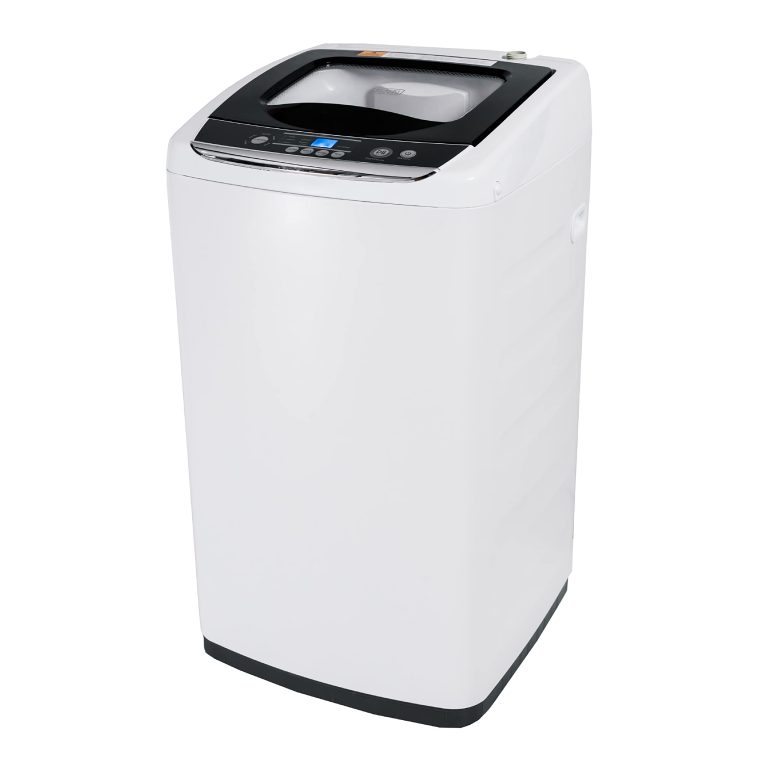
When it comes to freeze drying food, having the right equipment is essential for successful preservation. The equipment needed for freeze drying includes a freeze dryer machine and sealed storage containers.
Freeze Dryer Machine
A freeze dryer machine is the main tool used for freeze drying food. It works by freezing the food at a low temperature and then removing the moisture through a process called sublimation.
Sealed Storage Containers
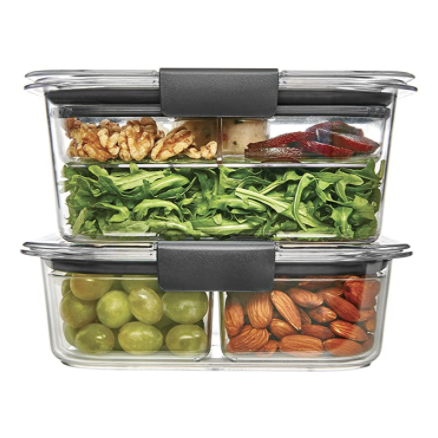
Sealed storage containers are crucial for storing freeze-dried food properly. These containers help maintain the quality and freshness of the food by preventing moisture and air from getting in.
Techniques For Effective Freeze Drying
Discover top food choices for effective freeze drying techniques. Opt for fruits like strawberries, bananas, and apples; vegetables such as peppers, corn, and peas; and proteins like beef jerky and cooked chicken for optimal results.
Techniques for Effective Freeze DryingProper Temperature Control Maintaining consistent low temperatures is key. Regularly monitor and adjust temperature settings. Pre-freeze foods properly to enhance quality. Optimal Drying Time Ensure sufficient drying time to remove moisture. Avoid under or over-drying to preserve nutrients. Follow manufacturer guidelines for best results.Storing Freeze Dried Foods
When it comes to storing freeze dried foods, proper techniques are essential to maintain the quality and freshness of the items. Freezing dried foods is an excellent way to preserve their taste and nutritional value.
Vacuum Sealing
Vacuum sealing is an effective method for storing freeze dried foods. Using a vacuum sealer helps to remove excess air from the packaging, preventing moisture and oxygen from spoiling the food. This process helps extend the shelf life of freeze dried foods, keeping them fresh for a longer period.
Cool, Dark Place
Storing freeze dried foods in a cool, dark place is crucial for maintaining their quality. Exposure to light and heat can degrade the food’s nutritional content and flavor. By storing the items in a cool, dark environment, such as a pantry or a closet, you can ensure that the food remains in optimal condition.
Credit: www.goodhousekeeping.com
Utilizing Freeze Dried Foods
When it comes to utilizing freeze dried foods, the possibilities are endless. Freeze drying food is a great way to preserve its nutritional value and extend its shelf life. Whether you are looking for emergency food supplies or convenient on-the-go snacks, freeze dried foods offer a solution that is both versatile and convenient.
Emergency Food Supplies
In times of crisis or natural disasters, having a stockpile of emergency food supplies is essential. Freeze dried foods are perfect for this situation due to their long shelf life and minimal storage requirements. These foods can be easily stored in airtight containers or mylar bags, making them compact and lightweight. Additionally, freeze dried foods retain their taste and nutritional value, ensuring you have access to nutritious meals even in the most challenging circumstances.
On-the-Go Snacks<\h3>Freeze dried foods make for excellent on-the-go snacks for those who lead busy lifestyles. Whether you are hiking, camping, or simply need a quick and nutritious snack during your day, freeze dried snacks are a convenient option. These snacks are lightweight, portable, and require no refrigeration. You can find a variety of freeze dried fruits, vegetables, and even meats that are perfect for satisfying your hunger on the go.
| Benefits of Utilizing Freeze Dried Foods | Examples of Freeze Dried Food Snacks |
|---|---|
|
|
As you can see, freeze dried foods offer various benefits while providing a range of delicious snack options. From emergency preparedness to convenient on-the-go meals, freeze dried foods are a must-have in any pantry. So why wait? Start incorporating these nutritious and portable snacks into your daily routine today!
:max_bytes(150000):strip_icc()/the-best-way-to-store-vegetables-to-keep-them-fresh-as-long-as-possible-FT-BLOG0320-2-d92cc1b173504702ba0bf5cdaec82c8a.jpg)
Credit: www.foodandwine.com
Frequently Asked Questions For Best Food To Freeze Dry
What Are The Best Meals To Freeze Dry?
Best meals to freeze dry include soups, stews, chili, pasta dishes, and casseroles. These foods retain flavor and nutrients well when freeze-dried.
What Foods Should Not Be Freeze-dried?
Avoid freeze-drying high-fat items like avocados and fried foods. Delicate fruits and vegetables with high water content don’t fare well. Foods with strong flavors, like onions and garlic, may produce an overpowering taste after freeze-drying. Dairy products, such as yogurt and soft cheeses, may also not freeze-dry effectively.
What Is The Best Meat To Freeze Dry?
The best meat to freeze dry is lean cuts of beef, chicken, or turkey. Avoid fatty meats as they can become rancid during the freeze-drying process. It’s important to choose meats with low moisture content for optimal freeze-drying results.
What Are The Most Nutritious Freeze-dried Foods?
Some of the most nutritious freeze-dried foods include fruits like strawberries and blueberries, vegetables like broccoli and kale, and proteins like chicken and beef. These foods retain their nutritional value during the freeze-drying process and can be a convenient and healthy addition to your diet.
Conclusion
Freeze-drying is a fantastic way to preserve food for extended periods without losing its nutrients and flavor. From fruits to meats, a wide variety of foods can be freeze-dried to extend their shelf life. By following proper freeze-drying techniques, you can enjoy high-quality, nutritious meals for years to come.