For the best ceiling fan CFM, look for models with a high airflow capacity to ensure effective air circulation in your space. A higher CFM rating indicates better performance in moving air efficiently throughout the room.
Selecting a ceiling fan with the right CFM is crucial for optimizing air movement and ventilation in your home or office. With a higher CFM, the fan can effectively cool or heat a larger area, making it more energy-efficient and comfortable.
Understanding the CFM rating of a ceiling fan will help you make an informed decision when choosing the best option for your specific needs. Let’s explore the importance of CFM in ceiling fans and how it impacts the overall air quality and comfort of your space.

Credit: www.amazon.com
Choosing The Right Ceiling Fan
Consider The Room Size
Room size impacts the effectiveness of your ceiling fan. Small rooms need different fans than larger spaces.
Evaluate The Ceiling Height
Ceiling fans require proper height for optimal performance in different spaces.
Credit: www.hunterfan.com
Understanding Cfm
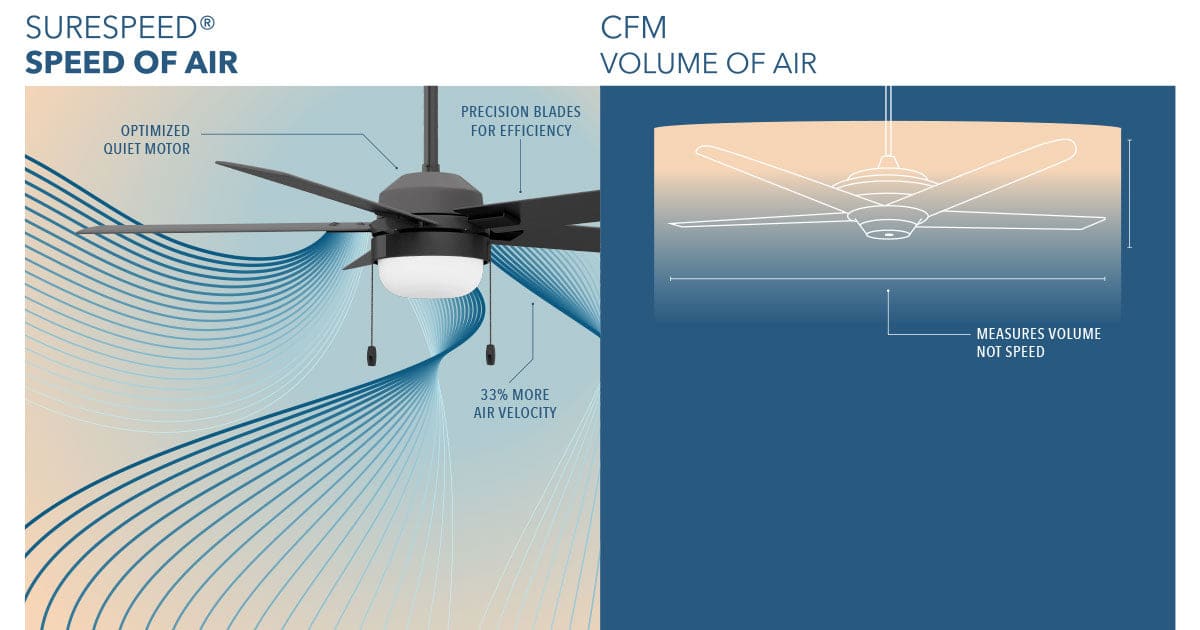
For the best ceiling fan CFM, understanding CFM is essential. CFM, or cubic feet per minute, measures the airflow a ceiling fan can produce, indicating its cooling ability. A higher CFM means better air circulation, making it vital to consider when selecting the best ceiling fan for your space.
What Is Cfm?
Understanding CFM (Cubic Feet per Minute) is essential when it comes to choosing the best ceiling fan for your needs. It is a measurement of the airflow produced by the fan and indicates how effectively it can cool a space. The higher the CFM, the more air the fan can move, resulting in better air circulation and increased comfort. Importance of CFM in Ceiling Fans:Importance Of Cfm In Ceiling Fans
The CFM rating plays a crucial role in determining the performance of a ceiling fan. Here’s why it is important to consider CFM when selecting a ceiling fan for your home: 1. Efficient Cooling: A ceiling fan with a high CFM rating can circulate air effectively, providing better cooling and ventilation. This is especially beneficial in hot and humid climates or during the summer season. 2. Energy Efficiency: By opting for a ceiling fan with a higher CFM, you can make the most of your energy consumption. A fan that moves more air will help distribute the cool air throughout the room, allowing you to rely less on air conditioning and potentially reducing energy costs. 3. Comfort and Airflow: The CFM rating directly impacts the airflow and the level of comfort provided by a ceiling fan. A higher CFM rating means a stronger breeze, which can make you feel more comfortable even without adjusting the thermostat. 4. Room Size Matters: Choosing a ceiling fan with the right CFM rating based on your room size is crucial. A fan with too low CFM won’t effectively cool a large room, while a fan with too high CFM in a small space might create discomfort due to excessive airflow. 5. Noise Level: Ceiling fans with higher CFM ratings can often move more air at lower speeds, resulting in quieter operation. So, while considering CFM, also pay attention to the noise level to ensure a peaceful and undisturbed environment.| Room Size (Square Footage) | Ideal CFM Range |
|---|---|
| Less than 75 sq. ft. | 1,000 – 3,000 CFM |
| 76 – 144 sq. ft. | 2,000 – 5,000 CFM |
| 145 – 225 sq. ft. | 2,500 – 6,500 CFM |
| 226 – 400 sq. ft. | 7,000 – 9,000 CFM |
| Over 400 sq. ft. | 8,000 – 10,000+ CFM |
Optimizing Airflow Efficiency
Maximize your room’s comfort with the best ceiling fan CFM for optimal airflow efficiency. Choose a model that offers high CFM ratings, ensuring effective air circulation and cooling throughout your space. Enjoy improved airflow and energy savings with a fan that delivers impressive CFM performance.
When it comes to ceiling fans, optimizing airflow efficiency is a key factor to consider. A ceiling fan with high CFM (cubic feet per minute) can make a significant difference in the comfort and cooling of a room. To achieve the optimal airflow, two important elements should be taken into account: the blade design and material, as well as the motor power and efficiency.
Blade Design And Material
Blade design and material play a crucial role in determining the airflow performance of a ceiling fan. The shape, size, and pitch of the blades directly impact the amount of air that the fan can move. Additionally, the material of the blades can affect their weight, durability, and ability to generate airflow effectively.
When it comes to the design, the most common blade shapes are straight and curved. Straight blades are often found in modern ceiling fans and provide a sleek and minimalist look. On the other hand, curved blades, also known as paddle-style or traditional blades, are more common in classic or rustic designs. They are known to move air with greater efficiency due to their unique shape.
The material of the blades can vary, with options such as wood, metal, or plastic. Each material has its own advantages and considerations. Wooden blades are often praised for their aesthetic appeal and ability to distribute air evenly. Metal blades, on the other hand, are known for their durability and stability. Plastic blades are lightweight and low-cost options that can still provide effective airflow.
Motor Power And Efficiency
The motor power and efficiency of a ceiling fan greatly impact its ability to move air efficiently. The motor is responsible for driving the blades and generating airflow. A high-quality motor not only ensures smooth and silent operation but also delivers optimal performance.
The power of the motor is typically measured in watts or horsepower. The higher the motor power, the more energy it can convert into airflow. It is important to note that a higher motor power does not always equate to better energy efficiency or airflow performance. Selecting a fan with a motor that matches the room size and the desired level of airflow is essential to optimize efficiency.
In addition to motor power, the efficiency of the motor is another crucial factor to consider. An efficient motor reduces energy consumption and helps lower utility bills. Look for fans with motors that are Energy Star certified, as they meet specific criteria for energy efficiency and environmental friendliness.
By taking into account both blade design and material, as well as motor power and efficiency, you can optimize the airflow efficiency of your ceiling fan and enjoy a comfortable and refreshing environment in your room.
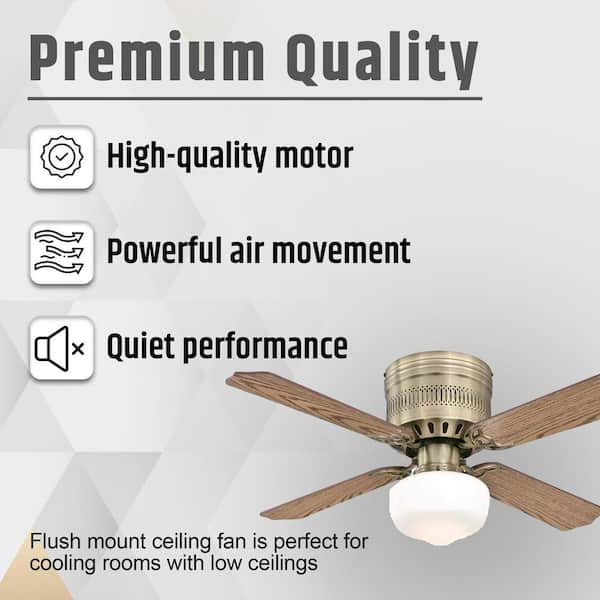
Credit: www.homedepot.com
Best Cfm For Different Room Types
When selecting the best ceiling fan for your space, it’s crucial to consider the cubic feet per minute (CFM) output to ensure optimal airflow and cooling efficiency. Different room types require varying CFM levels for the best performance. Let’s explore the ideal CFM for various room sizes:
Large Living Spaces
In rooms over 225 square feet, ceiling fans with a CFM of 5,000 or more are recommended to effectively circulate air and maintain comfortable temperatures.
Small Bedrooms And Offices
For smaller spaces under 144 square feet, opt for ceiling fans with a CFM of at least 1,000 to ensure sufficient airflow without creating excessive drafts.
Installation And Maintenance Tips
Installation and Maintenance Tips:
Properly installing and maintaining your ceiling fan is crucial to ensure it operates efficiently. Here are some valuable tips:
Proper Mounting And Balance
Securely mount the fan on a sturdy ceiling support to prevent wobbling. Use a balancing kit if needed.
Regular Cleaning And Lubrication
- Dust fan blades frequently with a microfiber cloth to maintain airflow efficiency.
- Apply lubricant to the motor at least once a year to keep it running smoothly.
Comparing Top Ceiling Fans For Cfm
Ceiling fans are an essential addition to any home to provide comfort and circulation of air. When it comes to selecting the best ceiling fan, one of the factors to consider is its CFM (Cubic Feet per Minute) rating. The CFM measurement indicates the amount of air a fan can move in a minute. A higher CFM means the fan can effectively cool a larger area. In this article, we will compare some top ceiling fans based on their CFM rating to help you make an informed decision.
High Cfm Models
If you are looking for a ceiling fan that provides exceptional airflow, consider the following high CFM models:
- Model A: With a staggering CFM rating of 5,000, Model A is perfect for large rooms and open spaces. It combines powerful performance with a sleek design, ensuring both functionality and aesthetics.
- Model B: Featuring a CFM of 4,500, Model B excels in delivering a strong breeze. Suitable for mid-sized rooms, this fan offers customizable speed settings to suit your comfort needs.
- Model C: Designed for small to medium-sized rooms, Model C boasts a CFM rating of 3,800. Its compact size and adjustable blades make it a versatile option for various spaces in your home.
Energy-efficient Options
For those seeking energy savings without compromising on performance, consider these energy-efficient ceiling fans:
- Model X: With an impressive CFM of 4,000, Model X utilizes advanced motor technology to maximize airflow while consuming minimal energy. This fan is ideal for eco-conscious homeowners.
- Model Y: Offering a CFM rating of 3,500, Model Y features innovative design elements such as aerodynamic blades to increase air circulation and reduce energy consumption for long-lasting efficiency.
- Model Z: Designed with energy efficiency in mind, Model Z boasts a CFM of 3,200. It utilizes cutting-edge technology to provide powerful airflow while using less energy, making it a cost-effective option.
If you are in the market for a ceiling fan with exceptional CFM, these high-performing and energy-efficient models are worth considering. Remember to choose a fan that suits the size of your room and matches your style preferences to enhance both comfort and aesthetics in your home.
Enhancing Comfort With Additional Features
Transform your living space by increasing comfort with advanced features in the best ceiling fans for improved airflow and enhanced ambiance. Elevate your home’s atmosphere with high CFM fans designed to provide optimal cooling and energy efficiency.
Integrated Lighting
Ceiling fans with integrated lighting offer dual functionality for both illumination and air circulation.Remote Control And Smart Home Integration
Remote control and smart home integration allow for convenient operation and customization of fan settings. By combining efficient airflow with stylish design, ceiling fans enhance the overall ambiance of any space.Conclusion And Final Recommendations
Discover the best ceiling fans with high CFM (cubic feet per minute) for optimum air circulation. Our recommendations are based on extensive research and customer reviews, ensuring you make the right choice for your home or office.
In conclusion, the CFM (Cubic Feet per Minute) rating of a ceiling fan plays a crucial role in its cooling performance. The CFM determines how much air the fan can move, ultimately impacting the comfort and ventilation of a room. It is vital to choose a fan with an appropriate CFM for your space to ensure maximum cooling efficiency.
Summarizing Cfm’s Impact
The CFM rating directly affects the airflow generated by the ceiling fan. A higher CFM means more air circulation, resulting in better cooling and the ability to cover larger areas. When selecting a fan, it’s essential to take the room size into consideration and choose a fan with a suitable CFM rating accordingly.
A fan with low CFM may not effectively circulate the air, leaving certain areas of the room warmer than others. It might result in an uncomfortable environment, especially during hot summer months. On the other hand, a fan with a high CFM rating could create a strong breeze that may not be ideal for smaller rooms.
It’s also crucial to note that the ceiling height can impact the fan’s effectiveness. Taller ceilings demand fans with higher CFM ratings to ensure adequate airflow throughout the entire space. Therefore, understanding the CFM’s impact and how it relates to room size and ceiling height is essential in choosing the best ceiling fan.
Best Practices For Maximum Cooling
To maximize cooling performance, here are some best practices to consider:
- Ensure proper installation and positioning of the fan to optimize airflow.
- Use the appropriate fan size based on the room dimensions.
- Consider using multiple fans for larger areas to ensure uniform cooling.
- Select fans with adjustable speeds and reversible settings to adapt to changing needs.
- Maintain regular maintenance, including cleaning the blades and ensuring proper lubrication.
By following these best practices and choosing a ceiling fan with an appropriate CFM rating, you can ensure maximum cooling efficiency and create a comfortable environment in your space.
Frequently Asked Questions On Best Ceiling Fan Cfm
What Is The Recommended Cfm For Ceiling Fans?
The recommended CFM for ceiling fans depends on the size of the room. Generally, for small rooms, a CFM of 1,000 to 3,000 is sufficient, while larger rooms may require a CFM of 3,000 to 6,000. It’s important to choose a fan with the appropriate CFM to ensure it effectively circulates air in the space.
Is 3000 Cfm Good For A Ceiling Fan?
A ceiling fan with 3000 CFM is considered powerful and effective for large rooms, providing good air circulation.
Is 6000 Cfm Good For A Fan?
6000 CFM is considered good for a fan. It indicates a high airflow capacity, which is ideal for cooling large areas efficiently. A fan with this rating can provide powerful ventilation, making it suitable for commercial or industrial use.
What Is A Good Airflow Rate For A Ceiling Fan?
A good airflow rate for a ceiling fan is around 4,000 to 5,000 cubic feet per minute (CFM).
Conclusion
Choosing the best ceiling fan with high CFM is essential for optimal air circulation. With various options available, consider factors like room size and efficiency to make the right choice. Keep in mind, a higher CFM rating means better airflow, leading to improved comfort and energy savings.
Make an informed decision for a cooler, more comfortable living space.