The best antifreeze for your vehicle is the one recommended by the manufacturer for optimal performance. It helps prevent overheating and freezing of the engine.
Protecting your engine from extreme temperatures is crucial for maintaining its efficiency and longevity. Choosing the right antifreeze ensures that your engine stays in top condition and continues to perform at its best. A high-quality antifreeze not only regulates temperature but also prevents corrosion and rust, prolonging the life of your vehicle.
By following the manufacturer’s recommendations and using a reliable antifreeze product, you can ensure smooth operation and prevent costly engine damage.
Credit: www.mishimoto.com
The Importance Of Using Quality Anti Freeze
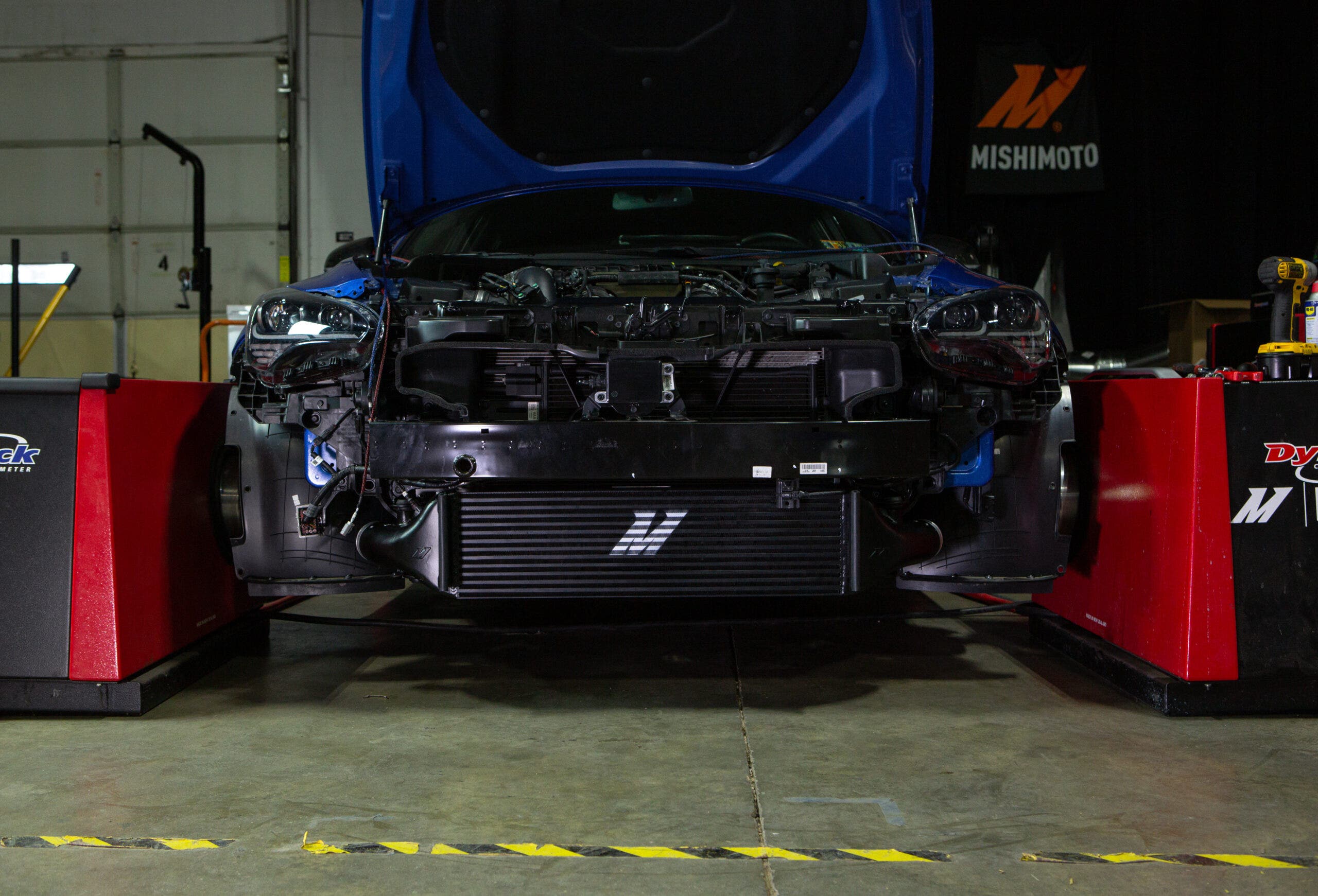
Protecting Your Engine From Extreme Temperatures
Quality anti freeze essential for engine protection.
It prevents engine overheating in extreme conditions.
Maintaining optimal temperature avoids engine damage.
Preventing Corrosion And Rust
- Quality anti freeze inhibits rust and corrosion.
- It protects engine components from damage.
- Preventing corrosion ensures engine longevity.
Understanding The Different Types Of Anti Freeze
Discover the best anti-freeze options available to meet your vehicle’s specific needs. Understanding the different types of anti-freeze and their unique properties can help you make an informed decision. From ethylene glycol to propylene glycol-based formulas, explore the options and ensure your engine stays protected.
Understanding the Different Types of Anti Freeze When it comes to maintaining the health and performance of your vehicle’s engine, using the right type of anti freeze is crucial. Anti freeze, also known as coolant, is responsible for regulating the temperature of the engine and preventing it from overheating. In this blog post, we will delve into the different types of anti freeze available in the market.Ethylene Glycol-based Anti Freeze
The most common type of anti freeze is ethylene glycol-based. It has been used in vehicles for decades and is known for its effective heat transfer properties. This type of anti freeze is typically mixed with water before being added to the cooling system. One of the main advantages of ethylene glycol-based anti freeze is its ability to withstand extreme temperatures, making it suitable for all seasons.Propylene Glycol-based Anti Freeze
Propylene glycol-based anti freeze is gaining popularity due to its non-toxic nature. Unlike ethylene glycol-based anti freeze, propylene glycol is considered less harmful if accidentally ingested. This makes it a safer option for households with pets or children. Additionally, propylene glycol-based anti freeze offers excellent temperature stability and can provide protection against corrosion. To help you understand the differences between ethylene glycol-based and propylene glycol-based anti freeze, here’s a handy table: | | Ethylene Glycol-based Anti Freeze | Propylene Glycol-based Anti Freeze | |—————-| ——————————— | ———————————- | | Heat Transfer | Offers effective heat transfer properties | Provides excellent temperature stability | | Toxicity Level | Considered toxic if ingested | Considered less harmful if accidentally ingested | | Corrosion Protection | Provides protection against corrosion | Offers protection against corrosion | When it comes to choosing the right type of anti freeze for your vehicle, consider factors such as the climate you live in, any specific manufacturer recommendations, and your personal preferences regarding toxicity. Remember to always consult your vehicle’s manual or a trusted mechanic for guidance on the best anti freeze option for your vehicle. By understanding the different types of anti freeze available, you can make an informed decision and ensure the optimal performance and longevity of your vehicle’s engine. So, whether you opt for ethylene glycol-based or propylene glycol-based anti freeze, rest assured knowing that you are taking the necessary steps to protect your engine from overheating and potential damage.Choosing The Right Anti Freeze For Your Vehicle
Selecting the right anti-freeze for your vehicle is crucial to ensure optimal performance and protection against extreme temperatures. Consider factors such as the type of anti-freeze, the coolant mixture, and compatibility with your vehicle’s engine to find the best anti-freeze for your specific needs.
Considering Your Vehicle’s Manufacturer Recommendations
When choosing the right anti freeze for your vehicle, it is essential to consider your vehicle’s manufacturer recommendations. Different vehicle manufacturers may have specific requirements for the type of anti freeze to use in their vehicles. Following these recommendations ensures that you are using the right anti freeze that meets the technical specifications of your vehicle.
To find the manufacturer recommendations for your vehicle, you can refer to your vehicle’s owner’s manual. This document usually contains information about the appropriate anti freeze type, brand, and concentration required for your vehicle. It is crucial to follow these guidelines to maintain peak performance and prevent potential damage to your engine.
Compatibility With Cooling System Materials
Another important aspect to consider when choosing the right anti freeze is its compatibility with the materials used in your vehicle’s cooling system. Different vehicles may have different cooling system components, including radiators, hoses, and gaskets, made from various materials such as aluminum, brass, copper, or plastic.
Using an anti freeze that is not compatible with these materials can lead to corrosion, leaks, and reduced overall effectiveness of the cooling system. Manufacturers often specify the suitable anti freeze options that are compatible with their cooling system materials. Make sure to check these compatibility recommendations to ensure proper functioning and longevity of your vehicle’s cooling system.
It is worth noting that there are different types of anti freeze available in the market, such as ethylene glycol-based and propylene glycol-based options. While ethylene glycol-based anti freeze is more commonly used, propylene glycol-based alternatives are often recommended for vehicles with certain materials in their cooling systems, such as aluminum.
Keep in mind that using the right anti freeze and maintaining your vehicle’s cooling system is essential for preventing engine overheating, freezing, and costly repairs. Make sure to follow manufacturer recommendations and compatibility guidelines to choose the appropriate anti freeze that will keep your vehicle running smoothly.
Proper Anti Freeze Maintenance And Testing
Ensure proper anti-freeze maintenance and regular testing to maximize the effectiveness of the best anti-freeze for your vehicle. Regularly checking levels and quality helps prevent engine corrosion and maintains optimal temperature control during extreme weather conditions. Prioritize anti-freeze upkeep for a well-functioning vehicle.
Regular Inspection And Replacement
Regularly checking and changing anti-freeze prevents engine damage. Always follow vehicle manufacturer’s recommendations for frequent inspections.Using Coolant Testers For Effectiveness
Coolant testers ensure anti-freeze concentration is within ideal range. Test effectiveness with a coolant tester. Proper Anti Freeze Maintenance and Testing Maintenance and testing of anti-freeze are crucial for vehicle longevity. Regular Inspection and Replacement along with using Coolant Testers for Effectiveness are key practices.Best Practices For Adding Anti Freeze To Your Vehicle
When it comes to maintaining your vehicle’s cooling system, adhering to best practices for adding anti-freeze is crucial for ensuring the longevity and efficiency of your car. By following the manufacturer’s dilution guidelines and properly flushing and filling the cooling system, you can protect your engine from freezing and overheating, ultimately extending the lifespan of your vehicle.
Following Manufacturers’ Dilution Guidelines
Manufacturers provide specific dilution guidelines for adding anti-freeze to your vehicle. It’s important to strictly adhere to these guidelines to ensure the proper balance of anti-freeze and water in the cooling system. Exceeding or neglecting these recommended ratios can lead to ineffective protection against freezing and overheating.
Properly Flushing And Filling The Cooling System
Before adding new anti-freeze, it’s essential to properly flush the cooling system to remove any old or contaminated fluid. Once the system is clean, carefully fill it with the appropriate mixture of anti-freeze and water, as specified by the manufacturer. This process helps to maximize the cooling system’s efficiency and protects it from corrosion and buildup.
Credit: www.hotshotsecret.com
The Role Of Anti Freeze In Overheating Prevention
The Role of Anti Freeze in Overheating Prevention
Anti-freeze plays a critical role in preventing engine overheating, which can lead to costly and potentially severe damage. By regulating the temperature of the engine, anti-freeze helps maintain the optimal operating temperatures and enhances heat transfer efficiency.
Maintaining Optimal Operating Temperatures
Ensuring that the engine operates within the recommended temperature range is crucial for its longevity and performance. Anti-freeze helps in maintaining the optimal operating temperatures by preventing the coolant from freezing in cold temperatures and boiling in hot conditions.
Heat Transfer Efficiency
One of the vital functions of anti-freeze is to improve heat transfer efficiency within the engine. By lowering the freezing point and raising the boiling point of the coolant, anti-freeze enhances the engine’s ability to dissipate heat, preventing overheating and potential damage.
Understanding The Signs Of Anti Freeze Problems
Spotting early signs of anti freeze problems can help prevent major vehicle issues.
Leaks And Puddles Under The Vehicle
Leaking anti freeze can lead to puddles forming under the vehicle, typically near the front. This could indicate a leak in the cooling system. Leaking anti freeze needs immediate attention.
Visible Corrosion In The Cooling System
Inspect the cooling system for any visible signs of corrosion. Corrosion can cause leaks and reduce the effectiveness of the anti freeze. Any signs of corrosion should be addressed promptly.
Key Factors To Consider When Storing Anti Freeze
When storing anti-freeze, it is important to consider key factors such as temperature, proper sealing, and avoiding direct sunlight. These factors ensure the longevity and effectiveness of the best anti-freeze products.
Proper storage of anti freeze is essential to ensure its effectiveness and longevity. By maintaining the right storage conditions and being aware of shelf life and expiration, you can maximize the performance of your anti freeze and avoid any potential issues. In this section, we will explore the key factors to consider when storing anti freeze.
Proper Storage Conditions
To properly store your anti freeze, it is crucial to keep it in a cool and dry place. Exposure to extreme temperatures, such as heat or cold, can result in the degradation of the product. Aim to store the anti freeze in an area where the temperature remains between 40°F (4°C) and 120°F (49°C). Avoid exposing it to direct sunlight or placing it near any sources of heat, like radiators or furnaces.
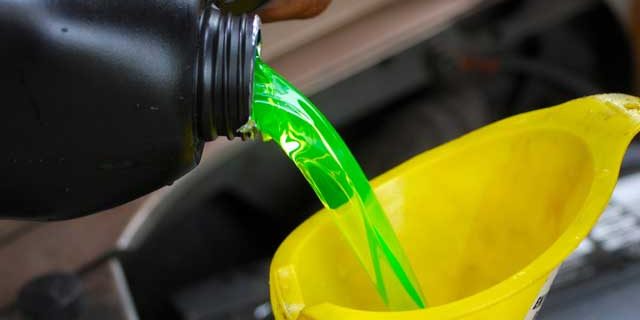
If you are using a liquid anti freeze, make sure the containers are tightly sealed to prevent any potential leaks or evaporation. It is also beneficial to store the containers in an upright position to avoid any accidental spills.
By following proper storage conditions and being aware of shelf life and expiration, you can maintain the quality and effectiveness of your anti freeze. It’s essential to store it in a cool and dry place, away from extreme temperatures and sources of heat. Additionally, ensure the containers are tightly sealed and stored upright to prevent leaks or spills. Regularly check the expiration date to ensure you are using the anti freeze before it becomes ineffective. By taking these key factors into consideration, you can help prolong the lifespan of your anti freeze and keep your vehicle’s cooling system running smoothly.Shelf Life And Expiration
Understanding the shelf life and expiration date of your anti freeze is vital for its optimal performance. Most anti freeze products have a shelf life of about 2-5 years, but this can vary depending on the brand and formulation.
Commonly, the expiration date is imprinted on the bottom or side of the container. It is important to check this date periodically and ensure that you are using the anti freeze before it expires. Using expired anti freeze can lead to reduced effectiveness and potentially harm your vehicle’s cooling system.
If you are unsure about the shelf life or expiration date of your anti freeze, it is recommended to consult the manufacturer’s guidelines or reach out to their customer support for clarification.
Credit: www.scfuels.com
Frequently Asked Questions On Best Anti Freeze
What Type Of Antifreeze Is The Best?
The best type of antifreeze depends on the make and model of your vehicle. It’s important to use the antifreeze recommended by the manufacturer to ensure proper performance and prevent damage to the engine.
What Is The Best Antifreeze For Extreme Cold Weather?
The best antifreeze for extreme cold weather is one with a low freezing point like ethylene glycol.
How Do I Choose The Right Antifreeze?
To choose the right antifreeze, consider your vehicle’s requirements and climate. Check the owner’s manual for the specific type recommended. Look for the correct color and brand, and ensure it’s compatible with your vehicle’s make and model. Regularly check the levels and condition of the antifreeze.
Does It Matter What Coolant You Use?
Yes, using the correct coolant is important for the proper functioning of your vehicle. It helps prevent corrosion and controls the engine’s temperature. Different vehicles require specific coolant types, so check your owner’s manual or consult a professional mechanic for the best coolant for your car.
Conclusion
For optimal engine protection, the best anti-freeze is essential. Ensure your vehicle’s longevity by choosing a high-quality anti-freeze. With the right product, your engine will run smoothly and efficiently in all weather conditions. Trust in top-rated brands for the best results.
Prioritize your vehicle’s health today.