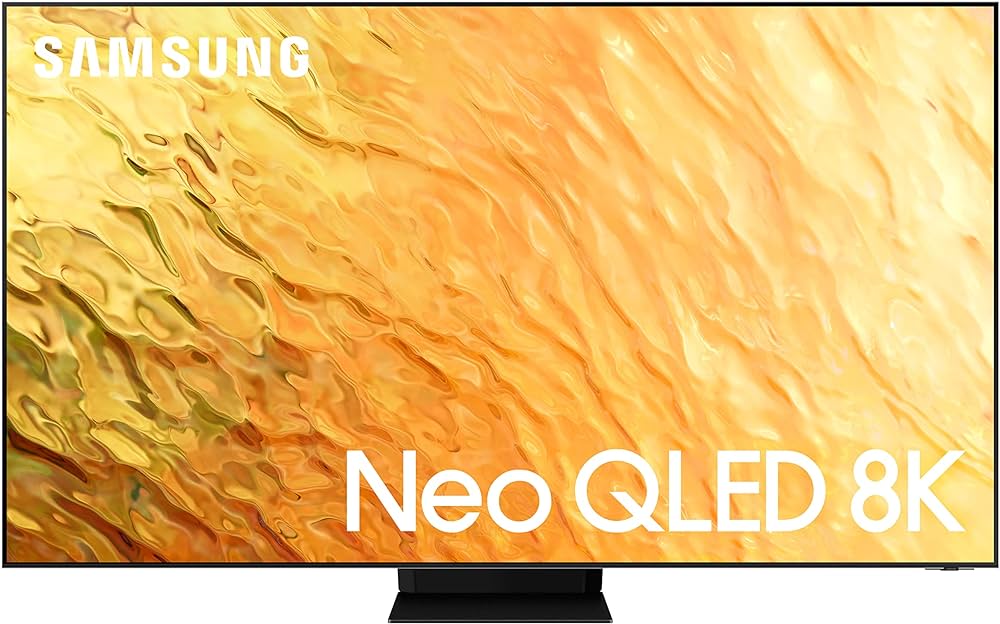
Android Smart TVs run on the Android operating system, providing access to a wide range of apps and services. On the other hand, Smart TVs use their proprietary software for entertainment functionalities.
In today’s rapidly advancing tech landscape, having a clear understanding of the differences between Android Smart TVs and regular Smart TVs can help consumers make informed decisions. Both devices offer smart features, but Android Smart TVs boast a more extensive app library thanks to the Android OS.
This makes them versatile for streaming services, gaming, and other entertainment options. On the flip side, traditional Smart TVs may have more optimized software for seamless integration with specific brands or devices. Let’s delve deeper into the nuances of Android Smart TVs versus Smart TVs to understand their unique capabilities and potential limitations.

Credit: www.blacknut.biz
The Rise Of Smart Tvs
As technology continues to advance, the rise of smart TVs has revolutionized the way we consume entertainment in our homes. With the ability to seamlessly connect to the internet and access a wide array of streaming services and apps, smart TVs have become an integral part of modern households. In this blog post, we will delve into the evolution of television and explore the features and capabilities of smart TVs compared to Android smart TVs.
The Evolution Of Television
Television has come a long way from its humble beginnings as a bulky, cathode-ray tube box to the sleek, high-definition displays of today. The introduction of color, flat screens, and now smart capabilities has transformed the viewing experience. The convenience of accessing content at the touch of a button has made smart TVs a staple in many homes, marking a significant shift in television technology.
Smart Tv Features And Capabilities
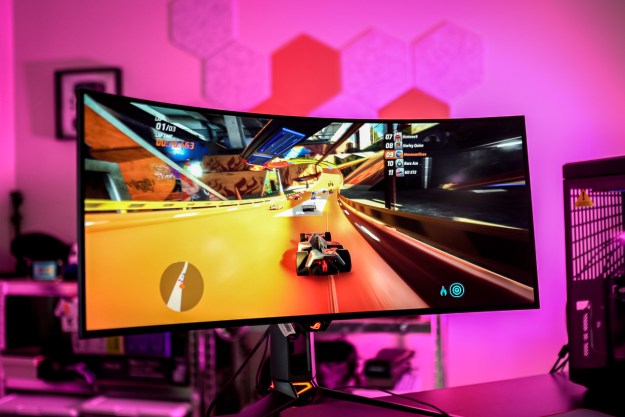
Smart TVs offer a multitude of features and capabilities that enhance the viewing experience. With built-in Wi-Fi and Ethernet connectivity, users can easily stream their favorite content from platforms like Netflix, Amazon Prime Video, and Disney+. Additionally, the integration of voice control and smart home compatibility allows for seamless interaction and control of other connected devices, providing a truly immersive and convenient entertainment experience.
Credit: www.digitaltrends.com
Introduction To Android Smart Tvs
Android Smart TVs revolutionize the way we consume content by integrating the power and versatility of the Android operating system into television sets. These innovative devices offer a seamless experience of watching TV, browsing the internet, playing games, and accessing a multitude of apps without the need for external devices.
What Sets Android Smart Tvs Apart
- Customization: Android Smart TVs allow users to personalize their viewing experience by installing and arranging apps according to their preferences.
- Integration: The integration of the Android OS provides seamless connectivity with other devices and services.
- Versatility: With access to the Google Play Store, users can discover a wide range of apps, games, and content to enhance their entertainment experience.
Advantages Of Android Smart Tvs
- Interactive Features: Android Smart TVs offer interactive features such as voice control, gesture recognition, and smart recommendations.
- Multi-Tasking: Users can browse the web, stream videos, and use apps simultaneously, thanks to the multitasking capabilities of Android Smart TVs.
- Update Support: Regular software updates ensure that Android Smart TVs stay current with the latest features and security enhancements.
Exploring Traditional Smart Tvs
When it comes to choosing between an Android Smart TV and a traditional Smart TV, it’s important to understand the functionalities and limitations of each. In this section, we will delve into the world of traditional Smart TVs and what sets them apart.
The Functionality Of Traditional Smart Tvs
Traditional Smart TVs have been around for quite some time and have become a staple in many households. These TVs are equipped with basic smart features that allow you to access popular apps and stream content directly through your TV.
Here are some key functionalities of traditional Smart TVs:
- Access to streaming services: Traditional Smart TVs allow you to access popular streaming platforms like Netflix, Hulu, and Amazon Prime. With just a few clicks of a button, you can binge-watch your favorite shows and movies.
- App compatibility: While traditional Smart TVs may not offer the extensive range of apps available on Android Smart TVs, they still provide access to essential apps like YouTube, Spotify, and social media platforms.
- Built-in web browsing: Most traditional Smart TVs come with a built-in web browser, giving you the option to surf the internet directly on your television screen.
Limitations Of Traditional Smart Tvs
However, traditional Smart TVs do have their limitations. Let’s take a look at some of the factors that might make you consider an Android Smart TV instead:
- Limited app selection: Unlike Android Smart TVs that have access to the Google Play Store, traditional Smart TVs have a limited range of apps available. This means you may not be able to download certain niche apps or the latest versions of popular apps.
- Slow software updates: Traditional Smart TVs often lag behind when it comes to software updates. This can result in slower performance and decreased compatibility with newer apps and features.
- Less customization options: Traditional Smart TVs generally offer fewer customization options compared to their Android counterparts. You may have limited control over the interface, settings, and overall user experience.
In conclusion, while traditional Smart TVs offer basic smart features and access to popular streaming services, they do have their limitations. If you’re looking for a more versatile and up-to-date smart TV experience with a wider range of apps and customization options, an Android Smart TV may be the way to go.
User Experience And Interface
An essential aspect when comparing Android Smart TVs to Traditional Smart TVs is the user experience and interface they offer. The user experience impacts how enjoyable and accessible the TV is to navigate, while the interface determines how the features and settings are presented to the user.
Android Smart Tv Interface And User Experience
Android Smart TVs leverage the popular Android operating system to provide a familiar and user-friendly interface. The Android TV interface is designed with simplicity and ease of use in mind, allowing users to effortlessly navigate through various apps, settings, and features.
- Android Smart TVs offer a smooth and intuitive user experience.
- The interface showcases a clean layout, allowing users to easily locate and access their favorite apps and content.
- With support for voice commands, users can conveniently control their Android Smart TVs by using simple voice instructions.
- The interface also offers personalized recommendations, based on the user’s viewing habits and preferences, making it easier to discover new content.
- Android Smart TVs provide seamless integration with other Android devices, allowing users to mirror their smartphone or tablet screens directly onto their TVs.
User Experience With Traditional Smart Tvs
On the other hand, Traditional Smart TVs typically come with their own proprietary operating systems and user interfaces. While these interfaces may vary across different TV brands, they generally provide a straightforward user experience.
- Traditional Smart TVs often offer a more limited app selection compared to Android Smart TVs.
- The interface may lack advanced features such as voice commands or personalized content recommendations.
- Navigation can sometimes be slower and less intuitive, especially when switching between various apps or settings.
- Some Traditional Smart TVs may require additional devices or peripherals for wireless connectivity or media streaming.
- However, Traditional Smart TVs still provide access to popular streaming services and basic functionality for enjoying digital content on the big screen.
Overall, the user experience and interface of Android Smart TVs surpass that of Traditional Smart TVs, largely due to the capabilities of the Android operating system and the vast app ecosystem it offers.
Content And App Ecosystem
Following is an HTML-formatted engaging section of a blog post about Android Smart TV vs. Traditional Smart TV, focusing on the subheading: Content and App Ecosystem. “`htmlAndroid Smart Tv App Store And Content
On Android Smart TVs, the Play Store offers a vast array of apps and entertainment content.
App Availability And Content Diversity On Traditional Smart Tvs
Traditional Smart TVs may have limited app availability and content diversity compared to Android Smart TVs.
Performance And Hardware
Delve into the world of smart TV technology with a focus on Android Smart TV versus traditional models. Discover the performance and hardware differences that set these devices apart in terms of capabilities and user experience. Explore how Android Smart TVs offer enhanced functionalities and advanced hardware components for a more immersive viewing experience.
When it comes to choosing a Smart TV, performance and hardware are key considerations. The technical performance of the TV determines its speed, responsiveness, and overall user experience. Additionally, the hardware specifications play a crucial role in dictating the capabilities and functionality of the Smart TV.
Technical Performance Of Android Smart Tvs
Android Smart TVs are known for their impressive technical performance, offering a smooth and seamless user experience. These TVs are powered by advanced processors that ensure quick navigation and snappy app loading times. Whether you are streaming your favorite shows or playing games, the high-performance processors in Android Smart TVs deliver optimal speed and responsiveness.
Besides the processing power, another key factor that contributes to the technical performance of Android Smart TVs is their operating system. The Android OS is renowned for its efficiency and versatility. It allows multiple applications to run simultaneously without compromising the TV’s performance, ensuring a lag-free experience.
Comparing Hardware Of Android Smart Tvs And Traditional Smart Tvs
When comparing the hardware of Android Smart TVs with traditional Smart TVs, there are notable differences that can impact the overall user experience. Let’s examine them:
| Android Smart TVs | Traditional Smart TVs | |
|---|---|---|
| Processor | High-performance processors | Variability in processing power |
| Memory | Ample storage capacity | Varies depending on the model |
| Connectivity | Wi-Fi, Bluetooth, and Ethernet options | Wi-Fi and Ethernet options |
| Ports | Multiple HDMI, USB, and audio ports | Limited HDMI and USB ports |
- Android Smart TVs come equipped with high-performance processors that ensure smooth performance.
- They offer ample storage capacity to store apps and media content, providing a seamless user experience.
- Connectivity options on Android Smart TVs are extensive, including Wi-Fi, Bluetooth, and Ethernet, offering flexibility in connecting devices.
- When it comes to ports, Android Smart TVs have multiple HDMI, USB, and audio ports, catering to various connectivity needs.
In contrast, traditional Smart TVs may vary in processing power, memory, and connectivity options. Their ports may also be limited, restricting the number and types of devices that can be connected.
Integration And Connectivity
In today’s digital age, television sets have become much more than just a source of entertainment. They have evolved into smart devices that seamlessly integrate with our everyday lives. When it comes to Android Smart TVs and traditional Smart TVs, integration and connectivity play a crucial role in enhancing the user experience. Let’s take a closer look at how these two types of televisions compare in terms of integration with other devices and connectivity options.
Integration With Other Devices In Android Smart Tvs
One of the standout features of Android Smart TVs is their ability to seamlessly integrate with a wide range of devices. Whether you have a smartphone, tablet, or even a smart home assistant, an Android Smart TV makes it effortless to connect and control them all. With built-in Chromecast support, you can easily mirror your smartphone or tablet’s screen onto the TV, allowing you to enjoy your favorite content on a larger, more immersive display.
Besides mirroring, Android Smart TVs can also be connected to other smart home devices such as voice assistants and smart speakers. This creates a truly interconnected and smart ecosystem within your home. Imagine dimming the lights, adjusting the temperature, and even asking your voice assistant to find and play your favorite show, all without leaving the comfort of your couch.
Connectivity Options For Traditional Smart Tvs
While Android Smart TVs excel in integration, traditional Smart TVs also offer a range of connectivity options to enhance your viewing experience. These TVs typically come equipped with an array of ports such as HDMI, USB, and Ethernet, enabling you to connect external devices such as gaming consoles, Blu-ray players, and sound systems. This allows for greater flexibility and customization, ensuring that you can enjoy your preferred multimedia content to the fullest.
In addition to physical ports, traditional Smart TVs also support wireless connectivity options such as Wi-Fi and Bluetooth. This makes it possible to stream content directly from your smartphone or tablet, eliminating the need for cumbersome cables. With Bluetooth, you can even connect wireless headphones or speakers, creating a more immersive and personal audio experience.
While traditional Smart TVs may not offer the same level of integration as their Android counterparts, they still provide a wealth of connectivity options to accommodate various devices and preferences.
When it comes to integration and connectivity, both Android Smart TVs and traditional Smart TVs have their own strengths. Android Smart TVs shine in their ability to seamlessly connect and control a vast range of devices, creating a truly connected home environment. On the other hand, traditional Smart TVs offer a multitude of connectivity options and flexibility to connect external devices and customize your viewing experience.
Ultimately, the right TV for you depends on your specific needs and preferences. Whether you prioritize integration or connectivity, both types of TVs have their merits. Regardless of your choice, both Android Smart TVs and traditional Smart TVs are designed to enhance your entertainment experience and keep you connected in our increasingly digital world.
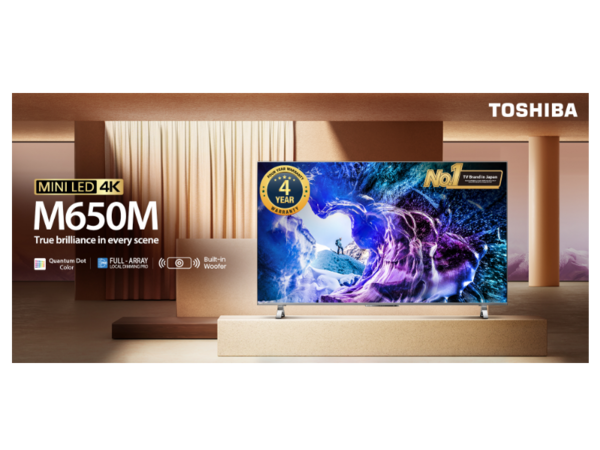
Credit: timesofindia.indiatimes.com
Future Trends And Market Outlook
As technology advances rapidly, the Smart TV industry is witnessing a transformation with groundbreaking innovations and features.
Emerging Trends In Smart Tv Technology
AI integration, voice control, and increased connectivity are shaping the future of Smart TVs, providing seamless user experiences.
The Market And Consumer Outlook For Android Smart Tvs Vs. Traditional Smart Tvs
Consumers are gravitating towards Android Smart TVs due to their versatile app ecosystem, while traditional Smart TVs are favored for their reliability and lower cost.
Frequently Asked Questions On Android Smart Tv Vs Smart Tv
What Is Better Smart Tv Or Android Tv?
Smart TVs offer a variety of apps and features, while Android TVs have the Google Play Store. Both options offer unique benefits, so it depends on your specific needs and preferences. Consider the range of features and apps you want to access when making your decision.
Is It Worth Buying An Android Tv?
Yes, buying an Android TV is worth it for its access to a wide range of apps and streaming services. It offers a user-friendly interface and seamless integration with other Google products. The diverse content options and ease of use make it a great investment for entertainment needs.
Which Tv Is Better Android Or Samsung?
Samsung TV generally offers a better overall picture quality, while Android TV provides a more customizable and user-friendly experience.
Which Operating System Is Better For Smart Tv?
Both Android TV and Roku are popular operating systems for smart TVs, but it ultimately depends on your preferences. Android TV offers a wider variety of apps and Google Assistant integration, while Roku excels in its user-friendly interface and extensive streaming options.
Choose based on your needs!
Conclusion
Considering the features and benefits, the choice between Android Smart TV and regular Smart TV depends on personal preferences. Both offer unique advantages, so make sure to pick the one that aligns with your needs. Choose wisely to enhance your viewing experience to the fullest.