An air purifier is designed to clean and purify the air quality, removing contaminants and allergens. On the other hand, an air conditioner regulates the temperature and humidity indoors.
Both devices serve different purposes in enhancing indoor air quality and comfort. Understanding the distinctions between air purifiers and air conditioners can help individuals make informed decisions when selecting the right appliance for their needs. This article will explore the key differences between air purifiers and air conditioners, their benefits, and how they contribute to creating a healthier and more comfortable living environment.
By weighing the pros and cons of each, readers can determine which appliance is best suited for their specific requirements.

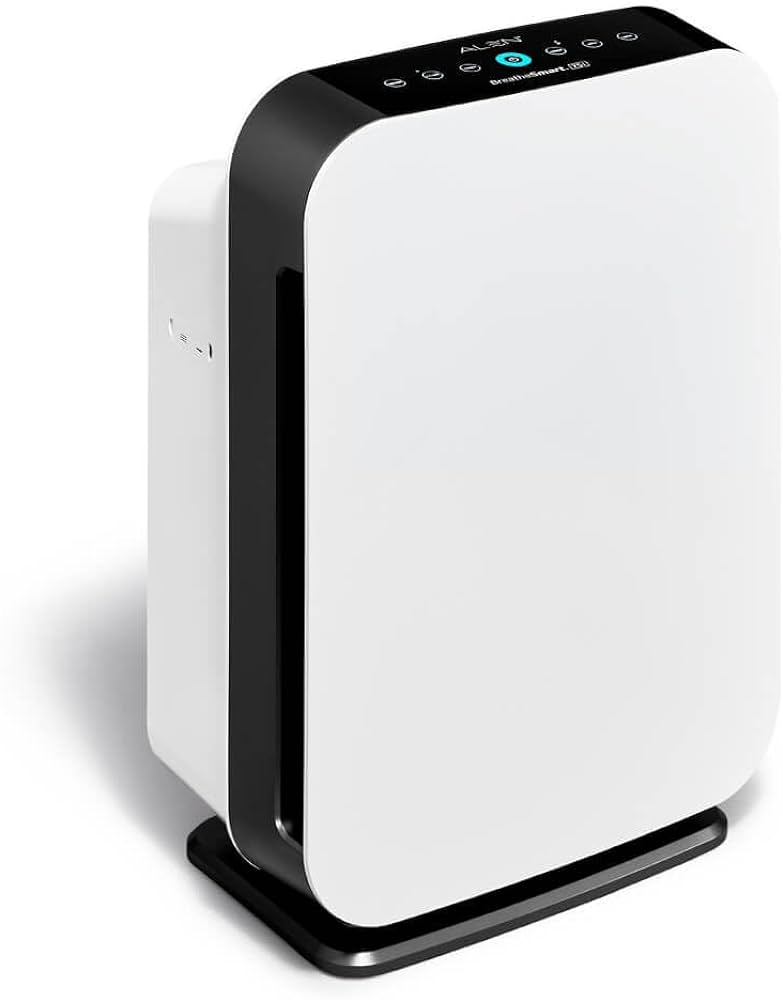
Credit: alen.com
Functionality
Air Purifier
An air purifier is designed to cleanse the air by removing contaminants like dust, pollen, and pet dander through filtration.
Air Conditioner
An air conditioner adjusts temperature by cooling or heating the air in a room or space.

Credit: www.instagram.com
Health Impact
When it comes to our health, the quality of the air we breathe plays a vital role. Poor air quality can lead to various health issues, including respiratory problems, allergies, and even cardiovascular diseases. Both air purifiers and air conditioners aim to improve the air quality in our indoor spaces, but they do so in different ways. Let’s take a closer look at the health impact of each.
Air Purifier Benefits
Air purifiers are designed specifically to remove contaminants and impurities from the air. They work by filtering out pollutants like dust, pollen, pet dander, smoke, and even certain bacteria and viruses. By removing these harmful particles, air purifiers can greatly reduce the risk of respiratory problems and allergies. They are especially beneficial for individuals with asthma or other respiratory conditions.
- Air purifiers remove pollutants such as dust, pollen, pet dander, smoke, bacteria, and viruses.
- They help reduce the risk of respiratory problems and allergies.
- Air purifiers are particularly beneficial for individuals with asthma or other respiratory conditions.
Air Conditioner Benefits
Air conditioners primarily aim to cool and dehumidify the air, providing us with a comfortable indoor environment during hot and humid weather. While they do not actively remove pollutants like air purifiers do, they can still have a positive impact on our health. By lowering the temperature and humidity, air conditioners can create an inhospitable environment for allergens like dust mites and mold, significantly reducing the risk of allergies and respiratory illnesses.
- Air conditioners create a comfortable indoor environment by cooling and dehumidifying the air.
- They can help reduce the risk of allergies and respiratory illnesses by creating an inhospitable environment for allergens like dust mites and mold.
So, while air purifiers are more focused on actively removing contaminants from the air, air conditioners work to create a comfortable environment that is less conducive to allergens and pollutants. Ultimately, the choice between an air purifier and an air conditioner depends on your specific needs and priorities regarding air quality and comfort.
Energy Efficiency
Air purifiers are often more energy efficient than air conditioners, making them a better choice for those looking to reduce their energy consumption. With advanced filtration systems, air purifiers effectively remove pollutants from the air without the need for excessive cooling or heating.
When it comes to considering the energy efficiency of different appliances in our homes, air purifiers and air conditioners play a significant role. Both devices aim to improve the air quality and provide comfort, but they do so in different ways. Understanding the efficiency of air purifiers and air conditioners can help us make informed decisions about which is the best fit for our needs. In this article, we’ll compare the energy efficiency of air purifiers and air conditioners, focusing on two important aspects: air purifier efficiency and air conditioner efficiency.
Air Purifier Efficiency
Air purifiers are designed to remove pollutants, allergens, and contaminants from the air, helping us breathe cleaner and healthier air. When considering their energy efficiency, air purifiers tend to perform impressively. They are typically small, compact devices that consume significantly less electricity compared to other appliances. The majority of air purifiers utilize energy-efficient motors and fans, which consume less power while running smoothly and effectively. This energy-conscious design allows air purifiers to run continuously for long periods without having a significant impact on your electricity bill.
Moreover, air purifiers offer a variety of settings, such as different fan speeds and timer options, which allow you to optimize their energy consumption according to your requirements. By adjusting these settings, you can ensure that your air purifier operates efficiently while still providing you with the desired level of air quality. Some advanced models even come with smart sensors that can detect the air quality in real-time and automatically adjust the fan speed accordingly, further enhancing their energy efficiency.
Air Conditioner Efficiency
On the other hand, air conditioners are primarily used to cool or dehumidify the air in our homes, making them essential during hot and humid summer months. While air conditioners are known for providing comfort in warm weather, they can consume a significant amount of energy, leading to higher electricity bills and environmental impact.
However, it’s important to note that the energy efficiency of air conditioners has improved significantly over the years, thanks to advancements in technology. Energy-efficient air conditioners now come with features like programmable thermostats, which allow you to set temperature preferences according to your needs, reducing unnecessary cooling and saving energy in the process. Additionally, many modern air conditioners are equipped with energy-saving modes or sensors that adjust the cooling output based on room temperature, further optimizing energy consumption.
It is worth considering the energy efficiency rating (EER) of an air conditioner before purchasing. The higher the EER, the more energy-efficient the unit is. Investing in an energy-efficient air conditioner may have a higher upfront cost but can result in long-term savings on energy bills.
In conclusion, while air purifiers generally have a higher energy efficiency compared to air conditioners, it is essential to assess both devices’ specific features and capabilities to make an informed decision. Factors such as the size of the room, the air quality concerns, and the climate of your location should be considered when choosing between an air purifier and an air conditioner.
Cost Analysis
Comparing cost analysis between air purifiers and air conditioners reveals long-term savings and health benefits. While air purifiers offer targeted filtration for cleaner indoor air, air conditioners focus on temperature control, addressing individual needs accurately. Both options present distinct advantages based on affordability and effectiveness in improving indoor air quality.
Air purifiers and air conditioners serve distinct roles in ensuring indoor air quality. Let’s delve into the cost analysis to shed light on their financial aspects.Initial Investment
When considering air purifiers, the initial investment typically ranges from $100 to $1000, depending on the model and features. Conversely, air conditioners require a higher initial investment, averaging between $3000 to $7000 for a central system.Operating Costs
Air Purifier: – Replacement filters range from $20 to $100, needing replacement every 6 to 12 months. – Electricity costs are minimal, often costing less than $0.50 per month. Air Conditioner: – Energy consumption can lead to higher electricity bills, averaging $100 to $200 per month. – Regular maintenance and potential repairs can incur additional costs, ranging from $100 to $500 per year. In summary, while air purifiers have lower initial and operating costs, air conditioners may necessitate a higher financial commitment due to their installation and maintenance expenses.Suitability
When choosing between an air purifier and an air conditioner, consider their suitability for your specific needs. An air purifier filters out pollutants and allergens, making it a good choice for improving indoor air quality, while an air conditioner regulates temperature and humidity, making it ideal for cooling and dehumidifying a space.
Suitability When it comes to choosing between an air purifier and an air conditioner, suitability is an important factor to consider. Understanding the suitability of each option based on various factors will help you make an informed decision for your specific needs. Room Size Consideration The size of the room plays a crucial role in determining whether an air purifier or an air conditioner is the better choice. Air purifiers are designed to clean the air in a specific area, making them suitable for smaller rooms such as bedrooms, offices, or nurseries. On the other hand, air conditioners are capable of cooling and maintaining the temperature of larger spaces, making them ideal for living rooms, kitchens, or entire homes. Environmental Factors Another factor to consider when deciding between an air purifier and an air conditioner is the environmental conditions of your surroundings. Air conditioners are particularly beneficial in hot and humid climates, as they not only cool the air but also remove excess moisture. This can help alleviate discomfort and prevent the growth of mold and mildew. On the other hand, air purifiers are more focused on improving indoor air quality by removing pollutants, allergens, and odors. They can be useful in areas with high levels of air pollution or for individuals with respiratory conditions. In conclusion, understanding the suitability of an air purifier or an air conditioner based on room size and environmental factors will help you determine which option is best for you. Whether you prioritize clean air or optimal temperature control, making an informed decision will ensure a comfortable and healthy living environment. Choose the option that is tailored to your specific needs and enjoy the benefits of a well-suited indoor climate.
Credit: www.amazon.com
Maintenance
When it comes to maintenance, an air purifier requires regular filter changes to ensure optimal air quality, while an air conditioner needs periodic cleaning to prevent mold and bacteria buildup. Both devices should be well-maintained to function efficiently for a healthy and comfortable indoor environment.
Air Purifier Maintenance
Regularly clean the filters of the air purifier every 3-6 months.
Wipe down the exterior surfaces with a damp cloth to remove dust.
Check the fan blades for any dust accumulation and clean them if necessary.
Replace carbon filters as recommended by the manufacturer for optimal performance.
Air Conditioner Maintenance
Clean or replace the AC filter every 1-3 months, depending on usage.
Inspect the ductwork for any leaks or blockages that may affect airflow.
Keep the outdoor unit clean and free from debris to ensure proper ventilation.
Schedule annual professional maintenance to check refrigerant levels and system efficiency.
Frequently Asked Questions Of Air Purifier Vs Air Conditioner
Do I Need An Air Purifier If I Have Air Conditioner?
An air purifier can complement an air conditioner by further improving indoor air quality. It helps remove airborne particles like dust and allergens, providing cleaner air for you to breathe.
Does Air Conditioner Purify Indoor Air?
Yes, air conditioners can help purify indoor air by filtering out dust, pollen, and other particles. They use filters to capture these contaminants and improve the air quality in the space.
Does Air Purifier Cool The Room?
No, air purifiers do not cool the room. Their main function is to remove pollutants from the air, such as dust, pollen, and pet dander. If you want to cool the room, you would need to use a separate device, such as an air conditioner or a fan.
Are There Any Cons To An Air Purifier?
While air purifiers offer benefits, cons may include noise, maintenance costs, and ozone emissions.
Conclusion
In summation, the choice between an air purifier and an air conditioner depends on your specific needs. While air purifiers are great for improving indoor air quality, air conditioners are better for temperature control. Consider both options to create a comfortable and healthy living environment.