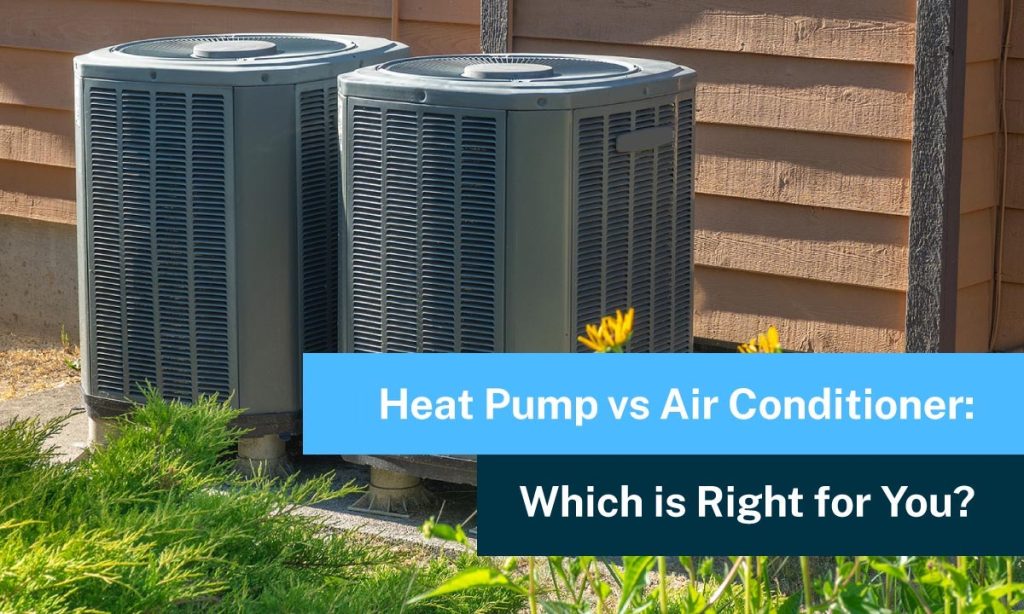
An air conditioner actively cools the air by removing the heat, while an air handler distributes the cool air around your home.
Introduction To Air Handler And Air Conditioner
Air handlers are responsible for distributing cooled or heated air throughout your home, while air conditioners actively cool the air by removing heat. Air handlers work in conjunction with air conditioners, but serve a different function, and often contain coils which can lead to confusion.
Explanation Of Air Handler
An air handler is an essential component of an HVAC system. It is responsible for moving the air throughout your home, ensuring that it reaches every room. The main function of an air handler is to circulate the cool air generated by the air conditioner throughout the house. It contains a blower, which pushes the conditioned air through the ductwork and into different rooms. The blower’s speed can be adjusted to control the airflow and temperature in each area. Additionally, air handlers often contain coils that can help further cool or heat the air. These coils work in conjunction with the air conditioner or heat pump to regulate the temperature. Air handlers also play a crucial role in air filtration. They can incorporate filters that remove dust, pollen, and other contaminants from the air before it is circulated back into your living spaces. In summary, an air handler is responsible for circulating the conditioned air and maintaining a comfortable temperature throughout your home.Explanation Of Air Conditioner
Unlike an air handler, an air conditioner is specifically designed to actively cool the air. It works by removing heat from indoor spaces and blowing back cool air into the rooms. The primary components of an air conditioner are the compressor, condenser, evaporator, and expansion valve. These parts work together to create a cooling effect by compressing and expanding a refrigerant. The compressor pressurizes the refrigerant gas, which then flows to the condenser. Here, the heat from the refrigerant is released to the outside air, allowing the refrigerant to become a cool liquid. The cool liquid then flows to the evaporator, located inside the house. As warm indoor air is blown over the cold evaporator coil, the refrigerant absorbs the heat from the air, cooling it down. The now cooled air is then blown back into the rooms, while the refrigerant returns to the compressor to start the cycle again. It’s important to note that the air conditioner and air handler work together as a system. The air conditioner removes heat from the air, and the air handler distributes the cooled air throughout the house. In conclusion, while the air conditioner actively cools the air, the air handler’s main function is to circulate the cooled air and maintain a comfortable temperature in every room.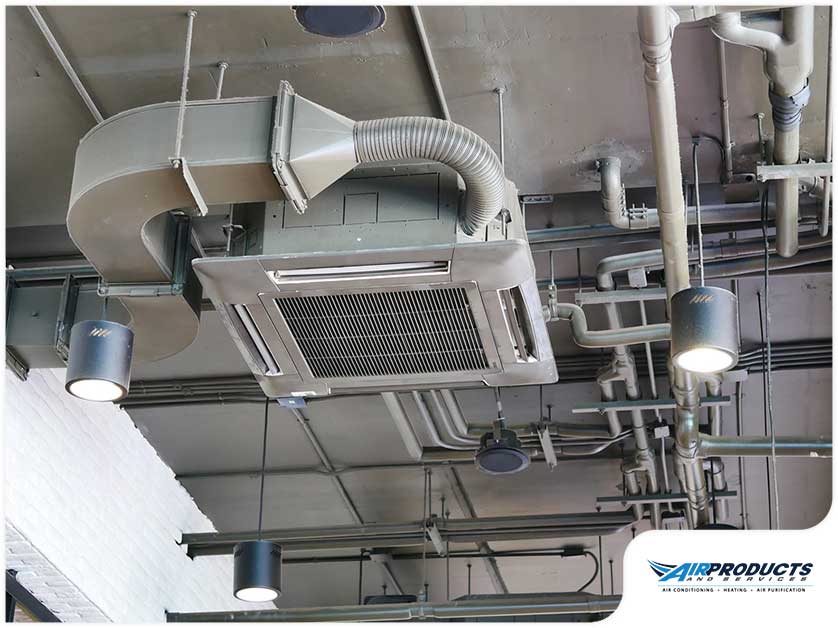
Credit: www.airproductsinc.com
Key Differences Between Air Handler And Air Conditioner
Key Differences Between Air Handler and Air Conditioner
Function
An air conditioner actively cools the air by removing heat, while an air handler distributes cool air in your home.
Cooling Mechanism
Air conditioners cool air directly, while air handlers work in tandem with air conditioning units.
Customization
Air handling units can be customized for specific buildings, incorporating filters, humidifiers, and other components for precise environmental control.
Compatibility
Air handlers are commonly paired with electric heat pumps, while traditional furnaces may not require an air handler.
Benefits Of Air Handler
Improved Air Circulation
An air handler plays a crucial role in providing improved air circulation within a building. By effectively distributing cooled or heated air throughout the space, it ensures consistent comfort levels in every room. This helps to eliminate hot and cold spots while maintaining a pleasant environment.
Flexible Installation
One of the key advantages of air handlers is their flexible installation options. They can be easily integrated into various HVAC systems, including heat pumps, furnaces, and air conditioning units. This adaptability allows for customized placement, optimizing space utilization.
Better Indoor Air Quality
When it comes to indoor air quality, air handlers excel in enhancing the overall environment. They can incorporate filters and other air-purifying devices, effectively removing contaminants such as dust, allergens, and pollutants. This ensures that the circulated air is clean and healthy for occupants.
Benefits Of Air Conditioner
Effective Cooling
Air conditioners actively remove heat from the air, providing efficient cooling throughout your home.
Ease Of Use
Air conditioners are user-friendly, offering simple controls for convenient operation.
Energy Efficiency
Air conditioners are designed to be energy-efficient, helping to lower utility costs while keeping your space cool.
Choosing Between Air Handler And Air Conditioner
When deciding between an air handler and an air conditioner, it’s crucial to understand the specific considerations for each system. Both play different roles in maintaining indoor comfort, and each has its unique features and functionalities. This guide will provide insights into the considerations for both the air handler and the air conditioner, helping you make an informed decision for your cooling and air circulation needs.
Considerations For Air Handler
An air handler plays a vital role in moving air throughout the ductwork in your home. When considering an air handler, it’s essential to evaluate certain key factors:
- Compatibility with Existing HVAC System: Ensure that the air handler is compatible with your current HVAC setup to optimize air distribution and circulation.
- Indoor Air Quality: Look for air handlers equipped with advanced filtration systems to maintain clean and healthy indoor air quality.
- Noise Level: Consider the noise emission levels of the air handler to minimize any disturbances while the system is operational.
Considerations For Air Conditioner
When contemplating an air conditioner, several factors need consideration to ensure efficient cooling and comfort:
- Energy Efficiency: Select an air conditioner with high SEER (Seasonal Energy Efficiency Ratio) ratings to reduce energy consumption and lower utility costs.
- Cooling Capacity: Assess the cooling capacity of the air conditioner to ensure it matches the size and cooling requirements of your living space.
- Smart Features: Opt for air conditioners with smart technologies, such as programmable thermostats and remote control capabilities, to enhance convenience and control.

Credit: indoortemp.com
Common Misconceptions
Air handlers and air conditioners are often confused, but they serve different purposes. An air conditioner cools the air by removing heat, while an air handler distributes the cool air around your home. Understanding the difference can help you make informed decisions about your HVAC system.
Confusion Regarding Coils
One common misconception when discussing air handlers and air conditioners is the confusion surrounding coils. While both systems can contain coils, it’s important to note that coils serve different functions in each system. The coil in an air handler helps in heating or cooling the air, while in an air conditioner, the coil is primarily responsible for cooling the refrigerant.
Differentiating Air Handler And Blower
Another area of confusion is differentiating between an air handler and a blower. An air handler is a unit that works with your air conditioner to distribute cooled or heated air throughout your home. On the other hand, the blower is the component within the air handler that moves the air. It’s crucial to understand that while the blower is part of the air handler, the air handler itself encompasses more components and functions beyond just blowing air.
Cost Comparison
An air conditioner actively cools the air by removing heat, while an air handler distributes the cool air throughout your home. Despite containing coils, air handlers do not perform the same function as air conditioners. The confusion often arises from the fact that air handlers can be customized internally with filters, humidifiers, and other devices for temperature, humidity, air flow, and air cleanliness control.
When it comes to choosing between an air handler and an air conditioner, cost is one of the key factors that homeowners consider. Understanding the cost comparison between the two can help you make an informed decision. There are two main aspects to consider when comparing the costs: initial cost and operating cost.Initial Cost
The initial cost refers to the upfront expense of purchasing and installing the system. Generally, air conditioners have a higher initial cost compared to air handlers. This is because air conditioners are standalone units that include both the cooling and distribution components. On the other hand, air handlers work in conjunction with an air conditioner and are designed solely for air distribution. This means that you would need to invest in both an air handler and an air conditioner when opting for this system. However, it is important to note that the overall cost may vary depending on the specific model, brand, and installation requirements. To get an accurate estimate, it is recommended to consult with a professional HVAC contractor.Operating Cost
The operating cost refers to the ongoing expenses associated with using the system. In terms of energy efficiency, air handlers have an advantage over air conditioners. Air handlers are designed to distribute the cooled air efficiently throughout your home, resulting in better airflow and temperature control. This means that your air conditioner doesn’t have to work as hard to cool your home, leading to potential energy savings. Moreover, air handlers provide the option for additional components such as air filtration and humidifiers, allowing for better indoor air quality. While these add-ons may increase the initial cost slightly, they can contribute to long-term cost savings by reducing the need for separate air purifiers or humidifiers. In conclusion, while air conditioners may have a higher initial cost, air handlers can provide energy efficiency and additional features that can lead to cost savings in the long run. It is important to consider your specific needs and budget when making a decision. To summarize:- The initial cost of air conditioners is higher compared to air handlers.
- Air handlers offer energy efficiency and the possibility of additional components, contributing to long-term cost savings.
- Consulting with an HVAC professional is recommended to get an accurate cost estimate.

Credit: indoortemp.com
Frequently Asked Questions On Air Handler Vs Air Conditioner
What Is The Difference Between An Air Conditioner And An Air Handler?
An air conditioner cools the air by removing heat, while an air handler distributes the cool air. They work together, but have different functions. Air handlers can be customized for temperature control, air flow, and air cleanliness. Some confusion arises because air handlers often contain coils.
What Is The Difference Between An Air Conditioner And An Ahu?
An air conditioner cools the air by removing heat, while an AHU distributes cool air. AHUs can be customized for building needs with added features like filters and humidifiers. AHUs don’t perform cooling function like air conditioners.
Do Ac Units Come With Air Handlers?
Yes, some AC units come with air handlers, especially those that use electric heat pumps.
Does An Air Handler Cool Air?
Yes, an air handler does not cool air but distributes the cool air produced by an air conditioner throughout the building.
Conclusion
While air conditioners cool air, air handlers distribute it throughout your home. They play complementary roles in HVAC systems. Understanding their differences helps in making informed decisions for optimal comfort. Consider your specific needs and consult professionals for the best solution.