HVAC encompasses heating, cooling, and ventilation, while AC specifically refers to cooling systems. Understanding the difference between HVAC and AC is crucial for maintaining a comfortable indoor environment.
HVAC systems are comprehensive, providing heating, cooling, and ventilation for buildings, whereas AC systems focus solely on cooling. AC units are often part of larger HVAC systems, which offer a complete solution for indoor climate control. Choosing the right system for your needs can make a significant difference in energy efficiency and overall comfort.
Let’s delve deeper into the distinctions between air conditioning and HVAC units to help you make informed decisions for your home or office space.
Credit: cjsheatingandair.com
Understanding Hvac
When it comes to HVAC, it’s important to understand the difference between air conditioning (AC) and HVAC. The main dissimilarity is that HVAC covers the entire heating, cooling, and ventilation system of a building, while AC primarily refers to cooling systems.
HVAC is more comprehensive and entails various components beyond just cooling.
What Does Hvac Stand For?
HVAC stands for heating, ventilation, and air conditioning. It encompasses a complete system that manages the climate in a building.
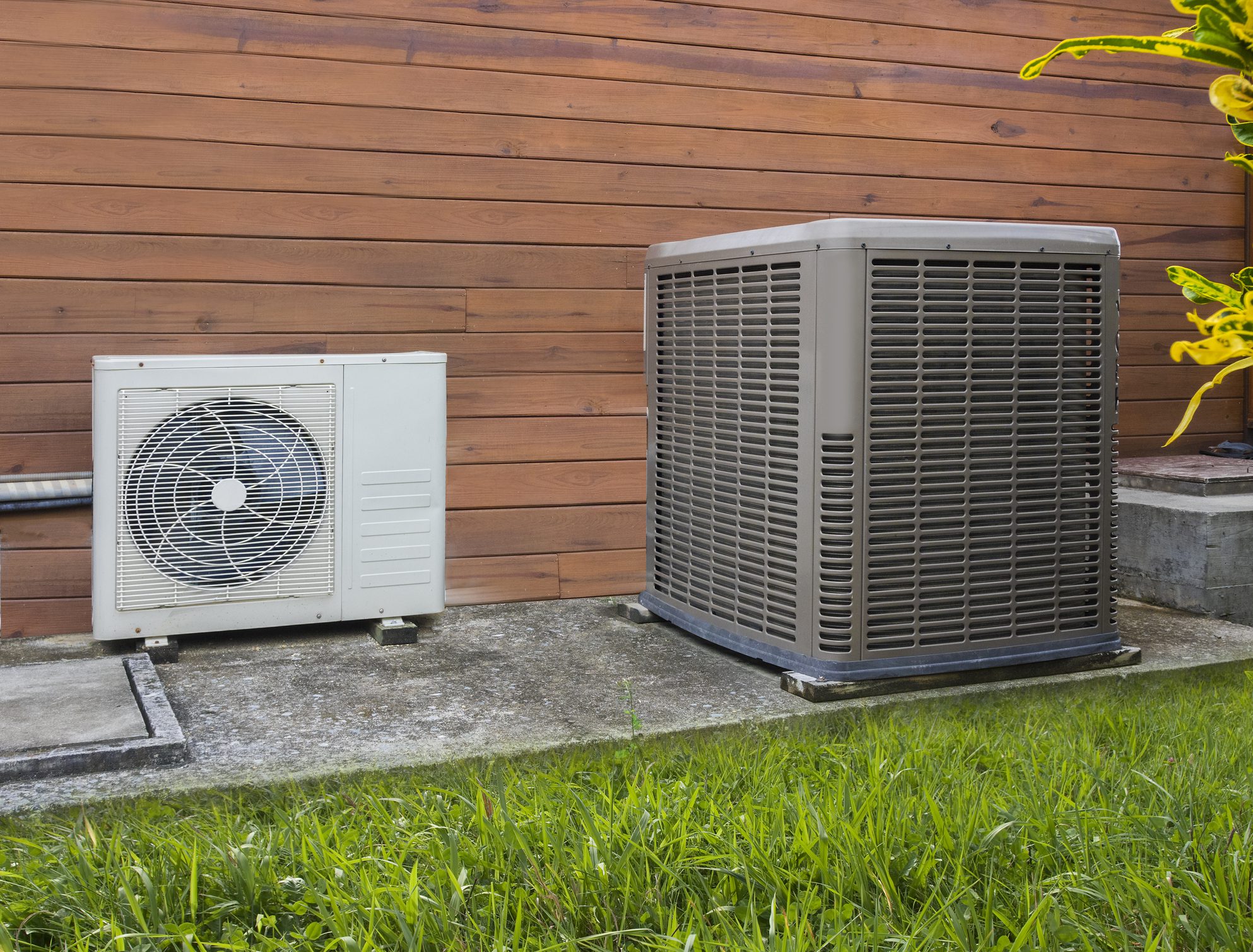
Components Of Hvac System
- Heating system
- Ventilation system
- Air conditioning system
Understanding Air Conditioner
Certainly! Here’s the response written in HTML format. “`htmlAn air conditioner is a crucial appliance used for cooling indoor spaces by removing heat and humidity from the air, resulting in a comfortable environment during hot weather.
What is an air conditioner?What Is An Air Conditioner?
An air conditioner is a mechanical device that regulates and maintains indoor temperature and humidity levels to create a comfortable environment.
How does an air conditioner work?How Does An Air Conditioner Work?
Air conditioners work by drawing warm air from the surroundings and passing it through a refrigeration cycle, which involves compressing and expanding a refrigerant to remove the heat, resulting in cool air being circulated within the room.
Main Differences Between Hvac And Air Conditioner
When it comes to understanding the differences between HVAC and Air Conditioner systems, it is essential to know the specific attributes that set them apart. This article delves into the nuances of these two systems, focusing on the scope of operation and functionality.
Scope Of Operation
An air conditioner, as the name suggests, is dedicated solely to cooling the air within a confined space. On the other hand, HVAC, an acronym for Heating, Ventilation, and Air Conditioning, encompasses a more comprehensive scope of operation. It pertains not only to cooling but also heating and ventilation systems, providing a holistic environmental control solution for buildings.
Functionality
The functionality of an air conditioner is limited to cooling the air. It operates by removing heat from within a space and expelling it outside to maintain a comfortable indoor temperature. In contrast, HVAC systems are multifunctional, integrating heating, ventilation, and cooling capabilities. This broader functionality allows HVAC systems to regulate temperature, humidity, and air quality, providing a complete climate control solution for commercial and residential properties.
When To Use Hvac
When deciding between an air conditioner and HVAC, consider the scale of your heating, cooling, and ventilation needs. HVAC encompasses heating, cooling, and ventilation components, while AC focuses solely on cooling systems. Assess your requirements to determine the most suitable choice for your space.
Benefits Of Hvac System
Efficient: HVAC system provides efficient heating, cooling, and ventilation for buildings.
Comprehensive: HVAC system covers heating, cooling, and ventilation needs in one package.
Suitable Scenarios For Hvac
- New Constructions: HVAC is ideal for new constructions where a complete heating, cooling, and ventilation system is required.
- Large Spaces: HVAC is suitable for large spaces like commercial buildings or industrial facilities.
- All-Season Usage: HVAC is beneficial in regions where both heating and cooling are needed throughout the year.
When To Use Air Conditioner
When it comes to maintaining a comfortable indoor temperature during hot summer months, an air conditioner plays a vital role. Understanding when to use an air conditioner can help you create a pleasant environment and beat the heat.
Benefits Of Using An Air Conditioner
An air conditioner offers several benefits that make it an essential appliance for cooling down your living or working space. Here are a few advantages of using an air conditioner:
- Keeps you cool and comfortable: Air conditioners are designed to provide instant relief from the sweltering heat, making it easier for you to relax and carry out your daily activities.
- Improves air quality: Air conditioners not only cool the air but also filter out dust, pollutants, and allergens, providing you with cleaner and healthier indoor air.
- Enhances sleep quality: Sleeping in a cool and comfortable environment promotes better sleep, allowing you to wake up refreshed and rejuvenated in the morning.
- Increases productivity: Working in a cool and pleasant atmosphere can boost your productivity and focus, enabling you to accomplish tasks efficiently.
- Prevents heat-related illnesses: Air conditioners help to prevent heat exhaustion, heat stroke, and dehydration, especially in vulnerable individuals such as the elderly, children, and those with certain medical conditions.
Suitable Scenarios For Air Conditioner
An air conditioner is ideal to use in various scenarios where you need to cool down the temperature and maintain a comfortable indoor environment. Here are a few suitable situations for using an air conditioner:
- In residential spaces: Air conditioners are commonly used in homes, apartments, and condos to create a cool and pleasant living environment for the residents.
- In commercial buildings: Offices, retail stores, restaurants, and other commercial establishments rely on air conditioners to keep customers and employees comfortable and happy.
- In educational institutions: Schools, colleges, and universities install air conditioners in classrooms, auditoriums, and other areas to ensure a conducive learning environment for students and teachers.
- In healthcare facilities: Hospitals, clinics, and healthcare centers use air conditioners to help maintain a sterile and comfortable environment for patients, doctors, and staff.
- In recreational spaces: Gyms, theaters, shopping malls, and other recreational venues prioritize air conditioning to offer visitors a refreshing and enjoyable experience.
Overall, an air conditioner proves to be a valuable asset in improving comfort, air quality, and productivity. Whether it’s in your home, office, school, or any other public space, using an air conditioner in suitable scenarios can help you beat the heat and create a cool oasis in the midst of a scorching summer.

Credit: todayshomeowner.com
Cost Comparison
When it comes to deciding between an air conditioner and an HVAC system, one of the most important factors to consider is the cost. Understanding the cost comparison between these two options can help you make an informed decision about which system is right for your needs.
Cost Of Hvac System
The cost of an HVAC system can vary depending on various factors such as the size of your home, the type of system you choose, and any additional features or enhancements you opt for. On average, a new HVAC system can cost anywhere from $3,000 to $10,000 or more, including installation.
It’s important to keep in mind that an HVAC system includes both heating and cooling components, which can make it a more versatile and comprehensive solution for your home. While the upfront cost may be higher, an HVAC system can offer better energy efficiency and overall comfort throughout the year.
Cost Of Air Conditioner
If you only need cooling for your home and don’t require heating capabilities, an air conditioner can be a more cost-effective option. The cost of a new air conditioning unit can range from $1,500 to $4,000 or more, including installation.
While an air conditioner is a standalone cooling system and may not offer the same level of versatility as an HVAC system, it can still provide efficient and effective cooling for your home during the hot summer months.
In addition to the initial purchase and installation costs, it’s important to consider the long-term expenses associated with both options. Maintenance, repairs, and energy consumption should all be taken into account when evaluating the overall cost of owning and operating an air conditioner or HVAC system.
In conclusion, the cost comparison between an air conditioner and an HVAC system ultimately depends on your specific needs, budget, and comfort preferences. While an HVAC system may require a larger upfront investment, it can offer more comprehensive temperature control throughout the year. On the other hand, if you only require cooling and are looking for a more cost-effective solution, an air conditioner may be the right choice for you.
Credit: iaqcolorado.com
Frequently Asked Questions For Air Conditioner Vs Hvac
Is Hvac The Same As Air Conditioning?
HVAC and air conditioning are not exactly the same. HVAC refers to the entire heating, cooling, and ventilation system, while air conditioning specifically refers to the cooling system. AC is a part of the larger HVAC system.
Is Hvac More Expensive Than Ac?
HVAC generally refers to the whole heating, cooling, and ventilation system of a building. AC, on the other hand, refers specifically to cooling systems. Overall, heating your home costs more than cooling it. However, homeowners in warm climates may spend more on air conditioning since they use it more frequently throughout the year.
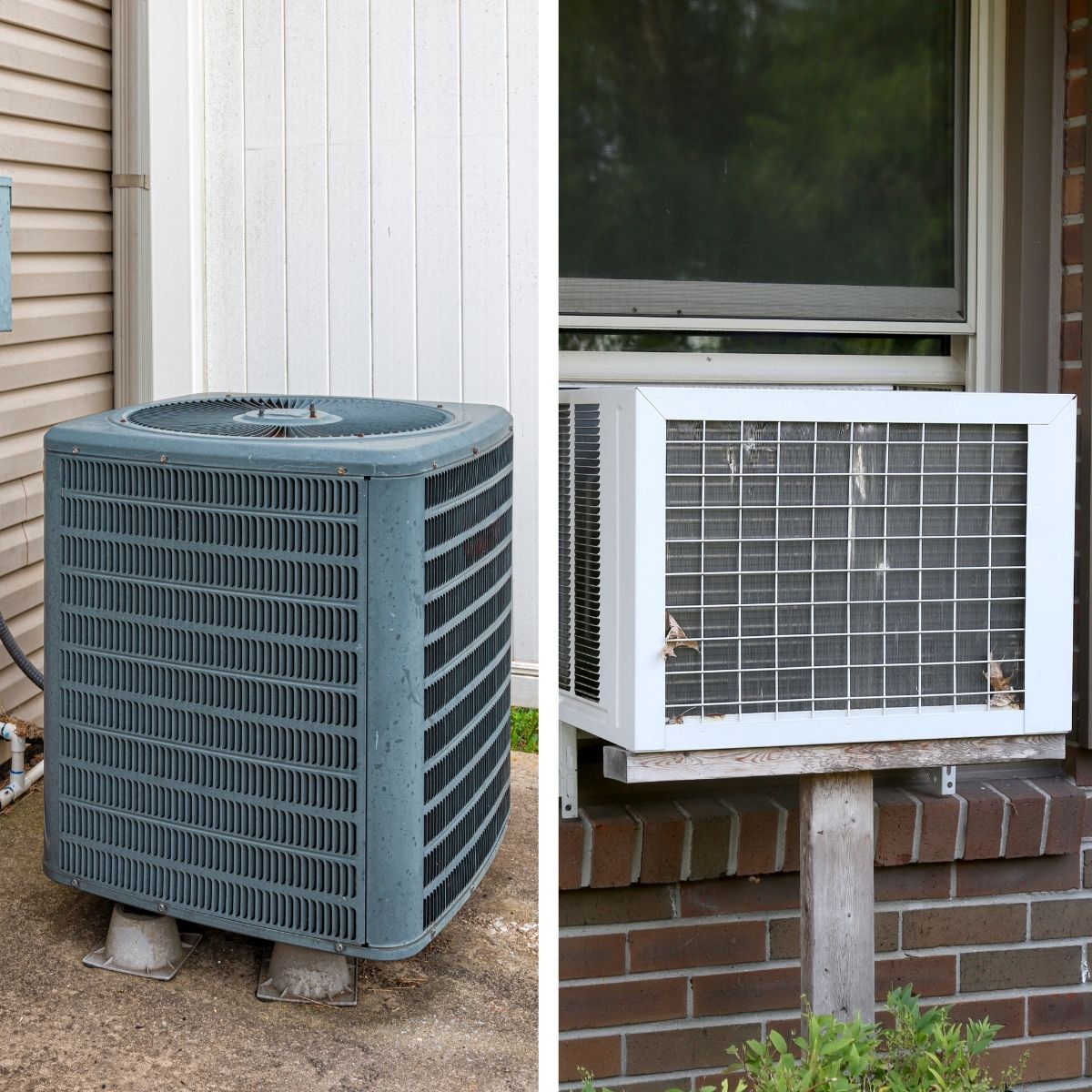
What’s The Difference Between Central Air And Air Conditioning?
Central air systems deliver conditioned air throughout the house, unlike standalone air conditioning units that cool individual rooms.
Does Hvac Always Have Ac?
HVAC does not always have AC. HVAC includes heating and ventilation systems as well as air conditioning.
Conclusion
When deciding between air conditioners and HVAC systems, consider the difference in coverage and effectiveness. HVAC covers heating, cooling, and ventilation, while AC is focused solely on cooling. Understanding these distinctions can help you choose the best option for your needs.
Explore further to make an informed decision.