The AC pressure switch controls the system based on pressure fluctuations, affecting system functionality. When malfunctioning, it can cause incorrect system operation, resulting in temperature irregularities and potentially blowing warm air into the room.
Air conditioner pressure switches play a crucial role in regulating the operation of HVAC systems by responding to changes in pressure levels within the unit. These switches are responsible for turning the system on and off as needed, ensuring optimal performance.
However, a faulty pressure switch can disrupt this process, leading to improper functioning and contributing to issues such as inconsistent cooling or heating. Understanding the role of the pressure switch and recognizing signs of malfunction can help maintain a comfortable indoor environment and prevent potential system failure.
Introduction To Air Conditioner Pressure Switch
Welcome to our comprehensive guide on air conditioner pressure switches. In this blog post, we will explore everything you need to know about these crucial components of your AC system. We will cover the function of an AC pressure switch, symptoms of a faulty switch, and how to diagnose and fix any issues that may arise. So, let’s start by understanding what an AC pressure switch is.
What Is An Ac Pressure Switch
An AC pressure switch is an electrical device that monitors the pressure in the refrigerant circuit of an air conditioning system. It is typically installed in the high-pressure side of the system and can detect both high and low pressures. The switch is designed to ensure the safe and efficient operation of the AC system by turning it on or off based on the pressure readings.
Function Of Ac Pressure Switch
The primary function of an AC pressure switch is to protect the compressor from damage caused by excessively high or low pressures in the refrigerant circuit. When the pressure exceeds a certain limit, the switch will open the circuit, cutting off power to the compressor and shutting down the system. Conversely, if the pressure drops too low, the switch will close the circuit, allowing the compressor to operate and restore the pressure.
In addition to compressor protection, the AC pressure switch also plays a crucial role in ensuring the efficiency and performance of the system. By constantly monitoring the pressure, it helps maintain the proper refrigerant levels and prevents issues such as refrigerant leaks or inadequate cooling.
Overall, the AC pressure switch is an essential component that helps regulate the operation of your air conditioner, ensuring its longevity and optimal performance. Now that we understand what an AC pressure switch is and its function, let’s explore the symptoms of a faulty switch and how to diagnose and fix any issues.
Signs Of A Bad Ac Pressure Switch
The signs of a bad AC pressure switch include the compressor not turning on, the air conditioner blowing warm air, and inconsistent AC functionality. A malfunctioning pressure switch can cause the system to stay on when it should be off or vice versa, resulting in the release of warm air into the room.
Ac Blowing Warm Air
One of the prominent signs of a faulty AC pressure switch is the unit blowing warm air instead of cool air. This can indicate a disruption in the system’s ability to regulate pressure effectively.
Inconsistent Ac Performance
Inconsistent AC performance, where the cooling fluctuates unpredictably, is another indicator of a potential issue with the pressure switch. This inconsistency can disrupt the comfort levels within the space.
Compressor Not Turning On
If you notice that the AC compressor is not turning on, it could be a result of a malfunctioning pressure switch. The compressor plays a crucial role in cooling the air, and its failure to activate may point to a problem with the switch.
Testing And Troubleshooting Ac Pressure Switch
When it comes to your air conditioning system, the AC pressure switch plays a critical role in maintaining the proper functioning of the unit. Understanding how to test and troubleshoot the AC pressure switch is essential for ensuring your AC system operates efficiently. Let’s delve into the process of testing and troubleshooting the AC pressure switch to keep your air conditioner in top condition.
Locating The Ac Pressure Switch
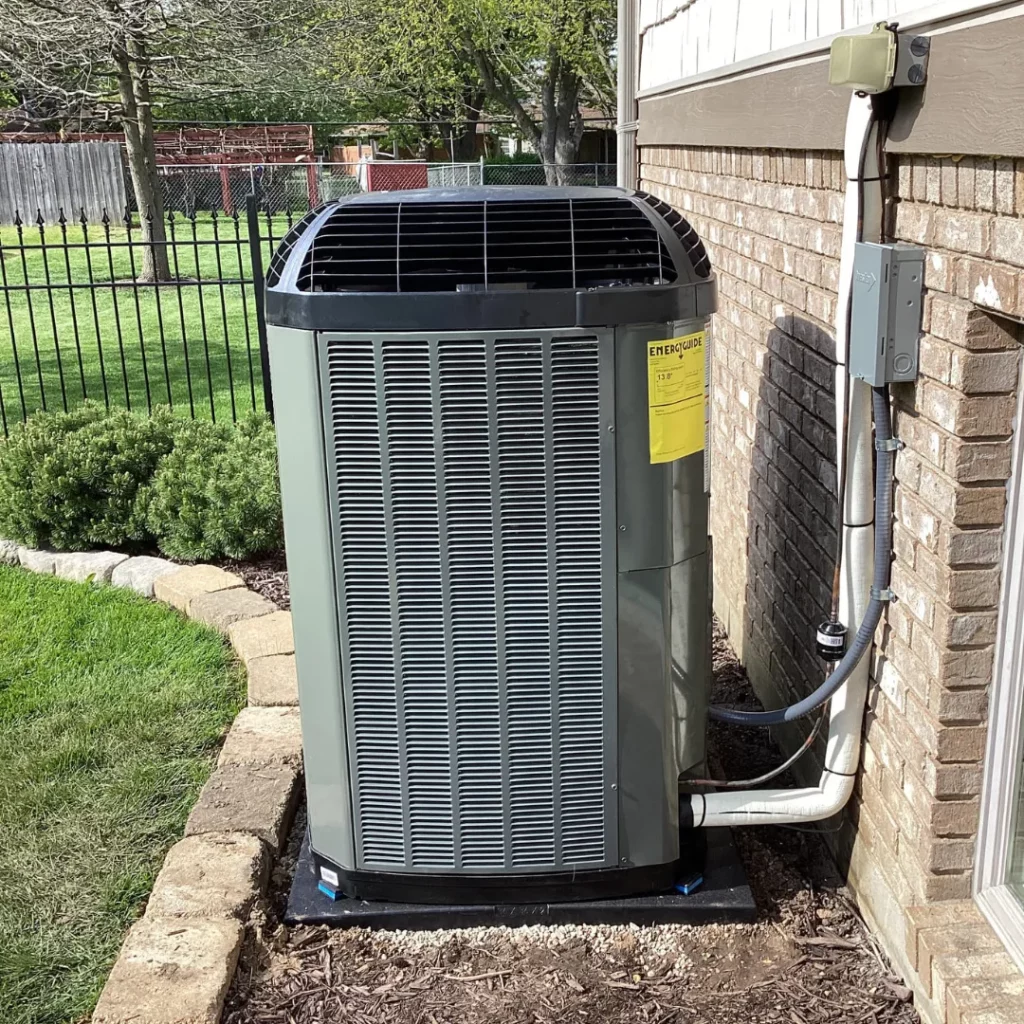
Before diving into testing and troubleshooting the AC pressure switch, it’s crucial to know where to find the switch within your air conditioning system. The AC pressure switch is typically located on the high side and low side of the system, near the condenser or the receiver/drier. On some AC systems, the pressure switch can be found mounted directly on the compressor or on the accumulator.
Testing The Ac Pressure Switch
Testing the AC pressure switch involves evaluating its functionality to ensure it is operating within the specified parameters. Using a multimeter, you can test the switch for continuity and verify if it is responding appropriately to pressure changes in the system. Additionally, checking for any visible signs of damage or corrosion on the switch is essential to determine its condition accurately.
Resetting A Faulty Ac Pressure Switch
If you suspect that the AC pressure switch is faulty, resetting it may temporarily resolve the issue. To reset the pressure switch, turn off the AC system, locate the reset button or lever on the switch, and follow the manufacturer’s instructions for resetting. Keep in mind that resetting the switch is a short-term solution, and if the issue persists, it’s advisable to seek professional assistance to diagnose and address the underlying problem.
Credit: www.logan-inc.com
Replacing An Ac Pressure Switch
Replacing an AC pressure switch is a straightforward process that can restore your air conditioner’s efficiency. A faulty pressure switch can lead to issues such as inconsistent cooling, warm air blowing from the AC, or the compressor not turning on. If you are experiencing any of these symptoms, it may be time to consider replacing the AC pressure switch. In this section, we will cover everything you need to know about choosing the right replacement part, the installation process, and the cost of replacing an AC pressure switch.
Choosing The Right Replacement Part
When selecting a replacement AC pressure switch, it’s crucial to ensure that the new part is compatible with your air conditioning system. Consider factors such as the manufacturer’s specifications, model compatibility, and the required pressure rating. It’s recommended to consult your HVAC technician or refer to your air conditioner’s manual to determine the appropriate replacement part for your specific unit. Additionally, you can explore reliable sources such as NAPA Auto Parts, Amana Furnace Vent, or Amazon.com for a wide range of replacement options.
Installation Process
The installation process for replacing an AC pressure switch typically involves the following steps:
- Turn off the power: Before starting the replacement, ensure that the power to the air conditioner is switched off to avoid any electrical hazards.
- Locate the pressure switch: The AC pressure switch is usually located near the condenser unit or the compressor. Identify the exact location based on your air conditioner model.
- Remove the old pressure switch: Carefully disconnect the electrical connectors and remove the old pressure switch from its mounting position.
- Install the new pressure switch: Install the new pressure switch by securely connecting the electrical wiring and mounting it in the designated location.
- Test the system: After installation, turn on the power and test the air conditioner to ensure that the new pressure switch functions properly.
Cost Of Replacing An Ac Pressure Switch
The cost of replacing an AC pressure switch can vary based on factors such as the brand of the replacement part and the complexity of the installation process. Replacement parts can range from $12.00 to $89.95, depending on the source and specific requirements of your air conditioning system. Additionally, if you opt for professional installation by an HVAC technician, there may be additional labor costs. It’s important to consider the overall cost including the replacement part and any associated installation expenses when budgeting for the replacement of an AC pressure switch.
Common Brands And Models Of Ac Pressure Switches
Air conditioner pressure switches play a crucial role in regulating the performance of your AC unit. Here are some common brands and models of AC pressure switches:
Napa Auto Parts A/c Pressure Cycling Switch
- Price range: $23.75 – $51.20
Amana Furnace Vent Air Pressure Switch
- Price: $19.84
Four Seasons Pressure Switch
- Price range: $12.76 – $26.00
Credit: www.alliancecc.com.au
Where To Buy Ac Pressure Switches
Amazon.com
Amazon.com offers a wide selection of AC pressure switches from various brands, providing options for both DIY enthusiasts and professional technicians.
Napa Auto Parts
At NAPA Auto Parts, you can find reliable A/C pressure cycling switches for your air conditioner system, ensuring quality and performance.
Ebay
eBay is a cost-effective platform where you can explore multiple listings for pressure switches for air conditioning units, including both new and used options.
Tips For Maintaining Ac Pressure Switch
An air conditioner pressure switch plays a crucial role in the functioning of your AC system. It is responsible for turning the system on and off based on changes in pressure. To ensure your AC pressure switch operates smoothly and efficiently, it is essential to follow these maintenance tips:
Regular Cleaning And Inspection
Regular cleaning and inspection of the AC pressure switch is vital to keep it in optimal condition. Dust, debris, or dirt buildup can affect its performance and potentially lead to malfunctioning. To clean the pressure switch:
- Turn off the power to the AC unit to avoid any accidents.
- Gently remove the cover of the pressure switch.
- Using a soft brush or cloth, carefully clean the switch, removing any dust or debris.
- Inspect the switch for any signs of wear, corrosion, or damage.
- If you notice any issues, consider replacing the switch with a new one.
Avoiding Excessive Pressure Fluctuations
Excessive pressure fluctuations can put stress on the AC pressure switch and lead to premature wear and tear. To avoid this:
- Keep an eye on the pressure gauges and ensure they stay within the recommended range.
- Regularly check for any leaks in the AC system that may cause pressure fluctuations. Fix any leaks promptly.
- Ensure the AC system is properly charged with refrigerant to maintain the ideal pressure levels.
- If you notice any significant fluctuations in pressure, it is advisable to consult a professional HVAC technician for further inspection and adjustment.
By following these maintenance tips, you can help prolong the lifespan of your AC pressure switch and ensure the efficient operation of your air conditioning system. Remember, regular cleaning, inspection, and prevention are key to maintaining the performance and reliability of your AC pressure switch.

Credit: www.brinkincmt.com
Frequently Asked Questions For Air Conditioner Pressure Switch
How Do You Know If Your Ac Pressure Switch Is Bad?
If your AC pressure switch is bad, you may notice the system staying on or off when it shouldn’t, causing temperature issues.
What Does An Air Conditioner Pressure Switch Do?
The air conditioner pressure switch controls system operation based on pressure changes, either turning it on or off. A malfunction can cause incorrect cooling cycles, leading to overheating or releasing warm air into the room.
How Do I Know If My Pressure Switch Is Bad?
If your pressure switch is bad, you may notice these symptoms: the system staying on when it should be off or vice versa, a buildup of heat inside the unit, and warm air blowing into the room. Make sure to check for these signs and consider replacing the pressure switch if necessary.
How Do You Reset An Ac High Pressure Switch?
To reset an AC high pressure switch, locate the switch near the compressor, push the red button on top to reset, then restart the unit.
Conclusion
The air conditioner pressure switch plays a crucial role in the functioning of your AC system. It regulates the system by turning it on and off based on changes in pressure. If this switch is faulty or malfunctioning, it can cause the system to operate incorrectly, leading to warm air blowing into the room.
It is important to identify the symptoms of a bad AC pressure switch and address the issue promptly. By understanding the role and importance of the AC pressure switch, you can ensure the optimal performance of your air conditioning system.