When humidity is high, use dry mode; for hot days, switch to cooling to stay cool. Dry mode removes moisture in humid conditions, while cooling mode removes heat during hot weather.
Choosing between these modes can greatly impact your comfort and energy usage. Dry mode is ideal for those sticky, humid days when it’s not too warm, while cooling mode is best for hot summer days. Understanding the differences and knowing when to use each mode can help you optimize your air conditioner’s performance and efficiency.
To maintain a comfortable indoor environment, it’s important to utilize the appropriate mode based on the prevailing weather conditions. By making informed decisions on when to use dry mode versus cooling mode, you can ensure that your air conditioner operates effectively while keeping energy costs in check.

Credit: noogapaws.com
Introduction To Air Conditioner Dry Vs Cool
Understanding The Difference Between Dry Mode And Cool Mode
Dry mode is ideal for humid, sticky conditions, while cool mode is best for hot summer days.
Exploring The Benefits Of Dry Mode
- Efficiently removes humidity from the air
- Helps maintain a comfortable indoor environment
- Reduces the risk of mold and mildew
Examining The Advantages Of Cool Mode
- Provides instant cooling relief
- Regulates temperature effectively
- Ideal for hot weather conditions
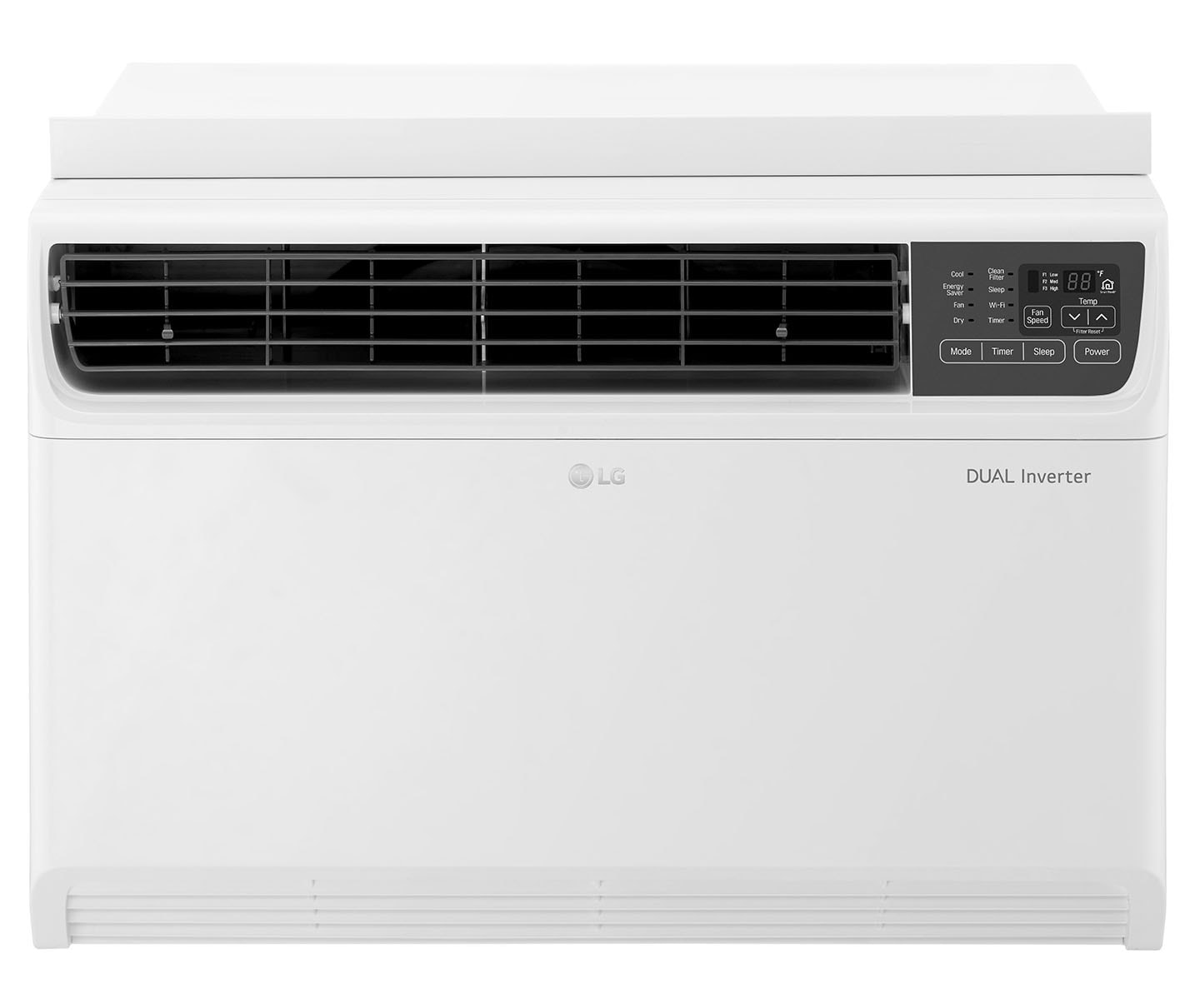
Credit: www.lg.com
When To Use Dry Mode
Dry mode is best for humid and sticky conditions, ideal on tropical days when it’s not too hot. In contrast, cooling mode is more effective for hot summer days, providing relief from the heat. Opt for dry mode to reduce humidity and cooling mode for hotter weather.
Ideal Conditions For Dry Mode
Dry mode is ideal when the conditions are humid and “sticky” and temperatures are not too hot. This mode is suitable for days when the weather has a tropical feel, and it’s been raining or about to rain. However, on hot summer days, it is recommended to switch to cooling mode for better performance.
How To Determine When To Use Dry Mode
To determine when to use dry mode, consider the humidity and temperature levels. When the weather feels humid and sticky, but not excessively hot, it is a good indication to use the dry mode. Additionally, if the forecast suggests rainy or high humidity conditions, opting for dry mode is a suitable choice.
Effects Of Excessively Dry Air
- Excessively dry air can cause uncomfortable symptoms such as dry skin and respiratory issues.
- It can also result in the build-up of static electricity.
- Using dry mode for prolonged periods in an already dry environment can lead to insufficient indoor moisture, further exacerbating dry air-related discomforts.
Potential Issues With Leaving Ac On Dry Mode
Leaving the AC on dry mode for an extended period, particularly in an already dry environment, may lead to excessively dry air within the indoor space. This could result in uncomfortable symptoms and the accumulation of static electricity, adversely affecting the overall indoor air quality.
When To Use Cool Mode
Dry mode is ideal for humid and sticky conditions when temperatures are not too hot, such as tropical days with rain. However, on hot summer days, it is better to switch to cooling mode for optimal performance.
Cool mode in an air conditioner is typically used to lower the temperature inside a space. It is best suited for hot and dry conditions where the primary goal is to bring down the temperature rather than remove humidity. Understanding when to use cool mode can help optimize your air conditioning usage and energy efficiency.Optimal Situations For Cool Mode
The cool mode is best utilized during hot and dry weather conditions, especially in locations where humidity is not a concern. It is ideal for creating a comfortable indoor environment when the outside temperature is high, and there is a need to cool down the indoor space.
Comparison Of Energy Efficiency With Cool Mode
When comparing energy efficiency, cool mode consumes more energy compared to dry mode. This is because cool mode not only cools the air but also requires additional energy to maintain the desired temperature level. Using cool mode extensively may result in higher energy consumption and utility costs.
Why Cool Mode Should Be Used Sparingly
Cool mode should be used sparingly to conserve energy and minimize environmental impact. Unlike dry mode, which focuses on dehumidifying the air, cool mode primarily aims to lower the temperature. Therefore, excessive usage of cool mode may lead to increased energy consumption and could strain the air conditioning system.
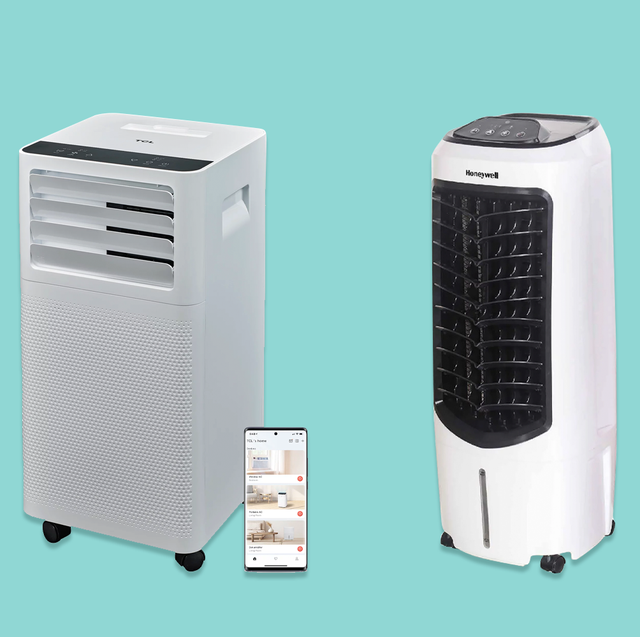
Credit: www.goodhousekeeping.com
How Dry Mode Works
Dry mode is ideal for humid and sticky conditions when temperatures are not too hot. It helps remove moisture from the air, making it more comfortable. However, on hot summer days, it is recommended to switch to cooling mode for optimal cooling.
Explanation Of The Lower Speed Setting In Dry Mode
When you turn on the dry setting on your AC, it will run at a lower speed than when it’s set in cool mode.
The Role Of The Evaporator Coil In Removing Moisture
The lower speed setting allows air to pass slowly over the evaporator coil, facilitating the removal of moisture from the air.
The Process Of Condensing Moisture From The Air
By running at a reduced speed, the AC causes some of the moisture within the air to condense on the evaporator coil, effectively removing moisture from the air.
How Cool Mode Works
When humidity is high but not too hot, Dry Mode removes moisture efficiently, ideal for tropical weather conditions. On hot summer days, switch to Cool Mode for effective cooling performance. Maintain comfort by using each mode appropriately based on weather conditions.
Overview Of The Cooling Mechanism
When you switch your air conditioner to cool mode, it operates by using a cooling mechanism to bring down the temperature of the air in the room. This mechanism consists of several components working together to achieve the desired cooling effect. Understanding how the cooling mechanism works can help you make the most of your air conditioner’s cool mode.
Removal Of Heat From The Air In Cool Mode
In cool mode, the air conditioner removes heat from the air in order to lower the temperature. It does this through a process called refrigeration. First, the air conditioner takes in the warm air from the room. This warm air passes over the evaporator coil, which contains a refrigerant. The refrigerant absorbs the heat from the air, causing it to evaporate. As the refrigerant evaporates, it absorbs the heat energy from the air, thus cooling it down.
Next, the cooled air is blown back into the room, while the warm refrigerant flows to the condenser coil located outside the air conditioner. The condenser coil releases the heat absorbed by the refrigerant into the outside environment. This completes the cooling process, allowing the air conditioner to maintain a cool and comfortable indoor temperature.
Differences Between Cool Mode And Dry Mode In Terms Of Functionality
While both cool mode and dry mode are designed to provide comfort, they have different functionalities. Cool mode focuses on lowering the temperature of the room by removing heat from the air, while dry mode aims to reduce the humidity levels in the room without significantly reducing the temperature.
- In cool mode, the air conditioner operates at full power to cool the room.
- In dry mode, the air conditioner runs at a lower speed in order to remove excess moisture from the air.
- Cool mode is more suitable for hot summer days when you want to achieve a significant drop in temperature.
- Dry mode is ideal for humid days with a tropical feel, where reducing humidity levels is the primary concern.
Understanding the differences between these two modes can help you choose the most appropriate setting for your specific comfort needs.
Benefits Of Using Dry Mode
Dry mode in your air conditioner can offer several advantages that contribute to a more comfortable and healthier indoor environment.
Reducing Humidity Levels In The Air
Reducing humidity levels in the air is a key benefit of using the dry mode. By extracting excess moisture from the air, this mode helps in maintaining a comfortable environment, especially during humid weather conditions.
Preventing Mold And Mildew Growth
Preventing mold and mildew growth is another significant advantage of utilizing the dry mode in your air conditioner. By controlling humidity levels, you can inhibit the growth of mold and mildew, which thrive in moist environments.
Improving Indoor Air Quality
Improving indoor air quality is a crucial aspect of using the dry mode. By reducing humidity, you can also minimize the presence of allergens and pollutants in the air, leading to a healthier living space for you and your family.
Advantages Of Using Cool Mode
When it comes to maintaining a comfortable indoor environment, the cool mode of an air conditioner offers several distinct advantages. From providing immediate relief from the sweltering heat to effectively controlling indoor temperatures, cool mode proves to be an optimal choice for hot and humid weather conditions. Let’s explore the advantages of using cool mode in more detail.
Providing Immediate Cooling Relief
The cool mode of an air conditioner delivers instant relief from the oppressive heat, quickly lowering the temperature of the indoor space. By activating the cool mode, the system efficiently cools the air, creating a refreshing environment that helps combat the discomfort caused by soaring temperatures.
Maintaining Comfortable Indoor Temperatures
Utilizing the cool mode not only ensures rapid cooling but also allows for the maintenance of consistently comfortable indoor temperatures. This mode is particularly effective in regulating the climate within the space, promoting a pleasant and enjoyable atmosphere for occupants.
Suitability For Hot And Humid Weather Conditions
In hot and humid weather conditions, the cool mode of an air conditioner proves to be exceptionally suitable. It effectively combats the heat and humidity, providing a refreshing and cool indoor environment even amidst sweltering weather. This makes cool mode an ideal choice for ensuring comfort during tropical weather or when experiencing high levels of humidity.
Frequently Asked Questions For Air Conditioner Dry Vs Cool
Which Is Better Dry Mode Or Cool Mode?
Dry mode is better for humid days when it’s not too hot. It helps in removing moisture from the air. On hot summer days, switch to cooling mode for better results.
Is It Bad To Leave Ac On Dry Mode?
Leaving the AC on dry mode is not bad when the weather is humid and not too hot. It’s suitable for tropical, rainy days. However, on hot summer days, switch to cooling mode as dry mode won’t perform well in high temperatures.
When Should I Use Dry Mode In Ac?
Dry mode is ideal on humid days with moderate temperatures. Not suitable for hot summer days.
Is Dry Mode Cheaper Than Cool Mode?
Dry mode is not necessarily cheaper than cool mode. It is ideal for humid and sticky conditions, but not suitable for hot summer days. Switch to cool mode during hot weather for better performance.
Conclusion
Dry mode is perfect for humid days to reduce stickiness, but on hot days, cooling mode is more effective in managing temperature. Understanding the best use for each mode ensures optimal performance for your air conditioner and comfort in any weather condition.
Choose wisely based on your specific needs.