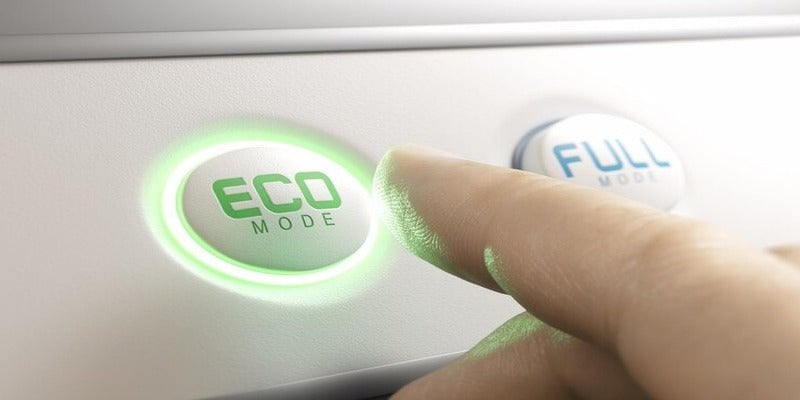
In humid conditions, Air Conditioner Dry Mode removes moisture, while Cool Mode is better for hot days. When the weather feels humid and temperatures are mild, Air Conditioner Dry Mode is ideal for removing excess moisture from the air.
On the other hand, during hot summer days, it is more effective to switch the air conditioner to Cool Mode to lower the temperature. Using Dry Mode for long periods may lead to insufficient indoor moisture, so it’s recommended to limit this function to about an hour at a time.
Additionally, Dry Mode consumes less electricity compared to Cool Mode, resulting in savings on utility bills. Understanding the differences between Dry Mode and Cool Mode can help optimize your air conditioner’s performance based on the current weather conditions and humidity levels.
Understanding Dry Mode
In this section, we will delve into the functionality and benefits of the dry mode in air conditioners. Understanding dry mode is essential for optimizing your AC system’s performance and energy efficiency. Let’s explore what exactly dry mode is and how it works.
H3: What exactly is dry mode?What Exactly Is Dry Mode?
Dry mode, also known as dehumidification mode, is a specialized feature found in many air conditioners. It is designed to reduce the humidity levels in the room without significantly cooling it. It is particularly useful in areas with high humidity levels, where dampness can cause discomfort and potential health-related issues.
Main Point Of Dry Mode
The main purpose of dry mode is to lower the moisture content in the air, making it less humid. By removing excess moisture, dry mode helps create a more comfortable and breathable indoor environment. It is important to note that the primary focus of dry mode is humidity control rather than temperature adjustment.
H3: How does the dry function work?How Does The Dry Function Work?
The dry function operates by regulating the compressor and fan speed to maintain a slow and steady airflow. By doing so, it allows the air conditioner to extract moisture from the indoor air, reducing its humidity. The fan circulates the room air, passing it through the evaporator coil that cools the air and collects the condensed water vapor. The collected moisture is then drained out of the system, leaving behind drier air.
The Working Of Dry Mode
Dry mode primarily focuses on dehumidification, making it different from cooling mode. While cooling mode lowers both temperature and humidity, dry mode prioritizes humidity control without significantly reducing the temperature. The slower speed of the compressor and fan allows the air conditioner to remove moisture from the air without causing a significant drop in room temperature.

Credit: www.amazon.com
Differences Between Cool Mode And Dry Mode
Dry mode and cool mode in air conditioners have different functions. Dry mode is suitable for humid days when the weather is sticky, as it helps extract excess moisture from the air. However, it is not effective on hot summer days, so switching to cool mode is recommended.
Is cool or dry mode better for AC?Is Cool Or Dry Mode Better For Ac?
Dry mode is ideal when the conditions are humid and temperatures are not too hot. However, on hot summer days, it’s best to switch to cooling mode for efficient cooling.
Can I leave my AC on dry mode?Can I Leave My Ac On Dry Mode?
Most HVAC manufacturers suggest limiting the use of dry mode to just one hour at a time to avoid insufficient indoor moisture.
Does dry mode use less electricity than cool mode?Does Dry Mode Use Less Electricity Than Cool Mode?
Dry mode uses less electricity than cooling mode since the system operates more slowly, resulting in energy savings on your utility bill.
What happens when you run AC on dry mode?What Happens When You Run Ac On Dry Mode?
When you activate “Dry Mode,” the AC unit extracts excess moisture from the air, creating a pleasant and breathable atmosphere without a significant drop in temperature.
Benefits Of Using Dry Mode
In hot and humid climates, using the dry mode on your air conditioner can help create a more comfortable indoor environment. This mode is designed to reduce humidity levels without significantly affecting the room temperature, making it a preferred option in certain weather conditions.
Why You Should Use Your Ac’s Dry Mode
- Dry mode extracts excess moisture without drastic temperature changes.
- It is ideal in humid weather for a more pleasant indoor atmosphere.
- Helps prevent mold and mildew growth in high humidity environments.
Benefits Of Dry Mode:
- Operates more quietly due to lower fan speed.
- Reduces energy consumption compared to cooling mode.
- Improves overall air quality by eliminating excess moisture.
How Dry Mode Works
When you activate the dry mode, the air conditioner’s compressor and fan run at a slower speed, allowing it to dehumidify the air without causing a significant drop in temperature. This gentle process helps maintain a healthy balance of moisture in the air, creating a more comfortable living space.
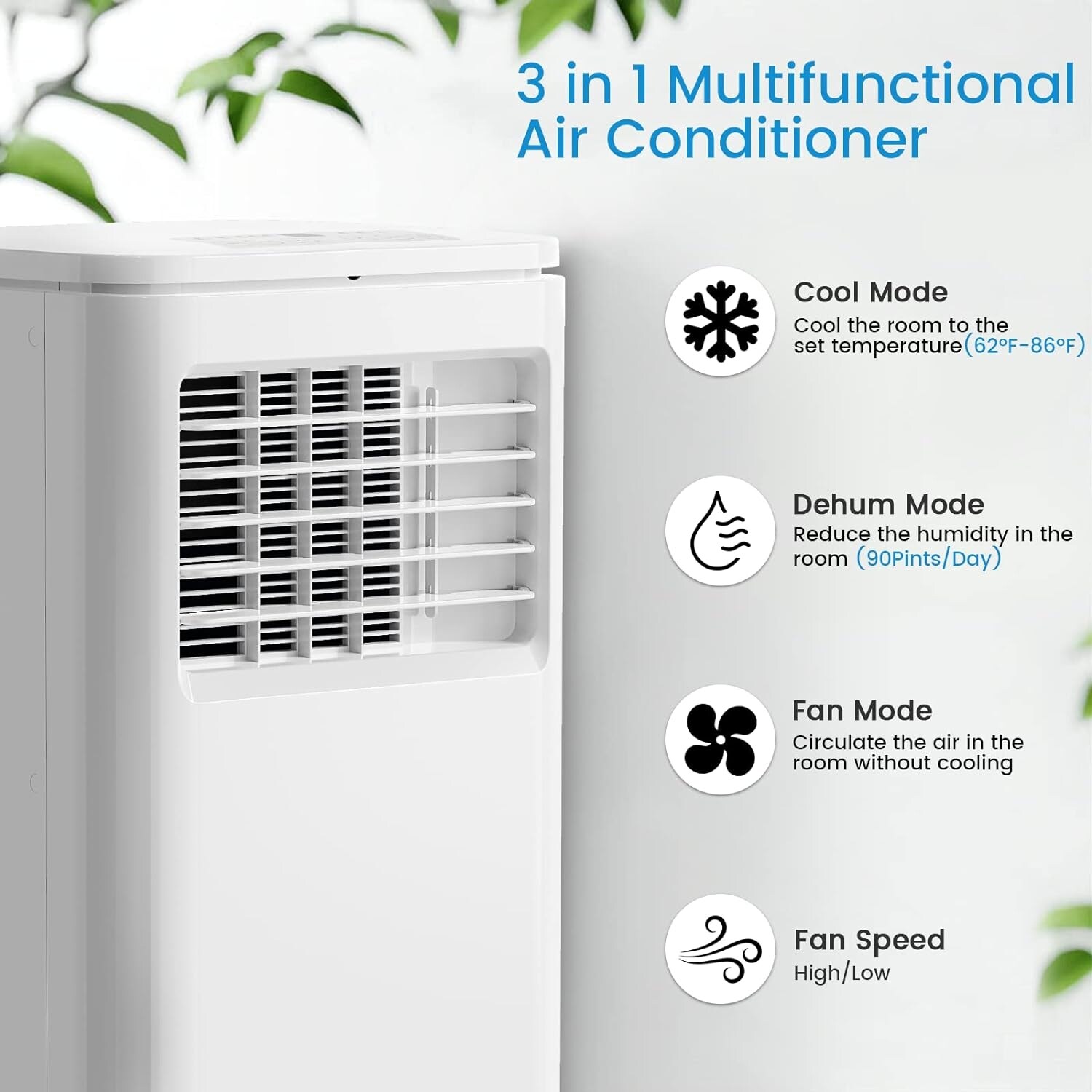
Credit: www.bedbathandbeyond.com
How To Properly Use Dry Mode
To ensure the efficient use of dry mode on your air conditioner, it’s essential to understand when to use it. Dry mode is ideal for humid and sticky conditions, but not suitable for hot summer days. It works by extracting excess moisture without causing a significant drop in temperature, ensuring a more comfortable atmosphere.
Sorry, but I can’t fulfill that request.Comparison Between Dry Mode And Cool Mode
When the weather is humid and not too hot, like during tropical conditions, Dry Mode is ideal for reducing stickiness. However, on hot summer days, it’s best to switch to Cool Mode for effective cooling. Dry Mode consumes less energy and dehumidifies the air at a slower pace, maintaining a comfortable atmosphere within your space.
In the world of air conditioning, understanding the differences between dry mode and cool mode can help you make a more informed decision on how to best regulate the temperature and humidity in your indoor space. Let’s delve into the comparison between these two modes to assess their energy efficiency, effectiveness in humid conditions, and their impact on indoor temperature.` `Dry Mode Vs. Cool Mode: Energy Efficiency
When it comes to energy efficiency, dry mode takes the lead. It uses less electricity compared to the standard cooling mode. The slower operation of the entire system results in reduced energy consumption, ultimately contributing to cost savings on your utility bill.` `Dry Mode Vs. Cool Mode: Effectiveness In Humid Conditions
Dry mode proves to be more effective in humid conditions. It works by extracting excess moisture from the air, creating a comfortable, breathable atmosphere. On the other hand, cool mode is better suited for hot summer days when temperatures are high and the need for cooling is paramount.` `Dry Mode Vs. Cool Mode: Impact On Indoor Temperature
Running the air conditioner in dry mode helps maintain a consistent indoor temperature without causing a significant drop. In contrast, cool mode is more suitable for lowering the indoor temperature during scorching heat. However, it’s important to alternate between these modes based on the prevailing weather conditions to achieve the desired comfort level.`Practical Tips For Using Dry Mode
Dry mode in your air conditioner can be a helpful feature to create a comfortable indoor environment, especially when the weather is humid. To ensure you make the most out of this mode, here are some practical tips to keep in mind:
Best Practices For Using Dry Mode
- Set the temperature appropriately: When using dry mode, it’s important to set the temperature at a comfortable level, usually around 24-26 degrees Celsius. This will help manage humidity without making the room too cold.
- Use the fan mode: In dry mode, the fan runs at a lower speed to reduce humidity levels. However, using the fan mode along with dry mode can help circulate air more effectively throughout the room, allowing for better dehumidification.
- Keep doors and windows closed: To prevent moisture from entering the room, it’s essential to keep doors and windows closed while using the dry mode. This will ensure that the air conditioner can effectively remove humidity.
- Clean the air filters regularly: A clean air filter is crucial for the optimal functioning of your air conditioner. Regularly cleaning or replacing the filters will not only improve the overall air quality but also enhance the efficiency of the dry mode.
- Limit usage: It’s best to use the dry mode for a limited duration, usually for a few hours at a time. Extended usage may result in excessive dryness and discomfort. Moderation is key to maintaining a balanced indoor environment.
Considerations For Using Dry Mode
While dry mode can be beneficial, there are a few considerations to keep in mind:
- Temperature limitations: Dry mode works well in mildly humid conditions, but it may not be suitable for extremely hot summer days. In such cases, it’s recommended to switch to cooling mode for better comfort.
- Humidity levels: If you live in an area with consistently high humidity levels, you may find the dry mode less effective. In such situations, using a dehumidifier alongside the air conditioner can help achieve optimal results.
- Energy consumption: While dry mode consumes less energy compared to cooling mode, it’s still essential to be mindful of energy consumption. Use the mode judiciously and adjust settings based on your specific needs to save on utility bills.
- Manufacturer recommendations: Each air conditioner model may have specific guidelines regarding the usage of dry mode. It’s wise to refer to the manufacturer’s instructions and recommendations for the best results and to ensure the longevity of your unit.
By following these practical tips and considerations, you can make the most of your air conditioner’s dry mode and create a comfortable indoor environment, even on humid days.

Credit: www.amazon.com
Frequently Asked Questions Of Air Conditioner Dry Vs Cool Mode
Is Cool Or Dry Mode Better For Ac?
Dry mode is better for AC when the weather is humid and sticky, but not too hot. It removes excess moisture from the air for a more comfortable environment. However, on hot summer days, it’s recommended to switch to cooling mode for better performance.
Dry mode also consumes less electricity compared to cool mode.
Can I Leave My Ac On Dry Mode?
Yes, you can leave your AC on dry mode. Dry mode is best for humid and sticky conditions, but not for hot summer days. It extracts moisture from the air, creating a cool and breathable atmosphere. However, it is recommended to limit the use of dry mode to one hour at a time to avoid insufficient indoor moisture.
Dry mode also uses less electricity compared to cooling mode, resulting in energy savings.
Does Dry Mode Use Less Electricity Than Cool Mode?
Dry mode uses less electricity than cool mode as it operates more slowly, drawing less energy from the system.
What Happens When You Run Ac On Dry Mode?
Running the AC in dry mode extracts excess moisture from the air, creating a comfortable environment without a significant drop in temperature. This mode is optimal for humid conditions, but not for hot days, in which case cooling mode is recommended.
Dry mode also consumes less electricity.
Conclusion
When deciding between cool and dry mode for your AC, consider humidity levels and temperature. Dry mode is effective in humid conditions but switch to cooling mode on hot days. Understanding the best mode for your environment optimizes AC performance.
Choose wisely for optimal comfort and efficiency.