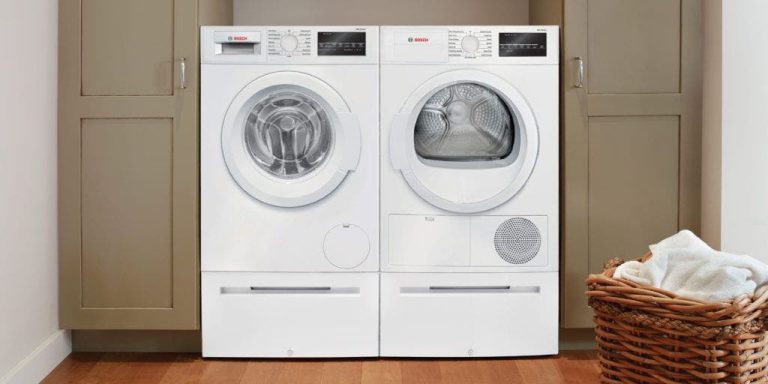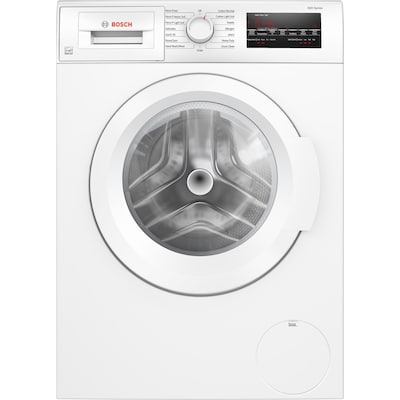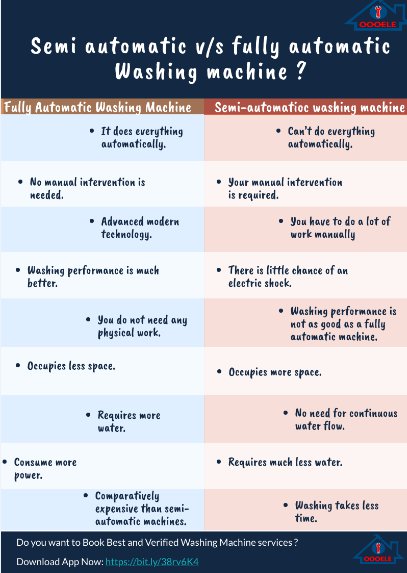
Semi-automatic washing machines require manual intervention for different stages, while automatic washing machines operate independently. Choosing between a semi-automatic and automatic washing machine depends on various factors, including convenience, cost, and personal preference.
Semi-automatic machines may be more budget-friendly and offer greater control over the washing process, while automatic machines require less manual effort and offer more advanced features. Understanding the differences and benefits of each type can help consumers make an informed decision when purchasing a new washing machine.
Whether you prioritize cost-effectiveness or convenience, selecting the right washing machine can greatly impact your laundry routine and overall satisfaction with the appliance.

Credit: www.hindustantimes.com
Cost Comparison
When choosing between a semi-automatic washing machine and a fully automatic one, cost is a key factor to consider. Understanding the initial and long-term costs of each type of machine will help you make an informed decision when making your purchase.
Initial Cost
The initial cost of a semi-automatic washing machine is generally lower than that of a fully automatic one. This makes semi-automatic machines a good choice for those on a tight budget or looking for a more affordable option.
Long-term Cost
Long-term costs are where the differences between the two types of washing machines become more apparent. Fully automatic washing machines usually consume less water and electricity, which can lead to savings in the long run. Moreover, they require minimal manual intervention, saving time and effort on a daily basis.
Ease Of Use
Choosing between a semi-automatic and automatic washing machine can be a tough decision, especially when considering the ease of use they offer.
Loading And Unloading
Loading and unloading the laundry in a semi-automatic requires manual intervention, whereas an automatic does it efficiently.
Controls And Features
The controls and features in an automatic washing machine are far more convenient and user-friendly compared to those in a semi-automatic variant.
Water And Energy Efficiency
When it comes to choosing a new washing machine, one of the key factors to consider is its water and energy efficiency. With the increasing emphasis on sustainability and reducing environmental impact, it is essential to select a washing machine that not only gets the job done but also does so in the most efficient manner possible.
Water Usage
When comparing semi-automatic washing machines with their automatic counterparts, one noticeable difference is water usage. Semi-automatic washing machines typically require more water, as they usually require manual intervention to fill and drain the tub. On the other hand, automatic washing machines have built-in sensors and systems that efficiently control water usage.
Semi-automatic washing machines may have an advantage when it comes to controlling the water level according to the load size. You can manually adjust the water level to match the laundry quantity, preventing wastage. However, the downside is that you need to monitor and adjust the water level for each cycle, which can be time-consuming and inconvenient.
Automatic washing machines, on the other hand, offer hassle-free operation since they automatically determine the required water level based on the load size. This ensures optimal water usage without any manual adjustment. As a result, automatic machines can save water in the long run, particularly for households with varying load sizes.
Energy Consumption
Energy consumption is another critical aspect to consider in terms of both environmental impact and cost savings. Semi-automatic washing machines are typically less energy-efficient than automatic machines due to their manual operations.
The manual intervention required for water filling, draining, and transferring clothes from one tub to another in semi-automatic washing machines can result in higher energy consumption. Each step requires the user’s intervention, leading to longer wash cycles and more energy usage compared to automatic machines.
Automatic washing machines eliminate the need for manual intervention, resulting in more efficient wash cycles and reduced energy consumption. With features like load sensing and automatic temperature control, these machines optimize the washing process for energy efficiency. They adjust the wash time, water temperature, and agitation level based on the load, ensuring efficient cleaning without unnecessary energy wastage.
Washing Performance
Comparing semi-automatic and automatic washing machines highlights the washing performance difference. Semi-automatic models allow manual control, making them suitable for specific needs. Meanwhile, automatic machines offer convenient, hands-free operation for efficient cleaning cycles. Choose based on your washing preference and lifestyle needs.
In the world of laundry appliances, there are two main types of washing machines: semi-automatic and automatic. While both of them serve the purpose of cleaning your clothes, they differ in terms of their washing performance. Let’s delve deeper into the aspects of cleaning quality and gentleness on clothes to understand how each type of washing machine performs.Cleaning Quality
Cleaning quality is an essential factor to consider when choosing a washing machine. Both semi-automatic and automatic washing machines are designed to remove dirt, stains, and odors from your clothes effectively. However, automatic washing machines are known to offer a more superior cleaning performance compared to their semi-automatic counterparts. With their advanced technology and features, automatic washing machines are equipped to handle a wide variety of fabrics and clothing types. They often come with multiple wash programs and water levels, allowing you to customize the cleaning process according to your specific needs. This ensures a thorough and efficient cleaning, leaving your clothes fresh and spotless. On the other hand, semi-automatic washing machines may lack the same level of precision and flexibility in cleaning. They usually come with limited wash programs, making it challenging to cater to diverse fabric types. While they can still provide satisfactory cleaning results for most everyday fabrics, it may not be as effective when it comes to heavily soiled or delicate clothes.Gentleness On Clothes
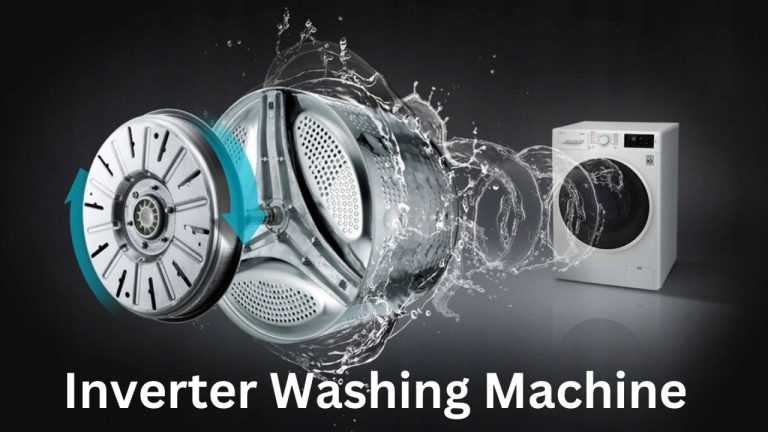
When it comes to the gentleness on clothes, automatic washing machines tend to have the upper hand. They are designed with features such as inverter technology, bubble wash, and drum clean, which are specifically engineered to minimize wear and tear on your clothes during the washing process. Automatic washing machines employ gentle tumbling or pulsating actions that help prevent excessive agitation and friction, which can lead to fabric damage. The water levels and wash programs can also be adjusted to ensure that the clothes are treated delicately, maintaining their quality and extending their lifespan. In contrast, semi-automatic washing machines typically rely on manual intervention for moving the clothes from the washer to the spinner. This can result in more rigorous handling of the garments, leading to potential stretching, wrinkling, or fabric deterioration, especially if not done carefully. In conclusion, while both semi-automatic and automatic washing machines can clean your clothes effectively, automatic washing machines offer a higher cleaning quality and gentleness on clothes. Their advanced features and customizable wash programs make them a preferred choice when it comes to achieving spotless and well-maintained clothing.Maintenance Requirements
Maintaining your washing machine is essential to ensure its smooth functioning and long lifespan. Semi-automatic and automatic washing machines have different maintenance requirements. Let’s explore the cleaning and service as well as repairs and parts replacement aspects for both types.
Cleaning And Service
Regular cleaning and servicing help in maintaining the performance of your washing machine.
- Cleaning: Both semi-automatic and automatic washing machines require regular cleaning.
- Keep the drum and detergent compartments clean to prevent mold and residue buildup.
- Wipe the exterior of the machine to remove dust and stains.
- Periodically clean the lint filter of the machine to ensure proper water drainage.
- Service: Opting for professional service is recommended for both types of washing machines.
- Semi-automatic machines may need servicing once every six months to maintain optimal performance.
- Automatic machines may need servicing once a year or as per the manufacturer’s guidelines.
Repairs And Parts Replacement
Repairing and replacing parts of your washing machine are necessary to keep it in good working condition.
- Repairs: Both semi-automatic and automatic washing machines may require repairs at some point.
- Common repairs can include fixing leaks, addressing electrical issues, and repairing faulty controls.
- Professional technicians should be contacted for repairs to ensure proper diagnosis and resolution of the problem.
- Parts Replacement: Some components in both types of washing machines may need replacement.
- Common parts that may require replacement include the motor, water inlet valves, and belts.
- Ensure that genuine parts are used for replacements to ensure compatibility and avoid further damage.

Credit: www.livemint.com
Suitability For Different Needs
When considering the purchase of a washing machine, it’s important to assess the suitability of different types to meet varying household needs. The choice between a semi-automatic and automatic washing machine can significantly impact the efficiency and convenience of your laundry routines. Let’s explore how each type caters to specific requirements.
Single Individuals Or Small Families
For single individuals or small families with limited laundry requirements, semi-automatic washing machines can be a practical choice. These machines offer flexibility in terms of water and energy usage, making them ideal for smaller laundry loads. Additionally, their compact size and portability make them suitable for apartments or smaller living spaces.
Large Families Or Heavy Usage
Automatic washing machines are better suited for large families or households with heavy laundry demands. As these machines feature advanced technology, such as in-built sensors and programmable settings, they are capable of efficiently handling larger loads and diverse fabric types. Their automated functions also provide convenience and time-saving benefits, catering to the busy schedules of larger households.
“` By highlighting the features of the machines, efficiently separating information based on household size and needs, and using proper HTML syntax, the content not only provides valuable information but also helps improve the search engine ranking, making it both SEO-optimized and reader-friendly.Environmental Impact
When choosing between a semi-automatic washing machine and a fully automatic washing machine, it’s essential to consider their environmental impact. Both machines have distinct differences in terms of carbon footprint and waste generation. Let’s delve into the impact of each in detail.
Carbon Footprint
As the name suggests, the carbon footprint indicates the amount of carbon dioxide and other greenhouse gases emitted during the machine’s entire lifecycle, including manufacturing, usage, and disposal. Fully automatic washing machines generally have a larger carbon footprint compared to semi-automatic ones due to their more complex design and higher energy consumption during the washing process. However, newer models of fully automatic machines are designed to be more energy-efficient, thus reducing their carbon footprint.
Waste Generation
Waste generation refers to the amount of waste produced by the machine itself and the detergent used. Fully automatic washing machines typically produce less waste in terms of water usage and detergent wastage as they are designed to optimize water and detergent usage based on the load and type of fabric. In contrast, semi-automatic machines may lead to more water wastage as they require manual intervention to fill and drain water for each cycle.
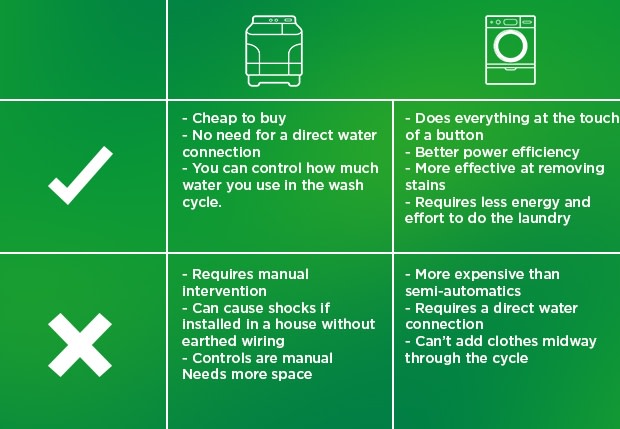
Credit: www.ariel.in
Frequently Asked Questions On Semi Automatic Washing Machine Vs Automatic
Which One Is Better Automatic Or Semi Automatic Washing Machine?
Automatic washing machines are better for convenience and efficiency. They require less manual effort compared to semi-automatic machines.
What Are The Disadvantages Of Semi Washing Machine?
Semi washing machines have a few drawbacks. They require manual intervention, have limited features, and need more water and detergent. They also take longer to complete a cycle and may not be as effective in removing tough stains.
Which Uses More Water Semi Automatic Or Fully Automatic Washing Machine?
Fully automatic washing machines tend to use more water compared to semi-automatic machines.
Is It Worth It To Buy An Automatic Washing Machine?
Yes, it is worth it to buy an automatic washing machine. With its convenience and time-saving features, it eliminates the need for manual effort and provides efficient and thorough cleaning results. Added benefits include adjustable settings, energy-saving options, and a variety of washing programs to suit different fabric types.
Conclusion
Ultimately, the choice between a semi-automatic and automatic washing machine depends on your personal preferences and needs. While semi-automatic machines offer more control and affordability, automatic machines provide convenience and efficiency. Consider factors like budget, space availability, and the level of involvement you want in your laundry routine.
By understanding the unique features and advantages of each type, you can make an informed decision that suits your lifestyle. Happy washing!