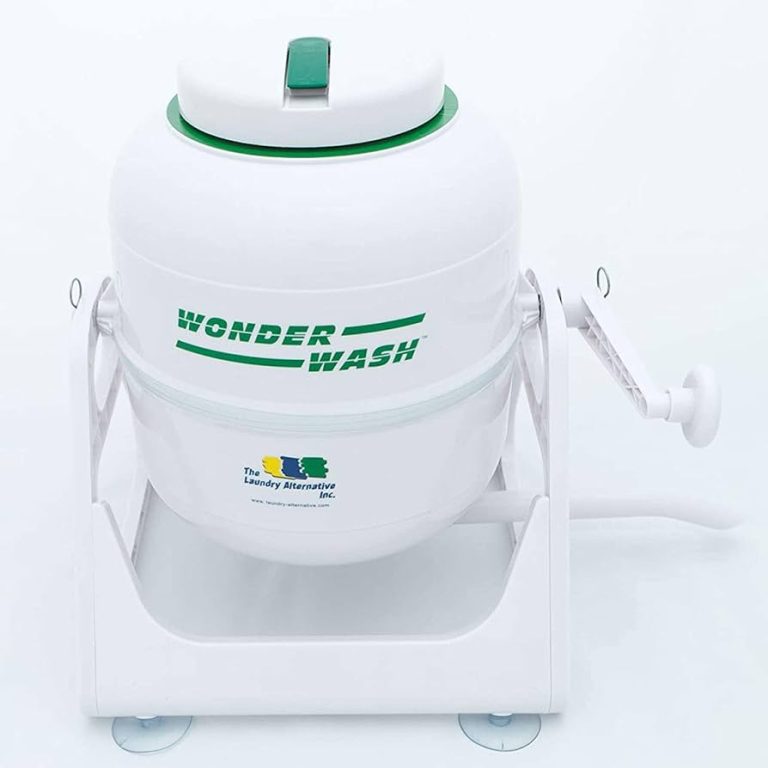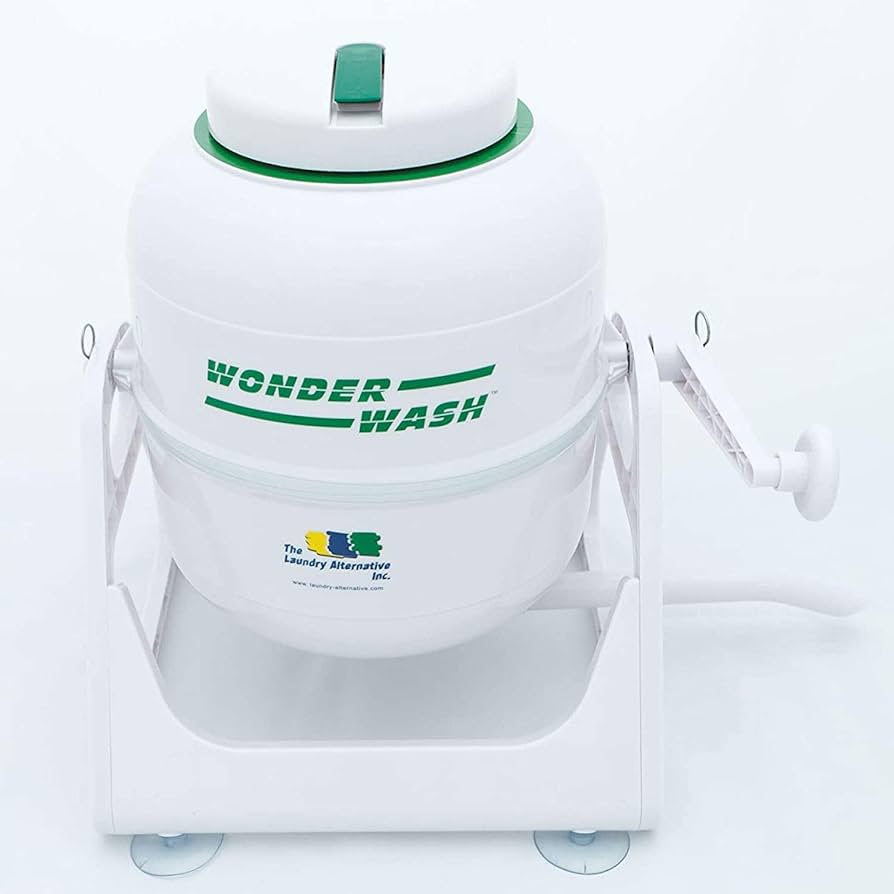
A non-electric washing machine is a manual device used for washing clothes without electricity. It provides a sustainable, eco-friendly solution for those without access to electricity or for off-grid living.
Designed to be portable and easy to use, it uses a hand crank or foot pedal to agitate the clothes in water and detergent, effectively removing dirt and grime. This type of washing machine is often used in areas where electricity is unreliable or unavailable, such as remote locations, campsites, or during emergencies.
With its simple yet efficient mechanism, a non-electric washing machine offers a practical alternative for those seeking a low-tech, energy-saving way to clean their clothes.
Credit: shop.buildwithrise.ca
The Concept Of Non-electric Washing Machines
Non-electric washing machines offer a sustainable way to clean clothes without relying on electricity. Embracing the concept of non-electric washing machines can lead to reduced energy consumption and a more eco-friendly laundry routine.
Basic Mechanics
Non-electric washing machines operate on simple yet effective mechanical principles. These manual machines require human power to agitate and rinse the clothes, mimicking the traditional hand-washing process. The clothes are soaked, scrubbed, and rinsed using a lever or hand-cranking mechanism.
Types Of Non-electric Washing Machines
- Hand-cranked washers
- Plunger washers
- Portable washing machines
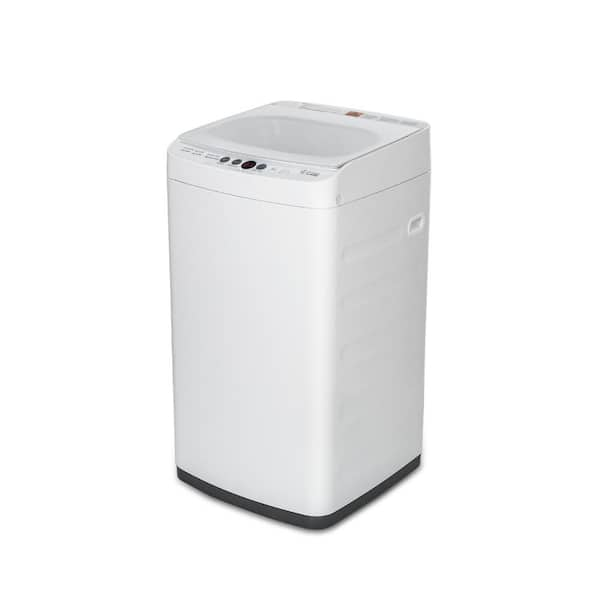
Hand-cranked washers feature a handle that users turn to agitate the clothes inside the tub. Plunger washers involve pressing and pulling a plunger-like device to create agitation. Portable washing machines are compact units that can be operated manually without the need for electricity.
Credit: www.homedepot.com
Advantages Over Traditional Washing Machines
Non-electric washing machines offer several advantages over traditional washing machines. Apart from being environmentally friendly, they are also cost-effective and provide greater portability. Let’s delve into each of these advantages in detail:
Environmentally Friendly
Non-electric washing machines are a great option for those who want to reduce their carbon footprint. These machines operate without electricity, which means they consume zero energy during the washing process. Traditional washing machines, on the other hand, require a significant amount of electricity to function. By choosing a non-electric alternative, you can contribute to the preservation of the environment and lower your energy consumption.
Cost-effective
When it comes to cost, non-electric washing machines are a smart choice. Traditional washing machines not only require a significant initial investment, but they also increase your utility bills due to their heavy reliance on electricity. Non-electric washing machines eliminate these expenses, offering a one-time affordable purchase cost that saves you money in the long run. By reducing your energy consumption, you can also expect a noticeable reduction in your monthly utility bills, helping you save even more money.
Greater Portability
Non-electric washing machines are known for their enhanced portability. Traditional washing machines can be bulky and require a dedicated space in your home. In contrast, non-electric alternatives are lightweight, compact, and easy to move around. Whether you live in a small apartment, an RV, or enjoy outdoor adventures, a non-electric washing machine allows you to do your laundry conveniently wherever you go. You can even take it camping or on a road trip, ensuring you always have clean clothes without the hassle of finding a laundromat.
How Non-electric Washing Machines Work
Non-electric washing machines offer a sustainable and eco-friendly solution for getting your laundry clean without relying on electricity. These manual washing machines are efficient, easy to use, and ideal for off-grid living, camping trips, or as a backup for power outages. Understanding how non-electric washing machines work can help you appreciate their functionality and benefits.
Manual Operation
Non-electric washing machines operate using a manual hand-crank or foot pedal mechanism. This manual operation eliminates the need for electricity, making them perfect for remote areas or as a reliable backup in emergency situations. The user’s physical effort powers the agitator within the washing machine, creating the necessary agitation to clean the clothes.
Innovative Features
Despite their simplicity, non-electric washing machines are equipped with innovative features that enhance their performance. These may include built-in drainage systems, durable construction, and multi-functional designs that allow for both washing and spinning. Additionally, these machines often have compact designs, making them portable and suitable for small living spaces.

Credit: www.amazon.ae
Comparison With Electric Washing Machines
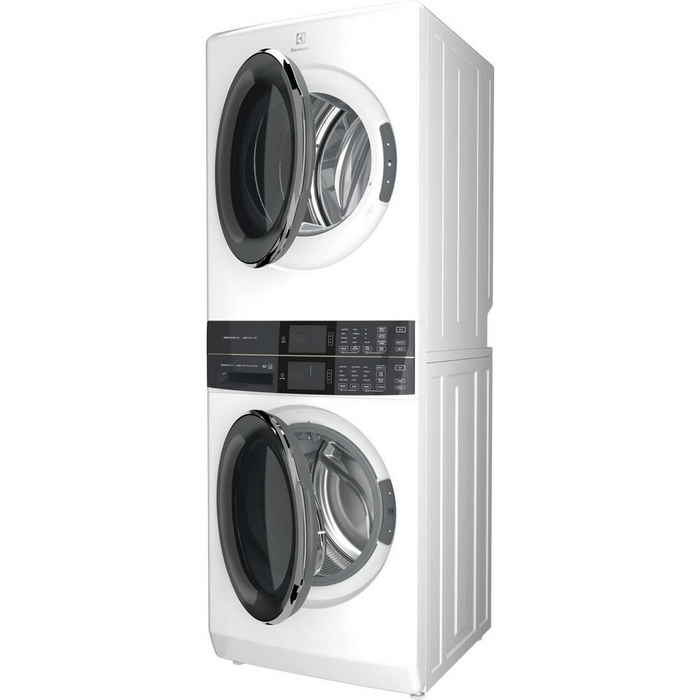
When comparing non-electric washing machines to their electric counterparts, there are several key factors to consider. These factors include energy consumption, durability, and ease of maintenance. Understanding these diverging features can help you make an informed decision about the best washing machine for your needs.
Energy Consumption
Non-electric washing machines have an inherent advantage in terms of energy consumption. As they do not rely on electricity, they are considerably more environmentally friendly and can help reduce your electricity bills. On the other hand, electric washing machines consume a significant amount of energy during each cycle, contributing to higher utility costs.
Durability
Non-electric washing machines are typically designed to be more durable than electric models. Their simple construction and lack of complex electronic components often result in a longer lifespan. Additionally, non-electric washing machines are less prone to malfunctions and breakdowns, providing greater longevity compared to their electric counterparts.
Ease Of Maintenance
When it comes to maintenance, non-electric washing machines have a clear advantage. Due to their straightforward design, they require minimal maintenance and are easier to repair. Conversely, electric washing machines necessitate more frequent servicing and are susceptible to electrical component failures, leading to higher maintenance costs.
Impact On Off-grid Communities
Non-electric washing machines have made a significant impact on off-grid communities, revolutionizing the way people in these areas access clean clothes. This innovative solution not only provides improved access to hygiene but also empowers women in these communities. Let’s explore the specific benefits in detail:
Improved Access To Clean Clothes
Non-electric washing machines offer a practical and sustainable solution for off-grid communities to maintain clean clothes in areas without reliable access to electricity. With these machines, individuals can easily wash their clothes, ensuring cleanliness and reducing the risk of infections and diseases caused by unhygienic practices.
Using a non-electric washing machine requires minimal resources, such as water and detergent. Its design allows for efficient use of water, making it suitable for communities facing water scarcity. The simplicity of operation ensures that individuals of all ages can easily learn to use the machine, promoting self-sufficiency within the community.
Empowerment Of Women
One of the most significant impacts of non-electric washing machines is the empowerment of women in off-grid communities. Traditionally, women are responsible for household chores, including laundry. However, the lack of access to electricity and modern appliances often places an enormous burden on them, consuming significant time and effort.
Non-electric washing machines alleviate this burden by providing a labor-saving alternative. Women can now spend less time on manual washing and focus on other productive activities that contribute to their personal growth and the development of their community. This empowerment enables women to pursue education, engage in income-generating activities, and promote gender equality.
Furthermore, the ability to wash clothes efficiently and hygienically improves the overall well-being of the entire community. Clean clothes contribute to increased self-esteem, improved social integration, and better health outcomes.
Enhancing Off-grid Living
By incorporating non-electric washing machines into off-grid communities, residents can overcome the limitations of living without access to electricity. They can maintain an optimal level of hygiene without relying on urban infrastructure, making their way of life more sustainable.
These machines not only reduce the ecological impact but also foster a sense of independence and resilience within off-grid communities. The reliance on electricity from the grid decreases as individuals adopt more sustainable and self-sufficient methods of washing clothes. This enhances their ability to thrive in remote areas and maintain their unique cultural identities.
Future Of Non-electric Washing Machines
In recent years, non-electric washing machines have been gaining popularity as individuals and families seek sustainable and eco-friendly alternatives to traditional electric models.
Technological Advancements
Advancements in non-electric washing machines have led to more efficient and versatile designs that require minimal manual effort.
Market Trends
The market for non-electric washing machines is experiencing significant growth as consumers prioritize sustainability and off-grid living.
Frequently Asked Questions Of Non-electric Washing Machine
Are There Non Electric Washing Machines?
Yes, there are non-electric washing machines that operate manually, perfect for off-grid living or as backup options.
How Can I Wash My Clothes Without Electricity?
Washing clothes without electricity can be done by hand using a bucket or sink. Fill it with water, add soap, and agitate the clothes for a thorough clean. Rinse well and wring out excess water. Hang them up to air dry.
Do Washing Machines Work Without Power?
No, washing machines need electricity to function; they cannot work without power supply.
Is There A Washer And Dryer That Doesn’t Need Hookups?
Yes, there are portable washers and dryers that don’t require traditional hookups. These units use a sink or bucket for water drainage, and can be easily connected to a standard electrical outlet.
Conclusion
The non-electric washing machine offers a practical and eco-friendly solution for those looking to reduce their environmental impact and minimize energy consumption. Its simplicity, effectiveness, and cost-effectiveness make it a valuable addition to any household. By embracing this innovative technology, we can make a positive difference to the environment and our overall well-being.