A damaged heating element is likely responsible for a GE oven not maintaining its temperature. If the heat still comes on but loses heat, it could indicate an incomplete or loose connection.
Troubleshooting and replacing the heating element is fairly simple to do. GE oven owners may experience a common and frustrating problem where their oven will not maintain its temperature during cooking. This can result in food that is either over or undercooked and may be caused by several factors.
We will discuss some reasons why a GE oven may not maintain its temperature and offer advice on how to troubleshoot and fix the problem. We will also examine the benefits of hiring a professional appliance repair service to ensure your oven continues to operate at optimal levels.
Credit: www.whirlpool.com
Common Causes Of Ge Oven Not Maintaining Temperature
A damaged heating element is a common cause of GE oven not maintaining temperature. The heat may come on, but the connection might be incomplete or loose, leading to heat loss. Troubleshooting and replacing the heating element can help restore oven temperature maintenance.
Common Causes of GE Oven Not Maintaining Temperature If you have been experiencing issues with your GE oven not maintaining its temperature, you are not alone. A faulty oven can be frustrating and could potentially ruin your cooking or baking experience. But before you call in the professionals, it’s helpful to understand the common causes of GE oven not maintaining temperature. Damaged Heating Element One of the most common causes of GE oven not maintaining its temperature is a damaged heating element. The heating element is responsible for producing heat in the oven and maintaining the temperature you set. If the element is not working correctly, it may produce heat, but it won’t be enough to keep the oven at the desired temperature. The connection could be loose, or the element may be damaged and require replacement. Luckily, a damaged heating element can be easily removed and replaced, and your oven should be back in working order. Inaccurate Thermostat Another reason your GE oven may not be maintaining its temperature is due to inaccurate thermostat readings. Over time, the thermostat can wear down, become less accurate or expose to high temperatures, and may not read the temperature correctly. This can cause the oven to cycle on and off more frequently than it should, causing the temperature to fluctuate. Replacing the thermostat is not a DIY job, and it is recommended to call in a professional to handle it. Malfunctioning Bake Element If your food is cooking unevenly, or your oven doesn’t seem to hold temperature, it could be a sign that your bake element is malfunctioning. It’s essential to preheat the oven and observe the heating elements to determine if your bake element is functioning correctly. There should be one on the top and one on the bottom. If either element is not heating, it indicates a malfunctioning bake element which needs a replacement. In conclusion, a GE oven not maintaining its temperature can be frustrating, but understanding the common causes can help you determine the best course of action. A damaged heating element, inaccurate thermostat, or a malfunctioning bake element can all cause issues with oven temperature. By knowing what to look for, you can quickly troubleshoot and solve the problem. However, for thermostat issues or bake element malfunctioning, it’s highly advised to call a professional to fix it.Signs Of Ge Oven Not Maintaining Temperature
If your GE oven is not maintaining its temperature, it may be due to a damaged heating element, loose connections, or a faulty thermostat. Your food may cook unevenly, and the oven may cycle on and off more frequently than it should, which can cause the temperature to fluctuate.
Troubleshooting and replacing these components can help you rectify the problem.
Are you having trouble with your GE oven maintaining its temperature? This can lead to undercooked or overcooked meals, causing frustration and inconvenience in the kitchen. Don’t worry, you’re not alone in this. However, it’s important to identify the signs of a GE oven not maintaining temperature, such as food cooking unevenly, oven not heating up or temperature fluctuations. Let’s take a closer look at each of these signs and how to address them.Food Cooking Unevenly
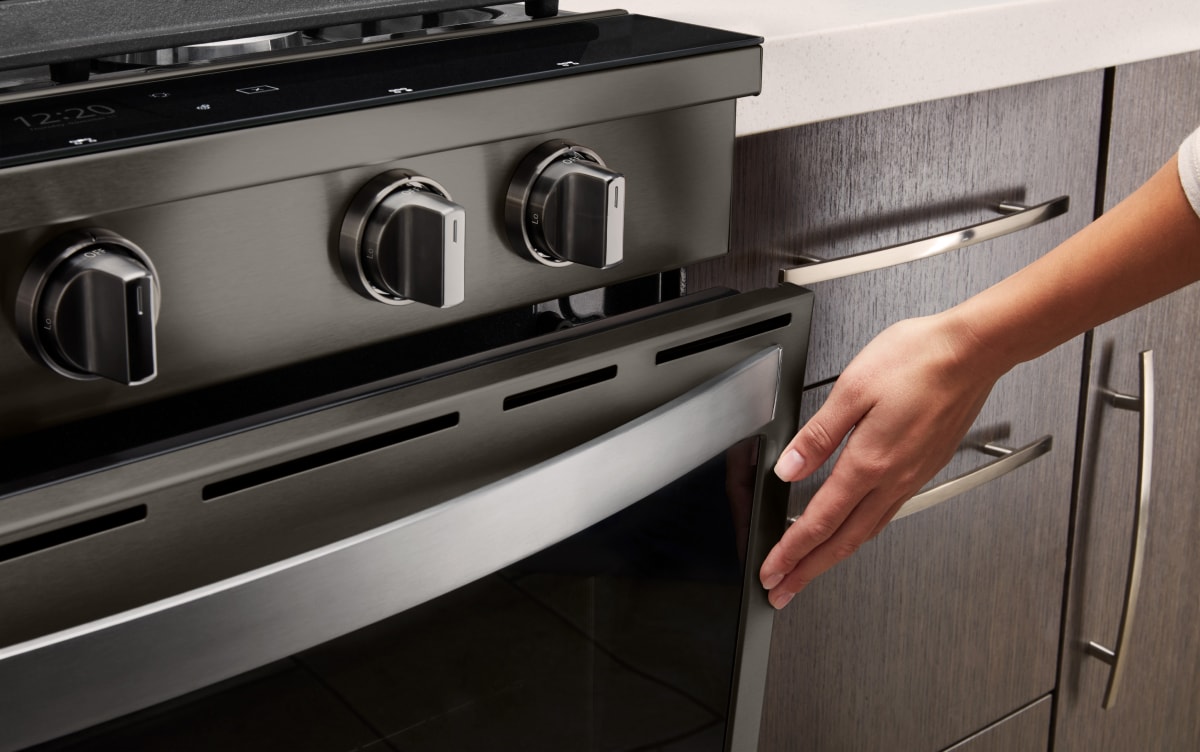
One of the clearest signs of a GE oven not maintaining temperature is when your food cooks unevenly. This means that one end of your dish may be overcooked while the other end is undercooked. A possible reason could be that the heating element is faulty. To check if this is the problem, preheat your oven and observe the heating elements – there should be one on the top and one on the bottom. If either of these elements appears damaged, you may need a professional technician to replace them for you.Oven Not Heating Up
Another common sign of a GE oven not maintaining temperature is when it fails to heat up at all. If this is the case, first ensure that your oven is plugged in and the circuit breaker is working. If both of these are in good condition, then you may need to replace the heating element. Alternatively, the thermostat could be malfunctioning, therefore affecting the temperature regulation in the oven.Temperature Fluctuations
Lastly, temperature fluctuations are another indication that your GE oven is not maintaining temperature as it should. If you notice that the temperature is changing abnormally during baking, it’s likely that the thermostat is not reading the temperature correctly. This can cause the oven to cycle on and off more often than it should, which results in the temperature fluctuating. If you are experiencing this problem, you can try calibrating your oven’s temperature using the Plus/Minus and Up/Down Keypad or consider calling a professional for assistance. In conclusion, a GE oven not maintaining temperature can be frustrating, but it’s important to identify the signs and address the issue as soon as possible. Whether it’s the heating element, thermostat or another issue, getting the right solution will ensure that your oven is functioning as it should be, allowing you to have confidence in your meals whenever you cook.Solutions For Ge Oven Not Maintaining Temperature
If your GE oven is not maintaining temperature, it could be due to a faulty heating element or inaccurate thermostat readings. You can troubleshoot the issue by observing the heating elements, checking the thermostat, and considering a replacement of the heating element if necessary.
Consider contacting a professional appliance repair service for assistance.
Solutions for GE Oven Not Maintaining Temperature If you are struggling with your GE oven not maintaining the temperature, you know how frustrating it can be. Luckily, there are some solutions to get your oven working properly again. In this post, we will discuss the top three solutions, including:Replace Heating Element
A damaged heating element is one of the most common causes of an oven not maintaining temperature. If the heat is still coming on, it is a sign that the element is working but losing heat if the connection is loose or incomplete. Replacing the heating element is an easy and straightforward solution to this problem. If you are not sure how to replace the heating element, consider contacting an expert for assistance.Calibrate Thermostat
Over time, the oven’s temperature reading can become less accurate due to wear and tear or exposure to high temperatures. If the thermostat is not reading the temperature correctly, the oven may cycle on and off more frequently than it should, causing the temperature to fluctuate. Calibration is a solution that ensures your oven thermostat is working correctly. The procedure for calibrating the oven thermostat varies depending on the model. So, check the user manual for specific instructions or consult a professional.Check Bake Element
If your food is cooking unevenly, or the oven does not hold temperature, it could be a sign that your bake element is not working correctly. To check whether your bake element is functioning, preheat the oven and observe the heating elements. Note that there should be one at the top and one at the oven’s bottom. If the bake element is not heating up, it is time to replace it. Once again, if you are not comfortable doing it yourself, consider contacting an expert. In conclusion, if your GE oven is not maintaining temperature, you don’t have to panic or stress yourself. You could explore any of the solutions suggested above, and your oven will be back to working correctly in no time.How To Troubleshoot Ge Oven Temperature Issues
If your GE oven is not maintaining its temperature, the heating element may be damaged or loose. A faulty thermostat can also cause temperature fluctuations. To troubleshoot, check the heating element connection and replace it if necessary, as well as recalibrate the thermostat if needed.
How to Troubleshoot GE Oven Temperature Issues Are you facing issues with your GE oven maintaining a consistent temperature? Temperature fluctuation in an oven can interfere with your recipe and lead to undercooked or overcooked dishes. There could be several reasons why your oven is not functioning correctly, making it crucial to identify the problem first. In this blog post, we’ll discuss how you can troubleshoot GE oven temperature issues. Check Oven Preheating Time One of the primary reasons why your GE oven may not be maintaining temperature is because it hasn’t been preheated long enough. Be patient and wait for at least 15-20 minutes after the preheat indicator alerts you before putting your food into the oven. This waiting period allows the oven to reach the set temperature at a consistent rate. Observe Heating Elements A faulty heating element can cause significant temperature problems in your oven. To identify faulty elements, you can visually inspect them to see if any visible damage is present. Turn on your oven and observe the heating elements to see if they are glowing red. If any of the elements are not glowing or require more time to do so, it could be an indication that they are not functioning correctly. Test Temperature with Thermometer Using a thermometer is an effective way to verify whether your oven is maintaining temperature. Preheat your oven to 350°F and place a thermometer on the center rack. After 20-30 minutes, check the thermometer and compare its reading to the set temperature. If there is a significant difference of more than 25°F-30°F, you may need to recalibrate your oven’s thermostat. Recalibrating your oven’s thermostat is relatively easy. First, refer to your product manual to ensure you are following the correct instructions for your particular oven model. Then, access the thermostat calibration settings using the control panel’s Plus/Minus and Up/Down keypad. Use the keypad to adjust the temperature by small increments and test the temperature again using a thermometer. Continue this process until the oven maintains temperature within 10°F of the set temperature. In conclusion, identifying the cause of GE oven temperature issues can be simple if you know what to look for. By observing the preheating time, inspecting the heating elements, and using a thermometer to test the temperature, you can quickly detect and resolve issues with your GE oven’s temperature maintenance. Now it’s time to bake your favorite dish with confidence, knowing that your GE oven will deliver consistent results.Steps To Calibrate Ge Oven Temperature
If your GE oven is not maintaining its temperature, it could be due to a faulty heating element. Check the connection to ensure it is secure, or simply remove and replace the element. You can also calibrate the oven temperature using the keypad to ensure it is heating at the desired temperature.
Steps to Calibrate GE Oven Temperature Is your GE oven not maintaining its temperature? Are you struggling to bake your favorite dishes to perfection because of this issue? Don’t worry, we’ve got you covered. In this post, we’ll guide you through the steps to calibrate your GE oven temperature so that you can enjoy perfectly baked goods every time. H3: Preheat Oven The first step is to preheat your oven to 350 degrees Fahrenheit. This temperature will be used as a benchmark to calibrate your oven’s temperature. Once the oven is preheated, use an oven thermometer to check the current temperature. H3: Adjust Thermostat Next, adjust the temperature of your oven’s thermostat. You can do this using the Plus/Minus and Up/Down keypad on your oven’s control panel. Increase or decrease the temperature by 5 degrees at a time until the oven thermometer shows that the temperature has been adjusted to 350 degrees Fahrenheit. H3: Test with Thermometer Now that you have adjusted the thermostat, it’s time to test if your oven is maintaining the desired temperature. Leave the oven on for 15 minutes and then check the temperature with the oven thermometer again. If the temperature has maintained at 350 degrees Fahrenheit, then your oven is now calibrated. In case your oven is still not maintaining temperature, you might need to replace the heating element or the thermostat. It’s recommended to call in a professional service to avoid any potential risks. In conclusion, by following these steps, you can easily calibrate the temperature of your GE oven. Once your oven is calibrated, you’ll be able to bake your dishes to perfection every time.
Credit: flamingoappliance.com
When To Seek Professional Help For Ge Oven Temperature Issues
Experiencing GE oven temperature issues can be frustrating, especially when the oven fails to maintain temperature. One of the common reasons for this problem is a damaged heating element. If you are unable to fix the issue on your own, it is recommended to seek professional help from licensed technicians for quick resolution.
When to Seek Professional Help for GE Oven Temperature Issues Keeping your GE oven at a consistent temperature is crucial to ensure your delicious meals are cooked to perfection. However, if you notice that your oven is not maintaining its temperature, it may indicate an issue that requires professional help. In this article, we discuss when to seek professional help for GE oven temperature issues, highlighting key signs that require the attention of an expert. H3: Multiple Failed DIY Attempts Attempting DIY repairs on your GE oven may seem like a great cost-saving idea, but sometimes, it can do more harm than good. Inexperienced, DIY repairs on your appliance can further escalate the problem and damage other parts of your oven. If you’ve attempted to fix your GE oven temperature issues without success, it’s time to seek the help of a professional. H3: Visible Damage to Oven Parts Over time, wear and tear may cause damage to your GE oven parts, leading to temperature maintenance problems. Visibly damaged parts can affect the operation and performance of your oven. Examples of damaged parts that can affect your oven’s temperature include faulty heating elements and malfunctioning thermostats. When you notice visible damage to your oven parts, seek professional help immediately. H3: Warranty Coverage In some cases, warranty coverage may take care of your GE oven temperature issues. If you own a GE appliance within the warranty period, seeking professional help may save you from incurring repair costs. Review the terms and conditions of your GE oven warranty, and consult with a professional to assess if the issue is covered. In conclusion, when your GE oven is not maintaining its temperature, it’s essential to seek help from a professional as soon as possible. DIY repairs may seem like a cost-saving idea, but they can cause more harm and escalate the damage to other parts. Professional help can help diagnose and address the problem promptly, ensuring your oven operates efficiently and extends its lifespan.Preventing Ge Oven Temperature Issues
If your GE oven is not maintaining temperature, it may be due to a damaged heating element. The heat may still come on, but the connection may be incomplete or loose, causing it to lose heat. You can remove and replace the heating element easily to resolve the issue.
Preventing GE Oven Temperature Issues If you’re experiencing temperature issues with your GE oven, it can be a frustrating experience. However, there are a few things you can do to prevent these issues from occurring in the first place. In this post, we’ll discuss some tips to help you prevent GE oven temperature issues and keep your oven working properly. Regular Cleaning and Maintenance One of the most important things you can do to prevent GE oven temperature issues is to perform regular cleaning and maintenance. Over time, grease and food buildup can accumulate in your oven, which can cause it to work less efficiently. Regular cleaning can help prevent these issues and keep your oven running smoothly. To clean your oven, remove any racks and soak them in warm, soapy water. Wipe down the inside of your oven with a damp cloth or sponge, making sure to remove any debris. For tough, baked-on stains, you may need to use an oven cleaner. However, be sure to follow the manufacturer’s instructions and use the cleaner in a well-ventilated area. Avoiding Overuse of Oven Another way to prevent GE oven temperature issues is to avoid overusing your oven. Constant use of your oven can cause it to wear out quicker, which can lead to temperature issues. Try to limit your oven use to only when you need it, and avoid using it for extended periods of time. Replacing Parts before Failure Replacing parts before they fail can also help prevent GE oven temperature issues. If you notice that your oven is not maintaining temperature or is working less efficiently, it may be time to replace some of its parts. The heating element is one of the most common parts that may need replacement, especially if you notice that the heat still comes on but loses heat. By replacing parts before they fail, you can help prevent temperature issues and keep your GE oven running smoothly. In addition, replacing parts can help extend the life of your oven and save you money in the long run. In conclusion, by performing regular cleaning and maintenance, avoiding overuse of your oven, and replacing parts before they fail, you can help prevent GE oven temperature issues. These simple steps can help keep your oven running smoothly and efficiently, so you can enjoy delicious meals without any frustrating temperature issues.
Credit: www.bobvila.com
Frequently Asked Questions On Ge Oven Not Maintaining Temperature
Why Is My Oven Not Maintaining Temperature?
A damaged heating element is a common cause of oven not maintaining temperature. The heat still comes on, but it loses heat due to incomplete or loose connections. Troubleshoot with a repair professional to fix the element or recalibrate the thermostat.
Preheating and observing heating elements can also help determine if elements are faulty.
Why Does My Oven Keep Changing Temperature?
The oven may be losing temperature due to a damaged heating element or a faulty thermostat. Over time, wear and tear or exposure to high temperatures can cause the thermostat to become less accurate, resulting in temperature fluctuations. Checking and replacing the heating element or calibrating the thermostat may fix the problem.
How Do I Calibrate My Ge Oven Temperature?
To calibrate your GE oven temperature, adjust the thermostat using the Plus/Minus and Up/Down keypad according to the user manual. A common cause of the oven not maintaining temperature is a damaged heating element. If this is the case, remove and replace the element.
Ensure the oven is preheated and set to the correct temperature for best results.
Why Is My Ge Oven Temp Not Correct?
A damaged heating element is the most common reason for a GE oven not maintaining its temperature. The element still heats up, but loses heat if the connection is incomplete or loose. The heating element can be easily replaced. Over time, wear and tear or exposure to high temperatures can also cause the thermostat to become less accurate, leading to temperature fluctuations.
Check the bake element, preheating, and thermostat calibration.
Conclusion
When your GE oven is not maintaining temperature, it can be frustrating. One of the most common causes is a damaged heating element. However, other issues such as a faulty thermostat or calibration may also be the culprit. It’s important to troubleshoot the problem and seek the help of a professional if needed.
By doing so, you’ll be able to enjoy your oven’s full functionality once again.