The best way to freeze spaghetti sauce is to portion it in airtight containers or freezer bags. Ensure sauce is completely cool before freezing.
Preserving your homemade spaghetti sauce by freezing is an excellent way to enjoy it later. By following a few simple steps, you can store your delicious sauce for future use without compromising its taste or quality. Whether you have an abundance of fresh tomatoes from your garden or you made a large batch to save time on busy weeknights, freezing spaghetti sauce is a convenient and practical solution.
Learn how to prepare and freeze your sauce properly to make meal planning easier and always have a flavorful sauce on hand.
The Importance Of Freezing Spaghetti Sauce
Freezing spaghetti sauce is a convenient way to preserve the freshness of the sauce for future use. It allows you to enjoy a delicious homemade sauce without the hassle of making it from scratch every time. By understanding the importance of freezing spaghetti sauce, you can ensure that it retains its flavors and quality, making it a time-saving solution for your meal preparation.
Retaining Freshness
The freezing process helps to retain the freshness of the spaghetti sauce by locking in its flavors and nutrients. When properly frozen, the sauce maintains its taste and texture, ensuring that it tastes just as delicious when thawed as it did when it was made. This is especially important for homemade sauces that are prepared with fresh, high-quality ingredients.
Time-saving Solution
Freezing spaghetti sauce provides a time-saving solution for busy individuals and families. By preparing a large batch of sauce and freezing it in portion-sized containers, you can have a quick and convenient meal option readily available anytime you need it. This eliminates the need to cook from scratch on busy days, allowing you to enjoy a tasty and nutritious meal without spending extra time in the kitchen.
Choosing The Right Storage Containers
When it comes to freezing spaghetti sauce, choosing the right storage containers is crucial for maintaining its freshness and taste.
Avoiding Freezer Burn
- Use airtight containers to prevent freezer burn and maintain the sauce’s flavor.
- Avoid leaving excess air in the container when sealing it to minimize the risk of freezer burn.
- Label the containers with the date to keep track of the sauce’s freshness and rotation.
Understanding Portion Sizes
- Consider portioning the sauce into smaller containers to freeze individual servings for quick and easy meals.
- Use freezer-safe bags for single servings or smaller portions for convenience.
- Divide the sauce into portions based on your typical serving size to avoid waste.
Ensure that the storage containers you choose are freezer-safe and leak-proof to prevent any messy spills in the freezer.
Proper Preparation Techniques
Discover the best method for freezing spaghetti sauce by properly preparing and packaging it. This simple technique ensures your sauce stays fresh and flavorful for future use. Master the art of freezing spaghetti sauce with these easy steps.
Cooking And Cooling
Properly preparing your spaghetti sauce before freezing is essential for maintaining its flavor and texture. The cooking process ensures that the ingredients are thoroughly combined and cooked to perfection, while the cooling process helps to prevent any bacterial growth that could occur during the freezing process.
To cook your spaghetti sauce:
- Heat a large saucepan over medium heat and add a little oil.
- Sauté your onions and garlic until they are soft and fragrant.
- Add in your ground meat (if using) and cook until browned.
- Pour in your crushed tomatoes, tomato paste, and any other desired seasonings.
- Simmer the sauce over low heat, stirring occasionally, for about 30 minutes to allow the flavors to meld together.
To cool your spaghetti sauce:
- Once the cooking time is complete, remove the saucepan from the heat.
- Allow the sauce to cool at room temperature for around 20-30 minutes.
- If desired, you can place the saucepan in a larger container filled with ice water to speed up the cooling process.
- Stir the sauce occasionally during cooling to ensure even temperature distribution.
Debunking Myths About Freezing Sauce
There are a few common myths surrounding freezing spaghetti sauce that may cause confusion. Let’s debunk these myths to ensure you have accurate information when it comes to freezing your sauce.
| Myth | Fact |
|---|---|
| Myth: You can’t freeze sauce with meat in it. | Fact: Freezing sauce with meat is perfectly safe. Just make sure it’s cooked thoroughly before freezing. |
| Myth: You shouldn’t freeze sauce with pasta already mixed in. | Fact: While the texture of the pasta may change slightly after freezing, you can still freeze sauce with pasta. However, it’s usually recommended to freeze the sauce separately and cook fresh pasta when serving. |
| Myth: Altering the sauce’s recipe will affect its freezing process. | Fact: There is no significant impact on freezing the sauce if you’ve made minor adjustments to the recipe. However, it’s a good idea to avoid adding dairy products that may separate or taste different after freezing. |
By debunking these common myths, you can confidently freeze your spaghetti sauce without any worry!
:max_bytes(150000):strip_icc()/keep-tomato-sauce-refrgierated-getty-0623-18782666f9114fad809f3426915c5edb.jpg)
Credit: www.marthastewart.com
Step-by-step Freezing Process
Preserving spaghetti sauce for future meals is convenient and budget-friendly. Follow this simple step-by-step guide to freeze spaghetti sauce effectively.
Ladle And Label
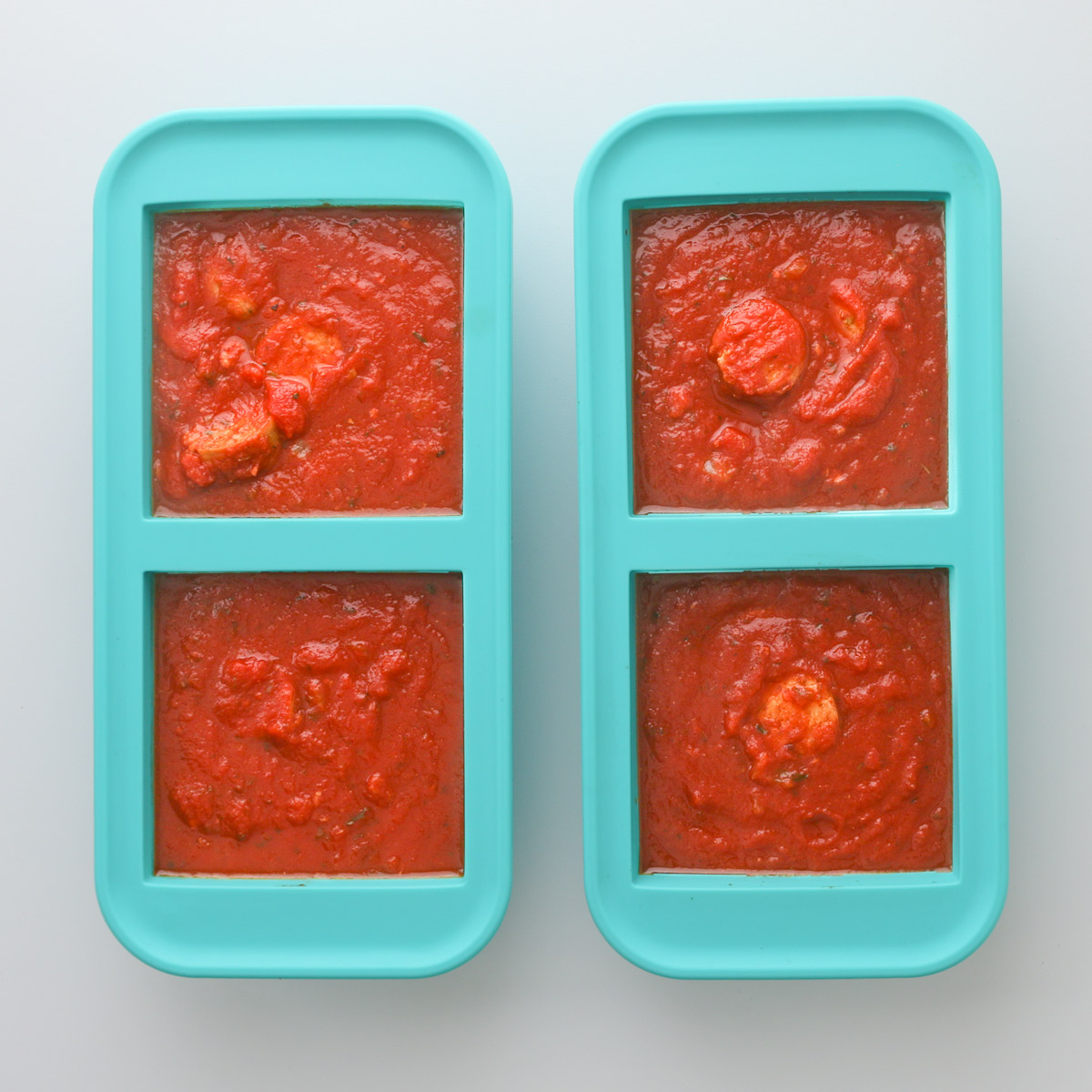
- Ladle: Use a ladle to portion the spaghetti sauce into freezer-safe containers or resealable bags.
- Label: Clearly label the containers with the date and contents to easily identify them later.
Optimizing Freezer Space
- Flat Freezing: Lay the containers flat in the freezer to maximize space and enable easy stacking.
- Portion Control: Freeze the sauce in smaller portions to thaw only what you need for each meal.
Thawing And Reheating Methods
Freezing spaghetti sauce is a convenient way to have a delicious meal on hand whenever you need it. But thawing and reheating the sauce properly is key to preserving its flavor and quality. In this section, we will discuss the best methods for safely thawing sauce and reheating it to ensure optimal flavor. Let’s dive in!
Safely Thawing Sauce
Thawing spaghetti sauce safely is essential to maintain its delicious taste and prevent foodborne illnesses. Here are two recommended methods for safely thawing your frozen sauce:
- Refrigerator Thawing: Simply transfer the frozen spaghetti sauce from the freezer to the refrigerator and let it thaw slowly overnight. This gradual thawing process ensures that the sauce remains at a safe temperature while preserving its flavor.
- Cold Water Thawing: If you need to thaw the sauce more quickly, place the frozen container of sauce in a tightly sealed plastic bag and submerge it in cold water. Ensure that the bag is watertight to prevent any water leakage. Change the water every 30 minutes to maintain a consistently cold temperature. Remember, never use warm or hot water to thaw the sauce, as it can lead to bacterial growth.
Reheating For Optimal Flavor
Reheating spaghetti sauce properly will help you enjoy it as if it were freshly made. Here are a few tips to ensure you get the best flavor out of your reheated sauce:
- Stovetop Reheating: The stovetop method is one of the best ways to reheat your spaghetti sauce. Simply pour a desired amount of sauce into a saucepan and heat it over low to medium heat. Stir occasionally to distribute heat evenly and prevent burning. This method allows the flavors to meld together, resulting in a rich and flavorful sauce.
- Microwave Reheating: If you’re short on time, microwaving the sauce is a quick option. Pour the desired amount of sauce into a microwave-safe dish and cover it with a microwave-safe lid or microwave-safe plastic wrap. Heat it in short intervals, stirring in between, until the sauce is heated through. Be cautious, as microwave heating can cause the sauce to heat unevenly. Stirring helps distribute the heat and ensures optimal flavor.
- Oven Reheating: For larger batches or if you want to heat the sauce alongside other dishes, reheating in the oven is an excellent choice. Preheat your oven to a low temperature, around 275°F (135°C). Place the sauce in an oven-safe dish, cover it with aluminum foil, and bake it until heated through. Stir the sauce occasionally to avoid any hot spots.
Remember, whether you choose the stovetop, microwave, or oven method, always heat the sauce until it reaches a safe internal temperature of at least 165°F (74°C).
Innovative Ways To Use Frozen Sauce
Frozen spaghetti sauce is not just for spaghetti. There are many innovative ways to use your frozen sauce to create delicious, versatile dishes beyond the classic pasta. Whether you want to spice up your meal prep or explore new recipes, utilizing frozen spaghetti sauce can add great flavor and convenience to your cooking routine. Here are some creative ideas to inspire you.
Beyond Spaghetti: Versatile Recipes
You can get creative with your frozen spaghetti sauce by using it in a variety of versatile recipes, such as:
- Making a hearty lasagna
- Crafting a delicious pizza sauce
- Creating flavorful meatball subs
- Adding depth to chili or stew
Creative Meal Prep Ideas
When it comes to meal prep, frozen spaghetti sauce can be a game-changer. Consider the following creative meal prep ideas using your frozen sauce:
- Prepare make-ahead freezer meals for busy weekdays
- Use the sauce as a base for quick and easy skillet dishes
- Utilize it for meal prepping delicious stuffed peppers or stuffed shells
- Enhance your meal prep bowls with a flavorful sauce component
Tips For Long-term Storage
When it comes to freezing spaghetti sauce for long-term storage, there are a few important tips to keep in mind to ensure the best results. Here are some key strategies for maximizing the shelf life of your delicious homemade sauce.
Freezing In Bulk
For long-term storage, freezing spaghetti sauce in bulk quantities is a practical and efficient option. Consider portioning the sauce into meal-sized portions to minimize the need for defrosting more than necessary.
Maximizing Shelf Life
- Use airtight containers or heavy-duty freezer bags to prevent freezer burn and maintain the quality of your sauce.
- Label and date the containers to keep track of the storage time and ensure you use the oldest sauce first.
- Remove any excess air from the containers to prevent crystallization and maintain the sauce’s flavor and texture.
- Store the sauce in the coldest part of the freezer to maintain its freshness for an extended period.
Credit: goodcheapeats.com
Key Considerations And Safety Measures
When it comes to freezing spaghetti sauce, there are several key considerations and safety measures that are important to keep in mind. Following these guidelines will help ensure that your spaghetti sauce stays fresh, safe to eat, and delicious when you decide to thaw and serve it. In this section, we will explore the health and hygiene factors to consider when freezing spaghetti sauce, as well as some common mistakes to avoid. Let’s dive in!
Health And Hygiene
When freezing spaghetti sauce, it’s crucial to prioritize health and hygiene to prevent any contamination or spoilage. Here are some important tips to follow:
- Start by using clean and sanitized containers or freezer bags to store your sauce. This will help avoid any bacteria or other contaminants from entering the sauce.
- Ensure that your sauce has cooled down completely before freezing it, as placing hot or warm sauce in the freezer can lead to bacterial growth.
- Consider portioning your sauce into smaller containers or freezer bags. This way, you can easily thaw only the amount you need, reducing the risk of cross-contamination from repeated freezing and thawing.
By practicing proper health and hygiene measures, you can ensure that your frozen spaghetti sauce remains safe and ready for consumption.
Avoiding Common Mistakes
While freezing spaghetti sauce is generally a straightforward process, certain mistakes can affect the quality and safety of your sauce. Here are some common mistakes to avoid:
- Avoid overfilling your containers or freezer bags, as liquids expand when frozen. Leaving some headspace will prevent the containers from bursting or leaking.
- Don’t forget to label each container or bag with the date of freezing, especially if you have multiple batches. This will help you keep track of the sauce’s freshness and ensure you use the oldest sauce first.
- If you’re using glass containers, make sure they are freezer-safe to prevent shattering when the sauce expands during freezing.
- Lastly, avoid thawing and refreezing spaghetti sauce repeatedly, as this can lead to a loss in quality and affect flavor.
By taking note of these common mistakes and avoiding them, you can preserve the taste and quality of your frozen spaghetti sauce.
:strip_icc()/can-you-freeze-cooked-pasta-02-5654926-b6b00b3beca54487884ed6119f31a3f2.jpg)
Credit: www.bhg.com
Frequently Asked Questions For Best Way To Freeze Spaghetti Sauce
What Is The Best Container To Freeze Spaghetti Sauce?
The best container to freeze spaghetti sauce is an airtight, freezer-safe plastic or glass container. Avoid using metal containers. Avoid overfilling the container to allow space for expansion. Label the container with the date and use it within 3 to 4 months for the best quality.
Does Spaghetti Sauce Freeze Well?
Yes, spaghetti sauce freezes well. It can be stored in airtight containers for up to three months. To freeze, let it cool, then transfer to containers and leave some space for expansion. Thaw in the refrigerator before reheating.
How Do You Freeze Sauce In A Ziploc Bag?
To freeze sauce in a Ziploc bag, let it cool, pour into the bag, seal tightly, and lay flat in the freezer.
What’s The Best Way To Freeze Sauce?
To freeze sauce properly, let it cool completely, transfer it into airtight freezer-safe containers, leaving some space for expansion, and seal tightly. Label the containers with the sauce type and date. Store them flat in the freezer. Thaw in the fridge before use.
Conclusion
Preserve freshness by freezing spaghetti sauce properly. Follow these tips for delicious meals anytime. Experiment with portion sizes for convenience. Enjoy convenience and #flavor with your perfectly frozen spaghetti sauce. Happy cooking!