To freeze bone broth, let it cool, pour into airtight containers, leaving room for expansion, and store in the freezer for up to 6 months. Properly frozen bone broth maintains its quality when thawed for later use, retaining its flavor and nutrients.
Are you looking for a convenient way to preserve your homemade bone broth for future use? Freezing bone broth is an excellent method to extend its shelf life while still enjoying all of its health benefits. By following the simple steps outlined below, you can have a batch of nutritious bone broth ready to use whenever you need it.
Let’s explore the best way to freeze bone broth effectively and efficiently to ensure that it remains fresh and tasty for an extended period.
Why Freeze Bone Broth?
Why Freeze Bone Broth?
Freezing bone broth is an excellent way to preserve its nutrients and enjoy its health benefits for an extended period. The process of freezing locks in the essential vitamins, minerals, and amino acids, ensuring that the broth retains its nutritional value. Additionally, freezing bone broth provides convenience, allowing you to have a readily available supply of this nourishing liquid, ready to be used in recipes or enjoyed as a comforting, wholesome drink.
Preservation Of Nutrients
When bone broth is frozen, the essential nutrients such as collagen, gelatin, and various minerals are preserved, maintaining the broth’s health-boosting properties. Freezing helps to retain the integrity of these valuable components, ensuring that you receive the full nutritional benefits when consuming the broth at a later time. The frozen state prevents the degradation of these nutrients, making it an ideal way to store bone broth without compromising its nutritional value.
Convenience
Freezing bone broth offers unmatched convenience, allowing you to prepare a large batch and store it for future use. Whether you are following a specific recipe that calls for bone broth as an ingredient or simply seeking a comforting, nourishing beverage, having a stash of frozen broth on hand ensures that you can easily incorporate it into your meals or drinks without the need to prepare a fresh batch every time. This convenience makes frozen bone broth a practical and time-saving addition to any kitchen.
Credit: discover.texasrealfood.com
Choosing The Right Containers
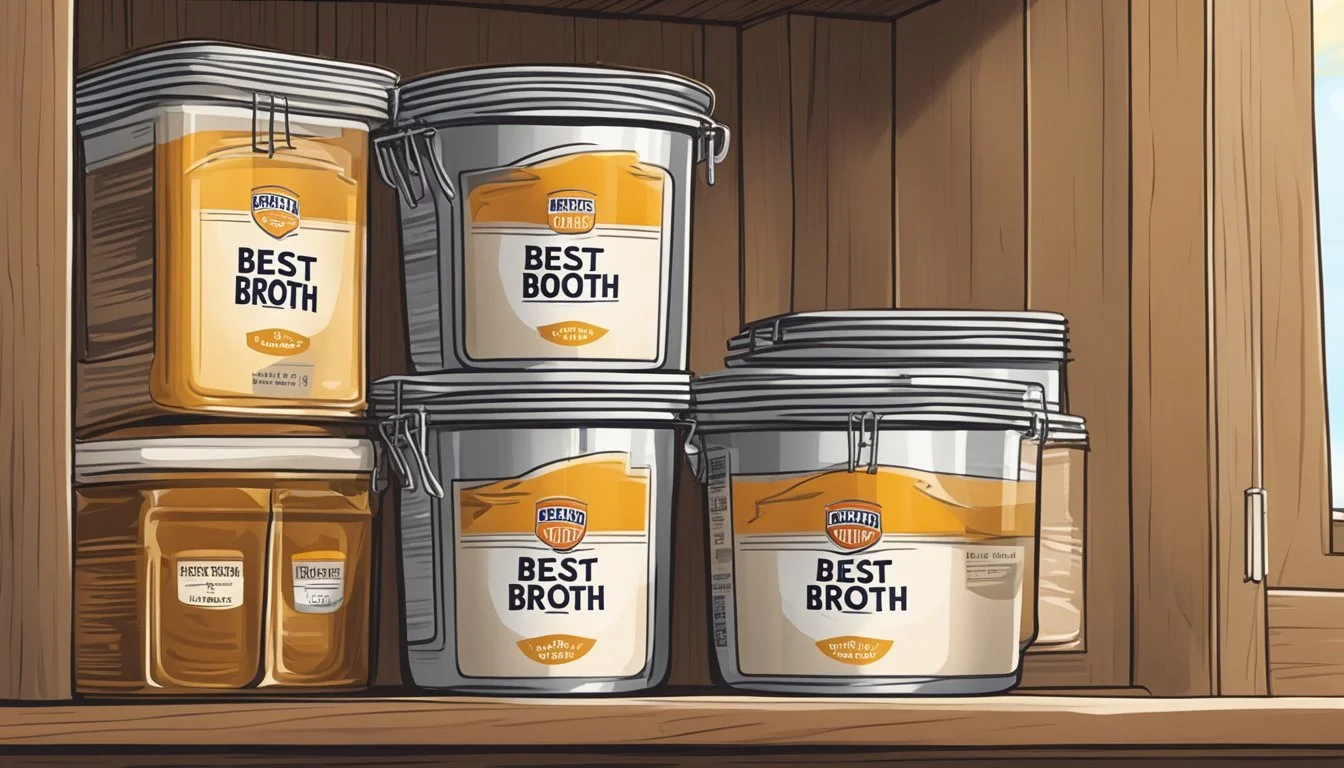
Material Matters
Glass and BPA-free Plastic are the best choices for freezing bone broth.
Avoid using metal containers as they can leach unwanted flavors in your broth.
Size Considerations
Select containers that hold the right portion size for your needs.
Consider storing broth in smaller portions for easy thawing and use.
Proper Freezing Techniques
For bone broth, the best freezing technique is to allow it to cool before transferring it to airtight containers. Leave some space for expansion, label with the date, and freeze flat to save space and aid in quick thawing when needed.
Properly stored, bone broth can last for months in the freezer without losing its quality.
Proper Freezing Techniques Freezing bone broth is a great way to preserve its nutrients and flavor for future use. However, it’s important to follow proper freezing techniques to maintain its quality. Cooling to Room Temperature First, Leave Room for Expansion are crucial steps to ensure the best results from freezing bone broth. Cooling to Room Temperature First Before freezing bone broth, it’s essential to allow it to cool to room temperature. Rapid temperature changes can compromise the quality of the broth and lead to freezer burn. To ensure even cooling, transfer the bone broth to shallow containers or ice cube trays. This allows for faster cooling and reduces the risk of bacteria growth. Leave Room for Expansion When freezing bone broth, it’s important to leave adequate room for expansion to prevent the containers from cracking. As the liquid freezes, it expands, and without enough space, the container may break. Leave at least an inch of space at the top of the container to accommodate this expansion. Alternatively, consider using freezer-safe bags, which can accommodate expansion without the risk of breakage. By following these proper freezing techniques, you can ensure that your bone broth maintains its quality and flavor when thawed for future use.
Credit: simpsonsmeats.com
Labeling And Dating
Labeling and dating your frozen bone broth may seem like a small step, but it can make a world of difference when it comes to organization and efficiency in your kitchen. Properly labeling and dating your broth will help ensure freshness, prevent waste, and make it easier to identify the different batches you have stored. In this section, we will explore the importance of labels and the best dating practices to follow.
Importance Of Labels
Labeling your bone broth containers is crucial for several reasons. First and foremost, it allows you to easily identify the contents of each container without having to guess or open them. This can save you time and effort, especially if you have multiple batches of bone broth in your freezer.
Labeling also helps you keep track of the date the broth was made or frozen. By knowing the age of your bone broth, you can prioritize using the oldest batches first, ensuring you don’t let any valuable broth go to waste. Additionally, if you like to experiment with different flavors or ingredients, labels can help you remember which variations you enjoyed the most.
Best Dating Practices
When it comes to dating your bone broth, following a consistent system is key. You want to make sure you can quickly understand when the broth was made and how long it has been frozen. Here are some best dating practices to consider:
- Use a permanent marker: Choose a permanent marker that writes well on the container material and won’t easily smudge or fade. This will ensure your date remains legible throughout the freezing and defrosting process.
- Write the date: Clearly write the date the bone broth was made or frozen on the container. Use a format that is easy for you to understand, such as “MM/DD/YYYY” or “DD/MM/YYYY”.
- Arrange in chronological order: When storing your bone broth containers in the freezer, make sure to arrange them in chronological order. This way, you can easily access the older batches first.
- Consider using adhesive labels: If you prefer a neater and more organized approach, consider using adhesive labels. These labels can be easily stuck onto the containers and provide a clean and professional look.
By implementing these best dating practices, you can ensure your bone broth remains fresh, prevent any confusion, and make your freezing and defrosting process more efficient. Remember to also periodically check your freezer for any expired batches and use them up before they lose their quality.
Thawing Bone Broth Safely
Safely thawing and reheating bone broth is crucial to preserving its quality. The best way to freeze bone broth involves using airtight containers or resealable bags before placing them in the freezer. Additionally, labeling the containers with the date of freezing helps in ensuring that the broth is used within its safe storage period.
Refrigerator Thawing
Bone broth should be thawed in the refrigerator for gradual and safe defrosting.Cold Water Bath Method
An alternative quick thawing method is using a cold water bath to safely thaw bone broth. Bone broth should always be thawed safely to prevent bacteria growth. Thawing bone broth ensures optimal taste and preserves its nutrients. Refrigerator thawing is convenient and ideal for gradual defrosting. Cold water bath is a quicker method for thawing bone broth safely.Avoiding Common Freezing Mistakes
Discover the best way to freeze bone broth to avoid common freezing mistakes. Follow these simple steps to ensure your bone broth retains its flavor and nutrients when freezing. With proper packaging and labeling, you can efficiently store and enjoy your bone broth for an extended period.
Filling Containers Too Full
One common mistake people make when freezing bone broth is filling the containers too full. It may seem tempting to maximize the storage space, but this can actually lead to problems down the line. When the liquid in the container freezes, it expands, and if there is not enough space left for expansion, the container can burst or crack. This can result in a messy freezer and wasted bone broth. Therefore, it is crucial to leave some room at the top of each container to allow for expansion during the freezing process.
Using Incorrect Containers
Another freezing mistake is using incorrect containers for freezing bone broth. Some containers are not suitable for freezing because they are not designed to withstand low temperatures. For example, plastic containers that are not labeled as freezer-safe can become brittle and crack when exposed to extreme cold. Glass containers can also be problematic if they are not specifically made for freezing, as they may shatter under the pressure of expanding liquid. To avoid these issues, it is important to choose containers that are specifically labeled as freezer-safe to ensure the best results when freezing bone broth.
Tips For Long-lasting Flavor
When it comes to freezing bone broth, maintaining its flavor and quality over time is essential. Here are some expert tips to ensure your bone broth stays fresh and flavorsome for an extended period.
Adding Aromatics Before Freezing
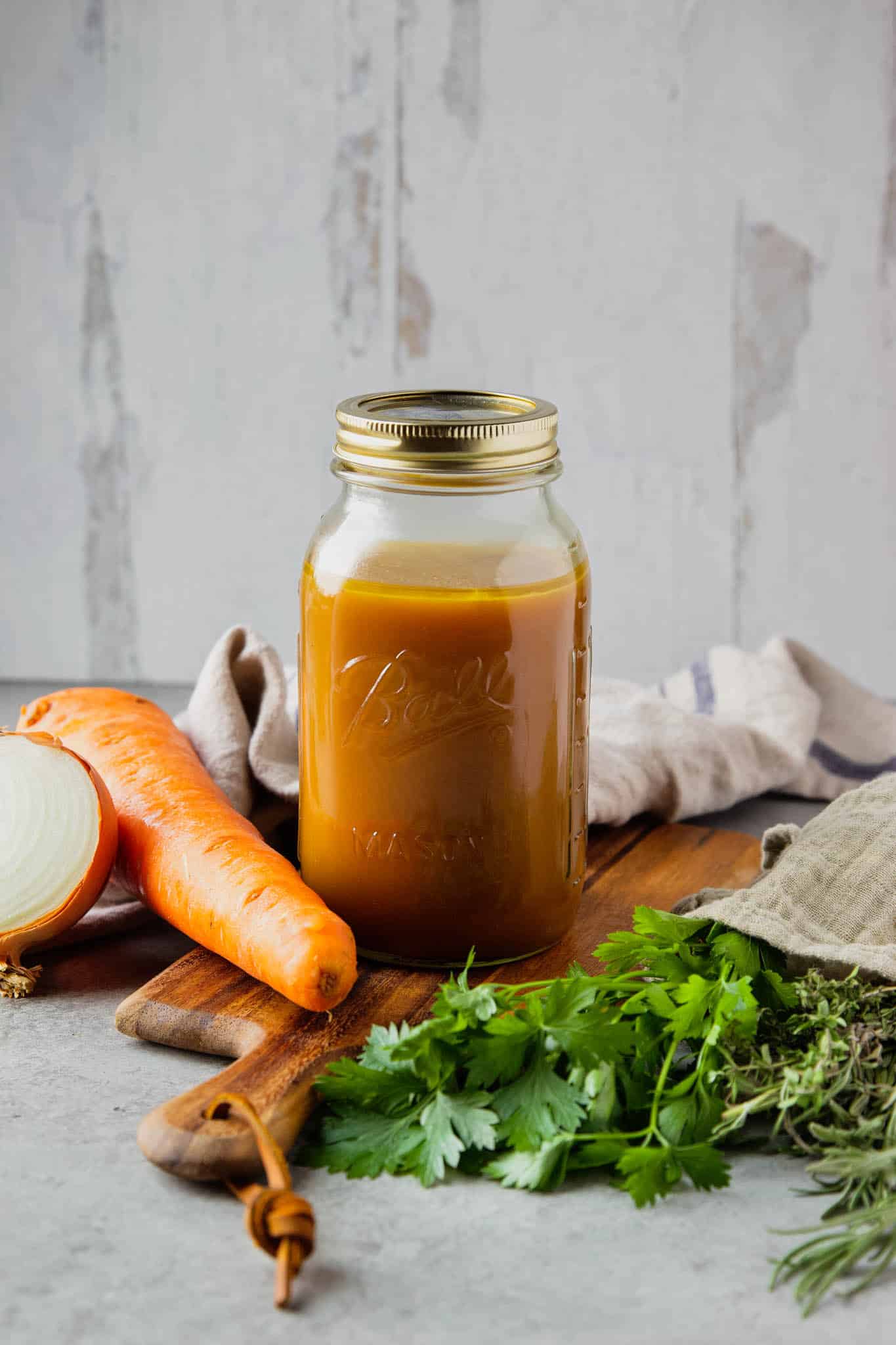
To enhance and preserve the flavor of your bone broth, consider adding aromatics before freezing. Aromatics such as onions, garlic, carrots, and herbs can infuse the broth with additional depth and complexity. This simple addition can contribute to a more robust flavor profile when the broth is thawed and reheated.
Moreover, placing these aromatics in a separate cheesecloth bundle or mesh bag makes it easier to remove them before consuming the broth. This ensures that the aromatics do not overpower the broth or alter its flavor significantly.
Avoiding Overheating During Thawing
Excessive heat during the thawing process can compromise the flavor and overall quality of bone broth. It’s important to thaw the broth slowly in the refrigerator or using gentle heat on the stove. This gradual thawing process helps maintain the integrity of the broth and prevents any off-flavors from developing.
When reheating frozen bone broth, it's crucial to avoid boiling or overheating. Gentle simmering is ideal to preserve the delicate flavors and nutrients present in the broth.
Creative Uses For Frozen Bone Broth
When it comes to bone broth, freezing is the best way to preserve its nutritional value and extend its shelf life. But frozen bone broth doesn’t have to be limited to just sipping it as a warm and comforting beverage. In fact, there are numerous creative uses for frozen bone broth that can elevate the flavors of your dishes and add a nutritious boost to your recipes. Let’s explore these innovative ways to make the most of your frozen bone broth!
Flavorful Ice Cubes
One of the simplest yet ingenious ways to use frozen bone broth is by turning it into flavorful ice cubes. These ice cubes can be added to various dishes to enhance the taste and provide a nutritional punch. To create bone broth ice cubes, pour cooled broth into an ice cube tray and freeze. Once frozen, pop out the cubes and store them in a freezer-safe bag. When cooking sauces, gravies, or even stir-fries, simply drop a few bone broth ice cubes into the pan and let them melt, infusing your dish with rich flavors.
Enhancing Sauces And Stews
Bone broth is a secret ingredient that can elevate sauces and stews to a whole new level. Whether it’s a traditional spaghetti sauce or a hearty beef stew, replacing water or stock with frozen bone broth adds depth and complexity to the dish. Simply thaw the frozen bone broth before incorporating it into your recipe, and enjoy the enhanced flavors that it brings. The gelatin in bone broth also helps thicken sauces, resulting in a luscious and velvety texture.
Additionally, you can use frozen bone broth as a base for homemade soups. By simply defrosting and adding vegetables, herbs, and spices, you can create a wholesome and delicious soup in no time.
Credit: gardeninthekitchen.com
Frequently Asked Questions Of Best Way To Freeze Bone Broth
Does Freezing Bone Broth Destroy Nutrients?
Freezing bone broth does not destroy nutrients. It can preserve the nutrients and extend the shelf-life.
Can You Freeze Bone Broth In Ziploc Bags?
Yes, you can freeze bone broth in Ziploc bags. Freezing it in bags is convenient and helps to save space. Just make sure to cool it completely before transferring it to the bags and leave some space for expansion.
Can You Freeze Broth In Mason Jars?
Yes, you can freeze broth in mason jars. Make sure to leave some space at the top to allow for expansion, and let the broth cool before sealing the jar. When ready to use, thaw it in the refrigerator or under cold running water.
Enjoy!
What Is The Best Container To Freeze Homemade Broth In?
The best container to freeze homemade broth in is airtight freezer-safe containers or resealable plastic bags.
Conclusion
Preserving bone broth the right way will ensure its freshness and nutritional value. Freezing bone broth in convenient portions helps maintain its quality for longer periods. By following proper freezing techniques, you can enjoy a hearty and nourishing bowl of bone broth whenever you desire.
Start freezing your bone broth today!