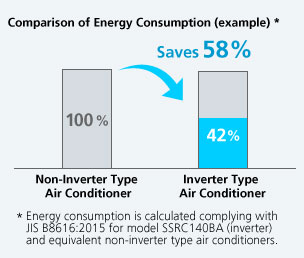
An air conditioner consumes more power than a fan due to its cooling mechanism. Fans are more energy-efficient than air conditioners.
When comparing power consumption between a fan and an air conditioner, it is essential to understand the factors that influence their energy usage. Air conditioners work by cooling the air and regulating the temperature of a room, while fans simply circulate the air to create a cooling effect.
The difference in power consumption between the two appliances is primarily due to the energy-intensive cooling process of an air conditioner, whereas a fan operates with minimal energy consumption. By considering the power consumption of both devices, you can make an informed decision on which appliance is more suitable for your needs while also being mindful of their environmental impact.
Credit: www.daikin.com
Fan: Energy Consumption And Efficiency
Fans are popular for their low energy consumption and efficient cooling capabilities compared to air conditioners.
Mechanism Of Operation
Fans circulate air in a room to provide cooling by creating a gentle breeze that helps evaporate sweat.
Power Consumption Comparison With Air Conditioner
Fans consume significantly less electricity than air conditioners, making them more cost-effective for cooling smaller areas.
Air Conditioner: Energy Consumption And Efficiency
Air conditioners tend to consume more power compared to fans, making them less energy-efficient. Fans are a more eco-friendly option, consuming less electricity while still providing adequate cooling.
Air Conditioner: Energy Consumption and Efficiency Air conditioning plays a crucial role in keeping our living spaces cool and comfortable, especially during the scorching summer months. However, it is important to understand the energy consumption and efficiency of air conditioners to make informed decisions about their usage. In this section, we will delve into the details of air conditioner energy consumption and efficiency, providing you with valuable insights. Cooling Process Overview (H3) To understand the energy consumption of air conditioners, let’s first take a brief look at their cooling process. Air conditioners work by extracting heat from indoor spaces and releasing it outside. This complex process involves several components, such as compressors, condensers, and evaporators, all working together to remove heat and lower the temperature indoors. Energy Consumption Factors (H3) Several factors influence the energy consumption of air conditioners, affecting their efficiency and overall performance. These factors include: 1. BTU (British Thermal Units): An important measure of an air conditioner’s cooling capacity is its BTU rating. The higher the BTU, the more cooling power it can deliver. However, it’s crucial to match the BTU rating with the size of the room, as an oversized unit can lead to excessive energy consumption. 2. SEER (Seasonal Energy Efficiency Ratio): SEER is a rating that indicates the energy efficiency of air conditioners. The higher the SEER rating, the more efficiently the unit can cool the space. Upgrading to a higher SEER-rated air conditioner can significantly reduce energy consumption and save on electricity bills. 3. Energy Star Certification: Air conditioners with an Energy Star certification meet stringent energy efficiency guidelines set by the Environmental Protection Agency (EPA). Choosing an Energy Star-certified unit ensures better energy efficiency, which translates into lower power consumption and reduced carbon emissions. 4. Thermostat Settings: Properly setting your air conditioner’s thermostat can contribute to energy efficiency. Setting the thermostat to a slightly higher temperature when no one is at home or during nighttime can help save energy without compromising the comfort level. 5. Insulation and Air Leakage: The insulation of your home and the presence of air leaks can greatly impact the energy consumption of your air conditioner. Well-insulated homes with minimal air leaks can prevent cool air from escaping and minimize the workload on the AC unit. When considering the energy consumption and efficiency of air conditioners, it is essential to evaluate these factors. By optimizing BTU ratings, choosing high SEER-rated units, considering Energy Star-certified options, optimizing thermostat settings, and ensuring proper insulation, you can significantly reduce your air conditioner’s energy consumption while maintaining a comfortable living environment. Table: Air Conditioner Efficiency Comparison Below is a comparison of the energy efficiency ratings of different types of air conditioners: | Air Conditioner Type | SEER Rating | |——————————-|——————| | Window Air Conditioner | 10-14 | | Split System Air Conditioner | 14-25 | | Ductless Mini-Split System | 21-25 | | Central Air Conditioner | 14-22 | Remember, understanding the energy consumption and efficiency of air conditioners empowers you to make wiser choices that benefit both your pocket and the environment. By optimizing the factors mentioned above and investing in an efficient unit, you can enjoy a cool and energy-efficient living space throughout summer.Comparative Analysis
When deciding between a fan and an air conditioner for cooling purposes, it is important to consider their power consumption and the impact it may have on your energy bills. In this comparative analysis, we will examine the direct energy consumption of fans and air conditioners, as well as the indirect energy savings that may be achieved by using fans instead of air conditioners.
Direct Energy Consumption Comparison
When it comes to direct energy consumption, fans are much more energy-efficient compared to air conditioners. Fans typically consume significantly less power to operate, making them an attractive option for those seeking to reduce their energy usage and associated costs. An air conditioner, on the other hand, requires a considerable amount of energy to function, as it not only cools the air but also circulates it throughout the room.
Let’s take a look at a comparative analysis of the average power consumption for fans and air conditioners:
| Device | Power Consumption |
|---|---|
| Fan | 30-70 watts |
| Air Conditioner | 800-2000 watts |
As shown in the table above, fans typically consume only 30 to 70 watts of power, while air conditioners can consume anywhere between 800 to 2000 watts. This significant difference in power consumption makes fans a more energy-efficient option, resulting in lower electricity bills.
Indirect Energy Savings
In addition to the direct energy consumption comparison, there are also indirect energy savings associated with using fans instead of air conditioners. These savings occur due to the fact that fans do not cool the air but instead create a breeze that helps evaporate moisture from the skin, resulting in a perceived cooling effect.
Some of the indirect energy savings associated with using fans include:
- Reduced usage of air conditioners, leading to lower energy demand
- Lower cooling costs as fans require less energy to operate
- Decreased environmental impact due to reduced greenhouse gas emissions
- Increased lifespan of air conditioners as they are used less frequently
By maximizing the use of fans and minimizing reliance on air conditioners, individuals can achieve significant energy savings and contribute towards a more sustainable future.
Environmental Impact
Fans and air conditioners are essential for maintaining indoor comfort, but their environmental impact varies significantly.
Eco-friendly Aspects Of Fan Usage
Fans consume less energy than air conditioners, making them a more eco-friendly choice for cooling.
Carbon Footprint Comparison
Fans emit zero greenhouse gases, unlike air conditioners that use refrigerants contributing to global warming.
Cost Analysis
When considering the cost analysis of power consumption between a fan and an air conditioner, it’s crucial to evaluate the electricity cost comparison and long-term financial considerations.
Electricity Cost Comparison
A fan utilizes less power compared to an air conditioner, resulting in lower electricity costs.
Long-term Financial Considerations
Although an air conditioner may have higher initial costs, it can provide more comfort and value over time.
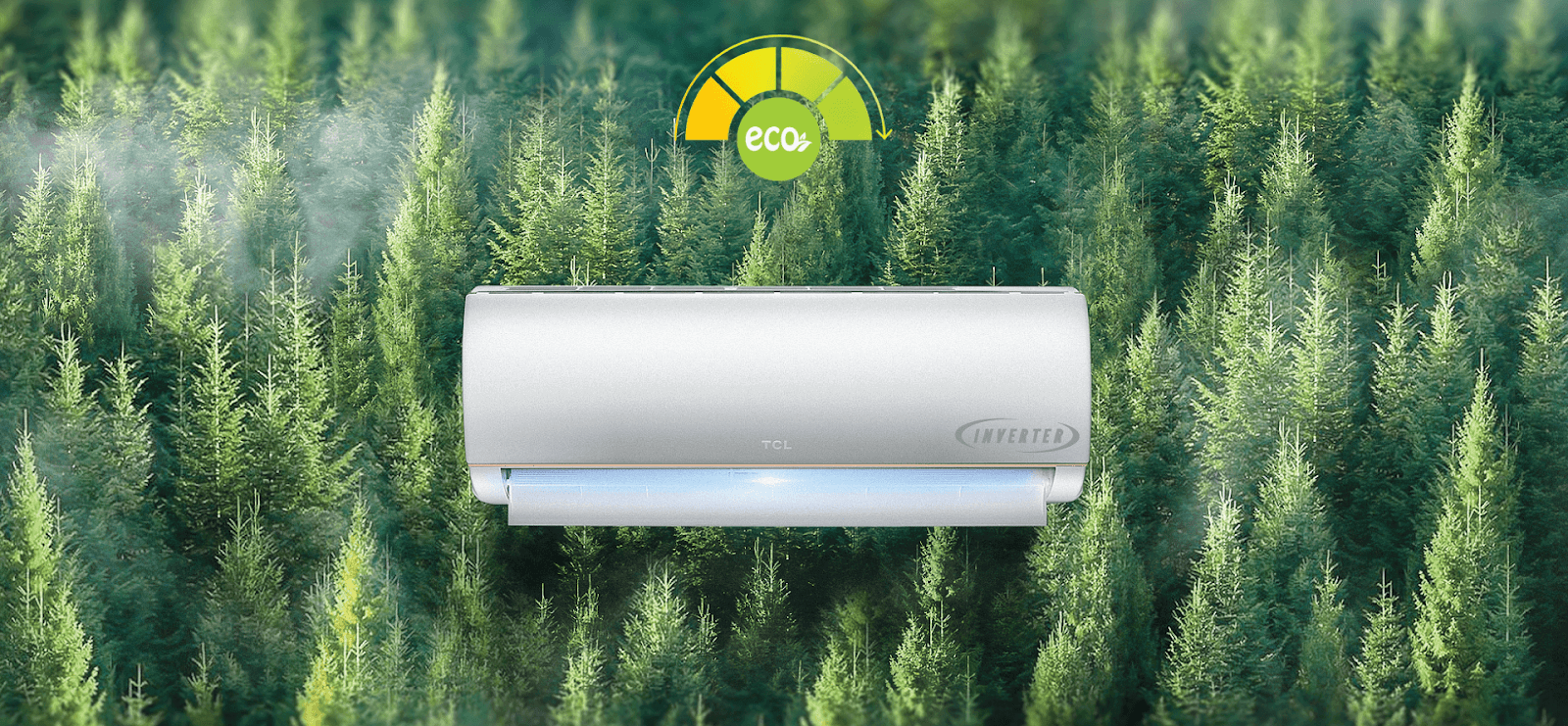
Credit: www.tcl.com
Lifestyle Considerations
When deciding between using a fan or an air conditioner for cooling your home, lifestyle considerations play a crucial role. Your comfort levels and the practical applications of these appliances in different seasons affect your decision-making process.
Comfort Levels
Finding the right balance between comfort and energy consumption is key. While air conditioners provide cooler air, fans circulate existing air without cooling it down. However, fans create a cooling effect on the skin by increasing evaporation and air movement.
For those who prefer a gentle breeze and natural temperature regulation, fans are the optimal choice. They provide a pleasant airflow sensation and help maintain a comfortable environment, especially during mild weather conditions. Moreover, fans are beneficial for people who experience dryness in the eyes or nasal passages due to excessive air conditioning.
On the other hand, if you crave instant relief from hot and humid weather, air conditioners are the way to go. With their ability to cool down the air, they are suitable for scorching summers or regions with high humidity levels. Air conditioners can also dehumidify the air, making your indoor environment moisture-free and more tolerable.
Practical Applications In Different Seasons
When deciding between a fan and air conditioner, considering the practical applications for different seasons is crucial for maximum cooling efficiency and cost-effectiveness.
| Season | Fan | Air Conditioner |
|---|---|---|
| Spring | – Creates a pleasant breeze during mild temperatures | – Not necessary unless experiencing high temperatures |
| Summer | – Provides a cooling effect in combination with air conditioning | – Essential for combating high temperatures and humidity |
| Fall | – Ideal for maintaining a comfortable temperature during cooler months | – Not necessary unless experiencing temperature fluctuations |
| Winter | – Can be used for better air circulation and humidity control with heating systems | – Allows for temperature regulation in heated homes |
As the table above illustrates, fans can be used in conjunction with air conditioners to enhance overall comfort and energy efficiency. They are especially useful during transitional seasons like spring and fall when there are significant temperature fluctuations. In contrast, air conditioners are essential during the scorching summer months when high temperatures and humidity levels become a challenge to endure.
Understanding the practical applications of both options ensures that you make an informed decision that aligns with the temperature needs of each season in your region.

Credit: justenergy.com
Frequently Asked Questions For Power Consumption Fan Vs Air Conditioner
Does A Fan Use More Electricity Than An Air Conditioner?
A fan uses less electricity than an air conditioner. Fans are more energy efficient for cooling.
Is It Cheaper To Run A Fan Or Air Conditioner?
Running a fan is generally cheaper than using an air conditioner. Fans consume less energy and are more cost-effective for cooling smaller areas.
Is Running Ac More Expensive Than A Fan?
Running an AC is typically more expensive than using a fan due to its higher energy consumption. Fans use less electricity, making them a more cost-effective cooling option.
How Many Fans Equal 1 Ac Power Consumption?
One AC power consumption equals the energy use of about 35 ceiling fans running simultaneously.
Conclusion
In the battle of power consumption, fans are a more energy-efficient choice. However, air conditioners provide faster cooling. Consider your needs and energy usage for the best decision. Balancing comfort and cost is key in making your choice. Choose wisely to stay cool and save energy.