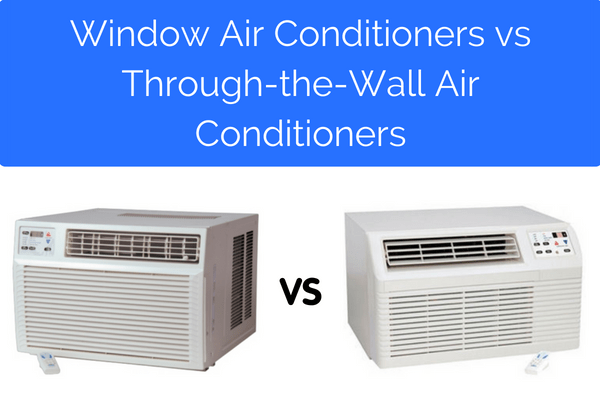
Window air conditioners are easier to install and more cost-effective than wall air conditioners. They are suitable for small rooms or apartments with limited space.
Wall air conditioners, on the other hand, are more powerful and efficient for cooling larger areas. They offer a more permanent solution and can be integrated seamlessly into the wall for a sleek look. Both types have their advantages and it ultimately depends on your specific needs and space requirements.
In this comparison, we will delve into the key differences between window air conditioners and wall air conditioners to help you make an informed decision based on your cooling needs.
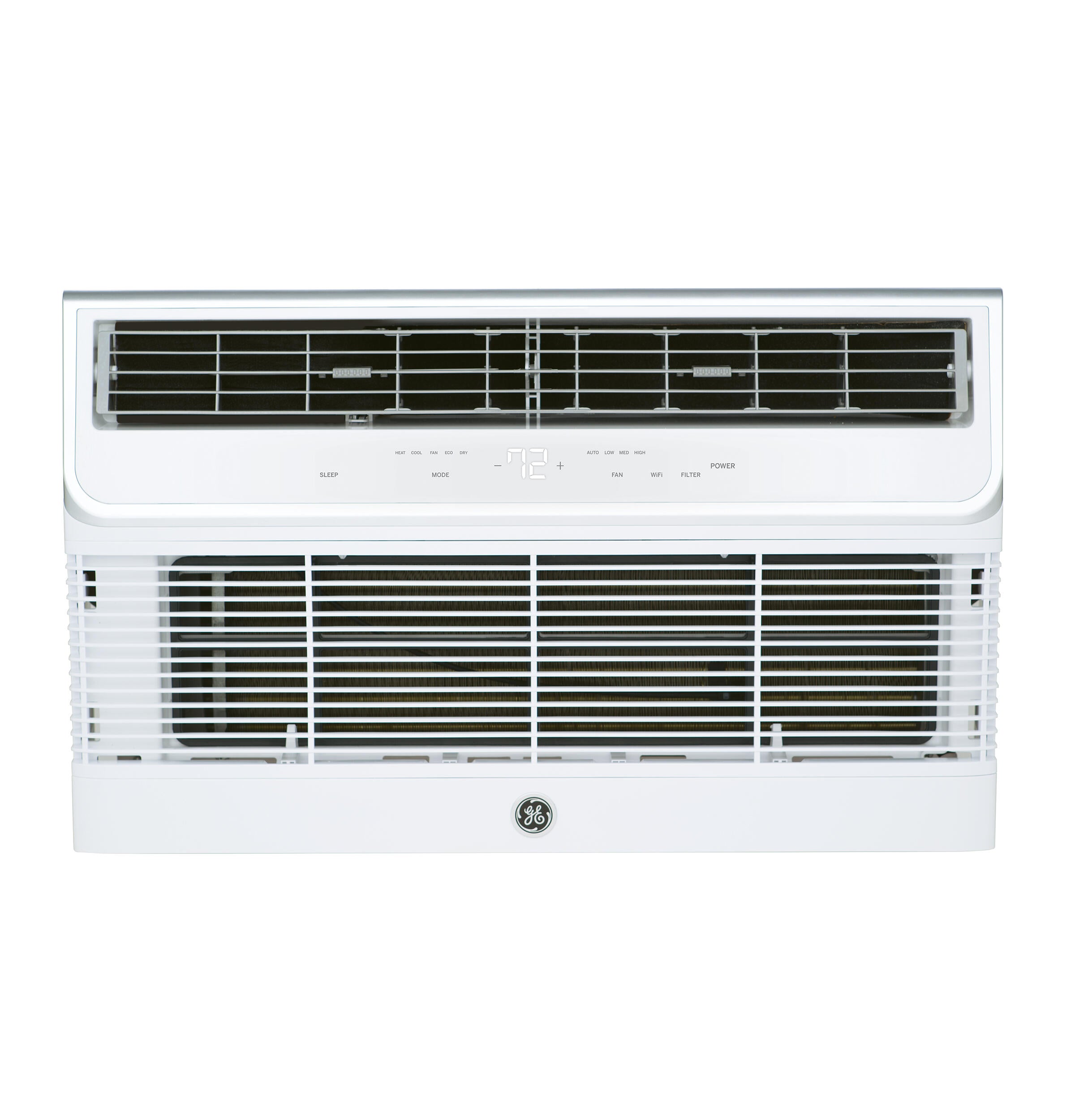
Credit: www.townappliance.com
Installation Process
When it comes to choosing between a window air conditioner and a wall air conditioner, the installation process is a critical consideration. Both options have their own advantages and challenges when it comes to setting them up in your home. Understanding the installation process for each can help you make an informed decision about which type of air conditioner is best suited for your needs.
Window Air Conditioner
Installing a window air conditioner involves placing the unit in a window opening. The process typically requires securing the unit in place using mounting brackets or brackets that come with the air conditioner. A gap filler may be used to seal the space around the unit and prevent drafts. It is important to ensure the window can support the weight of the air conditioner and that it has a nearby electrical outlet for power.
Wall Air Conditioner
When installing a wall air conditioner, the process includes cutting a hole in the wall to accommodate the unit. A sleeve is often used to support the air conditioner and provide a secure fit. Proper insulation and sealing are crucial to prevent any air leakage around the unit. It is essential to consider the location of the wall in relation to the room and ensure that the electrical wiring is accessible for connection.

Credit: www.amazon.com
Space And Aesthetics
Window Air Conditioner
Easy installation, fits in windows, ideal for rooms with limited space.
- Requires unobstructed window access for proper installation.
- Can obstruct natural light and views due to placement.
Wall Air Conditioner
Mounted on wall, sleek design, does not take up floor space.
- Installation might require professional assistance.
- Blends seamlessly with interior decor, enhancing aesthetics.
Cooling Efficiency
When it comes to choosing the right air conditioner for your home, cooling efficiency is a vital factor to consider. Both window air conditioners and wall air conditioners aim to keep your space cool and comfortable, but there are some differences in how effectively they can achieve this goal.
Window Air Conditioner
A window air conditioner is a popular choice for many households due to its affordability and ease of installation. These units are typically placed in a window and expel hot air to the outside while blowing cool air into the room.
The cooling efficiency of a window air conditioner is determined by its BTU (British Thermal Unit) rating. The higher the BTU, the more cooling power the unit has. For example, a window air conditioner with a BTU rating of 6,000 can cool a small room, while a unit with a rating of 12,000 BTU can effectively cool a larger space.
Additionally, window air conditioners usually feature adjustable thermostats, allowing you to set the desired temperature and maintain a comfortable environment. This feature helps in achieving optimal cooling efficiency as the unit only operates when necessary.
Wall Air Conditioner
In contrast, wall air conditioners, sometimes referred to as through-the-wall air conditioners, provide a more permanent cooling solution. These units are installed directly into a wall and require professional installation.
Wall air conditioners offer similar cooling efficiency as window air conditioners, with a range of BTU options available to suit different room sizes. However, wall air conditioners tend to have a higher cooling efficiency due to their improved insulation and sealing properties.
Since they are built directly into the wall, there are fewer chances for air leaks, resulting in better cooling performance and energy efficiency. Some wall air conditioners also come with advanced features such as multiple cooling modes and fan speeds, further enhancing their cooling effectiveness.
Moreover, wall air conditioners often operate quieter than window units due to their design and insulation, allowing you to enjoy a cool and peaceful environment.
Maintenance And Cleaning
Maintenance and cleaning are crucial aspects of ensuring the proper functioning and longevity of air conditioners. In this section, we will discuss the maintenance and cleaning requirements of both window air conditioners and wall air conditioners.
Window Air Conditioner:
Maintaining a window air conditioner involves a few key steps to keep it operating efficiently.
- Regularly clean or replace the air filter every 1-2 months, as dust and dirt can accumulate, reducing the unit’s efficiency.
- Clean the evaporator coils annually using a soft brush or a vacuum cleaner to remove any debris or dirt buildup.
- Inspect the condenser coils for excessive dirt or debris and clean them using a coil cleaner or mild detergent if necessary.
- Ensure the drain channels are clear of any blockages, as a clogged drain can cause water leakage.
- Check the fan blades for any dirt or obstructions, and clean them if needed to maintain smooth operation.
- Inspect the unit’s seals and weatherstripping for any leaks, and repair or replace them as necessary to prevent air leakage.
Wall Air Conditioner:
The maintenance and cleaning requirements for wall air conditioners are somewhat similar to window air conditioners but may vary slightly.
- Regularly clean or replace the air filter following the manufacturer’s instructions, typically every 1-2 months.
- Clean the evaporator coils annually using a soft brush or a vacuum cleaner to remove dirt or debris.
- Inspect and clean the condenser coils to maintain optimal cooling performance.
- Check the drain pan and drain line for any blockages, and clean or clear them as needed to prevent water buildup.
- Ensure the fan blades are clean and free from obstructions for smooth operation.
- Check the unit’s seals and weatherstripping for any leaks, and repair or replace them if necessary.
Regular maintenance and cleaning are essential for both window air conditioners and wall air conditioners to ensure efficient operation, prevent breakdowns, and prolong their lifespan. By following these simple maintenance steps, you can enjoy cool and comfortable indoor temperatures throughout the year.
Cost Considerations
When deciding between a window air conditioner and a wall air conditioner, it’s crucial to consider the overall costs involved. From the initial purchase price to the ongoing operating expenses, understanding the financial aspects can help in making an informed decision.
Initial Cost
Window Air Conditioner:
- Lower upfront cost compared to wall units
- Easy to install, reducing installation expenses
Wall Air Conditioner:
- Typically more expensive upfront due to higher capacity
- May require professional installation, incurring additional costs
Operating Cost
Window Air Conditioner:
- Generally more energy-efficient for smaller spaces
- Lower electricity bills compared to wall units
Wall Air Conditioner:
- Efficient for larger areas, but may consume more power
- Potentially higher operating costs over time

Credit: evapolar.com
Environmental Impact
When choosing between window air conditioners and wall air conditioners, considering their environmental impact is crucial. Understanding how these cooling systems can affect the environment helps in making an informed decision. Let’s delve into the environmental impact of each type.
Window Air Conditioner
- Uses standard electrical outlets.
- Easy to install and remove.
- Consumes less energy compared to central AC.
Wall Air Conditioner
- Mounts through a wall sleeve.
- Permanent fixture once installed.
- May require professional installation.
Both window and wall air conditioners have advantages and disadvantages in terms of environmental impact. Consider factors like energy efficiency and installation requirements before making a choice.
Frequently Asked Questions For Window Air Conditioner Vs Wall Air Conditioner
Which Is Better Wall Ac Or Window Ac?
Wall AC units are generally better for small rooms or for those who prefer a sleek design, while window AC units are ideal for larger spaces and offer better cooling. Both have their advantages, so choose based on your specific needs and preferences.
Why Are Wall Ac Units More Expensive Than Window?
Wall AC units are more expensive than window units due to their higher manufacturing and installation costs. Wall units require additional materials and labor to be properly installed, increasing the overall price. Additionally, wall units often have higher cooling capacities and more advanced features, contributing to their higher price point.
Are Window Air Conditioners The Same As In Wall Air Conditioners?
Window air conditioners are different from in-wall air conditioners. Window units are installed in windows, while in-wall units are mounted through a wall.
What Is The Disadvantage Of Wall-mounted Air Conditioner?
The main disadvantage of wall-mounted air conditioners is limited cooling range. They are typically suitable for smaller spaces.
Conclusion
Ultimately, choosing between a window air conditioner and a wall air conditioner depends on your specific needs. Consider factors like room size, installation convenience, and budget to make the best decision for your cooling needs. Both types have their advantages, so choose what works best for you.