Cool air conditioners remove humidity while dry air conditioners focus on cooling only. Both offer unique benefits.
Cool air conditioners are designed to not only cool but also remove excess moisture from the air. By reducing humidity levels, they provide a more comfortable environment and prevent mold growth. On the other hand, dry air conditioners primarily focus on cooling the air without addressing humidity levels.
While they may be more energy efficient, they do not offer the same level of comfort as cool air conditioners. Understanding the differences between these two types of air conditioners can help you choose the one that best suits your needs and preferences.
Cool Air Conditioners
Welcome to our blog post comparing cool vs dry air conditioners! In this section, we’ll delve into cool air conditioners, exploring how they work, their advantages, and key considerations for usage.
How They Work
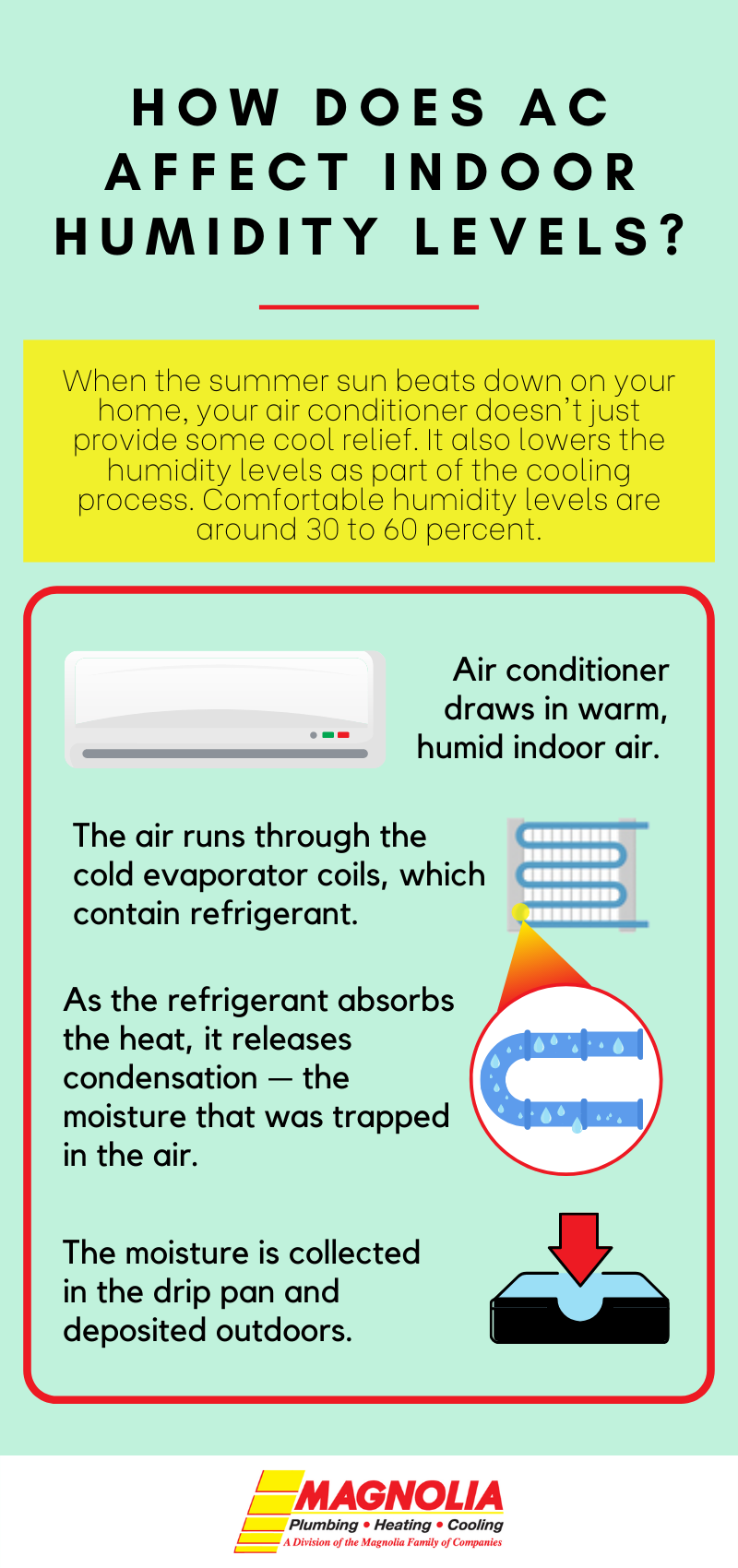
Cool air conditioners function by using a refrigeration cycle to remove heat and moisture from indoor air, creating a more comfortable environment. The process involves drawing warm air into the unit, where it passes over evaporator coils filled with refrigerant. The refrigerant absorbs the heat and humidity, cooling the air before circulating it back into the room.
Advantages
- Efficiently lowers indoor temperature
- Removes excess moisture from the air
- Enhances overall air quality
- Creates a more comfortable living or working environment
Considerations For Usage
- Size of the area to be cooled
- Energy efficiency ratings
- Noise levels
- Maintenance requirements

Credit: www.amazon.com
Dry Air Conditioners
Begin Dry Air Conditioners SectionHow They Differ From Cool Air Conditioners
Dry air conditioners focus on moisture removal, while cool air conditioners prioritize reducing temperature.
Advantages Over Cool Air Conditioners
Dry air conditioners promote healthier air quality by reducing humidity levels, which can help prevent mold growth.
They are energy-efficient as they do not require as much power to operate as cool air conditioners.
Considerations For Usage
- Dry air conditioners are ideal for areas with high humidity levels.
- They are suitable for individuals with respiratory issues, as they improve air quality.
- Regular maintenance is key to ensuring optimal performance of dry air conditioners.
Energy Efficiency
When it comes to choosing the right air conditioner, energy efficiency is a crucial factor to consider. Not only does an energy-efficient air conditioner help reduce your carbon footprint, but it also helps you save money on your utility bills.
Comparing Energy Consumption
Comparing the energy consumption of cool and dry air conditioners can give you a clear picture of their efficiency. A cool air conditioner works by cooling the air in a room, while a dry air conditioner removes moisture from the air.
When it comes to energy consumption, dry air conditioners generally consume less energy compared to cool air conditioners. This is because the process of removing moisture from the air is less energy-intensive than cooling it. By choosing a dry air conditioner, you can ensure that your energy consumption is minimized, leading to significant energy savings over time.
Impact On Utility Bills
The energy efficiency of an air conditioner directly impacts your utility bills. With a cool air conditioner, you may notice higher utility bills due to the higher energy consumption required to cool the air. On the other hand, a dry air conditioner’s lower energy consumption translates into lower utility bills, allowing you to save money in the long run.
By opting for a dry air conditioner, you not only enjoy the benefits of reduced energy consumption and lower utility bills, but you also contribute to a more sustainable environment by reducing your overall energy usage. This is especially important as energy costs continue to rise and environmental concerns grow.
Summary
In summary, when comparing energy efficiency between cool and dry air conditioners, it is evident that dry air conditioners offer a more energy-efficient solution. With their lower energy consumption and subsequent impact on utility bills, they provide both financial and environmental benefits. So, if you are looking for an air conditioner that provides efficient cooling while minimizing energy usage, a dry air conditioner is an ideal choice.
Health Implications
When it comes to choosing an air conditioner for your home, it is important to consider the health implications associated with different types of air conditioning systems. Cool air conditioners and dry air conditioners are two popular options, but they have different effects on humidity levels and respiratory health. Understanding these differences can help you make an informed decision to create a comfortable and healthy indoor environment.
Effects On Humidity Levels
Cool air conditioners are designed to lower the temperature of the air in a room without significantly affecting humidity levels. These air conditioners work by passing warm air over cold coils, causing the moisture in the air to condense and lowering the overall humidity. As a result, cool air conditioners are ideal for areas with high humidity levels, as they can help reduce the discomfort caused by excessive moisture.
Dry air conditioners, on the other hand, are specifically intended to reduce humidity levels in a room. These systems use a process called dehumidification to remove moisture from the air. Dry air conditioners work by cooling the air to a temperature below its dew point, causing water vapor to condense into liquid form. The condensed moisture is then collected and drained away, resulting in a drier indoor environment. Dry air conditioners are particularly beneficial for individuals who live in areas with high humidity or who have respiratory conditions aggravated by excess moisture.
Impact On Respiratory Health
The humidity levels in your indoor environment can have a significant impact on your respiratory health. High humidity levels can promote the growth of mold, mildew, and dust mites, which can trigger allergies and worsen symptoms of asthma and other respiratory conditions. Cool air conditioners can help reduce humidity levels and inhibit the growth of these allergens, thereby creating a healthier indoor environment for people with respiratory sensitivities.
On the other hand, excessively dry air can also be detrimental to respiratory health. Dry air can cause irritation of the respiratory tract, leading to symptoms such as coughing, dry throat, and nasal congestion. Dry air conditioners can help maintain optimal humidity levels, preventing the air from becoming too dry and reducing the likelihood of respiratory irritation.
In conclusion, both cool and dry air conditioners have their own unique benefits when it comes to creating a comfortable and healthy indoor environment. Cool air conditioners can help reduce humidity levels and inhibit the growth of allergens, while dry air conditioners can maintain optimal humidity levels and prevent respiratory irritation. By understanding the effects of different types of air conditioners on humidity and respiratory health, you can make an informed decision based on your specific needs and preferences.
Environmental Considerations
Cool and dry air conditioners offer effective cooling while also minimizing environmental impact. These eco-friendly units prioritize energy efficiency, reducing electricity consumption and greenhouse gas emissions. By choosing a cool vs dry air conditioner, you can stay comfortable while being mindful of the earth’s wellbeing.
Cool vs Dry Air Conditioner technology not only affects your comfort but also has an impact on the environment.Refrigerants And Sustainability
Refrigerants used in air conditioners play a significant role in their sustainability. Unfortunately, some refrigerants contribute to greenhouse gas emissions that harm the environment.Carbon Footprint Comparison
Comparing the carbon footprint of Cool vs Dry air conditioners shows how each technology impacts the environment differently. It is crucial to consider environmental factors when choosing an air conditioner to minimize negative impacts.
Credit: www.amazon.com
Choosing The Right Option
When choosing between cool and dry air conditioners, it’s essential to consider your specific needs for optimal comfort.
Factors To Consider
- Climate: Evaluate your local climate to determine whether you need more cooling or dehumidification.
- Humidity Levels: Consider the average humidity in your area to decide if a dry air conditioner is necessary.
- Energy Efficiency: Compare the energy efficiency ratings of cool and dry air conditioners to save on utility costs.
Best Practices For Optimal Comfort
- Maintain Proper Settings: Adjust your air conditioner settings to create a comfortable indoor environment.
- Regular Maintenance: Schedule regular maintenance to ensure your unit operates efficiently.
By weighing these factors and following best practices, you can choose the right air conditioner for your needs.
Credit: magnoliacompanies.com
Frequently Asked Questions Of Cool Vs Dry Air Conditioner
Is Cool Or Dry Mode Better For Ac?
Dry mode is better for AC as it removes humidity from the air, providing a more comfortable environment. Additionally, it consumes less energy compared to cool mode. Enjoy the benefits of reduced humidity and energy efficiency with dry mode for your AC.
Can I Use Dry Mode All Day?
Yes, you can use dry mode all day, but it’s recommended to follow manufacturer guidelines for optimal performance.
Is Dry Mode Better Than Cool Mode For Power Consumption?
Yes, dry mode is better for power consumption than cool mode. Dry mode uses less energy by reducing humidity, while cool mode uses more power to lower the temperature.
Can I Use Dry Mode In Summer?
Yes, you can use the dry mode in summer. It helps remove excess moisture from the air, making your home more comfortable.
Conclusion
In making the choice between a cool or dry air conditioner, consider your comfort preferences. Be mindful that cool air can be refreshing, while dry air helps with humidity control. Ultimately, prioritize your needs and preferences when selecting the best option for your home or office.