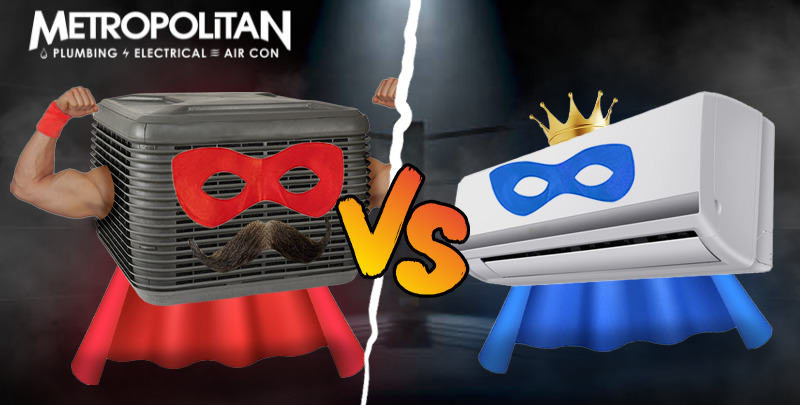
Portable air conditioners are ideal for cooling indoor spaces, while swamp coolers are more suitable for humid regions. Portable air conditioners use refrigerants to cool the air, while swamp coolers use water evaporation for cooling.
Both options have their pros and cons, so it’s essential to understand the specific needs of your environment and space before making a decision. Factors such as climate, humidity levels, energy efficiency, and maintenance requirements should all be considered when choosing between a portable air conditioner or a swamp cooler.
We will explore the differences between these two cooling options to help you make an informed choice for your cooling needs.
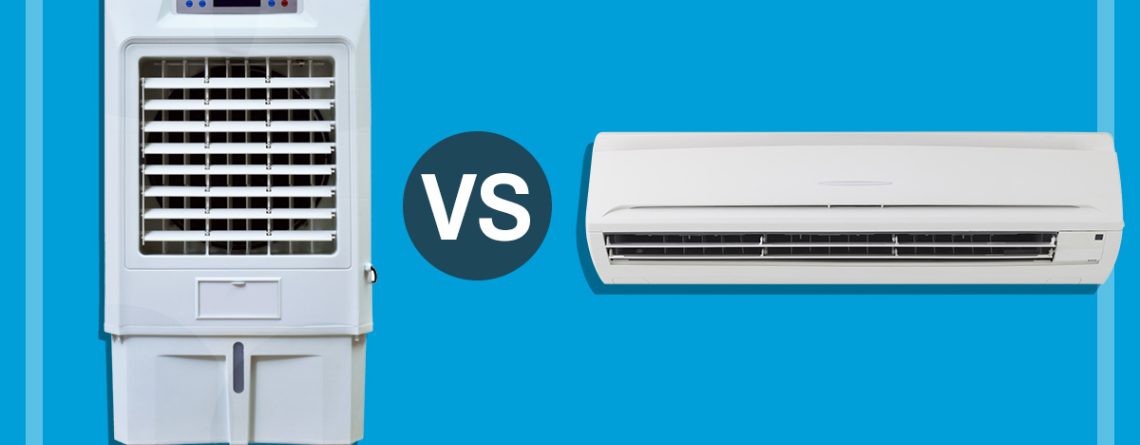
Credit: www.breezsol.com
Functionality
Portable Air Conditioner vs Swamp Cooler: Understanding the functionality of these cooling systems is essential for making the right choice.
Mechanism Of Cooling
- Portable Air Conditioner: Uses refrigerant and a compressor to cool and dehumidify the air.
- Swamp Cooler: Relies on the natural process of evaporation to cool the air.
Energy Efficiency
- Portable Air Conditioner: Typically more energy-intensive due to compressor usage.
- Swamp Cooler: Consumes less energy as it mainly relies on the evaporation process.
Suitability
Suitability of Portable Air Conditioner versus Swamp Cooler mainly depends on climate, energy efficiency, and portability needs. Portable AC provides consistent cooling but consumes more energy, while Swamp Cooler is eco-friendly and better suited for dry climates, offering cost-effective cooling solutions.
Suitability: When it comes to selecting an air cooling solution, it is important to consider the suitability of the options available. Two popular choices are portable air conditioners and swamp coolers. Both have their own set of advantages and disadvantages, but understanding the ideal environment for each can help you make an informed decision. H3: Ideal Environment for Portable Air Conditioners Portable air conditioners are highly effective in maintaining a cool and comfortable atmosphere in indoor spaces. They work by extracting hot air from the room and circulating cool air back in. Portable air conditioners are ideal for environments where humidity levels are high and temperatures are scorching. Here’s a breakdown of the ideal conditions for portable air conditioners: 1. Indoor areas with limited ventilation: – A portable air conditioner is perfect for cooling rooms that have limited or no ventilation, such as small apartments or offices without windows. 2. Humid climates: – In regions with high humidity levels, a portable air conditioner can effectively remove excess moisture from the air, creating a more pleasant indoor environment. 3. Controlling precise temperature: – With a portable air conditioner, you have the freedom to set and maintain a specific temperature, ensuring optimal comfort during hot summer days. 4. Noise-sensitive areas: – If you live in an area where noise is a concern, a portable air conditioner is a great choice. These units are designed to operate quietly, allowing you to enjoy a cool environment without any distractions. H3: Ideal Environment for Swamp Coolers Swamp coolers, also known as evaporative coolers, are an alternative cooling solution that works well in hot and dry climates. Rather than removing hot air, swamp coolers work by adding moisture to the air, resulting in a cooling effect. They are ideal for environments with low humidity levels and where fresh air circulation is possible. Take a look at the ideal conditions for swamp coolers: 1. Hot and dry climates: – A swamp cooler is perfect for regions with low humidity levels, as it can efficiently cool the air by adding moisture through evaporation. 2. Spaces with ample fresh air circulation: – To maximize the performance of a swamp cooler, it is essential to have good air circulation. This means that the cooler air is effectively distributed throughout the desired space. 3. Eco-friendly cooling: – If you are concerned about the environment, a swamp cooler is a greener option. Unlike traditional air conditioners, which use refrigerants, swamp coolers operate using natural evaporation processes, consuming much less energy. 4. Cost-effective cooling: – Swamp coolers are generally more cost-effective to operate compared to portable air conditioners. They consume less energy, resulting in lower electricity bills. Suitability is crucial when choosing between a portable air conditioner and a swamp cooler. By understanding the ideal environment for both options, you can make the right choice based on your specific needs. So whether you live in a humid or hot, dry climate, there is an air cooling solution that can bring comfort to your space.Installation And Portability
When deciding between a portable air conditioner and a swamp cooler, it’s important to consider the installation and portability. Portable air conditioners are easy to set up and can be moved from room to room, providing convenient cooling. On the other hand, swamp coolers are less portable and require permanent installation, making them more suitable for specific areas.
Setup And Installation
Setting up and installing a portable air conditioner or a swamp cooler can be a breeze with the right guidance. While both systems require some initial effort, they differ in terms of complexity and requirements. For a portable air conditioner, the setup and installation process is relatively straightforward. All you need to do is find a suitable location near a window where you can exhaust the hot air. Simply connect the exhaust hose to the unit and secure it in place. Then, plug in the power cord and adjust the settings according to your preferences. In most cases, you’ll be up and running within minutes. On the other hand, setting up a swamp cooler may require a bit more work. Typically, swamp coolers are installed on the roof or an exterior wall of the property. This involves more labor and may require professional assistance. Additionally, swamp coolers require a water source and a dedicated water line for optimal functionality. This can further complicate the installation process.Portability And Mobility
When it comes to portability and mobility, portable air conditioners have a clear advantage. These units are designed to be easily moved from room to room, thanks to their compact size and the inclusion of caster wheels. You can effortlessly roll them from one area to another without much effort. This flexibility allows you to cool specific areas of your home as needed. Swamp coolers, on the other hand, are not as portable. Once installed, they are typically fixed in position. Moving a swamp cooler requires significant effort and may involve disconnecting the water source and electrical connections. Due to their larger size and fixed installations, swamp coolers are more suitable for cooling larger areas or entire properties. In summary, portable air conditioners offer a simple and quick setup process, making them a convenient choice for those who require immediate cooling solutions. Their mobility allows for easy room-to-room cooling. In contrast, swamp coolers are more challenging to install and lack the same level of portability. However, they excel at cooling larger spaces and are ideal for long-term use in residential or commercial settings.
Credit: www.metropolitanairconditioning.com.au
Maintenance And Upkeep
Ensuring your cooling system is properly maintained is crucial for optimal performance.
Cleaning And Care For Portable Air Conditioners
- Regularly clean the air filters to ensure efficient cooling
- Check and clean the condenser coils for proper airflow
- Inspect the ducts and vents for any obstructions
- Keep the unit free of dust and debris for longevity
Maintenance Of Swamp Coolers
- Replace the cooling pads annually for optimal cooling
- Check and clean the water reservoir regularly
- Inspect and adjust water levels for efficient operation
- Ensure proper ventilation to prevent mold and mildew
Effect On Air Quality
When choosing between a portable air conditioner and a swamp cooler, considering the effect on air quality is crucial. Different devices have varying impacts on factors such as humidity levels and air filtration capability. Understanding these differences will help you make an informed decision that suits your needs.
One significant distinction between portable air conditioners and swamp coolers is their effect on humidity levels. Portable air conditioners reduce indoor humidity, creating a drier environment. By extracting moisture from the air, they help eliminate excess moisture, thus providing relief in humid climates or during summer months.
On the other hand, swamp coolers, also known as evaporative coolers, increase humidity levels. They function by passing outdoor air through moist pads to cool it down, subsequently releasing this cooled air into the room. As a result, swamp coolers introduce moisture into the environment, which can be beneficial in arid regions, especially during dry seasons or in low-humidity areas.
Another notable difference to consider is the air filtration capability of portable air conditioners and swamp coolers. Portable air conditioners come equipped with filters that help trap dust, pollen, and various airborne allergens. These filters efficiently improve indoor air quality by capturing contaminants. This aspect is especially beneficial for people with allergies or respiratory issues.
Swamp coolers, however, do not offer the same level of air filtration. As they use evaporative cooling, they do not incorporate filters meant to purify the air. While they can slightly reduce the concentration of airborne particles due to the humidity increase, they are not as effective as portable air conditioners when it comes to addressing air quality concerns.
Comparative Costs
In comparing portable air conditioners and swamp coolers, one of the most important considerations is the impact on your wallet. Let’s dive into the costs associated with each option to help you make an informed decision.
Initial Investment
When it comes to the initial investment, portable air conditioners generally require a higher upfront cost compared to swamp coolers. These nifty devices typically consist of complex components, such as compressors and refrigerant, which contribute to their higher price tag. On the other hand, swamp coolers, also known as evaporative coolers, tend to be more budget-friendly.
Portable Air Conditioners:
- Higher upfront cost due to intricate components.
- Costs can vary based on the cooling capacity and features.
- Expect to spend between $300 to $1,000 on a quality portable air conditioner.
Swamp Coolers:
- More affordable option, suitable for those on a tight budget.
- Price range typically falls between $150 to $500 depending on the model and size.
- Generally, the initial investment is significantly lower than portable air conditioners.
Operational Expenses
When considering the operational expenses, it’s important to look beyond the initial investment and take into account the ongoing costs.
Portable Air Conditioners:
- Increased energy consumption due to the need for a compressor and refrigerant.
- Monthly electricity bills can significantly rise, especially during hot summer months.
- High power usage contributes to higher operational expenses.
Swamp Coolers:
- Efficient cooling mechanism consumes less energy, translating into lower operational costs.
- The water pump and fan are the primary components, resulting in reduced power consumption.
- Operational expenses are generally lower compared to portable air conditioners, leading to potential savings on your energy bill.
Environmental Considerations
When choosing between a Portable Air Conditioner and a Swamp Cooler, it’s important to consider their environmental impact. Let’s dive into the Ecological Footprint and Resource Consumption of each option.
Ecological Footprint
The Ecological Footprint of a Portable AC is relatively higher due to its energy consumption and refrigerants use.
- Generates greenhouse gases
- High electricity consumption
On the other hand, a Swamp Cooler has a lower Ecological Footprint.
- Relies on water evaporation
- Consumes less energy
Resource Consumption
When it comes to Resource Consumption, Portable AC requires more electricity leading to increased energy demand and resource depletion.
| Portable Air Conditioner | Swamp Cooler | |
|---|---|---|
| Electricity Consumption | High | Low |
| Water Usage | Negligible | Moderate |
Choosing a Swamp Cooler can help reduce Resource Consumptionsustainability.
Credit: www.abqplumb.com
Frequently Asked Questions On Portable Air Conditioner Vs Swamp Cooler
Is A Portable Ac Better Than A Swamp Cooler?
A portable AC is better than a swamp cooler for cooling large spaces quickly and effectively. It is more efficient and provides better air quality for a comfortable indoor environment. Additionally, it functions well in humid climates, making it a more versatile cooling option.
Which Is Better Air Cooler Or Portable Air Conditioner?
Air coolers are better for dry climates, while portable air conditioners are more effective in humid areas. Choose based on your location’s climate for optimal cooling efficiency.
Is It Cheaper To Run A Swamp Cooler Or Ac?
Swamp coolers are generally cheaper to run than ACs due to their lower energy consumption.
Do Swamp Coolers Work As Well As Ac?
Swamp coolers, also known as evaporative coolers, work as well as AC in hot, dry climates. They use the natural process of evaporation to cool the air, providing a refreshing breeze. However, in humid areas, AC may be more effective in reducing humidity and providing overall comfort.
Conclusion
In the battle of portable air conditioners vs swamp coolers, each has its benefits. Consider your needs. Both options offer efficient cooling for different environments. Choose the one that fits your space and preferences. Ultimately, the choice is yours to make for a comfortable living environment.