An air handler circulates air, while an air conditioner cools and removes humidity from the air. Air handlers lack cooling function compared to air conditioners, which incorporate both cooling and dehumidifying features.
When considering which system to choose for your space, understanding the differences between an air handler and an air conditioner is essential. Each has its unique advantages and functions, so determining your specific needs will help you make an informed decision.
We will explore the distinctions between air handlers and air conditioners to help you select the most suitable option for your cooling and air circulation requirements. Whether you are looking for better air quality or improved cooling efficiency, knowing the disparities between these systems can guide you towards the right choice.

Credit: torraslife.com
Air Handler
An air handler is a crucial component of an HVAC system that plays a vital role in regulating indoor air quality and temperature. Let’s delve deeper into what an air handler is and how it functions.
Definition And Function
An air handler is responsible for circulating conditioned air throughout a building, aiding in cooling, heating, and ventilation.
Components
- Air Filter
- Blower Motor
- Evaporator Coil
- Heat Exchanger
Types
- Single-Speed Air Handlers
- Variable-Speed Air Handlers
Credit: www.amazon.com
Air Conditioner
An air handler and an air conditioner are two different components of a cooling system. While an air conditioner is responsible for cooling the air, the air handler helps distribute it throughout the space. Understanding the distinction between the two is essential for efficient and effective cooling in your home or office.
Definition And Function
An air conditioner is a cooling system designed to lower the temperature and humidity in an indoor space. It works by removing heat and moisture from the air, providing a comfortable and cool environment. Air conditioners are commonly used in homes, offices, and other buildings to maintain a comfortable living or working environment, especially during hot summer months. They are essential for creating a pleasant indoor atmosphere, promoting better productivity and well-being.
Components
An air conditioner consists of several key components, each playing a vital role in its function:
- Compressor: This component is responsible for compressing the refrigerant gas and raising its temperature.
- Condenser: The condenser receives the hot refrigerant gas from the compressor and cools it down, converting it back into a liquid form.
- Expansion Valve: This crucial component regulates the flow of refrigerant into the evaporator coil.
- Evaporator Coil: The evaporator coil is where the liquid refrigerant evaporates, absorbing heat from the indoor air, and cooling it down.
- Blower: The blower is responsible for circulating the cooled air throughout the room or building.
- Thermostat: The thermostat allows users to set and control the desired temperature, ensuring efficient operation of the air conditioner.
Types
Air conditioners come in various types, each suitable for different settings and cooling requirements:
| Type | Description |
|---|---|
| Window Air Conditioner | Designed to fit into a window frame, this type is commonly used for cooling individual rooms or small spaces. |
| Split Air Conditioner | Consists of two separate units—an indoor unit and an outdoor unit. The indoor unit is installed inside the room, while the outdoor unit contains the compressor and condenser. |
| Ducted Air Conditioning System | Ideal for cooling large areas or multiple rooms. It uses a network of ducts to distribute cooled air throughout the building. |
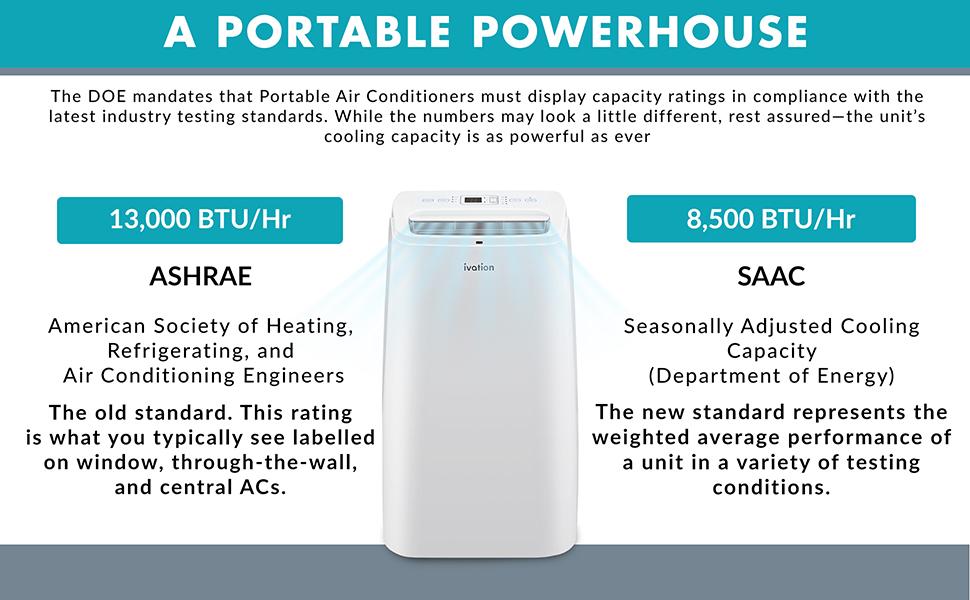
| Portable Air Conditioner | Designed for mobility and can be easily moved from one room to another. They do not require permanent installation. |
These are just a few of the common types of air conditioners available in the market. The choice of an air conditioner depends on factors such as the size of the space, cooling requirements, and budget.
Efficiency And Performance
When it comes to keeping your home cool and comfortable during the hot summer months, choosing the right cooling system is essential. Air handlers and air conditioners are both popular options, but they differ in terms of efficiency and performance. In this article, we will compare the two systems, focusing on energy efficiency and cooling performance.
Energy Efficiency
When it comes to energy efficiency, the air handler has the upper hand. Unlike the air conditioner, which relies on a separate outdoor unit to cool the air, the air handler is an all-in-one system that combines the functions of both the indoor and outdoor units. This integration reduces energy consumption and eliminates the need for ductwork.
Moreover, air handlers typically use variable speed motors, allowing them to adjust the airflow based on the cooling demand. This feature not only maximizes energy efficiency but also provides more precise temperature control, ensuring your home remains consistently comfortable.
Cooling Performance
In terms of cooling performance, air conditioners are known for their powerful and efficient cooling capabilities. They use refrigerant and a compressor to extract heat from the indoor air and release it outside. This process effectively lowers the temperature indoors and creates a comfortable environment.
On the other hand, air handlers rely on the cooling capabilities of an attached cooling coil. While this system can still effectively cool your home, it may not be as powerful as an air conditioner, especially when it comes to cooling larger spaces or handling high heat loads.
Ultimately, the choice between an air handler and an air conditioner depends on your specific cooling needs and preferences. If energy efficiency and precise temperature control are your top priorities, the air handler is a great option. However, if you require powerful and efficient cooling for larger spaces, an air conditioner may be the better choice.
Installation And Maintenance
Air handlers and air conditioners have distinct differences when it comes to their installation process and maintenance. Let’s delve into the specifics of installing and maintaining these vital HVAC components.
Installation Process
- Before installing an air handler or air conditioner, ensure your space is suitable for the unit’s specifications.
- After preparing the area, the installation process usually involves securing the unit, connecting ductwork, and wiring it correctly.
- It’s recommended to enlist the help of a professional to ensure the precise assembly and installation of the unit.
Maintenance Requirements
- Regular maintenance of both air handlers and air conditioners is crucial to ensure optimal performance.
- Cleaning or replacing filters is a common maintenance task that should be performed regularly to enhance air quality.
- Inspect and clean the coils, ductwork, and overall unit to prevent malfunctions and extend the lifespan of the equipment.
Cost Comparison
When considering an HVAC system for your home, one of the most important factors to consider is the cost. Understanding the cost comparison between air handlers and air conditioners is crucial in making an informed decision. In this section, we will explore the initial investment and operating costs of both options, giving you a clear picture of which one suits your budget.
Initial Investment
The initial investment refers to the upfront cost of purchasing and installing the HVAC system. When it comes to air handlers, the initial investment is generally lower than that of air conditioners. This is primarily because air handlers work in combination with an existing heating system, such as a furnace or a heat pump. Since the heating component is already in place, the cost of installation is reduced. Additionally, air handlers are generally less expensive than air conditioners.
Operating Costs
Operating costs, on the other hand, include the expenses incurred for running the HVAC system on a daily basis. When comparing air handlers and air conditioners in terms of operating costs, it is important to consider factors such as energy efficiency and maintenance requirements.
One advantage of air handlers is their energy efficiency. Air handlers typically consume less energy compared to air conditioners, especially when properly integrated with a high-efficiency furnace or heat pump. This can result in significant savings on your monthly energy bills, making air handlers a cost-effective option in the long run.
As for maintenance requirements, both air handlers and air conditioners need regular upkeep to ensure optimal performance and longevity. However, air handlers often require less maintenance due to their simpler design and fewer moving parts. This means lower maintenance costs for air handlers compared to air conditioners.
In summary, when comparing the initial investment and operating costs, air handlers generally have a lower initial investment and lower operating costs compared to air conditioners. However, it is important to evaluate other factors such as your specific heating and cooling needs, space restrictions, and climate conditions before making a final decision.

Credit: www.amazon.com
Suitability And Applications
Air Handler Vs Air Conditioner: Understanding the Suitability and Applications
Residential Use
In residential settings, air handlers are ideal for providing efficient and quiet air distribution in homes.
- Works well in small to medium-sized residences
- Offers customizable options for indoor comfort
- Can be integrated with existing HVAC systems
In contrast, air conditioners are commonly used to cool individual rooms or entire houses.
- Effective for cooling larger living spaces
- Suitable for areas with high summer temperatures
- Simple to install and operate
Commercial Use
Air handlers are frequently employed in commercial buildings to ensure proper ventilation and air quality.
- Designed for high-capacity cooling and heating needs
- Allow for zoning to control different areas separately
- Well-suited for office buildings, hospitals, and retail spaces
On the other hand, air conditioners are widely used in commercial settings for temperature regulation.
- Efficient for cooling large open spaces such as warehouses
- Provide quick cooling for employee comfort in offices
- Offer cost-effective cooling solutions for various businesses
Frequently Asked Questions On Air Handler Vs Air Conditioner
What Is The Difference Between An Air Conditioner And An Air Handler?
An air conditioner cools and dehumidifies air in a room, while an air handler distributes the air.
What Is The Difference Between An Air Conditioner And An Ahu?
An air conditioner cools and dehumidifies air, while an AHU – or Air Handling Unit – manages and circulates air within a building.
Do Ac Units Come With Air Handlers?
Yes, AC units come with air handlers. An air handler is a vital part for distributing conditioned air throughout the location.
Does An Air Handler Cool Air?
Yes, an air handler cools air by passing it over a coil that contains refrigerant, removing heat from the air.
Conclusion
The choice between an air handler and an air conditioner depends on your specific needs. Both have their own benefits and functions, so it’s important to consider your requirements before making a decision. Understanding the differences can help you make an informed choice for your HVAC system.