Refrigerators are larger, self-contained units for preserving food long-term, while coolers are portable, smaller containers for short-term cooling. Refrigerators and coolers serve distinct purposes in keeping food fresh and drinks cold.
Understanding the differences between the two appliances can help you choose the right one for your needs. Refrigerators are designed for long-term storage and preservation of food items, with precise temperature controls and ample space. On the other hand, coolers are ideal for short-term cooling needs, such as picnics, camping trips, and outdoor events, offering portability and convenience.
Each appliance has its unique features and benefits, so selecting the one that suits your lifestyle and requirements is essential for optimal cooling and food preservation.
The Battle Of Cooling
When it comes to keeping your food cool, refrigerators and coolers are two popular options.
Differences In Design
Refrigerators have consistent cooling and come with separate compartments. Coolers, on the other hand, use ice packs for cooling and are more portable.
Operating Mechanism
Refrigerators work through a compressor and refrigerant to maintain a low temperature. Coolers rely on thermal insulation to keep contents cool, there’s no active mechanism.
Energy Efficiency
The energy efficiency of refrigerators and coolers is an important consideration for anyone looking to purchase these appliances. Power consumption and eco-friendliness are key factors to evaluate when deciding between a refrigerator and a cooler. Let’s take a closer look at each of these aspects.
Power Consumption
The power consumption of a refrigerator refers to the amount of electricity it uses to function. Refrigerators are typically larger appliances compared to coolers, requiring more energy to cool and maintain a constant temperature. On average, a refrigerator consumes approximately 100-500 watts of electricity, depending on the size, efficiency, and features of the model.
Coolers, on the other hand, come in different types and sizes. Passive coolers, such as ice chests, do not require any electricity and rely solely on ice or other cooling materials to keep the contents cold. Active coolers, like thermoelectric coolers, use only a few watts of electricity to maintain a cool temperature. However, it’s worth noting that they are not as effective in extreme temperatures as refrigerators.
Eco-friendliness
Evaluating the eco-friendliness of a refrigerator or a cooler involves considering the environmental impact of their operation and production. Refrigerators, particularly older models, can consume significant amounts of energy, contributing to greenhouse gas emissions and increased carbon footprint.
In recent years, manufacturers have made efforts to improve the energy efficiency of refrigerators by introducing models with Energy Star ratings. These energy-efficient refrigerators help reduce electricity usage and lower environmental impact. However, it’s important to note that refrigerators still require a constant energy source to function.
Coolers, on the other hand, have a smaller environmental impact since some types, particularly passive coolers, do not rely on electricity or any chemicals. They are a more eco-friendly option for short-term cooling needs, such as outdoor activities or picnics, as they don’t contribute to electricity consumption or harmful emissions.
Storage Capacity
When deciding between a refrigerator and a cooler, one of the key factors to consider is their storage capacity. Both appliances offer different levels of space utilization and flexibility in use, which can greatly impact your food storage needs.
Space Utilization
A refrigerator provides a higher level of space utilization compared to a cooler. With designated compartments, shelves, and drawers, you can organize your food items in an efficient manner. This ensures that you make the most out of the available space and easily locate what you need when you need it. Additionally, refrigerators often come with adjustable shelves and door storage options, allowing you to customize the space according to your requirements.
On the other hand, coolers are generally designed with fewer compartments and limited organizational features. While they may offer ample storage space, finding specific items can be challenging without proper organization. This is especially true if you have a large quantity of perishable items or if you frequently access your cooler for different purposes.
Flexibility In Use
Refrigerators offer greater flexibility in use due to their ability to maintain a consistent temperature and accommodate various types of food items. They can effectively store perishable goods, beverages, and even frozen items, allowing you to have a diverse range of options. The temperature control feature also ensures that the stored food remains fresh for longer periods, reducing the risk of spoilage.
Coolers, on the other hand, are primarily designed for short-term storage and transportation of food items. They are often used for picnics, camping trips, or outdoor events where a power source may not be readily available. While coolers can keep your food chilled for a limited time, they may not maintain a consistently low temperature like a refrigerator. This makes them less suitable for long-term storage of perishable items.
In summary, the choice between a refrigerator and a cooler largely depends on your storage requirements and usage preferences. If you require a higher storage capacity, efficient organization, and long-term food preservation, a refrigerator is the ideal choice. On the other hand, if you need a portable and temporary cooling solution for short trips or events, a cooler can suit your needs.
Cooling Performance
When comparing refrigerators and coolers, understanding their cooling performance is crucial. Let’s delve into two key aspects under this category.
Temperature Control
Refrigerators offer precise temperature control with adjustable settings.
Longevity Of Coolness
Coolers can maintain coolness for an extended period without power.
Portability And Mobility
Refrigerators and coolers serve different roles based on their portability and mobility.
Ease Of Transportation
Refrigerators are typically bulkier and heavier, making them less portable than coolers.
Adaptability In Various Environments
Coolers are more versatile and adaptable to various settings due to their compact size and lightweight design.

Credit: www.amazon.com
Economic Viability
A common dilemma many people face when it comes to food storage is whether to invest in a refrigerator or a cooler. Understanding the economic viability of each option is crucial in making an informed decision. This article delves into the initial cost and long-term investment associated with both refrigerators and coolers.
1. Initial Cost
When considering the initial cost, coolers undoubtedly have the upper hand. Depending on the size and features, a quality cooler can be purchased for as low as $20 to $50. On the other hand, refrigerators tend to be significantly more expensive, with prices ranging from $200 to $2000, depending on the size, brand, and additional features such as ice dispensers, temperature control, etc.
In terms of affordability and accessibility, coolers have an advantage over refrigerators, especially for those on a tight budget or for those who need a temporary storage solution.
2. Long-term Investment
While coolers may seem like a cost-effective option initially, they come with certain limitations. Coolers primarily rely on ice to keep food and beverages cold and fresh. This means additional expenditures for ice replenishment, especially for extended periods of use or during hot weather conditions.
Refrigerators, on the other hand, offer a more sustainable and long-term solution. Once installed, refrigerators provide continuous cooling without the need for ice replenishment. While there is a marginal increase in electricity bills due to their operation, modern refrigerators are designed to be energy efficient, reducing overall energy consumption.
Additionally, refrigerators provide better temperature control, allowing for adjustable cooling settings to accommodate specific storage requirements. This makes a significant difference when storing delicate or perishable items for an extended period.
Considering the long-term investment, refrigerators prove to be a more practical choice. Although the initial cost may be higher, their durability, efficiency, and convenience make them a worthwhile investment in the long run.
When weighing the economic viability of refrigerators versus coolers, it is essential to take into account the initial cost and long-term investment. While coolers offer a cheaper upfront expense, refrigerators provide a more sustainable and convenient solution for food storage.
Use Cases
Refrigerators and coolers are essential appliances that help in preserving food and beverages at specific temperatures. Understanding their various use cases is crucial when deciding which one suits your needs. Let’s take a closer look at the two primary use cases for refrigerators and coolers: home and domestic use, and outdoor and recreational use.
Home And Domestic Use
When it comes to home and domestic use, refrigerators are the go-to appliance for most households. These versatile machines are designed to store and preserve a wide range of perishable items, including fruits, vegetables, dairy products, meat, and leftovers. Refrigerators offer a controlled and consistent temperature environment, ensuring that your food stays fresh for longer periods.
Refrigerators also come with additional features like adjustable shelves, vegetable crisping drawers, and door compartments, which allow you to organize your food items efficiently. This makes them an ideal choice for families and individuals who require ample storage space for their day-to-day food needs.
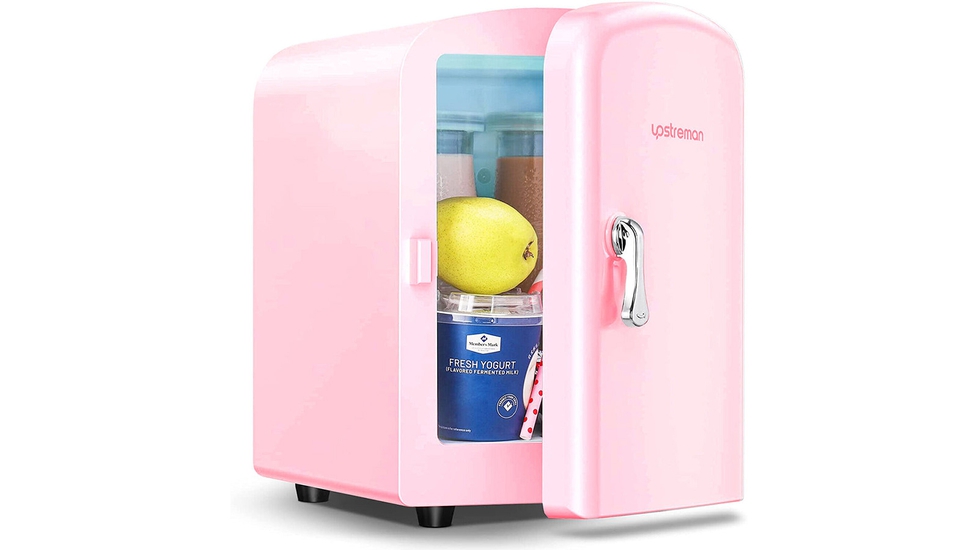
On the other hand, coolers are commonly used as a secondary storage option in homes. These portable, lightweight containers are perfect for short-term storage and specific occasions. Coolers are great for keeping drinks and snacks chilled during parties, picnics, or barbecues. Their insulated design helps maintain the desired temperature for a limited time, making them suitable for temporary storage.
While refrigerators provide a larger and more convenient storage solution, coolers are beneficial in situations where portability and temporary cooling are required. For example, if you are hosting a gathering in your backyard, a cooler can come in handy for keeping your beverages cool and easily accessible.
Outdoor And Recreational Use
When it comes to outdoor and recreational use, coolers are the preferred choice due to their mobility and ability to preserve the temperature of perishable items on the go. Whether you are going on a camping trip, hiking adventure, or a day at the beach, coolers offer the convenience of keeping your food and drinks chilled for extended periods without the need for electricity.
Coolers are designed with heavy-duty insulation that helps maintain the cold temperatures, even in hot weather conditions. They are available in various sizes, from small personal coolers to large ice chests, catering to different outdoor activities and group sizes. Some coolers also come equipped with features like wheels, handles, and built-in cup holders for added convenience.
While refrigerators provide a reliable and consistent cooling solution, they are limited to indoor use and require a power source. On the other hand, coolers provide the flexibility to venture outdoors while still keeping your perishable items fresh and safe to consume.

Credit: www.instagram.com
Environmental Impact
Refrigerators have a higher environmental impact than coolers due to their energy consumption and chemical refrigerants. Coolers, on the other hand, rely on ice packs and are more energy-efficient, making them a greener choice for preserving food and beverages.
Carbon Footprint – Refrigerators produce more greenhouse gas emissions due to continuous energy consumption. – Coolers, being mobile and requiring no electricity, have a lower carbon footprint. – Opting for coolers can help reduce carbon emissions significantly. Waste Management – Refrigerators contribute to electronic waste upon disposal. – Coolers are more environmentally friendly in terms of waste management. – Coolers can be reused and have less impact on landfills. In summary, choosing a cooler over a refrigerator can positively impact the environment through lower carbon emissions and better waste management.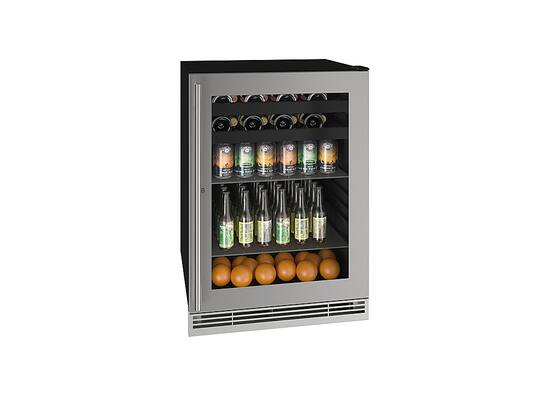
Credit: www.bestbuy.com
Frequently Asked Questions For Refrigerator Vs Cooler
What Is The Difference Between A Cooler And Refrigerator?
A cooler uses ice or cold packs to keep items cool, while a refrigerator uses electricity to cool items.
Can I Use A Cooler As A Fridge?
Yes, you can use a cooler as a fridge by adding ice packs or dry ice to keep items cool.
What Is The Difference Between A Portable Cooler And A Fridge?
A portable cooler keeps items cool using ice or gel packs, while a fridge uses electricity to cool items.
What Is The Difference Between A Refrigerator And A Chiller?
A refrigerator is used for storing food at low temperatures, while a chiller is specifically designed for cooling liquids or air in industrial settings. The main difference lies in their intended use and the size of the space they can cool.
Conclusion
In determining between a refrigerator and cooler, assess your needs to make the right choice. Consider factors like space, convenience, and usage frequency. Both appliances provide distinct advantages, so pick the one that best aligns with your lifestyle. It’s all about functionality and practicality!