Proper freezer maintenance includes cleaning regularly and checking seals for leaks to prevent breakdowns. Neglecting maintenance can lead to costly repairs and loss of stored food.
Freezer maintenance is crucial for ensuring the longevity and efficiency of your appliance. By following a few simple steps, you can keep your freezer running smoothly and avoid any unexpected issues. In this guide, we will discuss the importance of freezer maintenance, provide practical tips for upkeep, and explain how regular maintenance can save you money in the long run.
Whether you use your freezer at home or in a commercial setting, these maintenance tips will help you keep your appliance in top condition.
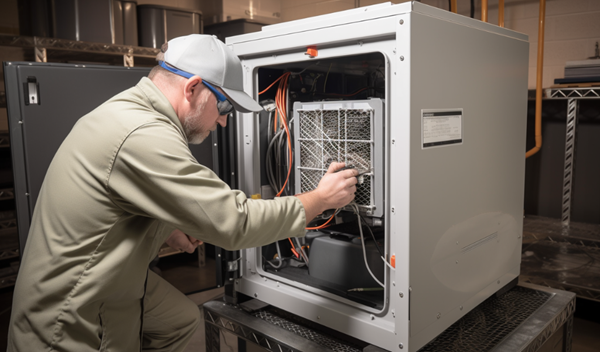
Credit: www.hospitalityhub.com.au
Cleaning And Defrosting
Maintaining your freezer is essential, and regular cleaning and defrosting are key. By taking these steps, you can keep your freezer running efficiently and ensure your food stays fresh for longer periods.
Cleaning and defrosting are essential tasks to maintain the efficiency and longevity of your freezer. Proper maintenance helps in keeping your food fresh and your freezer running smoothly. Let’s delve into the specifics of cleaning and defrosting to ensure your freezer stays in top condition for longer periods. “`htmlClearing Out And Cleaning The Interior
“` To start the process, clear out the contents of your freezer. Dispose of any expired or freezer-burned items and set aside the rest in a cooler to keep them frozen while you work. Remove the shelves and drawers and wash them with mild soapy water. Wipe down the interior of the freezer with a solution of equal parts water and vinegar to remove any lingering odors and stains. Dry the interior thoroughly before reassembling the shelves and drawers. Doing this on a regular basis keeps your freezer clean and your food fresh. “`htmlDefrosting Properly
“` Defrosting is crucial to prevent ice buildup that can affect the performance of your freezer. If your freezer does not have a self-defrosting feature, regular manual defrosting is necessary. Turn off the freezer and place towels around the base to catch any melting ice. Allow the ice to thaw naturally or expedite the process by placing bowls of hot water inside the freezer. Never use sharp objects to chip away the ice as this can damage the freezer. Once the ice has melted, dry the interior thoroughly and switch the freezer back on. This regular defrosting routine will maintain the efficiency of your freezer and extend its lifespan. By adhering to these cleaning and defrosting practices, you can ensure that your freezer remains in optimal working condition, keeping your food fresh and your energy bills low.
Credit: medium.com
Temperature Control
Proper temperature control is essential for maintaining the efficacy of your freezer and extending its lifespan. Maintaining the right temperature ensures your food stays fresh and safe.
Setting The Right Temperature
Setting the ideal temperature for your freezer is crucial for efficient performance. Aim to keep the temperature between -18°C and -20°C to ensure food preservation.
Calibrating The Thermostat
Regularly calibrating the thermostat helps maintain accurate temperature control. Consult your manual to adjust the settings if necessary
Door Seal Check
Regular freezer maintenance is crucial for keeping your appliance running efficiently and ensuring that your food stays fresh for longer. One important aspect of freezer maintenance is the door seal check. Over time, the door seal can become worn or damaged, leading to air leaks that can compromise the cooling performance of your freezer. In this section, we will discuss how to inspect for air leaks and replace worn seals to keep your freezer running smoothly.
Inspecting For Air Leaks
Inspecting your freezer for air leaks is a simple task that can be done easily at home. Here are the steps to follow:
- Close the freezer door and make sure it is properly sealed.
- Place a piece of paper or a dollar bill between the door and the freezer cabinet.
- Gently pull the paper or bill out. If you feel resistance or if the paper does not slide out easily, it means that the door seal is intact and there are no air leaks. Congratulations!
- However, if the paper or bill slides out easily without any resistance, it indicates that there is an air leak. Don’t panic! You can easily fix this issue by replacing the worn or damaged door seal.
Replacing Worn Seals
If you have identified an air leak during the inspection, it’s time to replace the worn or damaged door seal. Here’s how:
- First, unplug the freezer and remove any items stored inside.
- Inspect the existing door seal and identify any areas that are cracked, torn, or no longer sealing properly.
- Measure the dimensions of the existing seal, as you will need this information to purchase the correct replacement seal.
- Remove the old seal by gently pulling it away from the freezer door.
- Clean the area where the old seal was attached, ensuring that there is no debris or residue left behind.
- Take the new seal and position it along the edge of the freezer door.
- Press the seal firmly into place, making sure that it adheres to the door all the way around.
- Once the new seal is securely in place, plug the freezer back in and return the items to the freezer.
By regularly inspecting and replacing worn door seals, you can maintain the efficiency and performance of your freezer. This simple maintenance task will not only help you save energy and reduce electricity bills but also ensure that your food stays frozen and fresh for longer.
Condenser Coil Cleaning
Proper maintenance of freezers includes regular condenser coil cleaning to ensure efficient cooling and prevent breakdowns. Clean coils improve energy efficiency and prolong the lifespan of the freezer, ultimately saving on repair costs and keeping your food fresh for longer.
Importance Of Clean Coils
Proper maintenance of your freezer’s condenser coils is crucial for its efficient performance and longevity.
When dirt and debris accumulate on the coils, it forms a layer that restricts the airflow. This obstruction puts extra strain on the compressor, causing it to work harder and consume more energy.
A dirty condenser coil can increase the energy consumption of your freezer by up to 30%!
Additionally, the build-up on the coils can lead to overheating, which may result in system failure. This can be costly to repair and inconvenience you with the loss of stored items.
Regularly cleaning the condenser coils will not only save you money but also extend the lifespan of your freezer.
How To Clean The Coils
Cleaning the condenser coils of your freezer is a relatively simple task that you can easily perform yourself. Here is a step-by-step guide:
- First, unplug the freezer from its power source. Safety is essential, so avoid any potential hazards.
- Locate the condenser coils, which are usually located either at the back or underneath the freezer.
- Remove any items or obstacles that may be blocking access to the coils.
- Gently vacuum the coils with a brush attachment. This will help remove loose debris and dust. Make sure to be thorough in your cleaning.
- If the coils are particularly dirty, you can use a coil cleaning solution. Apply the solution according to the manufacturer’s instructions and let it sit for the specified time.
- Rinse the coils with water to remove any cleaning solution residue. Allow them to dry completely before proceeding.
- Once the coils are dry, replace any covers or panels you removed earlier.
- Plug the freezer back in and ensure it is running properly.
Performing this cleaning routine every six months is recommended, but it may vary depending on the usage and environment. Keep in mind that a clean freezer also contributes to better food preservation.
Organizing And Air Circulation
To ensure optimal freezer maintenance, it’s crucial to organize items properly for efficient air circulation. This allows cold air to flow freely, preventing the accumulation of ice and maintaining a consistent temperature throughout the freezer. Regularly arranging and rotating the contents in the freezer helps to prevent frost buildup and preserves the quality of stored food.
Organizing and Air Circulation: Maximizing Airflow Best Practices for Organizing Items It’s essential to maintain proper air circulation in your freezer to ensure efficient cooling and prevent frost build-up. Maximizing airflow within the freezer can help maintain a consistent temperature and extend the lifespan of your appliance. When storing items in your freezer, follow best practices for organizing items to optimize space and airflow. Use containers or bins to keep similar items together and make it easier to find what you need. Regularly declutter and remove items that are no longer needed to free up space. For proper air circulation, avoid overpacking your freezer, as this can block vents and restrict airflow. Keep a clear space between items to allow cold air to circulate freely, ensuring all items are properly cooled. Utilize shelves, drawers, and door compartments effectively to keep items organized and ensure adequate airflow throughout the freezer. Regularly rearrange items to prevent cold spots and maintain a consistent temperature. By implementing these practices for organizing items and maximizing airflow, you can optimize the performance of your freezer and keep your stored food fresh for longer.
Credit: www.hospitalityhub.com.au
Routine Maintenance Schedule
Keeping your freezer in good working condition is essential to ensure the longevity and performance of the appliance. Implementing a regular routine maintenance schedule can help prevent malfunctions and costly repairs. By adhering to a routine maintenance plan, you can extend the lifespan of your freezer and keep your food stored safely for longer periods.
Weekly Tasks
Performing weekly maintenance tasks helps keep your freezer clean and organized. These simple tasks can be completed quickly and efficiently for optimal freezer performance:
- Check the temperature settings to ensure they are at the recommended level for food preservation.
- Inspect the door gasket for any signs of wear or damage. Replace if necessary to maintain a tight seal.
- Remove any ice buildup from the freezer walls using a plastic scraper or a soft cloth.
- Clean the interior shelves and drawers, removing any spills or food debris.
Monthly Tasks
In addition to the weekly tasks, monthly maintenance tasks focus on deeper cleaning and inspection. These tasks are important to maintain the efficiency of your freezer:
- Empty the freezer and defrost it, removing all the ice buildup. It helps improve energy efficiency and prevent frost buildup.
- Clean the condenser coils located at the back or underneath the freezer. Use a vacuum or a soft brush to remove any dust or debris.
- Inspect the freezer for any signs of damage, including cracks in the walls or broken shelving. Address any necessary repairs promptly.
- Wipe the exterior of the freezer, including the control panel, with a damp cloth to remove any dirt or fingerprints.
Annual Maintenance
Annual maintenance tasks aim to optimize the performance and longevity of your freezer. By addressing these tasks once a year, you can ensure your freezer is operating at its best:
| Task | Description |
|---|---|
| Clean and sanitize the freezer | Thoroughly clean the entire interior of the freezer using a mild detergent and warm water. Rinse and dry thoroughly before use. |
| Inspect the door seal | Check the door gasket for any signs of wear or damage. Replace if necessary to maintain a tight seal. |
| Check the power cord | Ensure the power cord is in good condition and free from fraying or damage. If any issues are found, contact a professional for repair or replacement. |
| Test the freezer temperature | Use a refrigerator/freezer thermometer to ensure the internal temperature is within the recommended range for safe food storage. |
Following a routine maintenance schedule and completing the necessary tasks can significantly improve the performance of your freezer, prolong its lifespan, and save you from unexpected breakdowns. By investing a little time into proper freezer maintenance, you can enjoy the benefits of a well-functioning appliance and preserve your food for longer, reducing wastage and saving money in the long run.
Troubleshooting And Professional Help
Freezer maintenance is crucial to ensure the efficient functioning of your appliance. However, if you encounter issues despite regular maintenance, troubleshooting and seeking professional help becomes essential.
Common Issues And Solutions
- Freezer not cooling: Check the temperature settings and ensure proper ventilation around the freezer.
- Excessive frost build-up: Defrost the freezer regularly and check the door seal for any gaps.
- Strange noises: Clean the condenser coils and make sure the freezer is level on the ground.
- Water leakage: Check the drain tube for clogs and ensure it is properly connected.
When To Call For Professional Assistance
- Persistent issues: If problems continue after troubleshooting, it’s time to call a professional.
- Electrical issues: For any electrical problems or wiring issues, seek expert assistance immediately.
- Coolant leaks: If you notice coolant leaks, it’s critical to contact a professional for repair.
Remember, maintaining your freezer is essential, but when facing persistent or complex issues, seeking professional help can prevent further damage and ensure the longevity of your appliance.
Frequently Asked Questions For Freezer Maintenance
What Maintenance Does A Freezer Need?
To maintain a freezer, clean regularly, defrost as needed, check seals for gaps, and keep it full for efficient cooling. Regular maintenance increases efficiency and prolongs the lifespan of the appliance.
How Do I Service My Freezer?
To service your freezer, regularly defrost, clean interior with soapy water, check seals, maintain proper temperature, and clean condenser coils.
How Do You Maintain A Fridge Freezer?
To maintain a fridge freezer: 1. Clean the interior regularly to prevent odors and bacteria buildup. 2. Defrost the freezer regularly to ensure efficient cooling. 3. Check and clean the condenser coils at least twice a year for optimal performance. 4.
Keep the temperature set between 3-5°C for the fridge and -18°C for the freezer. 5. Avoid overloading the fridge or freezer to maintain proper airflow.
How Often Should You Service Your Freezer?
You should service your freezer at least once a year.
Conclusion
In maintaining your freezer, regular cleaning prevents odors, extends appliance lifespan, and ensures food freshness. Remember to defrost and organize regularly to optimize freezer efficiency. By following these simple maintenance tips, you can keep your freezer in top condition for years to come.