Frost free freezers automatically prevent ice buildup, while manual defrost freezers require periodic defrosting. Frost free units are convenient but may be less energy-efficient than manual defrost freezers.
Additionally, manual defrost freezers tend to be quieter and more cost-effective in the long run. Depending on your preferences for maintenance and energy consumption, choosing between the two freezer types can impact your overall food storage experience. Both options have their advantages and drawbacks, so it’s important to understand your needs and lifestyle before making a decision.
Whether you prioritize convenience or energy efficiency, selecting the right freezer can enhance the functionality of your kitchen and preserve your frozen goods effectively.

Credit: www.amazon.com
Understanding Frost Free Freezers
Frost free freezers are a popular option for many households due to their convenience and practicality. Understanding how these freezers work and the benefits they offer can help you make an informed decision when choosing the right freezer for your needs.
How Frost Free Freezers Work
Frost free freezers use a defrosting mechanism that automatically prevents the buildup of ice inside the freezer. This is achieved through the use of a fan and heating element that work together to remove any excess moisture and prevent frost from forming on the freezer walls and shelves. The fan circulates the air inside the freezer, while the heating element melts any ice that may have formed.
Pros And Cons
- Convenience: Frost free freezers require minimal maintenance as they do not need to be manually defrosted, saving you time and effort.
- Fresher Food: By preventing the buildup of frost, these freezers help to maintain a more consistent temperature, which can keep your food fresher for longer.
- Improved Organization: With no frost to contend with, it’s easier to access and arrange items within the freezer.
- Energy Efficient: Frost free freezers typically consume less energy compared to manual defrost freezers.
- Noisier Operation: The fan and heating element in frost free freezers can create more noise compared to manual defrost freezers.
- Higher Initial Cost: Frost free freezers may have a higher upfront cost compared to manual defrost models.
- Less Suitable for Long-Term Storage: The consistent air circulation in frost free freezers may not be ideal for long-term storage of certain items.
- Potential for Freezer Burn: In some cases, the constant air circulation in frost free freezers can lead to freezer burn on food items.
Credit: csapplianceservice.com
Insight Into Manual Defrost Freezers
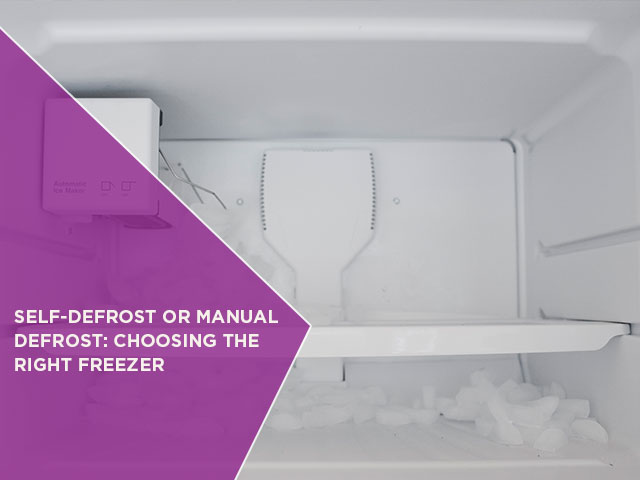
Manual defrost freezers require periodic maintenance to prevent ice buildup.
Manual Defrost Freezer Operation
This type of freezer needs to be manually defrosted regularly to remove accumulated ice.
Advantages And Disadvantages
- Advantages:
- Cost-effective option
- Enhanced energy efficiency
- No risk of malfunctions due to the lack of automatic features
- Disadvantages:
- Requires manual effort for defrosting
- Potential temperature fluctuations during defrosting
- Less convenient compared to frost-free freezers
Comparison Of Time And Effort
Comparing the time and effort involved in maintaining a frost-free freezer versus a manual defrost freezer reveals significant differences. The frost-free option saves time as it eliminates the need for manual defrosting, while a manual defrost freezer requires occasional defrosting, which can be time-consuming and labor-intensive.
Ultimately, the choice depends on individual preferences and lifestyle.
Comparison of Time and Effort When it comes to choosing a freezer, one of the key factors to consider is the defrosting process. Frost-free freezers have gained popularity due to their convenience, but manual defrost freezers still have their advantages. In this section, we will delve into the time and effort required for defrosting and maintenance in each type of freezer. Defrosting Process In a frost-free freezer, the defrosting process is automated, meaning you don’t have to manually remove ice buildup. This is achieved through an automatic defrosting cycle that periodically heats the freezer coils to melt any ice accumulation. As a result, you are spared the task of taking everything out of the freezer and defrosting it manually. This not only saves you time but also eliminates the hassle of chipping away at stubborn ice. On the other hand, manual defrost freezers require you to defrost them manually whenever ice buildup becomes noticeable. This involves disconnecting the power, removing all the food, and letting the ice melt naturally or speeding up the process with the help of a gentle heat source. Once the ice has melted, you then have to drain the water from the freezer and clean the interior before putting the food back in. This process can be time-consuming and requires planning ahead to ensure you have enough space to temporarily store your frozen goods. Maintenance Time and Frequency When it comes to maintenance, frost-free freezers are generally easier to manage. Since they automatically defrost, you don’t have to set aside dedicated time for defrosting. However, it’s important to note that frost-free freezers consume more energy and their mechanisms can be susceptible to breakdowns. Thus, it’s essential to schedule regular maintenance to keep them running efficiently. On the other hand, manual defrost freezers require more maintenance in terms of defrosting, but they tend to be more reliable in the long run. With regular defrosting, which is typically recommended every six months or as needed, manual defrost freezers can provide you with reliable and efficient performance. Additionally, manual defrost freezers consume less energy compared to their frost-free counterparts, saving you money on your energy bills and contributing to a more eco-friendly household. In Summary In conclusion, the decision between a frost-free and manual defrost freezer ultimately depends on your personal preferences and lifestyle. If you prefer a freezer that requires less frequent maintenance, a frost-free freezer may be the better choice for you. However, if you don’t mind occasional defrosting and prioritize energy efficiency and reliability, a manual defrost freezer could be the way to go. Consider the defrosting process and maintenance time and frequency when making your decision, and choose the freezer that best suits your needs.Energy Efficiency And Cost Comparison
When choosing between a frost-free and a manual defrost freezer, considering their energy efficiency and long-term financial impact is crucial. This section will examine their electricity usage and long-term financial considerations.
Electricity Usage
The electricity usage of a freezer is an important factor to consider, both for the environment and your monthly utility bill. Frost-free freezers are designed to prevent the buildup of frost on the walls and shelves, which means they require a built-in mechanism to periodically defrost themselves. This mechanism requires the freezer to use small electric heating elements to raise the temperature and melt any accumulated ice. As a result, frost-free freezers often consume more electricity than their manual defrost counterparts.
In contrast, manual defrost freezers do not have a continuous defrost cycle. Instead, you need to manually defrost them when the ice buildup reaches a certain threshold. This simple process involves unplugging the freezer, removing all the contents, and allowing the ice to melt naturally or using a gentle heat source. Since manual defrost freezers do not rely on electric heaters, they tend to be more energy-efficient.
Long-term Financial Considerations
While the initial purchase price of a freezer is an important consideration, it is equally crucial to assess its long-term financial impact. Frost-free freezers may appear to be more convenient because you don’t have to defrost them manually. However, their higher electricity consumption can substantially increase your monthly electricity bill over time. This higher energy usage not only results in higher costs but also contributes to a larger carbon footprint.
On the other hand, manual defrost freezers may require occasional defrosting, which can be a bit time-consuming. However, the lower electricity usage offsets this inconvenience by resulting in substantial cost savings. By defrosting the freezer manually just a few times a year, you can significantly reduce your energy consumption, saving both money and the environment in the long run.
In summary, when it comes to energy efficiency and long-term financial considerations, manual defrost freezers tend to be the preferred choice. They consume less electricity, which translates into lower utility bills and a reduced impact on the environment.
Suitability For Different Needs
Residential Use
Frost-free freezers are ideal for busy households with limited time for manual maintenance.
Manual defrost freezers are cost-effective for residential use with occasional defrosting needs.
Commercial Use
Frost-free freezers are suitable for businesses requiring high efficiency and less downtime.
Manual defrost freezers are preferred in commercial settings with consistent temperature needs.
Choosing The Right Freezer For You
Choosing the right freezer for you entails considering the advantages and disadvantages of frost-free and manual defrost options to find the most suitable option for your needs.
Factors To Consider
- Storage Needs: Evaluate your storage needs to determine the size of the freezer required.
- Energy Efficiency: Consider the energy consumption of each type of freezer to save on utility bills.
- Convenience: Think about the maintenance and ease of use of each type of freezer.
Decision-making Tips
- Assess Your Usage: Determine how often you will be accessing the freezer to decide on the defrost type.
- Consider Space: Check the available space in your kitchen before choosing between frost-free and manual defrost.
- Long-Term Cost: Factor in the initial cost and potential maintenance expenses of each type over time.

Credit: www.amazon.com
Frequently Asked Questions Of Frost Free Vs Manual Defrost Freezer
Should I Buy Frost-free Or Manual Defrost Freezer?
Opt for a frost-free freezer for hassle-free maintenance and no manual defrosting needed.
What Are The Disadvantages Of A Frost-free Freezer?
Frost-free freezers may cause freezer burn due to automatic defrosting, impacting food quality. They are also more expensive to purchase and may experience more mechanical failures.
Which Is Better Defrost Or No Frost Freezer?
Defrost freezers require manual defrosting, while No Frost freezers automatically prevent ice build-up. No Frost freezers are better as they eliminate the need for manual defrosting, saving time and effort.
What Is The Benefit Of A Manual Defrost Freezer?
A manual defrost freezer saves energy, reduces frost buildup, and maintains a more constant temperature for food storage.
Conclusion
In deciding between Frost Free and Manual Defrost freezers, consider your lifestyle and needs. Both options have pros and cons, so choose what suits you best. Whether it’s convenience or energy efficiency, make an informed choice for your home. Your freezer should align with your priorities and make life easier.