Dehydrators remove moisture by circulating air; freeze dryers freeze and remove moisture by sublimation. Both methods preserve food by eliminating moisture content.
When preserving food, the choice between a dehydrator and freeze dryer depends on the specific needs and preferences of the individual. Understanding the differences between these two methods can help in making an informed decision. Dehydrators are generally more affordable and compact, making them suitable for home use.
On the other hand, freeze dryers are more expensive but retain more nutrients and flavors in the food. By exploring the unique pros and cons of each, individuals can determine the best option for their food preservation needs.
Dehydrator Method
The Dehydrator method is a popular preservation technique that involves removing moisture from food to extend its shelf life. This process uses low heat over a prolonged period to draw out the water content, resulting in a lightweight, portable, and durable food product.
Process Overview
1. Preparation: Food items are sliced or chopped into uniform pieces to ensure consistent drying.
2. Loading: The prepared food is placed on the dehydrator trays, ensuring proper spacing for air circulation.
3. Drying Time: The dehydrator heats the food at a low temperature for several hours, causing the moisture to evaporate.
Resulting Food Quality
1. Texture: Dehydrated foods have a chewy or crispy texture, depending on the food type and drying duration.
2. Nutrient Retention: While some nutrients may be lost during the dehydration process, the overall nutritional value of the food is well-preserved.
3. Taste: Dehydrated foods maintain their natural flavors and can even become more concentrated, enhancing their taste.
Freeze Dryer Method
The freeze dryer method is a cutting-edge food preservation technique that retains the taste, texture, and nutrients of foods without compromising on quality.
Process Overview
Freeze drying involves freezing the food at extremely low temperatures and then gradually reducing the surrounding pressure to remove moisture through sublimation.
Resulting Food Quality
- Preserves Nutrients: Ensures minimal nutrient loss, keeping the food’s vitamins and minerals intact.
- Enhanced Shelf Life: Extends the shelf life of foods significantly compared to other preservation methods.
- Retained Taste and Texture: Maintains the original flavor, aroma, and texture of the food post-rehydration.
Comparison Of Preservation Methods
When it comes to preserving food, two popular methods stand out: dehydrating and freeze drying. Both techniques extend the shelf life of food items and preserve their nutritional value. In this blog post, we’ll compare these preservation methods based on three key factors: preservation duration, nutrient retention, and flavor and texture preservation.
Preservation Duration
One important aspect to consider when choosing a preservation method is how long the food will remain edible. Dehydrated foods typically have a shorter shelf life compared to freeze-dried foods. While dehydrated fruits, vegetables, and jerky can last for several months when stored properly, freeze-dried goods can often be consumed for years after the preservation process. This is due to the difference in moisture levels between the two methods. Dehydration removes a significant amount of moisture, but freeze-drying eliminates nearly all moisture, greatly extending the preservation duration.
Nutrient Retention
Preserving the nutrients in food is crucial for maintaining a healthy diet. When it comes to nutrient retention, freeze drying takes the crown. This method involves freezing the food, then using a vacuum to extract moisture in the form of ice crystals. By removing water at extremely low temperatures, freeze drying minimizes the loss of essential nutrients, including vitamins, minerals, and antioxidants. On the other hand, dehydration relies on heat to eliminate moisture, which may result in a higher loss of nutrients compared to freeze drying.
Flavor And Texture Preservation
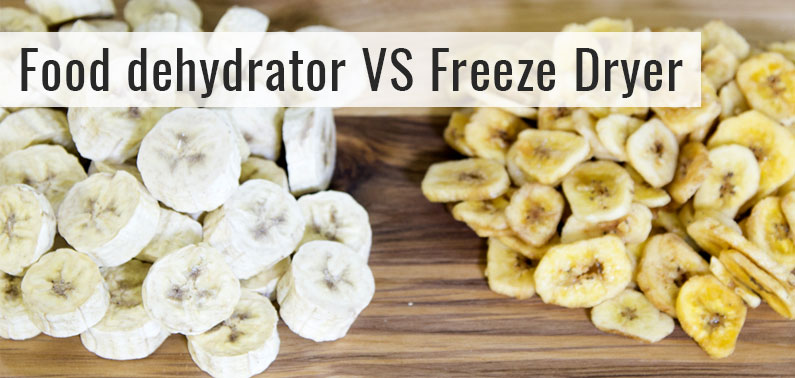
The preservation method you choose can also impact the taste and texture of the preserved food. Dehydrated foods tend to maintain their original taste but can become chewy or tough in texture. On the contrary, freeze-dried foods retain both their flavor and texture remarkably well. This is because freeze drying involves sublimation, where moisture transitions from a solid state to a gas without passing through the liquid phase. As a result, freeze-dried foods often retain their original characteristics, giving you a delicious and crispy eating experience.
In conclusion, both dehydrating and freeze drying are effective preservation methods, but they differ in preservation duration, nutrient retention, and flavor and texture preservation. While dehydrating is a suitable option for short-term preservation, freeze drying offers a longer shelf life for food items. For those seeking maximum nutrient retention and flavor preservation, freeze drying is the superior choice. Consider your specific needs and preferences when deciding which method to use for preserving your food.

Credit: homesteadingfamily.com
Practical Applications
Dehydrators and freeze dryers are both valuable appliances when it comes to preserving food. They offer convenient and efficient ways to extend the shelf life of various products, but their practical applications may differ depending on the setting. Let’s take a closer look at how these machines can be used in both home and commercial environments.
Home Use
Dehydrators have become a popular addition to many home kitchens, enabling individuals to create their own healthy snacks, preserve fruits and vegetables, and even make jerky. These compact appliances remove the moisture from food, allowing it to last longer without the use of chemicals or additives. By using a dehydrator, home cooks can harness the natural flavors and nutrients of their favorite foods while reducing waste.
On the other hand, freeze dryers offer a more advanced option for home use. These machines use modern technology to freeze food and then slowly evaporate the ice, leaving behind perfectly preserved products. Freeze drying is ideal for storing fruits, vegetables, and cooked meals, as it maintains the original taste, texture, and nutritional content. While freeze dryers may require more space and come at a higher cost, they offer the advantage of a greater variety of preservation options.
Commercial Use
When it comes to commercial use, both dehydrators and freeze dryers have their specific applications. Dehydrators are commonly used in small businesses such as bakeries, cafes, and restaurants to preserve ingredients like herbs, fruits, and vegetables. By dehydrating these items, businesses can prevent spoilage, minimize costs, and ensure a steady supply of seasonal products year-round.
Contrastingly, freeze dryers are favored by larger businesses like food manufacturers and emergency preparedness companies. These machines allow for bulk preservation of a wide range of products, including meats, dairy, and ready-to-eat meals. With the ability to store food for extended periods without compromising taste or quality, freeze dryers offer commercial enterprises the opportunity to scale up production, reduce waste, and meet high consumer demands.
Environmental Impact
Dehydrators and freeze dryers are popular methods for preserving food while reducing waste. However, understanding their environmental impact is essential to make an informed choice. Let’s delve into the environmental considerations of these two food preservation methods.
Energy Consumption
When considering the energy consumption of dehydrators and freeze dryers, it’s important to note that both methods require electricity to function. However, freeze dryers typically consume less energy compared to dehydrators due to their advanced technology and efficiency. As a result, freeze dryers are a more energy-efficient option for preserving food over the long term.
Waste Generation
Examining the waste generation aspect, dehydrators produce solid waste in the form of food scraps and can also require periodic replacement of disposable dehydrator sheets. On the contrary, freeze dryers generate minimal waste since the freeze-drying process preserves the food’s structure and nutrients, resulting in a longer shelf life without the formation of food scraps. This makes freeze dryers a more environmentally friendly option when it comes to waste generation.

Credit: www.amazon.com
Cost Analysis
Cost Analysis:
Equipment Cost
The Dehydrator typically costs around $50-$300 whereas the Freeze Dryer price range is $2000-$4000.
Operating Cost
For Dehydrator, the operating cost is low, considering only electricity expenses.
Freeze Dryer has higher operating costs due to longer processing times.
Credit: landmarktools.com
Frequently Asked Questions For Dehydrator Vs Freeze Dryer
Which Is Better Freeze Drying Or Dehydrating?
Freeze drying is better than dehydrating. It preserves more nutrients and flavors, keeping the food’s original texture. It also has a longer shelf life and is more suitable for delicate foods like fruits and vegetables.
Can You Freeze Dry With A Dehydrator?
Yes, you can freeze dry with a dehydrator.
What Foods Cannot Be Freeze-dried?
Some foods that cannot be freeze-dried include fats, oils, and high-sugar items like jams due to their composition.
What Are The Disadvantages Of A Freeze Dryer?
The disadvantages of a freeze dryer include high initial costs, bulky size, and complex operation. It also requires regular maintenance and has long processing times.
Conclusion
Choosing between a dehydrator and freeze dryer ultimately depends on your specific needs. Consider factors such as cost, space, and desired results. Both appliances offer unique benefits for preserving food. Whether you opt for a dehydrator or freeze dryer, make an informed decision based on your requirements.