A hard freeze completely solidifies a substance, while a soft freeze leaves it partially frozen. Understanding the difference between hard freeze and soft freeze is crucial in various industries.
In industries such as food production, agriculture, and medicine, the distinction between hard and soft freeze is significant. A hard freeze completely solidifies a substance, making it extremely rigid and often unsuitable for certain applications. On the other hand, a soft freeze partially freezes the substance, allowing for some flexibility and usability.
By knowing the characteristics and effects of each type of freeze, professionals can make informed decisions on how to store, transport, and utilize frozen materials effectively. This article will delve deeper into the differences between hard freeze and soft freeze and explore their implications across different sectors.
Understanding Hard Freeze
Understanding the difference between hard freeze and soft freeze helps when protecting plants from extreme temperatures. Hard freeze occurs when temperatures drop below 28°F, causing plant tissue damage, while soft freeze is less severe, with temperatures just below freezing. Knowing the distinction can guide gardeners in effectively safeguarding their plants.
Definition And Method
A hard freeze is a method of freezing food items at extremely low temperatures to preserve their quality and prolong their shelf life. This process involves subjecting the food to temperatures below 0°F (-18°C) for an extended period, typically in a specialized freezer unit designed for rapid freezing. The rapid temperature reduction inhibits the formation of large ice crystals, preserving the texture and nutritional content of the food.
Impact On Food Quality
The hard freeze method has several notable effects on the quality of frozen food:
- Retains Nutritional Value: By rapidly freezing food items, the hard freeze method helps to retain the nutritional content of the food, including essential vitamins and minerals.
- Preserves Texture: The quick freezing process minimizes the formation of large ice crystals, which helps maintain the original texture of the food when it is thawed.
- Extended Shelf Life: Food items that undergo hard freeze preservation typically have a longer shelf life compared to those preserved using other methods.
The hard freeze method is especially beneficial for preserving delicate items such as fruits, vegetables, seafood, and certain dairy products.

Credit: www.reddit.com
Benefits Of Hard Freeze
Hard freeze extends the shelf life of food items.
Nutrients are preserved effectively through hard freezing.
Challenges Of Hard Freeze
Hard freezing is a common method of preserving food in the freezer. However, it can present certain challenges that can affect the overall quality and taste of the frozen items. Understanding these challenges can help you make informed decisions when it comes to freezing and storing your food. In this article, we will explore the challenges associated with hard freezing, particularly focusing on freezer burn and texture changes.
Freezer Burn
Freezer burn is one of the main concerns when it comes to hard freezing. It occurs when the food is exposed to air inside the freezer, leading to dehydration and oxidation of the food’s surface. This results in a whitish or grayish appearance and a dry, leathery texture. Freezer burn can negatively impact the flavor and quality of the food, causing it to taste bland or off. Additionally, foods that are affected by freezer burn may lose their nutritional value over time. To prevent freezer burn, it is important to properly wrap and seal your food before placing it in the freezer. Vacuum-sealed bags, airtight containers, or wrapping food in layers of plastic wrap can help create a barrier against air and moisture, reducing the likelihood of freezer burn.
Texture Changes
Another challenge associated with hard freezing is the potential for texture changes in frozen foods. Some foods, such as fruits and vegetables, may become mushy or lose their crispness when frozen and thawed. This is due to the formation of ice crystals that can disrupt the cell structure and lead to a softer texture. Meats, on the other hand, may experience texture changes such as becoming tough or rubbery if not properly wrapped or stored for an extended period. To minimize texture changes, it is essential to blanch vegetables before freezing and package them in a way that reduces moisture loss. For meats, ensuring they are properly wrapped and stored in moisture-resistant materials can help maintain their tenderness and juiciness.

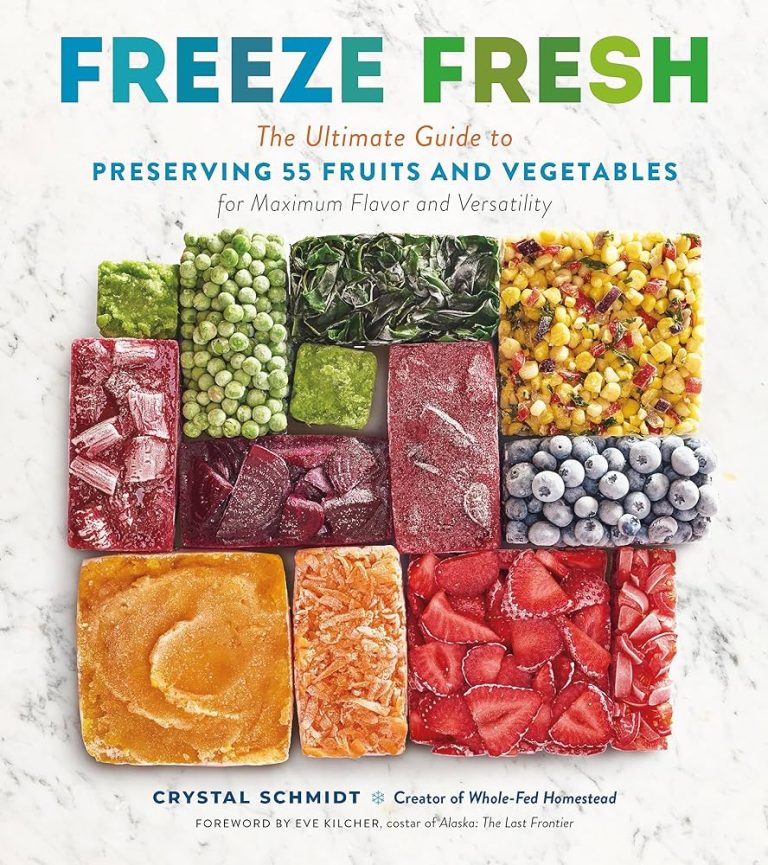
Credit: www.amazon.com
Exploring Soft Freeze
A soft freeze is a method of food preservation that involves freezing food at a slightly higher temperature than a hard freeze. This technique is particularly useful for delicate foods that have a high water content, such as fruits and vegetables, as it helps to retain their freshness and nutrients.
In a soft freeze, food is typically frozen at a temperature ranging from -6°C to -4°C (21°F to 25°F). This temperature is colder than a typical refrigerator but higher than a deep freezer. By using a slightly higher temperature, the water content in the food forms smaller ice crystals, which helps to maintain the cell structure and texture of the food when it is thawed.
Soft freezing can be achieved in a standard household freezer by adjusting the temperature settings or utilizing a specialized soft freeze setting if available. Here’s a simple technique to soft freeze your fruits and vegetables:
- Wash and clean your fruits or vegetables thoroughly to remove any dirt or impurities.
- Cut them into bite-sized pieces or slices, if desired.
- Place them in a single layer on a baking sheet or tray lined with parchment paper.
- Ensure that the pieces are not touching each other to allow for proper air circulation.
- Put the tray in the freezer and let the fruit or vegetable pieces freeze for about 1-2 hours.
- Once the pieces are frozen, transfer them to a freezer-safe bag or container.
By following this soft freeze technique, you can retain the freshness and quality of your fruits and vegetables for a longer period. These soft-frozen foods can be used in smoothies, desserts, or as toppings for various dishes, providing an added burst of flavor and nutritional value.
The primary benefit of soft freezing is the retention of freshness in the frozen foods. The smaller ice crystals formed during soft freezing minimize the damage to the cell walls and preserve the texture, taste, and nutritional content of the food. This technique is particularly beneficial for delicate produce, such as berries and leafy greens, as it helps them maintain their natural crunch and vibrant color.
Moreover, soft freezing also reduces the risk of freezer burn, which can negatively impact the quality of frozen foods. Freezer burn occurs when moisture is lost due to improper packaging or prolonged exposure to cold air. By using the soft freeze method, you can mitigate this risk and ensure that your frozen fruits and vegetables remain as fresh as possible.
Advantages Of Soft Freeze
Soft Freeze offers several advantages over Hard Freeze. With Soft Freeze, you can still access your device, receive calls and texts, and use essential features, while protecting your phone from unauthorized use and potential data breaches. It provides a convenient balance between security and functionality.
Enhanced Flavor Preservation
Soft freeze method helps retain the natural flavors of food.Texture Maintenance
Soft freeze prevents texture degradation of food items. Advantages of Soft Freeze: Soft freeze is beneficial for preserving flavors and textures of food products. In soft freeze, food is slowly frozen, preserving its natural taste. This method maintains the texture and consistency of the food. Soft freeze helps in maintaining the integrity of the ingredients. It prevents the formation of ice crystals within the food. This process results in better quality and taste retention. Soft freeze ensures that the food maintains its original form and structure. It is an effective way to keep the food fresh and delicious.Limitations Of Soft Freeze
Soft freezing, while beneficial in extending the shelf life of food products, comes with its own set of limitations that are essential to consider. These limitations primarily revolve around the shorter shelf life extension and the potential for bacterial growth, ultimately impacting the quality and safety of the frozen food products.
Shorter Shelf Life Extension
Soft freezing extends the shelf life of frozen food, but not as long as hard freezing.
Potential For Bacterial Growth
Soft freezing poses a higher risk of bacterial growth compared to hard freezing.

Credit: www.amazon.com
Frequently Asked Questions For Hard Freeze Vs Soft Freeze
What’s The Difference Between Soft Freeze And Hard Freeze?
Soft freeze is a temporary halt in development, allowing for critical bug fixes. Hard freeze is a strict ban on any code changes to prepare for release.
What Is A Hard Freeze Mean?
A hard freeze occurs when temperatures drop below 28°F, causing water to freeze rapidly. This can damage plants and pipes.
How Many Hours Is A Hard Freeze?
A hard freeze typically lasts for four or more consecutive hours.
What Is The Criteria For A Hard Freeze?
Hard freeze criteria include temperatures dropping below 28 degrees Fahrenheit for at least 4 hours.
Conclusion
Understanding the difference between hard freeze and soft freeze is crucial for plant protection. Both methods have their benefits and drawbacks, but proper implementation can save your crops. Consider your specific needs and environment to make the best choice for your garden.