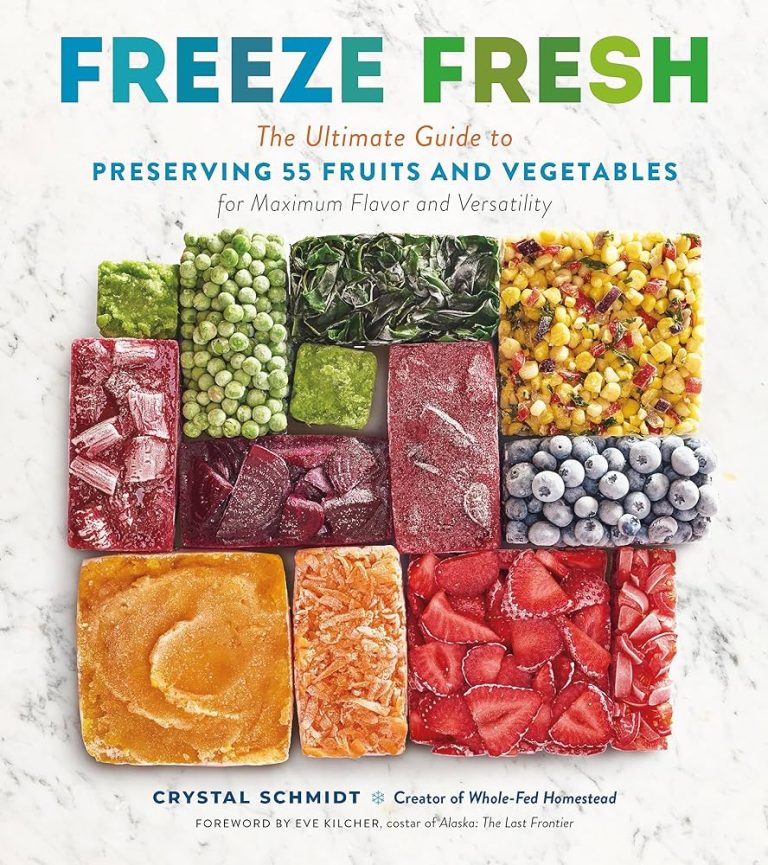
Refrigerators are for storing food between 35-38°F, while freezers keep food at -0°F or below. When it comes to choosing between a refrigerator and freezer, understanding their distinct purposes is crucial.
Refrigerators are designed to store perishable goods like fruits, vegetables, dairy, and drinks at a temperature just above freezing. Meanwhile, freezers are meant for long-term storage of frozen items such as meats, seafood, and frozen meals at a much lower temperature to preserve freshness.
Choosing the right appliance that aligns with your storage needs and habits can help optimize food preservation and reduce waste. Let’s delve deeper into the nuances of refrigerators and freezers to make an informed decision for your kitchen setup.
Temperature Control
Temperature control is a crucial aspect when it comes to refrigerators and freezers. Proper temperature settings play a key role in preserving the quality and freshness of food. Let’s delve into the specific temperature ranges for refrigerator and freezer units.
Refrigerator Temperature Range
The ideal temperature range for a refrigerator is between 35°F to 38°F. This range is optimal to keep perishable items such as dairy, fruits, and vegetables fresh for longer periods. The consistency of the refrigerator temperature is essential in maintaining the quality of food items stored inside.
Freezer Temperature Range
A freezer’s temperature range typically falls between 0°F to 5°F. This sub-zero temperature is critical for preserving frozen foods, including meats, poultry, and prepared meals. It inhibits bacterial growth and prevents the deterioration of frozen items.
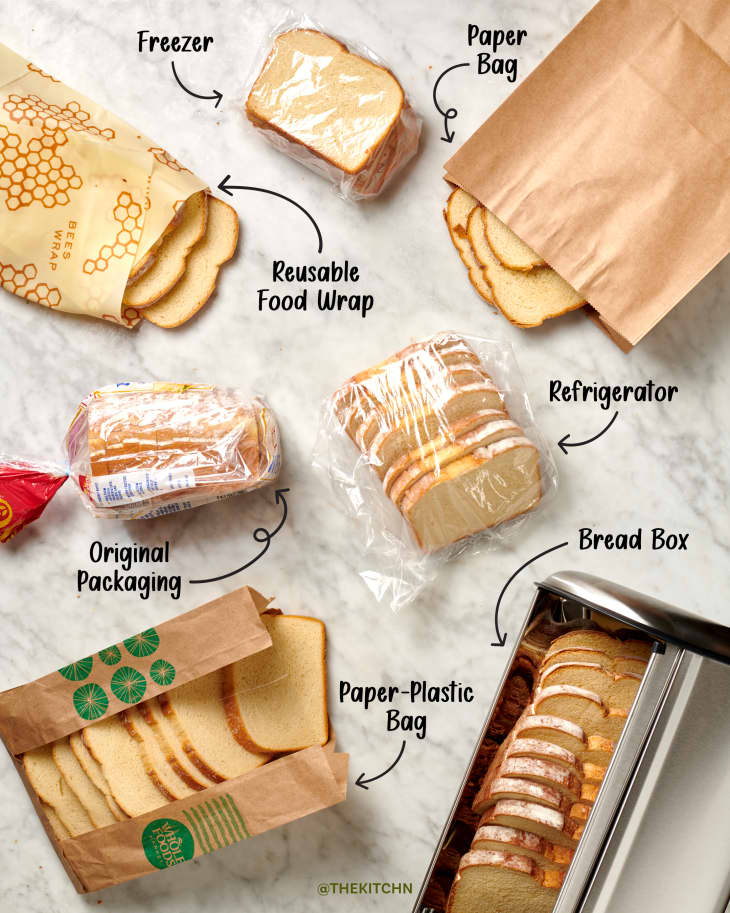
:max_bytes(150000):strip_icc()/how-to-store-fruits-and-vegetables-04ae463d7e9b420aad1c87be45cb17e1.jpg)
Credit: www.eatingwell.com
Food Storage
Refrigerators and freezers play vital roles in food storage. While refrigerators keep perishable items fresh for a short period, freezers preserve food for longer durations by freezing them, extending their shelf life. These appliances ensure that your food stays safe and usable for a more extended period.
Fresh Food Preservation In Refrigerator
Refrigerators keep fresh food at an optimal temperature to prevent spoilage. Storing fruits, vegetables, dairy in the refrigerator extends their freshness. ###Long-term Storage In Freezer
Freezers are ideal for long-term storage of meats, leftovers, and frozen goods. Maintaining a steady freezing temperature ensures safe and durable storage. When it comes to food storage options, refrigerators and freezers play distinct roles. Refrigerators preserve fresh food, while freezers offer long-term storage solutions. In the refrigerator, fresh produce, dairy, and other perishables are kept at a cool temperature to extend their lifespan. This helps in minimizing food waste and ensuring that you have fresh ingredients available for longer periods. On the other hand, freezers are suited for storing items for extended periods. Meats, frozen goods, and leftovers can be stored safely in the freezer, maintaining their quality over time. By understanding the differences in fresh food preservation in refrigerators and long-term storage in freezers, you can effectively manage your food supplies and reduce unnecessary waste.Energy Efficiency
When it comes to household appliances, energy efficiency is a crucial factor to consider. Refrigerators and freezers are no exception. Both serve the purpose of keeping our food fresh and safe, but they differ in terms of energy consumption. In this blog post, we will explore the energy efficiency of refrigerators and freezers and help you make an informed decision.
Refrigerator Efficiency
Refrigerators are an essential part of any kitchen, running continuously to maintain the optimal temperature for your perishable items. The energy efficiency of a refrigerator depends on various factors, including its size, age, and design features. One of the primary considerations for refrigerator energy efficiency is the Energy Star rating, which indicates how efficient the appliance is. Refrigerators with a higher Energy Star rating are designed to consume less energy and help you save on your electricity bills. Additionally, the layout and organization of the refrigerator shelves and compartments can impact its energy efficiency. A well-designed refrigerator will have adjustable shelves and clear dividers, allowing for optimal storage without blocking the airflow. It helps in maintaining consistent temperatures and reducing energy consumption. To further enhance refrigerator efficiency, consider keeping your refrigerator well-stocked. An empty refrigerator consumes more energy as it needs to work harder to maintain the desired temperature. On the other hand, an overcrowded refrigerator can restrict airflow and result in uneven cooling. Another factor affecting energy efficiency is the temperature controls of your refrigerator. Ensure that you set the temperature to the recommended level to avoid unnecessary energy consumption.
Freezer Efficiency
Freezers, while closely related to refrigerators, have slightly different energy efficiency considerations. Like refrigerators, freezers come with an Energy Star rating that denotes their energy efficiency level. Moreover, the location of the freezer can impact its energy efficiency. Placing the freezer in a cool, well-ventilated area, away from direct sunlight and other heat sources, can help reduce the workload on the appliance’s cooling system. Using a frost-free freezer can also contribute to improved energy efficiency. Frost-free freezers utilize auto-defrosting mechanisms that prevent frost buildup, eliminating the need for manual defrosting. This feature not only saves time but also reduces energy consumption. Another aspect of freezer efficiency is proper organization of the frozen items. Well-arranged and labeled storage prevents air leakage when retrieving items and allows for efficient airflow, ensuring uniform cooling throughout the freezer. Lastly, keeping the freezer door closed as much as possible minimizes energy loss. Make sure to check the freezer door seal regularly and replace it if necessary. In conclusion, both refrigerators and freezers can be energy-efficient appliances if certain considerations are taken into account. By selecting Energy Star rated models, maintaining optimal temperature settings, organizing the interior space effectively, and placing the appliances in suitable locations, you can ensure that your refrigerator and freezer consume energy responsibly while keeping your food fresh and safe.
Organization And Accessibility
When it comes to organizing and accessing your food, both the refrigerator and freezer play a crucial role. Understanding the specific features of each appliance will help you make the most out of your kitchen setup. Let’s dive into the organization and accessibility aspects of refrigerators and freezers.
Refrigerator Features
Your refrigerator is designed to store perishable food items at a cool temperature to keep them fresh for longer periods. It usually consists of multiple compartments and shelves, providing various storage options. Here are some key features of refrigerators that enhance organization and accessibility:
- Adjustable Shelves: Refrigerators often come with adjustable shelves that allow you to customize the storage space based on your needs. This feature enables you to accommodate different-sized items, making it easier to organize and access your food.
- Crisper Drawers: Crisper drawers are ideal for storing fruits and vegetables, helping to extend their shelf life. These drawers are designed to maintain optimal humidity levels, keeping your produce fresh and easily accessible.
- Door Bins: The door bins in refrigerators provide additional storage space for condiments, beverages, and other frequently used items. They are typically adjustable, allowing you to arrange the bins based on your preferences.
- Clear Shelves and Bins: Many modern refrigerators feature clear shelves and bins, which enable you to see the contents at a glance. This visibility helps prevent forgotten items and ensures easy accessibility.
- Door Alarm: Some refrigerators are equipped with a door alarm feature that alerts you if the door is left open for too long. This helps maintain the optimal temperature inside the refrigerator and ensures the safety of your stored food.
Freezer Features
The freezer in your kitchen serves as a storage space for frozen food items, allowing you to preserve them for extended periods. Here are some notable features of freezers that contribute to organization and accessibility:
- Wire Baskets: Freezers often come with wire baskets that help organize frozen foods, making it easy to locate specific items. These baskets prevent your food from getting buried under layers of frozen goods, ensuring accessibility.
- Shelving: Similar to the refrigerator, freezers may also include adjustable shelves. These shelves come in handy when you need to store bulkier freezer items or separate different types of frozen food.
- Divider Panels: Some freezers offer built-in divider panels that allow you to create separate compartments within the freezer. This feature assists in categorizing your frozen foods and enhances accessibility.
- Automatic Ice Makers: Having an automatic ice maker in your freezer eliminates the need for ice trays and provides a constant supply of ice. This feature contributes to convenience and accessibility, especially when hosting gatherings or preparing cold beverages.
- Frost-free Technology: Modern freezers often come with frost-free technology, preventing ice buildup. This feature eliminates the need for manual defrosting, saving both time and effort while ensuring efficient use of the freezer space.
Maintenance And Cleaning
When it comes to maintenance and cleaning, it’s important to know the differences between a refrigerator and a freezer. Understanding these distinctions will help you effectively care for and maintain these essential appliances in your home. From defrosting requirements to proper cleaning techniques, it’s crucial to stay on top of these tasks to ensure optimal performance and longevity.
Maintenance and cleaning are crucial aspects of keeping your refrigerator and freezer functioning efficiently. Let’s delve into some practical tips you can follow to ensure your appliances remain in top condition.Refrigerator Maintenance Tips
- Clean the interior of the refrigerator monthly.
- Check and replace refrigerator seals if damaged.
- Keep the coils clean to improve efficiency.
Freezer Cleaning Guide
- Defrost the freezer regularly to prevent ice buildup.
- Wipe down the freezer walls with a mild cleaner.
- Organize items in the freezer for better airflow.

Credit: blog.cambro.com
Food Preservation Tips
Discover effective food preservation tips with a focus on refrigerator vs. freezer storage. Learn the best practices for extending the freshness and shelf life of your perishable items. Keep your food safe and flavorful by understanding the ideal storage methods for different types of food.
Best Practices For Refrigerator Use
Refrigerators maintain freshness, store foods well, and prevent spoiling. Store dairy, eggs, and raw meat on lower shelves for optimal temperature. Always check refrigerator temperature to ensure food safety and quality.Maximizing Freezer Storage
Freezers prolong food lifespan, preventing waste and ensuring availability. Organize freezer contents with labeled containers for easy access. Rotate items regularly to ensure older items are used first. Utilize freezer bags to minimize air exposure and prevent freezer burn.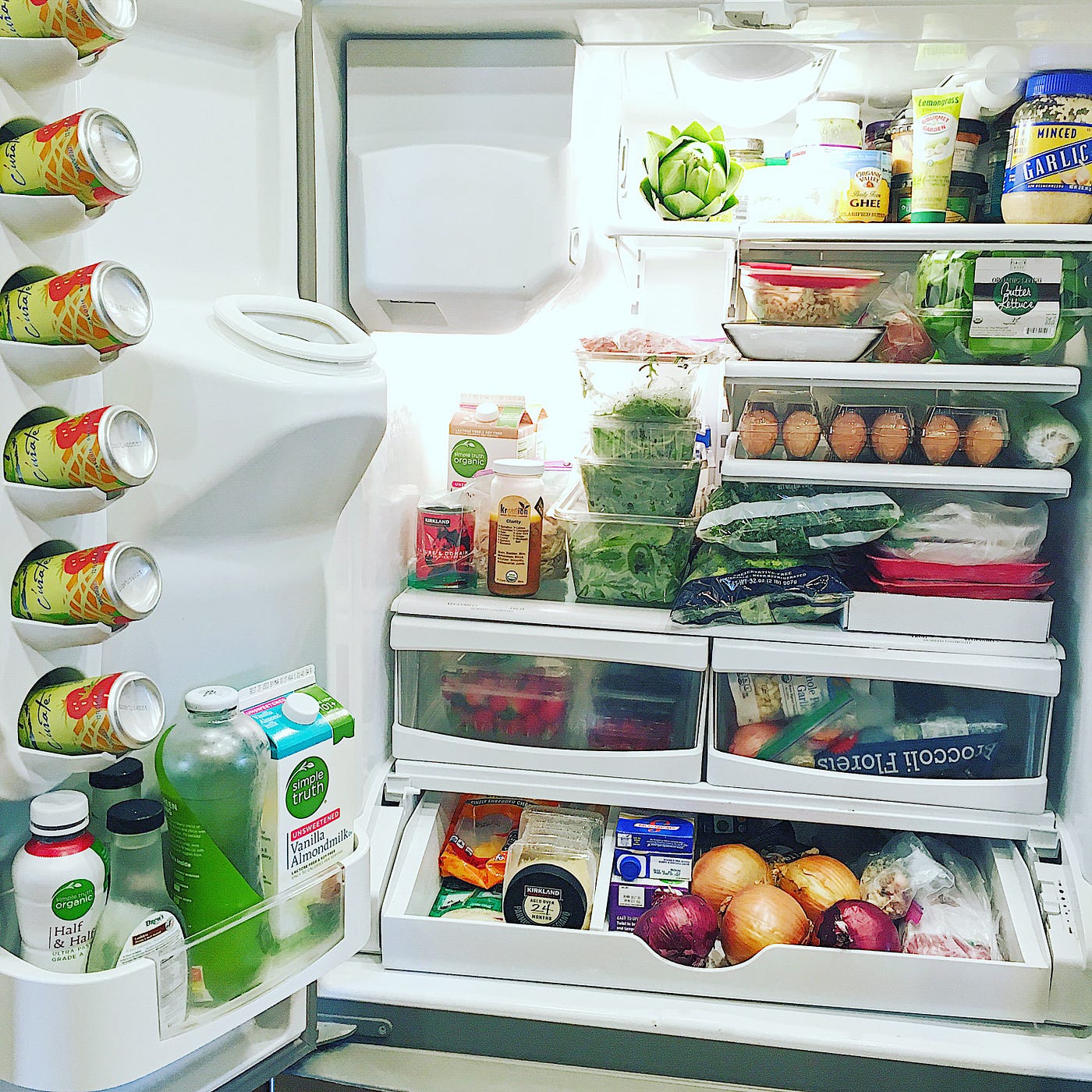
Credit: medium.com
Frequently Asked Questions For Refrigerator Vs Freezer
Can I Use My Freezer As A Refrigerator?
Yes, you can use your freezer as a refrigerator by adjusting the temperature. Some freezers allow this feature.
Is It Better To Freeze Or Refrigerate?
It’s better to freeze perishable items for long-term storage and refrigerate them for short-term use. Freezing slows down spoilage and preserves texture, while refrigeration helps maintain freshness. Both methods extend shelf life and retain quality.
Which Is Better Deep Freezer Or Refrigerator?
The deep freezer is better for long-term storage, while the refrigerator is ideal for daily use.
Does Refrigerated Mean In The Freezer?
Refrigerated and freezer are two different terms. Refrigerated refers to the storage of food in a cooler temperature, typically above freezing. Freezer, on the other hand, means below freezing temperature, where food is stored to keep it frozen or preserved for longer periods of time.
Conclusion
Both refrigerators and freezers serve essential functions in the household. Understanding their unique features and differences can help you make an informed decision based on your specific needs. Whether you prioritize food preservation, storage capacity, or energy efficiency, there’s a perfect appliance for you.
Make your choice wisely.